
BuddhistCatholicContemplativeEvangelicalGeneral ChristianHinduJewishLatter-day SaintMuslimNew VisionsProgressive Christian
Beliefs
- Buddhist
- Catholic
- Contemplative
- Evangelical
- General Christian
- Hindu
- Jewish
- Latter-day Saint
- More Voices
- Muslim
- New Visions
- Pagan
- Progressive Christian
Topics
- Religion News
- Food and Religion
- Sports and Religion
- Religious Art
- Religious Music and Entertainment
- Religious Events
- History and Religion
- Style and Religion
- Politics and Religion
- Women in Religion
- Recreation Outdoors and Religion
- Business Finance and Religion
- Careers Workplace and Religion
- Education and Religion
- Family Parenting and Religion
- Health Fitness and Religion
- Home and Religion
- Relationships and Religion
- Technology and Religion
- Travel and Religion
Columnists
- Buddhist Columnists
- Business Finance and Religion Columnists
- Careers Workplace and Religion Columnists
- Catholic Columnists
- Contemplative Columnists
- Education and Religion Columnists
- Evangelists Columnists
- Family Parenting and Religion Columnists
- General Christian Columnists
- Health Fitness and Religion Columnists
- Hindu Columnists
- History and Religion Columnists
- Home and Religion Columnists
- Jewish Columnists
- More Voices Columnists
- Latter Day Columnists
- Muslim Columnists
- New Visions Columnists
- Nonreligious Columnists
- Pagan Columnists
- Politics and Religion Columnists
- Progressive Columnists
- Recreation Outdoors and Religion Columnists
- Relationships and Religion Columnists
- Religion News Columnists
- Religious Art Columnists
- Religious Events Columnists
- Religious Music and Entertainment Columnists
- Sports and Religion Columnists
- Style and Religion Columnists
- Technology and Religion Columnists
- Travel and Religion Columnists
- Women in Religion Columnists
Resource Library
- 2026 Calendar
- Library of World Religions
- The 100 Most Holy Places on Earth
- Patheos Answers
- Podcasts
- Videos
- Faith Leaders Database
- Anglican Episcopalian
- Bahai
- Baptist
- Buddhism
- Christianity
- Confucianism
- Eastern Orthodoxy
- Hinduism
- Holiness and Pentecostal
- ISKCON
- Islam
- Judaism
- Lutheran
- Methodist
- The Church of Jesus Christ of Latter-day Saints
- New Age
- Paganism
- Presbytarian and Reformed
- Protestantism
- Religion Behind the Scenes
- Roman Catholic
- Scientology
- Shia Islam
- Sikhism
- Sufism
- Sunni Islam
- Taoism
- Zen
- See all religions
Research Tools
 Ad-Free & Subscriber Log-In Subscription Support
Ad-Free & Subscriber Log-In Subscription Support
Follow Patheos 

- Trending:
- Forgiveness
- |
- Marriage
- |
- Consciousness
- |
- Death Penalty
- |
- Election
- |
- Halloween

-
Tools
-
Support the Work
- Home
- Evangelical
- “I’ll be wherever you call me.”
“I’ll be wherever you call me.”
Last updated on: August 6, 2024 at 4:57 am by Brad Vaughn
“I’ll be wherever you call me.” 2024-06-15T15:07:25-07:00 Brad Vaughn
Patheos Explore the world's faith through different perspectives on religion and spirituality! Patheos has the views of the prevalent religions and spiritualities of the world.
flickr/LynnFriedman
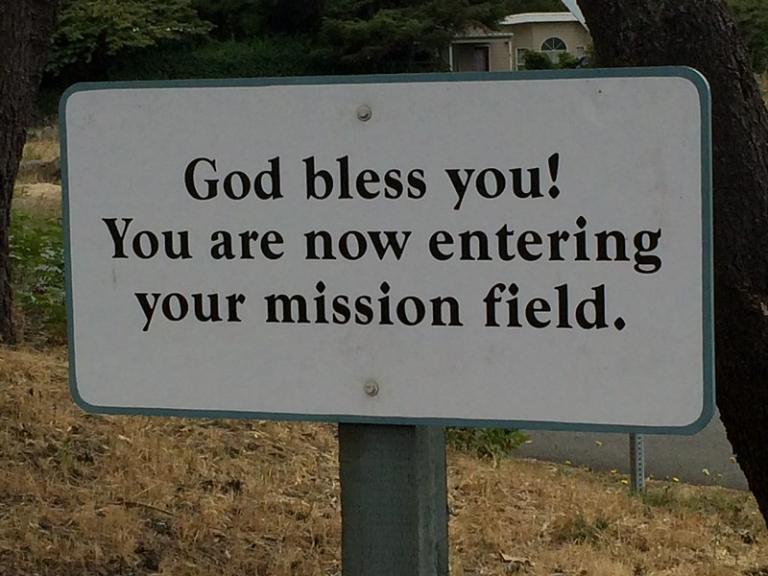
We might say “I’ll go wherever you send me,” but will we be wherever he calls us? To “be” wherever God wants us to be means intentionally embracing our current context. Such intentionality requires investment and commitment.
Five Aspects of Being Somewhere
“Being” wherever He calls us involves several key things:
1. Cultivating Deep Relationships
Being fully present requires investing in meaningful relationships within the local church and community. It means knowing and being known by others, sharing life’s joys and struggles, and offering mutual support and accountability. This relational depth reflects the communal nature of the Trinity and the church as the body of Christ (1 Cor 12:12-27).
(We’re not talking about passive attendance or merely consuming sermons and music at a church.)
The New Testament paints a vivid picture of the early Christian community as one characterized by deep, sacrificial relationships. Acts 2:42-47 describes believers as being devoted to fellowship, breaking bread together, and sharing possessions to meet each other’s needs. This level of community life is only possible through intentional presence and investment in one another’s lives.
By building deep relationships in our local context, we mirror the interconnection of the Trinity and the early church’s example. It’s only in creating a supportive and nurturing environment that genuine, Christian faith flourishes.
2. Engaging in Local Ministry
While global missions are crucial, so is ministry in our immediate surroundings. This includes serving in local outreach programs, participating in church activities, and addressing the needs of our neighbors. Local ministry allows us to witness Christ’s love in tangible ways and build a credible testimony within our community.
Engagement in local ministry requires us to recognize and respond to the specific needs of our community. But how well do we know these needs? (I find that people, including myself, are typically more aware of the problems associated with national politics than we are about local city issues.)
Whether it’s providing food and shelter for the homeless, mentoring at-risk youth, or offering counseling services, local ministry addresses the real and present issues people face. This hands-on approach not only meets immediate needs but also builds trust and credibility. In this way, we the church demonstrate the transformative power of the gospel in practical, everyday ways.
3. Contextualizing the Gospel
Understanding and respecting the cultural and social dynamics of our locality is essential for effective (i.e., fruitful) ministry. Contextualizing the gospel message means communicating it in ways that resonate with the local audience, addressing their specific questions, and demonstrating its relevance to their lives.
Contextualization involves a deep appreciation of the local culture and a willingness to adapt our methods without compromising the message of the gospel. This can include learning a local language, customs, and traditions, as well as understanding the unique challenges and opportunities present in the community.
By doing so, we make the gospel accessible and relatable, showing that it speaks directly to the concerns and aspirations of those we are ministering to.
4. Practicing Presence and Patience
Being present also involves a posture of patience and attentiveness. It means resisting the urge to look constantly for the next big thing or place and instead faithfully stewarding the opportunities and relationships God has placed before us. This patience reflects a trust in God’s timing and sovereignty.
Practicing presence means being fully engaged in the moment, whether in conversation, service, or worship. It requires us to slow down, listen carefully, and be attentive to the needs and concerns of those around us. This attentive presence fosters deeper connections and allows us to minister more effectively.
Patience, on the other hand, involves a long-term commitment to our local context, recognizing that true transformation often takes time and consistent effort. By trusting in God’s timing, we can remain faithful even when progress seems slow or challenges arise.
5. Foster a Culture of Hospitality
Open your home and heart to others in your community. Hosting neighborhood gatherings, inviting people for meals, and being available for informal conversations create spaces for deepening relationships and showing Christ’s love in everyday interactions.
Hospitality is a powerful expression of local presence. By welcoming others into our homes and lives, we create environments where meaningful connections can flourish. Simple acts of hospitality, such as sharing a meal or offering a listening ear, demonstrate care and build community. This practice can also serve as a bridge for deeper spiritual conversations and opportunities to share the gospel in a natural and relational context.
Practical Expressions of Presence
To embody the call to be present, try several practical steps, like the following:
- Intentional Community Involvement
Engage in community activities, join local groups, and participate in events that allow for building connections and understanding the local context. This might include attending town meetings, volunteering at local schools, or participating in neighborhood associations.
- Support Local Initiatives
Collaborate with local organizations, schools, and businesses to address community needs and foster a spirit of partnership and service. This not only meets practical needs but also strengthens the fabric of your community. It creates a sense of shared purpose and mutual support.
- Develop Local Leadership
Invest in training and empowering local leaders who can continue the work of ministry within the community, ensuring its sustainability and growth. By equipping others, we multiply our impact and build a legacy of faithful service that extends well beyond our immediate involvement.
- Balanced Missional Focus
Maintain a balance between global and local missions in church programming and personal ministry efforts. Recognize the value and importance of both. This ensures that while we engage in global outreach, we do not neglect the significant work that needs to be done in our own backyard.
The Impact of Local Presence
A theology of locality challenges us to embrace the fullness of our calling by being fully present and engaged wherever God has placed us. By saying, “I’ll be wherever you want me to be,” we honor God’s sovereignty in our placement and participate in His redemptive work both globally and locally. This holistic approach enriches our witness and deepens our impact, as we live out the gospel in the everyday realities of our immediate context.
In summary, the call to be present is an invitation to embody Christ’s love in tangible, local ways. It requires us to invest deeply in relationships, engage actively in local ministry, contextualize the gospel, and practice patience and attentiveness.
By doing so, we fulfill the biblical mandate to love our neighbors and participate in God’s ongoing work of redemption in our communities. This approach not only honors God but also transforms our local context, making the gospel real and impactful in the lives of those around us.
Theological Reflections on Locality
One more thing is worth adding here. A theology of locality does not diminish the importance of global missions but complements it.
It acknowledges that the mission field begins at our doorstep and that our immediate context is a crucial part of God’s redemptive plan. The Great Commission (Matt 28:18-20) encompasses both “going” and “making disciples,” which includes nurturing and discipling those within our local church and community.
Moreover, local embodiment reflects the biblical concept of “shalom,” a holistic peace and flourishing that encompasses all aspects of life. By being fully present, we contribute to the shalom of our community, promoting justice, mercy, and righteousness in our everyday interactions.
Previous Post

July 30, 2024
Biblical Foundations for Local Embodiment
Next Post

August 20, 2024 Attention is a type of currency in the Christian life
Recent Comments
"A thoughtful and thought-provoking article that raises important questions about the challenges facing the Western ..."
"to fit social or religious expectations. Especially women, who were expected to sacrifice everything to ..."
3 reasons you should not be ..."
"Powerful reminder short, sturdy truths can lose their weight if treated as slogans. The solas ..."
How Western Individualism Quietly Undermines the ..."
"If 'America’s deepest crisis is not merely political. It is moral and spiritual.' is in ..."
The Real Crisis Beneath America’s Social ..."
Browse Our Archives
Select a Category Atonement Biblical Theology Book Reviews China Chinese Church Chinese Culture Chinese Language Collectivism Contextualization Culture (General) Ecclesiology Evangelism Gospel Honor & Shame (Face) Interpretation/Exegesis Justification/Righteousness Missiology Mission Methods One Gospel for All Nations Other Practical Contextualization Reading Romans with Eastern Eyes Resources Romans Salvation (General) Saving God's Face Seeking God's Face The Cross in Context Theological Contextualization Theological Education Theology Uncategorized
Select a Month October 2026 September 2026 August 2026 July 2026 June 2026 May 2026 April 2026 March 2026 February 2026 January 2026 December 2025 November 2025 October 2025 September 2025 August 2025 July 2025 June 2025 May 2025 April 2025 March 2025 February 2025 January 2025 December 2024 November 2024 October 2024 September 2024 August 2024 July 2024 June 2024 May 2024 April 2024 March 2024 February 2024 January 2024 December 2023 November 2023 October 2023 September 2023 August 2023 July 2023 June 2023 May 2023 April 2023 March 2023 February 2023 January 2023 December 2022 November 2022 October 2022 September 2022 August 2022 July 2022 June 2022 May 2022 April 2022 March 2022 February 2022 January 2022 December 2021 November 2021 October 2021 September 2021 August 2021 July 2021 June 2021 May 2021 April 2021 March 2021 February 2021 January 2021 December 2020 November 2020 October 2020 September 2020 August 2020 July 2020 June 2020 May 2020 April 2020 March 2020 February 2020 January 2020 December 2019 November 2019 October 2019 September 2019 August 2019 July 2019 June 2019 May 2019 April 2019 March 2019 February 2019 January 2019 December 2018 November 2018 October 2018 September 2018 August 2018 July 2018 June 2018 May 2018 April 2018 March 2018 February 2018 January 2018 December 2017 November 2017 October 2017 September 2017 August 2017 July 2017 June 2017 May 2017 April 2017 March 2017 February 2017 January 2017 December 2016 November 2016 October 2016 September 2016 August 2016 July 2016 June 2016 May 2016 April 2016 March 2016 February 2016 January 2016 December 2015 November 2015 October 2015 September 2015 August 2015 July 2015 June 2015 May 2015 April 2015 March 2015 February 2015 January 2015 December 2014 November 2014 October 2014 September 2014 August 2014 July 2014 June 2014 May 2014 April 2014 March 2014 February 2014 January 2014 December 2013 November 2013 October 2013 September 2013 August 2013 July 2013 June 2013 May 2013 April 2013 March 2013 February 2013 January 2013 December 2012 November 2012
Follow Us!
TAKE THE
Religious Wisdom Quiz
What is the "Great Schism" in Christian history?
Select your answer to see how you score.
Division between Eastern and Western churches Council of Trent Catholic-Protestant split Crusades
Books by This Author Books by Brad Vaughn
Related posts from Saving God's Face

Why Christianity Needs Individuals but Rejects Individualism

Glory, Violence, and the Gospel of Peace

Biblical Foundations for Local Embodiment

A Theology of Locality Embraces the Call to...
TRENDING AT PATHEOS Evangelical

Letters on Living the Faith by C.S. Lewis
Most of us met C.S. Lewis as a public intellectual. Mere Christianity....

When Halloween Unmasks Married Hearts
Written by Dr. David K. Ewen from Eternal Truth Bible College Behind...

Aristotle. He’s been called the father of logic, the father of the...

Methodist Central Hall and Westminster Abbey
Situated on the same square is Methodist Central Hall and Westminster Abbey. ...

57th Dove Awards Honor Dolly Parton, Crown New...
On gospel music’s biggest night, the 57th annual GMA Dove Awards honored...

The First Eucharistic Controversy: Christ’s Real Presence
For Catholics, the Eucharist is the source and summit of the Christian...
view all Evangelical blogs
What Are Your Thoughts?leave a comment
Ad-Free & Subscriber Log-In Subscription Support
- About Us
- 2026 Calendar
- Videos
- Podcasts
- Library of World Religions
- Faith In Media Tracker
- Advertise With Us
- Write for Us
- Privacy Policy
- Terms of Service
- Do Not Sell My Data
- Contact Us
- Radiant Digital
- Manage Newsletter Subscriptions
- Unsubscribe From Notifications
- Sitemap
Copyright 2008-2026, Patheos. All rights reserved.
Subscription Support Ad-Free & Subscriber Log-In
Follow Patheos