
BuddhistCatholicContemplativeEvangelicalGeneral ChristianHinduJewishLatter-day SaintMuslimNew VisionsProgressive Christian
Beliefs
- Buddhist
- Catholic
- Contemplative
- Evangelical
- General Christian
- Hindu
- Jewish
- Latter-day Saint
- More Voices
- Muslim
- New Visions
- Pagan
- Progressive Christian
Topics
- Religion News
- Food and Religion
- Sports and Religion
- Religious Art
- Religious Music and Entertainment
- Religious Events
- History and Religion
- Style and Religion
- Politics and Religion
- Women in Religion
- Recreation Outdoors and Religion
- Business Finance and Religion
- Careers Workplace and Religion
- Education and Religion
- Family Parenting and Religion
- Health Fitness and Religion
- Home and Religion
- Relationships and Religion
- Technology and Religion
- Travel and Religion
Columnists
- Buddhist Columnists
- Business Finance and Religion Columnists
- Careers Workplace and Religion Columnists
- Catholic Columnists
- Contemplative Columnists
- Education and Religion Columnists
- Evangelists Columnists
- Family Parenting and Religion Columnists
- General Christian Columnists
- Health Fitness and Religion Columnists
- Hindu Columnists
- History and Religion Columnists
- Home and Religion Columnists
- Jewish Columnists
- More Voices Columnists
- Latter Day Columnists
- Muslim Columnists
- New Visions Columnists
- Nonreligious Columnists
- Pagan Columnists
- Politics and Religion Columnists
- Progressive Columnists
- Recreation Outdoors and Religion Columnists
- Relationships and Religion Columnists
- Religion News Columnists
- Religious Art Columnists
- Religious Events Columnists
- Religious Music and Entertainment Columnists
- Sports and Religion Columnists
- Style and Religion Columnists
- Technology and Religion Columnists
- Travel and Religion Columnists
- Women in Religion Columnists
Resource Library
- 2026 Calendar
- Library of World Religions
- The 100 Most Holy Places on Earth
- Patheos Answers
- Podcasts
- Videos
- Faith Leaders Database
- Anglican Episcopalian
- Bahai
- Baptist
- Buddhism
- Christianity
- Confucianism
- Eastern Orthodoxy
- Hinduism
- Holiness and Pentecostal
- ISKCON
- Islam
- Judaism
- Lutheran
- Methodist
- The Church of Jesus Christ of Latter-day Saints
- New Age
- Paganism
- Presbytarian and Reformed
- Protestantism
- Religion Behind the Scenes
- Roman Catholic
- Scientology
- Shia Islam
- Sikhism
- Sufism
- Sunni Islam
- Taoism
- Zen
- See all religions
Research Tools
 Ad-Free & Subscriber Log-In Subscription Support
Ad-Free & Subscriber Log-In Subscription Support
Follow Patheos 

- Trending:
- Forgiveness
- |
- Marriage
- |
- Consciousness
- |
- Death Penalty
- |
- Election
- |
- Halloween

-
Tools
-
Support the Work
- Home
- Evangelical
- Education and Religion
- Applying the Trivium to Theological Training
Applying the Trivium to Theological Training
Last updated on: June 18, 2024 at 3:51 am by Brad Vaughn
Applying the Trivium to Theological Training 2024-05-06T16:02:20-07:00 Brad Vaughn
Patheos Explore the world's faith through different perspectives on religion and spirituality! Patheos has the views of the prevalent religions and spiritualities of the world.
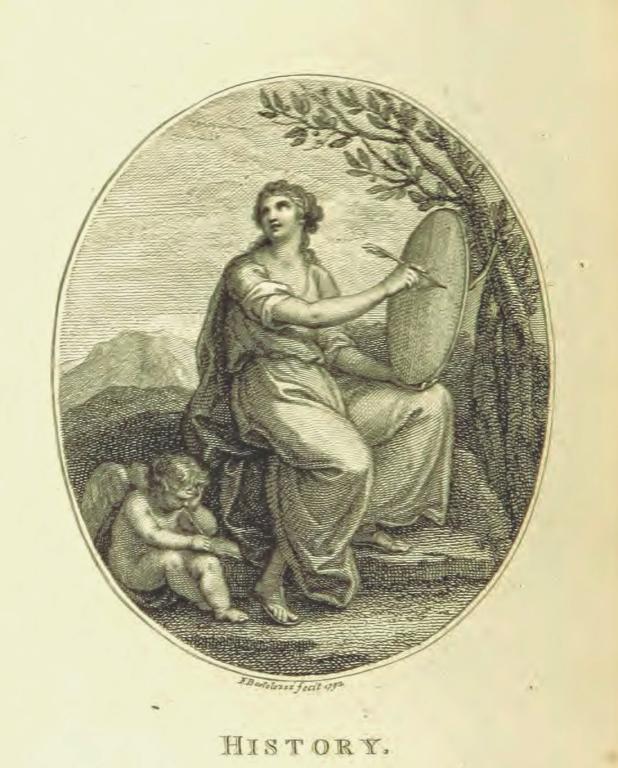
Classical education structures its approach to learning using the trivium of grammar, logic, and rhetoric. This post explains how the trivium offers a robust framework that can be adeptly applied to theological training. This pedagogical model not only fosters a comprehensive understanding of the material; it also cultivates critical thinking and effective communication skills, which are essential for theological students.
The Grammar Stage
The first stage of the trivium, the grammatical stage, focuses on the acquisition of facts and basic material, which forms the foundation of further education.
Within theological education, this stage is crucial as it involves the in-depth study of biblical texts, theological doctrines, and historical context. Students memorize scriptures, study the historical background of the texts, and learn the Bible’s original languages. Obviously, a rigorous foundation is vital since theological assertions are grounded in scriptural and historical accuracy.
Effective application of the grammatical stage in theology could involve structured reading plans that include multiple biblical genres and theological writings. Moreover, introducing students to systematic theology during this stage can help them categorize and retain theological concepts more efficiently. For instance, using catechisms or theological summaries can aid in embedding essential doctrines in the students’ memories, which can be recalled and built upon in later stages.
The Logic Stage
The focus of the logic stage shifts from knowledge acquisition to analysis and understanding. This is where students begin to ask “why” and “how” questions that delve deeper into the meanings and implications of their earlier studies. In theological education, this involves critical engagement with biblical texts and doctrines to understand their implications and interconnections.
At this stage, students can engage in discussions and debates that challenge them to defend their interpretations and understand alternative viewpoints. This could be structured through classroom debates about justification or through papers that compare different theological perspectives such as Calvinism versus Arminianism. Such exercises sharpen students’ analytical skills and deepen their understanding of complex theological issues, preparing them for practical application in ministry contexts.
The Rhetorical Stage
The final stage of the trivium, rhetoric, emphasizes eloquent and effective communication of ideas mastered in the first two stages.
For theological students, this stage is about learning to articulate their understanding of God and the Bible in ways that are both persuasive and sensitive to the needs of their audience. This involves not only preaching and teaching but also writing effectively on theological topics. (Thinking is best done with a pen in hand.)
During the rhetorical stage, students are encouraged to publish articles and blog posts, deliver sermons, and engage in pastoral counseling under supervision. These activities require them to present their ideas clearly and persuasively, an essential skill for anyone in a ministry role. Additionally, incorporating modern communication tools and techniques, such as social media and multimedia presentations, can modernize the rhetorical training of theological students, making them more effective in contemporary ministry settings.
Integration and Application
Integrating these stages effectively requires a curriculum that allows for a seamless transition from one stage to the next while providing opportunities for revisiting and reinforcing earlier material. For example, a course on exegetical methods can be introduced during the grammatical stage but should be revisited in the logic stage, focusing on different interpretative frameworks. Similarly, courses on homiletics and pastoral counseling during the rhetorical stage can draw on exercises from the dialectic stage, such as ethical case studies or doctrinal discussions, to enhance rhetorical skills in practical ministry contexts.
The trivium model supports a cyclical rather than a linear approach to education. As theological students advance, they revisit content with a deeper perspective gained from higher stages of learning. This spiral approach ensures that knowledge is not only retained but also deepened.
Conclusion
Applying the trivium in theological education is a structured yet flexible approach that can significantly enhance the training of future theologians. By grounding students in the essential knowledge of the faith, sharpening their analytical skills, and enhancing their communicative abilities, the trivium prepares them not only for personal spiritual growth but also for effective leadership in their communities.
No one questions the need for well-rounded, thoughtfully trained theological leaders. The classical trivium, with its emphasis on rigorous scholarship and effective communication, is a proven framework to meet this need.
Let me know what you think. Have you seen anyone attempt to use this in formal theological education or informal training sessions?
Education and Religion
History and Religion
Previous Post
June 11, 2024
Romans 2 is Not about General Human Conscience
Next Post
June 25, 2024 Jesus Loved Colonialists. Do We?
Recent Comments
"A thoughtful and thought-provoking article that raises important questions about the challenges facing the Western ..."
"to fit social or religious expectations. Especially women, who were expected to sacrifice everything to ..."
3 reasons you should not be ..."
"Powerful reminder short, sturdy truths can lose their weight if treated as slogans. The solas ..."
How Western Individualism Quietly Undermines the ..."
"If 'America’s deepest crisis is not merely political. It is moral and spiritual.' is in ..."
The Real Crisis Beneath America’s Social ..."
Browse Our Archives
Select a Category Atonement Biblical Theology Book Reviews China Chinese Church Chinese Culture Chinese Language Collectivism Contextualization Culture (General) Ecclesiology Evangelism Gospel Honor & Shame (Face) Interpretation/Exegesis Justification/Righteousness Missiology Mission Methods One Gospel for All Nations Other Practical Contextualization Reading Romans with Eastern Eyes Resources Romans Salvation (General) Saving God's Face Seeking God's Face The Cross in Context Theological Contextualization Theological Education Theology Uncategorized
Select a Month October 2026 September 2026 August 2026 July 2026 June 2026 May 2026 April 2026 March 2026 February 2026 January 2026 December 2025 November 2025 October 2025 September 2025 August 2025 July 2025 June 2025 May 2025 April 2025 March 2025 February 2025 January 2025 December 2024 November 2024 October 2024 September 2024 August 2024 July 2024 June 2024 May 2024 April 2024 March 2024 February 2024 January 2024 December 2023 November 2023 October 2023 September 2023 August 2023 July 2023 June 2023 May 2023 April 2023 March 2023 February 2023 January 2023 December 2022 November 2022 October 2022 September 2022 August 2022 July 2022 June 2022 May 2022 April 2022 March 2022 February 2022 January 2022 December 2021 November 2021 October 2021 September 2021 August 2021 July 2021 June 2021 May 2021 April 2021 March 2021 February 2021 January 2021 December 2020 November 2020 October 2020 September 2020 August 2020 July 2020 June 2020 May 2020 April 2020 March 2020 February 2020 January 2020 December 2019 November 2019 October 2019 September 2019 August 2019 July 2019 June 2019 May 2019 April 2019 March 2019 February 2019 January 2019 December 2018 November 2018 October 2018 September 2018 August 2018 July 2018 June 2018 May 2018 April 2018 March 2018 February 2018 January 2018 December 2017 November 2017 October 2017 September 2017 August 2017 July 2017 June 2017 May 2017 April 2017 March 2017 February 2017 January 2017 December 2016 November 2016 October 2016 September 2016 August 2016 July 2016 June 2016 May 2016 April 2016 March 2016 February 2016 January 2016 December 2015 November 2015 October 2015 September 2015 August 2015 July 2015 June 2015 May 2015 April 2015 March 2015 February 2015 January 2015 December 2014 November 2014 October 2014 September 2014 August 2014 July 2014 June 2014 May 2014 April 2014 March 2014 February 2014 January 2014 December 2013 November 2013 October 2013 September 2013 August 2013 July 2013 June 2013 May 2013 April 2013 March 2013 February 2013 January 2013 December 2012 November 2012
Follow Us!
TAKE THE
Religious Wisdom Quiz
What did Nehemiah rebuild in Jerusalem amid much opposition?
Select your answer to see how you score.
The Temple The city wall The palace The tower of Siloam
Books by This Author Books by Brad Vaughn
Related posts from Saving God's Face
Is theological education "necessary" for missionaries?

Theological Education, Original Languages and the Reformation
"There is no God without me." I'm disappointed.

Theological Education in Honor-Shame Cultures
TRENDING AT PATHEOS Evangelical

The First Eucharistic Controversy: Christ’s Real Presence
For Catholics, the Eucharist is the source and summit of the Christian...

How to Make a Decision When You Can't...
Main point: It’s much more valuable to stay close to God so...

Archdiocese Hosts Military Marriage Retreat in Germany
RASTATT, Germany — The transient military lifestyle, with its frequent deployments and...

Nearly every morning, I make the drive to Detroit with my high-school-age...

The Real AI Story Is Adoption Without Trust
Artificial intelligence has crossed a political threshold. It is no longer a...

A new article, written by Jeff Lindsay and Gale L. Pooley,...
view all Evangelical blogs
What Are Your Thoughts?leave a comment
Ad-Free & Subscriber Log-In Subscription Support
- About Us
- 2026 Calendar
- Videos
- Podcasts
- Library of World Religions
- Faith In Media Tracker
- Advertise With Us
- Write for Us
- Privacy Policy
- Terms of Service
- Do Not Sell My Data
- Contact Us
- Radiant Digital
- Manage Newsletter Subscriptions
- Unsubscribe From Notifications
- Sitemap
Copyright 2008-2026, Patheos. All rights reserved.
Subscription Support Ad-Free & Subscriber Log-In
Follow Patheos