
BuddhistCatholicContemplativeEvangelicalGeneral ChristianHinduJewishLatter-day SaintMuslimNew VisionsProgressive Christian
Beliefs
- Buddhist
- Catholic
- Contemplative
- Evangelical
- General Christian
- Hindu
- Jewish
- Latter-day Saint
- More Voices
- Muslim
- New Visions
- Pagan
- Progressive Christian
Topics
- Religion News
- Food and Religion
- Sports and Religion
- Religious Art
- Religious Music and Entertainment
- Religious Events
- History and Religion
- Style and Religion
- Politics and Religion
- Women in Religion
- Recreation Outdoors and Religion
- Business Finance and Religion
- Careers Workplace and Religion
- Education and Religion
- Family Parenting and Religion
- Health Fitness and Religion
- Home and Religion
- Relationships and Religion
- Technology and Religion
- Travel and Religion
Columnists
- Buddhist Columnists
- Business Finance and Religion Columnists
- Careers Workplace and Religion Columnists
- Catholic Columnists
- Contemplative Columnists
- Education and Religion Columnists
- Evangelists Columnists
- Family Parenting and Religion Columnists
- General Christian Columnists
- Health Fitness and Religion Columnists
- Hindu Columnists
- History and Religion Columnists
- Home and Religion Columnists
- Jewish Columnists
- More Voices Columnists
- Latter Day Columnists
- Muslim Columnists
- New Visions Columnists
- Nonreligious Columnists
- Pagan Columnists
- Politics and Religion Columnists
- Progressive Columnists
- Recreation Outdoors and Religion Columnists
- Relationships and Religion Columnists
- Religion News Columnists
- Religious Art Columnists
- Religious Events Columnists
- Religious Music and Entertainment Columnists
- Sports and Religion Columnists
- Style and Religion Columnists
- Technology and Religion Columnists
- Travel and Religion Columnists
- Women in Religion Columnists
Resource Library
- 2026 Calendar
- Library of World Religions
- The 100 Most Holy Places on Earth
- Patheos Answers
- Podcasts
- Videos
- Faith Leaders Database
- Anglican Episcopalian
- Bahai
- Baptist
- Buddhism
- Christianity
- Confucianism
- Eastern Orthodoxy
- Hinduism
- Holiness and Pentecostal
- ISKCON
- Islam
- Judaism
- Lutheran
- Methodist
- The Church of Jesus Christ of Latter-day Saints
- New Age
- Paganism
- Presbytarian and Reformed
- Protestantism
- Religion Behind the Scenes
- Roman Catholic
- Scientology
- Shia Islam
- Sikhism
- Sufism
- Sunni Islam
- Taoism
- Zen
- See all religions
Research Tools
 Ad-Free & Subscriber Log-In Subscription Support
Ad-Free & Subscriber Log-In Subscription Support
Follow Patheos 

- Trending:
- Forgiveness
- |
- Marriage
- |
- Consciousness
- |
- Death Penalty
- |
- Election
- |
- Halloween

-
Tools
-
Support the Work
- Home
- Evangelical
- Relationships and Religion
- 10 Places Honor and Shame Show Up in America
10 Places Honor and Shame Show Up in America
Last updated on: March 12, 2024 at 3:24 am by Brad Vaughn
10 Places Honor and Shame Show Up in America 2024-02-10T11:25:39-07:00 Brad Vaughn
Patheos Explore the world's faith through different perspectives on religion and spirituality! Patheos has the views of the prevalent religions and spiritualities of the world.
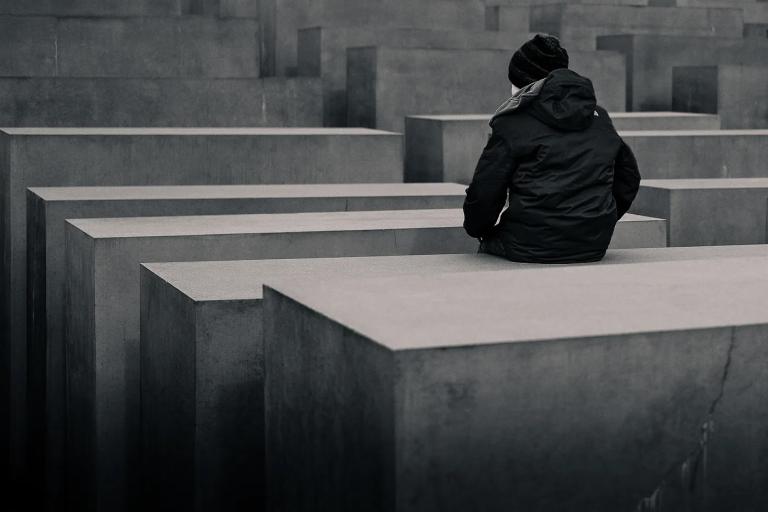
Photo by Moritz Schumacher on Unsplash
In America’s diverse and complex society, the concepts of honor and shame are more than just abstract ideas; they’re woven into the very fabric of American culture. While these dynamics are often subtle and implicit, they significantly influence our behavior, social norms, and individual self-perception.
Take a closer look at how honor and shame manifest in various aspects of American life. Here are 10 ways.
-
Social Media and Public Perception
The digital age has amplified the impact of honor and shame, particularly through social media platforms. We’re witnessing a virtual stage where individuals seek validation and recognition. A “like,” a “share,” or a positive comment can boost one’s sense of status, while the opposite can lead to public shaming or even “cancel culture,” a modern form of ostracism. This phenomenon reflects a broader societal trend where public perception heavily dictates personal worth.
-
Academic and Professional Achievements
In an achievement-oriented society, academic success and professional accolades are paramount sources of honor. Prestigious job titles, degrees from renowned institutions, and high-profile achievements are often equated with personal value. However, this also means that failure or perceived underperformance in these arenas can lead to a deep sense of shame, impacting one’s self-esteem and social standing.
-
Sports and Athletic Competitions
Sports in America represent more than just games; they are a microcosm of society’s honor-shame dynamics. Victorious athletes and teams bask in the glory of their triumphs, often becoming revered figures. Conversely, defeat, poor sportsmanship, and underperformance can become sources of collective and personal shame.
-
Political and Ideological Affiliations
The polarization of politics in America has turned political affiliations into significant markers of honor or shame. Aligning with certain ideologies can confer a sense of moral high ground and belonging; opposing views are often met with contempt or ridicule. This division underscores the profound impact of political and ideological identities on our sense of honor and shame.
-
Celebrity Culture and Entertainment
In America’s celebrity-driven culture, fame and public adoration are potent sources of honor. However, the public’s fascination with celebrities also means that their downfalls are often subjects of intense scrutiny and public shaming, reflecting the transient nature of honor in the public eye.
-
Economic Success and Consumerism
Wealth and material success are held in high regard and often seen as symbols of personal achievement and social worth. Yet, there’s a darker side to this narrative–– poverty and financial struggles can be unfairly stigmatized, leading to a sense of shame and social exclusion.
-
Cultural and Ethnic Identity
The rich tapestry of cultures and ethnicities in America can be a source of immense pride and honor. However, instances of racism and discrimination reveal that certain identities can be unjustly linked with shame, highlighting the ongoing challenges of inequality and bias.
-
Military Service
Military service in America is esteemed as a noble and honorable sacrifice for the nation. But issues like veterans’ mental health and homelessness point to a social failure to adequately honor those who served, creating a dichotomy between the respect for service and the shame of neglect.
-
Legal and Criminal Justice System
Adherence to the law is respected and honored, while involvement in the criminal justice system, whether justly or unjustly, often carries a stigma and shame, reflecting social views about crime and punishment.
-
Community Service and Philanthropy
Engaging in community service and philanthropy is highly respected; it’s seen to reflect one’s commitment to social welfare and ethical values. This aspect of American culture underscores the belief in giving back and making a positive impact.
Conclusion
Understanding the nuances of honor and shame in American culture offers valuable insights into our societal structure and individual behaviors. It challenges us to reflect on how these dynamics shape our perceptions and interactions, encouraging a more empathetic and inclusive approach to our diverse society.
Today, or this week, have a conversation with a friend or family member to consider where you see honor-shame dynamics at work around you and in your church.
Relationships and Religion
Politics and Religion
Previous Post

March 5, 2024
How Do Western, Individualist Churches Shape Identity?
Next Post

March 19, 2024 When Cultural Identity Becomes Sacred
Browse Our Archives
Select a Category Atonement Biblical Theology Book Reviews China Chinese Church Chinese Culture Chinese Language Collectivism Contextualization Culture (General) Ecclesiology Evangelism Gospel Honor & Shame (Face) Interpretation/Exegesis Justification/Righteousness Missiology Mission Methods One Gospel for All Nations Other Practical Contextualization Reading Romans with Eastern Eyes Resources Romans Salvation (General) Saving God's Face Seeking God's Face The Cross in Context Theological Contextualization Theological Education Theology Uncategorized
Select a Month October 2026 September 2026 August 2026 July 2026 June 2026 May 2026 April 2026 March 2026 February 2026 January 2026 December 2025 November 2025 October 2025 September 2025 August 2025 July 2025 June 2025 May 2025 April 2025 March 2025 February 2025 January 2025 December 2024 November 2024 October 2024 September 2024 August 2024 July 2024 June 2024 May 2024 April 2024 March 2024 February 2024 January 2024 December 2023 November 2023 October 2023 September 2023 August 2023 July 2023 June 2023 May 2023 April 2023 March 2023 February 2023 January 2023 December 2022 November 2022 October 2022 September 2022 August 2022 July 2022 June 2022 May 2022 April 2022 March 2022 February 2022 January 2022 December 2021 November 2021 October 2021 September 2021 August 2021 July 2021 June 2021 May 2021 April 2021 March 2021 February 2021 January 2021 December 2020 November 2020 October 2020 September 2020 August 2020 July 2020 June 2020 May 2020 April 2020 March 2020 February 2020 January 2020 December 2019 November 2019 October 2019 September 2019 August 2019 July 2019 June 2019 May 2019 April 2019 March 2019 February 2019 January 2019 December 2018 November 2018 October 2018 September 2018 August 2018 July 2018 June 2018 May 2018 April 2018 March 2018 February 2018 January 2018 December 2017 November 2017 October 2017 September 2017 August 2017 July 2017 June 2017 May 2017 April 2017 March 2017 February 2017 January 2017 December 2016 November 2016 October 2016 September 2016 August 2016 July 2016 June 2016 May 2016 April 2016 March 2016 February 2016 January 2016 December 2015 November 2015 October 2015 September 2015 August 2015 July 2015 June 2015 May 2015 April 2015 March 2015 February 2015 January 2015 December 2014 November 2014 October 2014 September 2014 August 2014 July 2014 June 2014 May 2014 April 2014 March 2014 February 2014 January 2014 December 2013 November 2013 October 2013 September 2013 August 2013 July 2013 June 2013 May 2013 April 2013 March 2013 February 2013 January 2013 December 2012 November 2012
Follow Us!
TAKE THE
Religious Wisdom Quiz
How many brothers did Joseph have?
Select your answer to see how you score.
Five One Eleven Two
Books by This Author Books by Brad Vaughn
Related posts from Saving God's Face

No King forgets his crown. Why do we?

Recovering Moral Vision Between Shame and Shamelessness

America’s Crisis Is Deeper Than Politics

Refuge, Confession, and the End of Shame
TRENDING AT PATHEOS Evangelical

The Problem with False Prophets
Miller’s Station UMC| 10/18/26| Anchor Verse: Jeremiah 23: 1, 9-23 I...

Emotion in Early Christianity by Andrew Crislip
Andrew Crislip’s Emotion in Early Christianity examines an often overlooked dimension of...

16 Spiritual Touchstones for a More Grounded Life
After decades of spiritual study, here are 16 principles I try...

Catholic Evangelization: Sharing Your Faith Every Day
Welcome back to the Graceful Awakening mini-series called, “From Faith to Mission.” ...

The Pillar of the Boatmen: the Ancient Monument...
The Pillar of the Boatmen is a Romano-Gaulish sculpture that dates from...

In one sense walking into Westminster Abbey is like walking down the...
view all Evangelical blogs
Ad-Free & Subscriber Log-In Subscription Support
- About Us
- 2026 Calendar
- Videos
- Podcasts
- Library of World Religions
- Faith In Media Tracker
- Advertise With Us
- Write for Us
- Privacy Policy
- Terms of Service
- Do Not Sell My Data
- Contact Us
- Radiant Digital
- Manage Newsletter Subscriptions
- Unsubscribe From Notifications
- Sitemap
Copyright 2008-2026, Patheos. All rights reserved.
Subscription Support Ad-Free & Subscriber Log-In
Follow Patheos