
BuddhistCatholicContemplativeEvangelicalGeneral ChristianHinduJewishLatter-day SaintMuslimNew VisionsProgressive Christian
Beliefs
- Buddhist
- Catholic
- Contemplative
- Evangelical
- General Christian
- Hindu
- Jewish
- Latter-day Saint
- More Voices
- Muslim
- New Visions
- Pagan
- Progressive Christian
Topics
- Religion News
- Food and Religion
- Sports and Religion
- Religious Art
- Religious Music and Entertainment
- Religious Events
- History and Religion
- Style and Religion
- Politics and Religion
- Women in Religion
- Recreation Outdoors and Religion
- Business Finance and Religion
- Careers Workplace and Religion
- Education and Religion
- Family Parenting and Religion
- Health Fitness and Religion
- Home and Religion
- Relationships and Religion
- Technology and Religion
- Travel and Religion
Columnists
- Buddhist Columnists
- Business Finance and Religion Columnists
- Careers Workplace and Religion Columnists
- Catholic Columnists
- Contemplative Columnists
- Education and Religion Columnists
- Evangelists Columnists
- Family Parenting and Religion Columnists
- General Christian Columnists
- Health Fitness and Religion Columnists
- Hindu Columnists
- History and Religion Columnists
- Home and Religion Columnists
- Jewish Columnists
- More Voices Columnists
- Latter Day Columnists
- Muslim Columnists
- New Visions Columnists
- Nonreligious Columnists
- Pagan Columnists
- Politics and Religion Columnists
- Progressive Columnists
- Recreation Outdoors and Religion Columnists
- Relationships and Religion Columnists
- Religion News Columnists
- Religious Art Columnists
- Religious Events Columnists
- Religious Music and Entertainment Columnists
- Sports and Religion Columnists
- Style and Religion Columnists
- Technology and Religion Columnists
- Travel and Religion Columnists
- Women in Religion Columnists
Resource Library
- 2026 Calendar
- Library of World Religions
- The 100 Most Holy Places on Earth
- Patheos Answers
- Podcasts
- Videos
- Faith Leaders Database
- Anglican Episcopalian
- Bahai
- Baptist
- Buddhism
- Christianity
- Confucianism
- Eastern Orthodoxy
- Hinduism
- Holiness and Pentecostal
- ISKCON
- Islam
- Judaism
- Lutheran
- Methodist
- The Church of Jesus Christ of Latter-day Saints
- New Age
- Paganism
- Presbytarian and Reformed
- Protestantism
- Religion Behind the Scenes
- Roman Catholic
- Scientology
- Shia Islam
- Sikhism
- Sufism
- Sunni Islam
- Taoism
- Zen
- See all religions
Research Tools
 Ad-Free & Subscriber Log-In Subscription Support
Ad-Free & Subscriber Log-In Subscription Support
Follow Patheos 

- Trending:
- Forgiveness
- |
- Marriage
- |
- Consciousness
- |
- Death Penalty
- |
- Election
- |
- Halloween

-
Tools
-
Support the Work
- Home
- Evangelical
- “It’s only sin if people find out”
“It’s only sin if people find out”
Last updated on: May 19, 2020 at 3:00 pm by Brad Vaughn
“It’s only sin if people find out” 2020-05-13T07:04:03-07:00 Brad Vaughn
Patheos Explore the world's faith through different perspectives on religion and spirituality! Patheos has the views of the prevalent religions and spiritualities of the world.
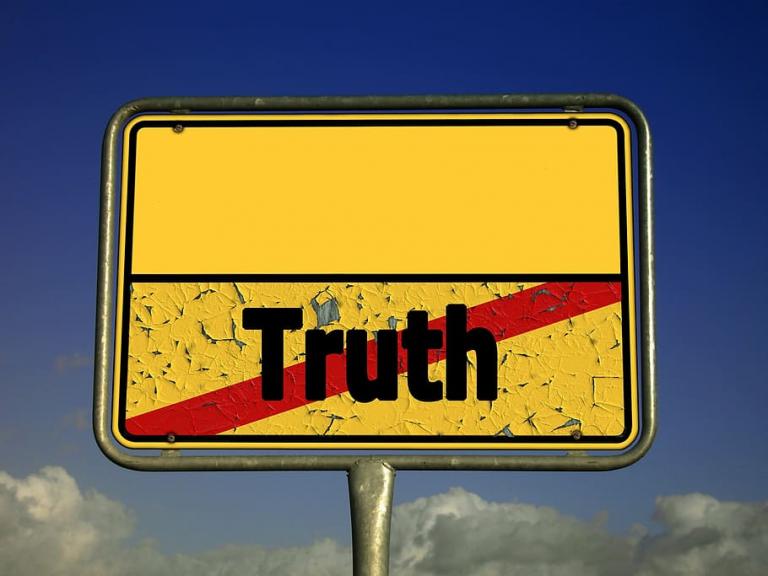
Credit: www.wallpaperflare.com
A common objection emerges when I speak of using honor and shame in evangelism and theology. In short, some people assume that honor-shame oriented cultures relativize sin such that “sin isn’t really sin as long as it is hidden from view.” This impression is a misapplication of a half-true idea. I’ll explain.
What’s the hidden half-truth?
In what ways is there truth in the notion that “sin that is hidden isn’t regarded as a sin” (from an honor-shame perspective)?
-
Sensitivity to Sin
First, the partial truth of the claim lies in the consciousness of or sensitivity to sin that many people have. In other words, the right or wrongness of certain behaviors might not rise to the forefront of people’s minds until that action is made public. At that time, they are forced to think about what the behavior actually looks like.
An analogous situation comes from daily life. Imagine your spouse or children have done something wrong or that you find offensive. Perhaps they don’t grasp your meaning. So, you say to them, “Well, look at it from my perspective….” You explain your viewpoint and the implications of their actions. We then follow up, “Now can you see why it’s wrong?” It may only be at that point that they discern the wrong they’ve done.
-
“Social” Sins
The statement has “truth” in a second respect: people are far more sensitive to blatant “social” sins than what might be regarded as “private” sins. As a general rule, a person is mindful not to disrespect certain authorities or engage in some taboo behavior. In every culture, people psychologically distinguish how they view an array of sins. Regardless of whether we think such distinctions are theologically warranted, people do in fact make them. That is true in guilt-innocence cultures, honor-shame cultures, and any other type of culture.
What the claim gets wrong
There is a more fundamental problem with the idea that people from honor-shame cultures think that “sin isn’t really sin as long as it is hidden from view.” The error consists in the suggestion that people in honor-shame cultures do not think some things are right and other things are wrong. That is patently false.
People do feel a sense of inward shame when they do what they know is wrong or deem as harmful to others. (Keep in mind that we are currently speaking about morality in general, within a broader culture, not certain moral commands specifically related to God.)
Another problem concerns the selective nature of the claim. I have known cross-cultural workers say something to this effect: “I often hear (non-Western) pastors say how surprised they are to hear that impatience, ingratitude, and anxiety are sin.” This surprise is then taken as confirmation that “sin isn’t really sin as long as it is hidden from view.”
Given what I’ve said above, this conclusion is unwarranted. The reason(s) people might not see impatience, ingratitude, anxiety, among other “invisible” attitudes as sin could well be the same reason Americans frequently do not see them as sin. First, they do not read their Bible close enough. Second, they rank sins such that stealing is “really sin,” but other attitudes (like not having joy) is considered a minor fault or, perhaps, a mere personality flaw.
What the claim really highlights
What is the underlying cultural value that leads to the misimpression that honor-shame cultures regard as “sin” only that which is made public? If anything, it shows that people from these contexts understand the personal nature of sin (i.e., wrongness).
Sin is not an abstraction. It corrupts relationships. It breeds disharmony. Ultimately, they know the importance of relationships. They might not discern how their actions relate to God (as is true of non-believers everywhere). Yet, they grasp the much of what’s evil about sin in ways that Westerners still don’t get.
Previous Post

May 13, 2020
8 Ways to Help Returning Missionaries
Next Post
May 25, 2020 Are high infection numbers a badge of honor?
Browse Our Archives
Select a Category Atonement Biblical Theology Book Reviews China Chinese Church Chinese Culture Chinese Language Collectivism Contextualization Culture (General) Ecclesiology Evangelism Gospel Honor & Shame (Face) Interpretation/Exegesis Justification/Righteousness Missiology Mission Methods One Gospel for All Nations Other Practical Contextualization Reading Romans with Eastern Eyes Resources Romans Salvation (General) Saving God's Face Seeking God's Face The Cross in Context Theological Contextualization Theological Education Theology Uncategorized
Select a Month October 2026 September 2026 August 2026 July 2026 June 2026 May 2026 April 2026 March 2026 February 2026 January 2026 December 2025 November 2025 October 2025 September 2025 August 2025 July 2025 June 2025 May 2025 April 2025 March 2025 February 2025 January 2025 December 2024 November 2024 October 2024 September 2024 August 2024 July 2024 June 2024 May 2024 April 2024 March 2024 February 2024 January 2024 December 2023 November 2023 October 2023 September 2023 August 2023 July 2023 June 2023 May 2023 April 2023 March 2023 February 2023 January 2023 December 2022 November 2022 October 2022 September 2022 August 2022 July 2022 June 2022 May 2022 April 2022 March 2022 February 2022 January 2022 December 2021 November 2021 October 2021 September 2021 August 2021 July 2021 June 2021 May 2021 April 2021 March 2021 February 2021 January 2021 December 2020 November 2020 October 2020 September 2020 August 2020 July 2020 June 2020 May 2020 April 2020 March 2020 February 2020 January 2020 December 2019 November 2019 October 2019 September 2019 August 2019 July 2019 June 2019 May 2019 April 2019 March 2019 February 2019 January 2019 December 2018 November 2018 October 2018 September 2018 August 2018 July 2018 June 2018 May 2018 April 2018 March 2018 February 2018 January 2018 December 2017 November 2017 October 2017 September 2017 August 2017 July 2017 June 2017 May 2017 April 2017 March 2017 February 2017 January 2017 December 2016 November 2016 October 2016 September 2016 August 2016 July 2016 June 2016 May 2016 April 2016 March 2016 February 2016 January 2016 December 2015 November 2015 October 2015 September 2015 August 2015 July 2015 June 2015 May 2015 April 2015 March 2015 February 2015 January 2015 December 2014 November 2014 October 2014 September 2014 August 2014 July 2014 June 2014 May 2014 April 2014 March 2014 February 2014 January 2014 December 2013 November 2013 October 2013 September 2013 August 2013 July 2013 June 2013 May 2013 April 2013 March 2013 February 2013 January 2013 December 2012 November 2012
Follow Us!
TAKE THE
Religious Wisdom Quiz
What was Ezra's profession?
Select your answer to see how you score.
Soldier Farmer Priest Scribe
Books by This Author Books by Brad Vaughn
Related posts from Saving God's Face

No King forgets his crown. Why do we?

Recovering Moral Vision Between Shame and Shamelessness

Refuge, Confession, and the End of Shame

Psalm 25 and the Fear of Being Put...
TRENDING AT PATHEOS Evangelical

Letters on Living the Faith by C.S. Lewis
Most of us met C.S. Lewis as a public intellectual. Mere Christianity....

When Halloween Unmasks Married Hearts
Written by Dr. David K. Ewen from Eternal Truth Bible College Behind...

Aristotle. He’s been called the father of logic, the father of the...

Methodist Central Hall and Westminster Abbey
Situated on the same square is Methodist Central Hall and Westminster Abbey. ...

57th Dove Awards Honor Dolly Parton, Crown New...
On gospel music’s biggest night, the 57th annual GMA Dove Awards honored...

The First Eucharistic Controversy: Christ’s Real Presence
For Catholics, the Eucharist is the source and summit of the Christian...
view all Evangelical blogs
Ad-Free & Subscriber Log-In Subscription Support
- About Us
- 2026 Calendar
- Videos
- Podcasts
- Library of World Religions
- Faith In Media Tracker
- Advertise With Us
- Write for Us
- Privacy Policy
- Terms of Service
- Do Not Sell My Data
- Contact Us
- Radiant Digital
- Manage Newsletter Subscriptions
- Unsubscribe From Notifications
- Sitemap
Copyright 2008-2026, Patheos. All rights reserved.
Subscription Support Ad-Free & Subscriber Log-In
Follow Patheos