
BuddhistCatholicContemplativeEvangelicalGeneral ChristianHinduJewishLatter-day SaintMuslimNew VisionsProgressive Christian
Beliefs
- Buddhist
- Catholic
- Contemplative
- Evangelical
- General Christian
- Hindu
- Jewish
- Latter-day Saint
- More Voices
- Muslim
- New Visions
- Pagan
- Progressive Christian
Topics
- Religion News
- Food and Religion
- Sports and Religion
- Religious Art
- Religious Music and Entertainment
- Religious Events
- History and Religion
- Style and Religion
- Politics and Religion
- Women in Religion
- Recreation Outdoors and Religion
- Business Finance and Religion
- Careers Workplace and Religion
- Education and Religion
- Family Parenting and Religion
- Health Fitness and Religion
- Home and Religion
- Relationships and Religion
- Technology and Religion
- Travel and Religion
Columnists
- Buddhist Columnists
- Business Finance and Religion Columnists
- Careers Workplace and Religion Columnists
- Catholic Columnists
- Contemplative Columnists
- Education and Religion Columnists
- Evangelists Columnists
- Family Parenting and Religion Columnists
- General Christian Columnists
- Health Fitness and Religion Columnists
- Hindu Columnists
- History and Religion Columnists
- Home and Religion Columnists
- Jewish Columnists
- More Voices Columnists
- Latter Day Columnists
- Muslim Columnists
- New Visions Columnists
- Nonreligious Columnists
- Pagan Columnists
- Politics and Religion Columnists
- Progressive Columnists
- Recreation Outdoors and Religion Columnists
- Relationships and Religion Columnists
- Religion News Columnists
- Religious Art Columnists
- Religious Events Columnists
- Religious Music and Entertainment Columnists
- Sports and Religion Columnists
- Style and Religion Columnists
- Technology and Religion Columnists
- Travel and Religion Columnists
- Women in Religion Columnists
Resource Library
- 2026 Calendar
- Library of World Religions
- The 100 Most Holy Places on Earth
- Patheos Answers
- Podcasts
- Videos
- Faith Leaders Database
- Anglican Episcopalian
- Bahai
- Baptist
- Buddhism
- Christianity
- Confucianism
- Eastern Orthodoxy
- Hinduism
- Holiness and Pentecostal
- ISKCON
- Islam
- Judaism
- Lutheran
- Methodist
- The Church of Jesus Christ of Latter-day Saints
- New Age
- Paganism
- Presbytarian and Reformed
- Protestantism
- Religion Behind the Scenes
- Roman Catholic
- Scientology
- Shia Islam
- Sikhism
- Sufism
- Sunni Islam
- Taoism
- Zen
- See all religions
Research Tools
 Ad-Free & Subscriber Log-In Subscription Support
Ad-Free & Subscriber Log-In Subscription Support
Follow Patheos 

- Trending:
- Forgiveness
- |
- Marriage
- |
- Consciousness
- |
- Death Penalty
- |
- Election
- |
- Halloween

-
Tools
-
Support the Work
- Home
- Evangelical
- Why Westerners Don’t See Shame as a Virtue
Why Westerners Don’t See Shame as a Virtue
Last updated on: December 11, 2019 at 12:24 am by Brad Vaughn
Why Westerners Don’t See Shame as a Virtue 2019-10-15T01:18:29-07:00 Brad Vaughn
Patheos Explore the world's faith through different perspectives on religion and spirituality! Patheos has the views of the prevalent religions and spiritualities of the world.
Why does shame have a bad name in the West, yet Confucian societies regard shame as essential for morality? We explore this question in Part Three of my “interview” with Bongrae Seok’s Moral Psychology of Confucian Shame: Shame of Shamelessness (MPCS).
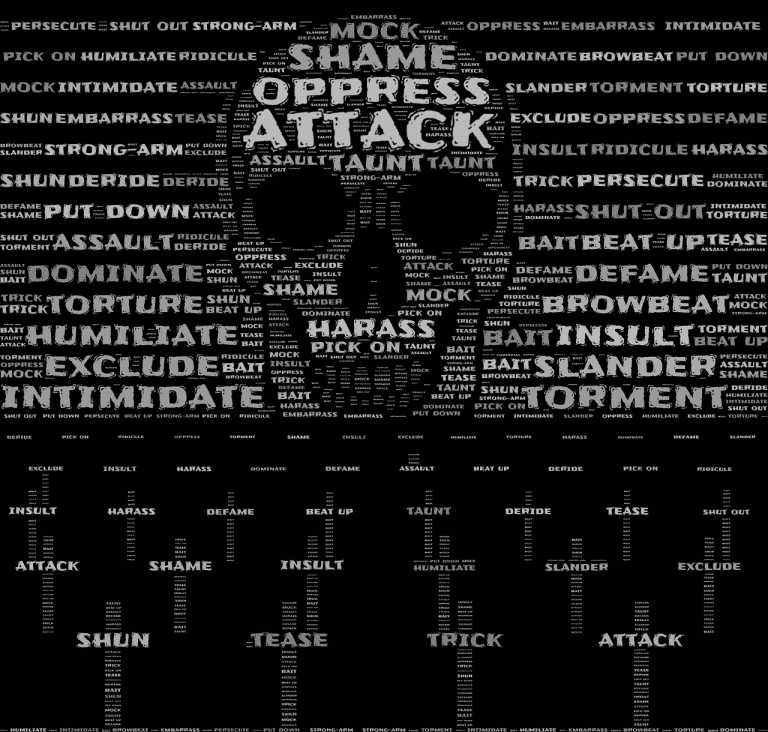
Credit: Public Domain
In Part One, we considered why Confucian shame is a “moral emotion” whereby one internalizes virtues or goals. Part Two distinguished 3 features of “moral shame.”
Who’s responsible for stuff in my life?
JWu: In the previous post, you suggested that Westerners view shame negatively because they have a different understanding of the “self.” We need to unpack this further.
In Western culture, “autonomous individuals” believe in “internal attribution.” In Confucian culture, people believe more in “external attribution.” Define what you mean so we can then understand why this observation matters?
MPCS:
External attribution characterizes most collectivist cultures: “…as a result, the sense of moral agency, specifically the moral responsibility of an individual agent for her action, tends to be diffused with and deferred to other people or external environments, some of which are considered uncontrollable external contingencies” (p. 72).
For Westerners with “internal attribution”, they think, “Why did X happen to you? X happened because of my action or decision” (p. 71).
“[S]ocieties in which external attribution is a common mode of folk psychological explanation, shame is a dominant moral force—it is more frequently used to describe and regulate moral violations and social failures than guilt. In contrast, guilt is a dominant psychological mechanism to deal with moral violations in a culture in which internal attribution is common” (p. 71).
Is shame “dangerous”?
JWu: Why then does shame tend to be regarded as “dangerous” in the West?
MPCS:
According to psychologists, “particularly, strong inner attribution patterns found in most Western societies show that people in Western cultures understand their selves as something that cannot be easily transformed by external contingencies because their inner selves are understood as fully consolidated inner causes and authorities of their actions and dispositions. For this reason, challenging the inner foundation of a person or inspiring a transformative change in her character often generates negative and depressive consequences,” (p. 149).
“Once moral responsibility is clearly located in the mind or upon the shoulders of a moral agent (with internal attribution), there is no urgency to confront, condemn, or embarrass an agent again to the cost of endangering the integrity of the whole person. Therefore, shame, under internal attribution, tends to become an overly negative and burdensome emotion because, unlike guilt, shame places self-critical pressure on the whole self (not part of the self)” (p. 72).
JWu: Shame feels like the ultimate attack on one’s identity where believe affirm “internal attribution.” However, when we see ourselves as more interconnected to others, shame can have a more constructive influence. Is that right?
MPCS:
“[S]hame plays more active and positive moral roles in cultures where external attribution is dominant. To support and develop moral virtue and moral responsibility, it is important and necessary to confront one’s inner self, not just one’s action or its external conditions, because discrete and individual moral responsibility is not clearly assigned and recognized in external patterns of attribution” (p. 73).
JWu: So, shame recognizes the role of the community in shaping and enforcing moral norms, as if admitting that individuals by themselves need community to live up to ideals?
MPCS:
“…under the externalist orientations of collectivist culture, it is necessary to develop some form of inner moral consciousness and individual responsibility to uphold cooperative moral awareness, which is critical to communal human life.
Perhaps moral shame serves this special need within the social orientations of collectivist cultures where moral responsibility is diffusely distributed to environmental contingencies. Shame fills this gap (or lapse) of moral responsibility generated by external attribution to satisfy the need to support morality and social cohesion” (p. 73).
Shame is a meta-virtue
JWu: Finally, you emphasize the point that Confucian shame is a meta-virtue. What do you mean?
MPCS:
“If a virtue supports, facilitates, or develops other virtues, it is a meta-virtue. A meta-virtue is not a disposition of actions or feelings but a disposition of a disposition of actions or feelings” (p. 148).
“…a virtue is needed not only for the formative development of character traits but also for the transformative or innovative change of the whole self. To support comprehensive and transformative change of the whole self and to sustain the continuous motivation for self-cultivation, an ordinary virtue is not enough” (p. 148).
“That is, the transformative process of self-renovation requires a strong reflective force that only virtues at a metalevel can provide” (pp. 148-149).
JWu: What if a person has no sense of shame? How might we think of a “shameless” person?
MPCS:
“A moral agent without shame, according to Confucius, is a person who simply follows laws (codes of conduct) blindly or selfishly to avoid external sanctions and punishments without any motivation to improve herself (Analects, 13.20)” (p. 150).
Previous Post

December 4, 2019
3 Features of Moral Shame
Next Post
December 11, 2019 Look who won Christianity Today's 2020 book awards!
Browse Our Archives
Select a Category Atonement Biblical Theology Book Reviews China Chinese Church Chinese Culture Chinese Language Collectivism Contextualization Culture (General) Ecclesiology Evangelism Gospel Honor & Shame (Face) Interpretation/Exegesis Justification/Righteousness Missiology Mission Methods One Gospel for All Nations Other Practical Contextualization Reading Romans with Eastern Eyes Resources Romans Salvation (General) Saving God's Face Seeking God's Face The Cross in Context Theological Contextualization Theological Education Theology Uncategorized
Select a Month October 2026 September 2026 August 2026 July 2026 June 2026 May 2026 April 2026 March 2026 February 2026 January 2026 December 2025 November 2025 October 2025 September 2025 August 2025 July 2025 June 2025 May 2025 April 2025 March 2025 February 2025 January 2025 December 2024 November 2024 October 2024 September 2024 August 2024 July 2024 June 2024 May 2024 April 2024 March 2024 February 2024 January 2024 December 2023 November 2023 October 2023 September 2023 August 2023 July 2023 June 2023 May 2023 April 2023 March 2023 February 2023 January 2023 December 2022 November 2022 October 2022 September 2022 August 2022 July 2022 June 2022 May 2022 April 2022 March 2022 February 2022 January 2022 December 2021 November 2021 October 2021 September 2021 August 2021 July 2021 June 2021 May 2021 April 2021 March 2021 February 2021 January 2021 December 2020 November 2020 October 2020 September 2020 August 2020 July 2020 June 2020 May 2020 April 2020 March 2020 February 2020 January 2020 December 2019 November 2019 October 2019 September 2019 August 2019 July 2019 June 2019 May 2019 April 2019 March 2019 February 2019 January 2019 December 2018 November 2018 October 2018 September 2018 August 2018 July 2018 June 2018 May 2018 April 2018 March 2018 February 2018 January 2018 December 2017 November 2017 October 2017 September 2017 August 2017 July 2017 June 2017 May 2017 April 2017 March 2017 February 2017 January 2017 December 2016 November 2016 October 2016 September 2016 August 2016 July 2016 June 2016 May 2016 April 2016 March 2016 February 2016 January 2016 December 2015 November 2015 October 2015 September 2015 August 2015 July 2015 June 2015 May 2015 April 2015 March 2015 February 2015 January 2015 December 2014 November 2014 October 2014 September 2014 August 2014 July 2014 June 2014 May 2014 April 2014 March 2014 February 2014 January 2014 December 2013 November 2013 October 2013 September 2013 August 2013 July 2013 June 2013 May 2013 April 2013 March 2013 February 2013 January 2013 December 2012 November 2012
Follow Us!
TAKE THE
Religious Wisdom Quiz
What holiday celebrates Jesus’ birth?
Select your answer to see how you score.
Christmas Ascension Day Easter Good Friday
Books by This Author Books by Brad Vaughn
Related posts from Saving God's Face

No King forgets his crown. Why do we?

Recovering Moral Vision Between Shame and Shamelessness

Refuge, Confession, and the End of Shame

Psalm 25 and the Fear of Being Put...
TRENDING AT PATHEOS Evangelical

A new article, written by Jeff Lindsay and Gale L. Pooley,...

Swimfan: Forgotten Aughts Pleasures
This is a recovery effort. In 2002, My Big Fat Greek Wedding...

Top Three Anti-Catholic Lies About Catholicism
This is my initial transcript for the video, "THE 3 WORST...

Pope Leo Celebrates Mass for Nurses & Docs...
I don't have any idea how he did it, but Pope Leo...

The Sermon on the Mount, Part I: Matthew...
The Sermon on the Mount, Part I (Matthew 4:12-5:12) St. Matthew moves...

What's up from Crossway: Reviewing some of their latest A few weeks...
view all Evangelical blogs
Ad-Free & Subscriber Log-In Subscription Support
- About Us
- 2026 Calendar
- Videos
- Podcasts
- Library of World Religions
- Faith In Media Tracker
- Advertise With Us
- Write for Us
- Privacy Policy
- Terms of Service
- Do Not Sell My Data
- Contact Us
- Radiant Digital
- Manage Newsletter Subscriptions
- Unsubscribe From Notifications
- Sitemap
Copyright 2008-2026, Patheos. All rights reserved.
Subscription Support Ad-Free & Subscriber Log-In
Follow Patheos