
BuddhistCatholicContemplativeEvangelicalGeneral ChristianHinduJewishLatter-day SaintMuslimNew VisionsProgressive Christian
Beliefs
- Buddhist
- Catholic
- Contemplative
- Evangelical
- General Christian
- Hindu
- Jewish
- Latter-day Saint
- More Voices
- Muslim
- New Visions
- Pagan
- Progressive Christian
Topics
- Religion News
- Food and Religion
- Sports and Religion
- Religious Art
- Religious Music and Entertainment
- Religious Events
- History and Religion
- Style and Religion
- Politics and Religion
- Women in Religion
- Recreation Outdoors and Religion
- Business Finance and Religion
- Careers Workplace and Religion
- Education and Religion
- Family Parenting and Religion
- Health Fitness and Religion
- Home and Religion
- Relationships and Religion
- Technology and Religion
- Travel and Religion
Columnists
- Buddhist Columnists
- Business Finance and Religion Columnists
- Careers Workplace and Religion Columnists
- Catholic Columnists
- Contemplative Columnists
- Education and Religion Columnists
- Evangelists Columnists
- Family Parenting and Religion Columnists
- General Christian Columnists
- Health Fitness and Religion Columnists
- Hindu Columnists
- History and Religion Columnists
- Home and Religion Columnists
- Jewish Columnists
- More Voices Columnists
- Latter Day Columnists
- Muslim Columnists
- New Visions Columnists
- Nonreligious Columnists
- Pagan Columnists
- Politics and Religion Columnists
- Progressive Columnists
- Recreation Outdoors and Religion Columnists
- Relationships and Religion Columnists
- Religion News Columnists
- Religious Art Columnists
- Religious Events Columnists
- Religious Music and Entertainment Columnists
- Sports and Religion Columnists
- Style and Religion Columnists
- Technology and Religion Columnists
- Travel and Religion Columnists
- Women in Religion Columnists
Resource Library
- 2026 Calendar
- Library of World Religions
- The 100 Most Holy Places on Earth
- Patheos Answers
- Podcasts
- Videos
- Faith Leaders Database
- Anglican Episcopalian
- Bahai
- Baptist
- Buddhism
- Christianity
- Confucianism
- Eastern Orthodoxy
- Hinduism
- Holiness and Pentecostal
- ISKCON
- Islam
- Judaism
- Lutheran
- Methodist
- The Church of Jesus Christ of Latter-day Saints
- New Age
- Paganism
- Presbytarian and Reformed
- Protestantism
- Religion Behind the Scenes
- Roman Catholic
- Scientology
- Shia Islam
- Sikhism
- Sufism
- Sunni Islam
- Taoism
- Zen
- See all religions
Research Tools
 Ad-Free & Subscriber Log-In Subscription Support
Ad-Free & Subscriber Log-In Subscription Support
Follow Patheos 

- Trending:
- Forgiveness
- |
- Marriage
- |
- Consciousness
- |
- Death Penalty
- |
- Election
- |
- Halloween

-
Tools
-
Support the Work
- Home
- Evangelical
- How Biblical Theology Alters Current Mission Practice
How Biblical Theology Alters Current Mission Practice
Last updated on: September 25, 2019 at 10:42 am by Brad Vaughn
How Biblical Theology Alters Current Mission Practice 2019-09-25T10:42:49-07:00 Brad Vaughn
Patheos Explore the world's faith through different perspectives on religion and spirituality! Patheos has the views of the prevalent religions and spiritualities of the world.
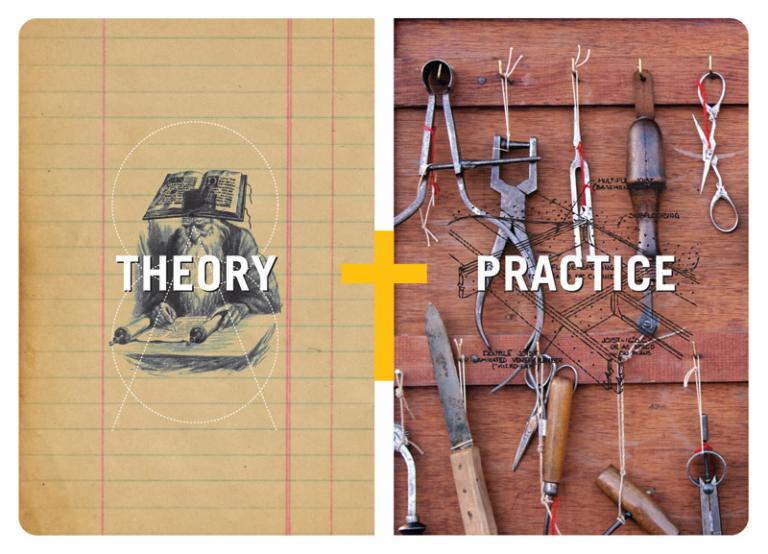
This is the second part of my interview with Scott Callaham, Lecturer of Hebrew and Old Testament at Baptist Theological Seminary in Singapore. I previously spotlighted his work one writing worship songs in Chinese and his article about teaching Hebrew in Chinese. Click here for Part One.
In the interview, I ask Scott about a book he co-edited (along with Will Brooks) titled World Mission: Theology, Strategy, and Current Issues (Lexham, 2019). I briefly introduced it in a previous post.
JW: The final section discusses current issues. Why call them “current”?
SC: We believe that the chapters in this section indeed address “current” issues in world mission. These topics have always been current and always will be. Therefore, these chapters will not go out of date. Precisely because they don’t chase trends, they address areas that are perennially under-theologized.
Biblical theology must drive both strategy and mission practice.
JW: How should an unrelenting focus on biblical theology alter common missionary practices today?
SC: First, I’d just like to say that we are grateful that you contributed a fascinating chapter in this section on “Biblical Theology for Oral Cultures in World Mission.” I’ll let you discuss the implications of your work yourself, perhaps in another post.
For now, I’ll briefly highlight the remaining chapters. The first in the “current issues” section addresses the dynamic of language with respect to carrying out the Great Commission. As far as we know, there is no comparable work elsewhere. Missionaries must think theologically about the languages of the message (the Bible), the language of the messengers (their own native tongue), and the language of the community they hope to reach (that of the host people).
The language component of the Great Commission task requires that missionaries be communicators of God’s word. However, popular and widespread contemporary methods of missionary language learning are influenced by folk linguistics theories. They don’t evidence design toward the sacred missionary task. They might even inhibit the missionary’s ability to read the Bible by neglecting training in literacy skills.
JW: You talk about local languages, but what about using biblical languages?
SC: The next chapter advocates for grammatical-historical exegesis, which must be part of world mission practice. Some critics think grammatical-historical exegesis is an abstract, philosophical construct, laden with the superseded culture-bound presuppositions of the West. Far from it!
Grammatical-historical exegesis is the means by which contemporary missionaries can develop greatest confidence in knowing the God they worship and the gospel message they must preach. Furthermore, fostering a grammatical-historical exegetical approach through discipleship is vital for the health of new churches.
Grammatical-historical exegesis facilitates guiding the local church away from consulting the missionary as a perceived authority. Instead, we want church to depend upon Scripture alone as fully authoritative and sufficient.
JW: I haven’t mentioned church planting yet. How does Paul influence our planting churches?
SC: Our final chapter profiles Paul as a model for mission practice. This chapter is a necessary, crowning chapter to the central argument of the book.
We need to consider all of Paul’s life and the teaching of all of his epistles. Otherwise, individual episodes in Paul’s missionary work can appear to ratify nearly any mission practice. Accordingly, some have a grossly unbalanced emphasis upon Paul’s speed of church planting. They allege that Paul had a desire to leave newly planted churches as soon as possible. Worse, some people could pit Jesus and Paul against each other in a misguided attempt to explain away elements of Paul’s missionary work.
So, this chapter updates an important ongoing theological conversation about the first apostle to the gentiles for those who follow in his footsteps.
JW: This is an extraordinarily well-rounded book. What do you hope will result from the publication of World Mission?
SC: We pray that God would prompt the church to thoroughly rethink how it obeys Jesus’s Great Commission, in the empowerment of the Holy Spirit, for the glory of God alone. We dare to believe that such a prompting can result in a serious reengagement and redeployment of the global church in world mission under the authority of the word of God.
Photo Credit: Flickr/gfes
Previous Post

September 18, 2019
Implications of Biblical Theology for Strategy in World Mission
Browse Our Archives
Select a Category Atonement Biblical Theology Book Reviews China Chinese Church Chinese Culture Chinese Language Collectivism Contextualization Culture (General) Ecclesiology Evangelism Gospel Honor & Shame (Face) Interpretation/Exegesis Justification/Righteousness Missiology Mission Methods One Gospel for All Nations Other Practical Contextualization Reading Romans with Eastern Eyes Resources Romans Salvation (General) Saving God's Face Seeking God's Face The Cross in Context Theological Contextualization Theological Education Theology Uncategorized
Select a Month October 2026 September 2026 August 2026 July 2026 June 2026 May 2026 April 2026 March 2026 February 2026 January 2026 December 2025 November 2025 October 2025 September 2025 August 2025 July 2025 June 2025 May 2025 April 2025 March 2025 February 2025 January 2025 December 2024 November 2024 October 2024 September 2024 August 2024 July 2024 June 2024 May 2024 April 2024 March 2024 February 2024 January 2024 December 2023 November 2023 October 2023 September 2023 August 2023 July 2023 June 2023 May 2023 April 2023 March 2023 February 2023 January 2023 December 2022 November 2022 October 2022 September 2022 August 2022 July 2022 June 2022 May 2022 April 2022 March 2022 February 2022 January 2022 December 2021 November 2021 October 2021 September 2021 August 2021 July 2021 June 2021 May 2021 April 2021 March 2021 February 2021 January 2021 December 2020 November 2020 October 2020 September 2020 August 2020 July 2020 June 2020 May 2020 April 2020 March 2020 February 2020 January 2020 December 2019 November 2019 October 2019 September 2019 August 2019 July 2019 June 2019 May 2019 April 2019 March 2019 February 2019 January 2019 December 2018 November 2018 October 2018 September 2018 August 2018 July 2018 June 2018 May 2018 April 2018 March 2018 February 2018 January 2018 December 2017 November 2017 October 2017 September 2017 August 2017 July 2017 June 2017 May 2017 April 2017 March 2017 February 2017 January 2017 December 2016 November 2016 October 2016 September 2016 August 2016 July 2016 June 2016 May 2016 April 2016 March 2016 February 2016 January 2016 December 2015 November 2015 October 2015 September 2015 August 2015 July 2015 June 2015 May 2015 April 2015 March 2015 February 2015 January 2015 December 2014 November 2014 October 2014 September 2014 August 2014 July 2014 June 2014 May 2014 April 2014 March 2014 February 2014 January 2014 December 2013 November 2013 October 2013 September 2013 August 2013 July 2013 June 2013 May 2013 April 2013 March 2013 February 2013 January 2013 December 2012 November 2012
Follow Us!
TAKE THE
Religious Wisdom Quiz
What mountain did Jesus ascend from into heaven?
Select your answer to see how you score.
Mount Sinai Mount of Olives Mount Zion Mount Carmel
Books by This Author Books by Brad Vaughn
Related posts from Saving God's Face

Why Christianity Needs Individuals but Rejects Individualism

Glory, Violence, and the Gospel of Peace
“I’ll be wherever you call me.”

Biblical Foundations for Local Embodiment
TRENDING AT PATHEOS Evangelical

Letters on Living the Faith by C.S. Lewis
Most of us met C.S. Lewis as a public intellectual. Mere Christianity....

When Halloween Unmasks Married Hearts
Written by Dr. David K. Ewen from Eternal Truth Bible College Behind...

Aristotle. He’s been called the father of logic, the father of the...

Methodist Central Hall and Westminster Abbey
Situated on the same square is Methodist Central Hall and Westminster Abbey. ...

57th Dove Awards Honor Dolly Parton, Crown New...
On gospel music’s biggest night, the 57th annual GMA Dove Awards honored...

The First Eucharistic Controversy: Christ’s Real Presence
For Catholics, the Eucharist is the source and summit of the Christian...
view all Evangelical blogs
Ad-Free & Subscriber Log-In Subscription Support
- About Us
- 2026 Calendar
- Videos
- Podcasts
- Library of World Religions
- Faith In Media Tracker
- Advertise With Us
- Write for Us
- Privacy Policy
- Terms of Service
- Do Not Sell My Data
- Contact Us
- Radiant Digital
- Manage Newsletter Subscriptions
- Unsubscribe From Notifications
- Sitemap
Copyright 2008-2026, Patheos. All rights reserved.
Subscription Support Ad-Free & Subscriber Log-In
Follow Patheos