
BuddhistCatholicContemplativeEvangelicalGeneral ChristianHinduJewishLatter-day SaintMuslimNew VisionsProgressive Christian
Beliefs
- Buddhist
- Catholic
- Contemplative
- Evangelical
- General Christian
- Hindu
- Jewish
- Latter-day Saint
- More Voices
- Muslim
- New Visions
- Pagan
- Progressive Christian
Topics
- Religion News
- Food and Religion
- Sports and Religion
- Religious Art
- Religious Music and Entertainment
- Religious Events
- History and Religion
- Style and Religion
- Politics and Religion
- Women in Religion
- Recreation Outdoors and Religion
- Business Finance and Religion
- Careers Workplace and Religion
- Education and Religion
- Family Parenting and Religion
- Health Fitness and Religion
- Home and Religion
- Relationships and Religion
- Technology and Religion
- Travel and Religion
Columnists
- Buddhist Columnists
- Business Finance and Religion Columnists
- Careers Workplace and Religion Columnists
- Catholic Columnists
- Contemplative Columnists
- Education and Religion Columnists
- Evangelists Columnists
- Family Parenting and Religion Columnists
- General Christian Columnists
- Health Fitness and Religion Columnists
- Hindu Columnists
- History and Religion Columnists
- Home and Religion Columnists
- Jewish Columnists
- More Voices Columnists
- Latter Day Columnists
- Muslim Columnists
- New Visions Columnists
- Nonreligious Columnists
- Pagan Columnists
- Politics and Religion Columnists
- Progressive Columnists
- Recreation Outdoors and Religion Columnists
- Relationships and Religion Columnists
- Religion News Columnists
- Religious Art Columnists
- Religious Events Columnists
- Religious Music and Entertainment Columnists
- Sports and Religion Columnists
- Style and Religion Columnists
- Technology and Religion Columnists
- Travel and Religion Columnists
- Women in Religion Columnists
Resource Library
- 2026 Calendar
- Library of World Religions
- The 100 Most Holy Places on Earth
- Patheos Answers
- Podcasts
- Videos
- Faith Leaders Database
- Anglican Episcopalian
- Bahai
- Baptist
- Buddhism
- Christianity
- Confucianism
- Eastern Orthodoxy
- Hinduism
- Holiness and Pentecostal
- ISKCON
- Islam
- Judaism
- Lutheran
- Methodist
- The Church of Jesus Christ of Latter-day Saints
- New Age
- Paganism
- Presbytarian and Reformed
- Protestantism
- Religion Behind the Scenes
- Roman Catholic
- Scientology
- Shia Islam
- Sikhism
- Sufism
- Sunni Islam
- Taoism
- Zen
- See all religions
Research Tools
 Ad-Free & Subscriber Log-In Subscription Support
Ad-Free & Subscriber Log-In Subscription Support
Follow Patheos 

- Trending:
- Forgiveness
- |
- Marriage
- |
- Consciousness
- |
- Death Penalty
- |
- Election
- |
- Halloween

-
Tools
-
Support the Work
- Home
- Evangelical
- 7 Reasons Why Sinicization is Not Rhetoric This Time
7 Reasons Why Sinicization is Not Rhetoric This Time
Last updated on: May 8, 2019 at 12:40 am by Brad Vaughn
7 Reasons Why Sinicization is Not Rhetoric This Time 2019-04-27T13:31:07-07:00 Brad Vaughn
Patheos Explore the world's faith through different perspectives on religion and spirituality! Patheos has the views of the prevalent religions and spiritualities of the world.
Credit: Wikimedia Commons
Some people have expressed their doubt about China’s recent initiative to “Sinicize” Christianity. They suspect the plan is simply propaganda, empty threats or show. After all, haven’t we seen similar programs rolled out in the past?
We’ve been there, done that. Or have we?
I suggest there are at least seven ways that this current plan to Sinicize Christianity represents more than mere saber rattling. For my previous assessment of China’s Sinicization plan, click here.
Seven Reasons China Seems Serious
1. The “How”
We’ve previously heard declarations for unregistered churches to come into line with the official state church. In practice, this has meant, “Conform or at least shut up.” Enforcement was random and highly dependent on the will of local party cadre. The understood agreement between local authorities and church leaders was this: “Don’t make us lose face and we’ll leave you alone.”
That’s not the current situation. The plan itself is more specific and comprehensive in scope. Since the government announced its intention to Sinicize religion, we’ve seen leaders implement the policies with far more breadth and aggression. In other words, there has been much more “follow through” than in previous years.
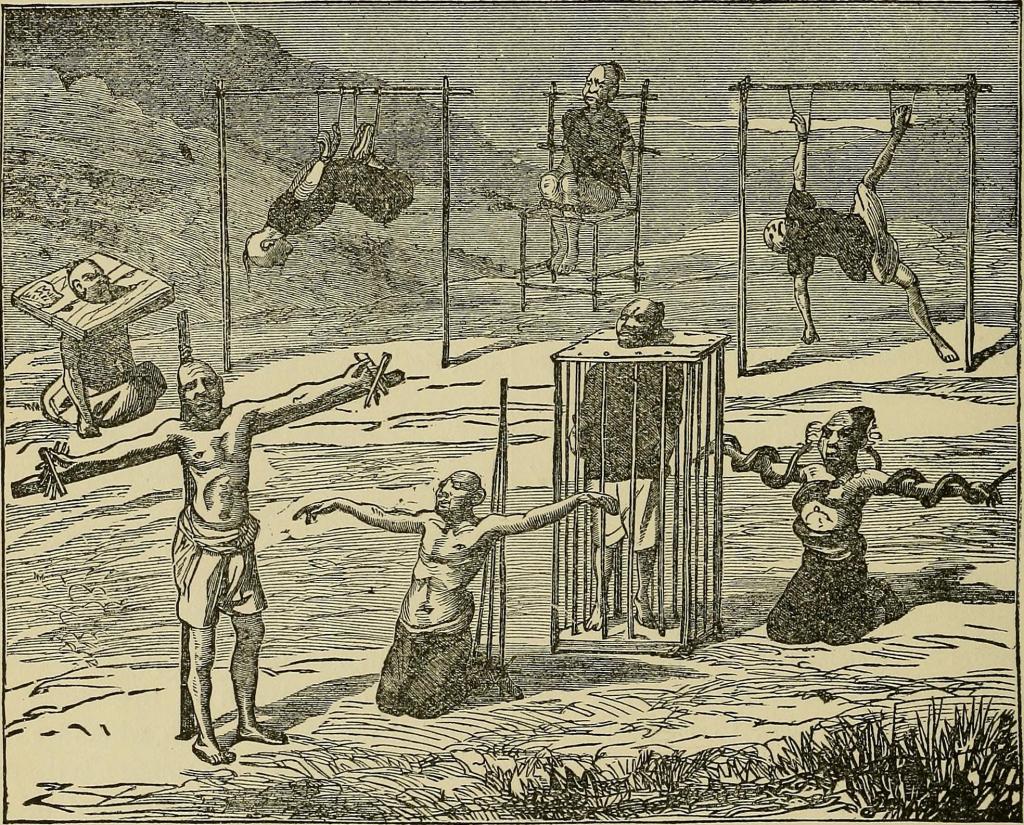
Cameras have been installed in churches. Arrests have increased. Curriculum to “re-train” pastors has been written. Even the biggest churches have not been able to avoid conflict. Authorities also have plans to re-translate the Bible to suit their purposes.
As various outlets have reported, the government in Guangzhou is now ready to pay people to snitch on people who are engaged in religious activities deemed illegal (e.g., house churches, theological training, etc.).
The government has even cooperated with other South Asian countries in order to track the activities of Christians who have ties to the Mainland.
Credit: Wikimedia Commons
2. The “Where”
In the past, official actions against the church have tended to occur in certain places. For example, southern cities tend to enjoy more liberty than those in the north. That’s no longer the case. Whether in big cities, on the east coast, in the southwest, or Hainan, one can expect authorities to crack down on religious activity.
While the government has always been sensitive about foreigners interacting with minority groups, it has taken more extensive measures in the past year. In Kunming, for instance, leaders have expelled or pressured out a substantial number (perhaps most) of the missionaries in the area, including entire organizations.
3. The “When”
In previous decades, persecution was seasonal. One could be assured that police would attempt a “spring cleaning” sometime around Easter. Of course, official visits and holidays meant a few churches would serve as sacrificial offerings to the higher-ups in the bureaucratic food chain.
Now, however, Chinese believers, as well as foreign missionaries, find no respite with the changing of seasons. Many people have discovered that “waiting it out” does not work. One must decide to take risks while remaining watchful, or else close shop and move away.
4. The “Who”
Another significant difference is that the current initiative does not focus on Christianity; rather, it explicitly addresses all the major religions in China. The severe crackdown in Xinjiang and the expansive growth of re-education camps are just a few indications that the government wants to stifle the growth of all religions, not just the house churches.
5. The “Why” (against)
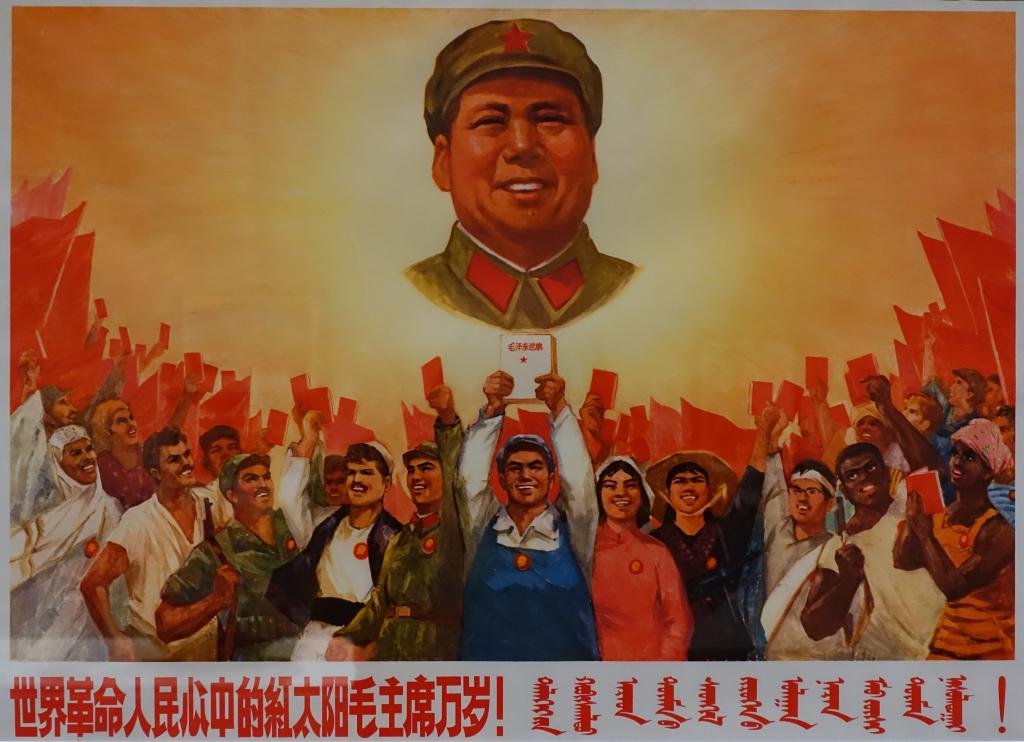
The rhetoric has changed a bit as well. Specifically, official propaganda is much more “anti-Western” than in previous campaigns. Sinicization is portrayed as a struggle against the oppression and imperialism of Western powers, especially the United States.
In a recent speech, Xu Xiaohong, Chairman of the Chinese Christian Three-Self Patriotic Movement Committee, stated,
In modern times, Christianity was introduced to China on a large scale along with colonial aggression by Western powers. It was called “foreign religion.” The churches anywhere in our country were merely the result of Western missions and “Christianity in China.” Many believers lack national consciousness, so people say: “One more Christian is one less Chinese.” The occurrence of many teaching plans, especially the “Boxer Movement” and the “non-Christian movement”, prompted the church to create a “self-reliance movement.”
Also,
It must be recognized that the surname of the Chinese church is “Chinese”, not “Western.”
These are just a few examples of such comments made by national leaders.
6. The “Why” (for)
What is driving the initiative to Sinicize religion in China?
In one respect, government leaders have always cared more about protecting political power and maintaining social harmony. Many outsiders don’t realize is that China typically has been less concerned with “religion” itself (compared to the sort of persecution one finds in the Middle East).
Over the past year, official propaganda has increasingly and explicitly linked Sinicization with socialism. Sinicization is about ideological purity. Party leaders have learned from the collapse of other communist regimes who allowed compromise to creep in.
Church leaders receiving Sinicization training were recently told that Western missionaries seek to encourage “ideological pluralism, which will lead to political pluralism.” Furthermore, the document outlining the 5-year plan explicitly states:
Promote the core values of socialism on campuses and in classrooms with teaching materials that instill them into students’ minds. Teaching demonstrations and exchange activities should be organized on the core values of socialism. In theological colleges, develop classroom teaching and campus culture to propagate these values.
7. “How long”
Finally, another development distinguishes recent efforts to Sinicize religion from previous campaigns. Current opposition to the church does not originate with TSPM church leaders, such as the former Bishop Ding (Ting), who wish to curry favor from their political patrons. Instead, Sinicization is the brainchild of China’s highest political authorities. Given the fact that President Xi is no longer restricted by term limits, we have little reason to expect pressure to let up when he leaves office. He will be around long enough to see the process through.
Co-opting Christian Language
Perhaps we can another difference, though I don’t have a nice heading for it. Government voices have begun to reframe their campaign as a fight for the church itself. One writer explains:
“There will be no official or unofficial church when the church is united,” he said. [Bishop Vincent Zhan Silu of Mindong, a member of the consultative conference and vice chairman of the Chinese Catholic Patriotic Association]
Asked if it meant the so-called underground church would be forced to disappear, he said: “Don’t you want the church to be united? A church schism is not the fundamental aspiration of Catholics.”
Zhan said those Catholics who refused to join the official church were acting in their personal interests, but there was no timetable for the integration of the underground church — those who have refused to register with the government — with Beijing’s hierarchy.
The current strategy being employed is comprehensive and coordinated. We can only hope the response from Christian leaders will show corresponding unity and wisdom.
This post originally appeared on ChinaSource.org.
Previous Post

May 1, 2019
Reviews of Recent Mission and Culture Books (Plus a Few More)
Next Post
May 15, 2019 Interview with Scott Moreau about Contextualization
Browse Our Archives
Select a Category Atonement Biblical Theology Book Reviews China Chinese Church Chinese Culture Chinese Language Collectivism Contextualization Culture (General) Ecclesiology Evangelism Gospel Honor & Shame (Face) Interpretation/Exegesis Justification/Righteousness Missiology Mission Methods One Gospel for All Nations Other Practical Contextualization Reading Romans with Eastern Eyes Resources Romans Salvation (General) Saving God's Face Seeking God's Face The Cross in Context Theological Contextualization Theological Education Theology Uncategorized
Select a Month October 2026 September 2026 August 2026 July 2026 June 2026 May 2026 April 2026 March 2026 February 2026 January 2026 December 2025 November 2025 October 2025 September 2025 August 2025 July 2025 June 2025 May 2025 April 2025 March 2025 February 2025 January 2025 December 2024 November 2024 October 2024 September 2024 August 2024 July 2024 June 2024 May 2024 April 2024 March 2024 February 2024 January 2024 December 2023 November 2023 October 2023 September 2023 August 2023 July 2023 June 2023 May 2023 April 2023 March 2023 February 2023 January 2023 December 2022 November 2022 October 2022 September 2022 August 2022 July 2022 June 2022 May 2022 April 2022 March 2022 February 2022 January 2022 December 2021 November 2021 October 2021 September 2021 August 2021 July 2021 June 2021 May 2021 April 2021 March 2021 February 2021 January 2021 December 2020 November 2020 October 2020 September 2020 August 2020 July 2020 June 2020 May 2020 April 2020 March 2020 February 2020 January 2020 December 2019 November 2019 October 2019 September 2019 August 2019 July 2019 June 2019 May 2019 April 2019 March 2019 February 2019 January 2019 December 2018 November 2018 October 2018 September 2018 August 2018 July 2018 June 2018 May 2018 April 2018 March 2018 February 2018 January 2018 December 2017 November 2017 October 2017 September 2017 August 2017 July 2017 June 2017 May 2017 April 2017 March 2017 February 2017 January 2017 December 2016 November 2016 October 2016 September 2016 August 2016 July 2016 June 2016 May 2016 April 2016 March 2016 February 2016 January 2016 December 2015 November 2015 October 2015 September 2015 August 2015 July 2015 June 2015 May 2015 April 2015 March 2015 February 2015 January 2015 December 2014 November 2014 October 2014 September 2014 August 2014 July 2014 June 2014 May 2014 April 2014 March 2014 February 2014 January 2014 December 2013 November 2013 October 2013 September 2013 August 2013 July 2013 June 2013 May 2013 April 2013 March 2013 February 2013 January 2013 December 2012 November 2012
Follow Us!
TAKE THE
Religious Wisdom Quiz
What was the rainbow a sign of in the flood story?
Select your answer to see how you score.
War Famine Danger God's promise
Books by This Author Books by Brad Vaughn
Related posts from Saving God's Face

Americans, not Asians, have Positive Illusions

Why did China Humiliate Hu Jintao?

The Psychology of Broad and Eastern Thinking

Chinese Christians Have Faith in the Wilderness. Will...
TRENDING AT PATHEOS Evangelical

57th Dove Awards Honor Dolly Parton, Crown New...
On gospel music’s biggest night, the 57th annual GMA Dove Awards honored...

The First Eucharistic Controversy: Christ’s Real Presence
For Catholics, the Eucharist is the source and summit of the Christian...

What a Stop Sign Can Teach Us About...
How to Make a Decision When You Can't Hear God Main point:...

Archdiocese Hosts Military Marriage Retreat in Germany
RASTATT, Germany — The transient military lifestyle, with its frequent deployments and...

Nearly every morning, I make the drive to Detroit with my high-school-age...

The Real AI Story Is Adoption Without Trust
Artificial intelligence has crossed a political threshold. It is no longer a...
view all Evangelical blogs
Ad-Free & Subscriber Log-In Subscription Support
- About Us
- 2026 Calendar
- Videos
- Podcasts
- Library of World Religions
- Faith In Media Tracker
- Advertise With Us
- Write for Us
- Privacy Policy
- Terms of Service
- Do Not Sell My Data
- Contact Us
- Radiant Digital
- Manage Newsletter Subscriptions
- Unsubscribe From Notifications
- Sitemap
Copyright 2008-2026, Patheos. All rights reserved.
Subscription Support Ad-Free & Subscriber Log-In
Follow Patheos