
BuddhistCatholicContemplativeEvangelicalGeneral ChristianHinduJewishLatter-day SaintMuslimNew VisionsProgressive Christian
Beliefs
- Buddhist
- Catholic
- Contemplative
- Evangelical
- General Christian
- Hindu
- Jewish
- Latter-day Saint
- More Voices
- Muslim
- New Visions
- Pagan
- Progressive Christian
Topics
- Religion News
- Food and Religion
- Sports and Religion
- Religious Art
- Religious Music and Entertainment
- Religious Events
- History and Religion
- Style and Religion
- Politics and Religion
- Women in Religion
- Recreation Outdoors and Religion
- Business Finance and Religion
- Careers Workplace and Religion
- Education and Religion
- Family Parenting and Religion
- Health Fitness and Religion
- Home and Religion
- Relationships and Religion
- Technology and Religion
- Travel and Religion
Columnists
- Buddhist Columnists
- Business Finance and Religion Columnists
- Careers Workplace and Religion Columnists
- Catholic Columnists
- Contemplative Columnists
- Education and Religion Columnists
- Evangelists Columnists
- Family Parenting and Religion Columnists
- General Christian Columnists
- Health Fitness and Religion Columnists
- Hindu Columnists
- History and Religion Columnists
- Home and Religion Columnists
- Jewish Columnists
- More Voices Columnists
- Latter Day Columnists
- Muslim Columnists
- New Visions Columnists
- Nonreligious Columnists
- Pagan Columnists
- Politics and Religion Columnists
- Progressive Columnists
- Recreation Outdoors and Religion Columnists
- Relationships and Religion Columnists
- Religion News Columnists
- Religious Art Columnists
- Religious Events Columnists
- Religious Music and Entertainment Columnists
- Sports and Religion Columnists
- Style and Religion Columnists
- Technology and Religion Columnists
- Travel and Religion Columnists
- Women in Religion Columnists
Resource Library
- 2026 Calendar
- Library of World Religions
- The 100 Most Holy Places on Earth
- Patheos Answers
- Podcasts
- Videos
- Faith Leaders Database
- Anglican Episcopalian
- Bahai
- Baptist
- Buddhism
- Christianity
- Confucianism
- Eastern Orthodoxy
- Hinduism
- Holiness and Pentecostal
- ISKCON
- Islam
- Judaism
- Lutheran
- Methodist
- The Church of Jesus Christ of Latter-day Saints
- New Age
- Paganism
- Presbytarian and Reformed
- Protestantism
- Religion Behind the Scenes
- Roman Catholic
- Scientology
- Shia Islam
- Sikhism
- Sufism
- Sunni Islam
- Taoism
- Zen
- See all religions
Research Tools
 Ad-Free & Subscriber Log-In Subscription Support
Ad-Free & Subscriber Log-In Subscription Support
Follow Patheos 

- Trending:
- Forgiveness
- |
- Marriage
- |
- Consciousness
- |
- Death Penalty
- |
- Election
- |
- Halloween

-
Tools
-
Support the Work
- Home
- Evangelical
- How Cognitive Biases Produce Theological Syncretism
How Cognitive Biases Produce Theological Syncretism
Last updated on: August 10, 2022 at 6:14 am by Brad Vaughn
How Cognitive Biases Produce Theological Syncretism 2022-08-10T06:14:49-07:00 Brad Vaughn
Patheos Explore the world's faith through different perspectives on religion and spirituality! Patheos has the views of the prevalent religions and spiritualities of the world.
Two things usually escape our notice: cognitive biases and theological syncretism. This is not surprising. When you’re generally unfamiliar with an idea, you’re less likely to understand it.
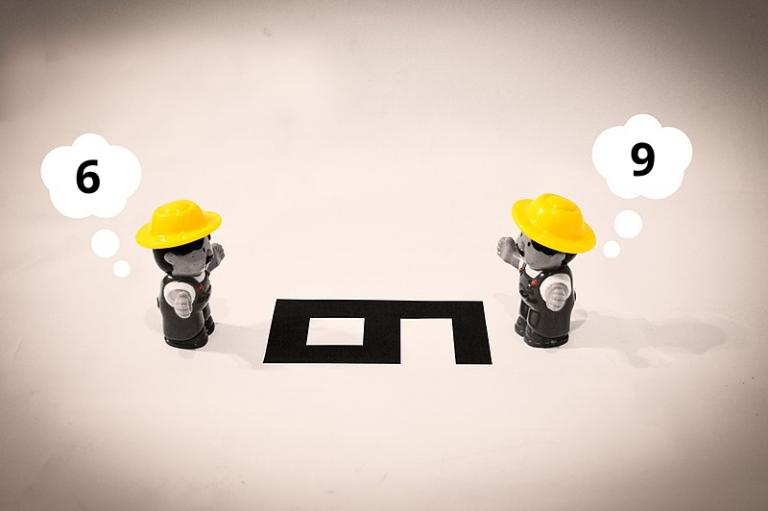
Credit: Wikimedia/Mushki Brichta
What does this mean for us? We are unable to account for our biases and so succumb to theological syncretism rather than healthy contextualization.
Definitions and Interpretations
The seedbed for my thinking comes from Aaron Chalmers’ exceptional article “The Influence of Cognitive Biases on Biblical Interpretation” (BBR, 26.4). As I argue in One Gospel for All Nations, biblically faithful and culturally meaningful contextualization begins with interpretation, not communication or application. Accordingly, Chalmers identifies ways that we undermine robust contextualization and even veer into syncretism.
This raises the question, “What is theological syncretism?”
We are more accustomed to thinking of syncretism as an errant imposition on the biblical text from culture. The point often overlooked is that even church and denominational subcultures are shaped by various dynamics in their surrounding culture(s). Who possibly knows all the ways Christian organizations reflect the values and priorities of the numerous cultures in which we belong?
Furthermore, the inertia of tradition moves us along. We filter out certain texts and theological conclusions; or perhaps, we will overemphasize ideas beyond what is found in Scripture. In effect, our traditions and “Christian” subcultures create biases and impose significance or meaning into a passage.
A Few Cognitive Biases
Chalmers identifies 5 cognitive biases that influence interpretation (and therefore contextualization). They include:
1. Confirmation Bias
“the tendency to selectively search for or interpret information in a way that confirms one’s preconceptions or hypotheses.” (p. 470)
2. False Consensus Effect
individuals seeing “their own behavioral choices and judgments as relatively common and appropriate to existing circumstances while viewing alternative responses as uncommon, deviant, or inappropriate.” (p. 472)
3. In-Group Bias
“the tendency for people to give preferential treatment to others they perceive to be members of their own group.” (p. 474)
4. Functional Fixedness
“the inability to realize that something known to have a particular use may also be used to perform other functions.” (p. 475)
5. Illusory Truth Effect
“the tendency of people to identify a statement as true simply because they have heard it before, irrespective of its actual truthfulness.” (p. 476)
How Cognitive Biases Affect Interpretation
How do these biases impact the way we read the Bible? According to Chalmers, …
1. Confirmation Bias
“may also be displayed in people’s tendency to interpret evidence in a way that supports their preexisting position. This is particularly noticeable when it comes to the handling of ambiguous information; psychological studies have shown that people are more likely to interpret ambiguous evidence as confirming their preexisting beliefs than disconfirming of them….
Researchers have shown that the effect of confirmation bias is stronger for emotionally charged issues and for deeply entrenched beliefs. In both instances, people are more likely to be resistant to change. Therefore, we would expect this bias to be a significant factor when it comes to biblical interpretation, which is often dealing with issues that are emotionally significant and—for those who come from a confessional background—frequently involves deeply-held beliefs.” (p. 470–71)
2. The False Consensus Effect
“might result in interpreters naively assuming that the biblical authors held the same priorities, attitudes, or beliefs as themselves. While there may be some overlap, there are also likely to be significant differences.” (p. 473)
3. In-Group Bias manifests in multiple ways. For example, we might only read commentaries and listen to speakers from within our tribe. Likewise, we must be suspicious of anyone not from our tradition or school of thought. This biased constricts what questions we ask and the potential answers we’ll find.
4. Functional Fixedness limits how we understand the “application or contemporary relevance of the text.” (p. 475)
5. The Illusory Truth Effect causes people to think “that a certain interpretation of a passage is correct simply because they have encountered it before, especially if they have encountered it on numerous occasions.” (p. 477)
Countering Cognitive Biases
What can we do to mitigate the effects of cognitive bias on contextualization? Chalmers’ suggestions apply to everything from biblical interpretation to ministry strategy.
First, we need to grasp how cognitive biases work and their influence. This awareness helps us to identify when such biases rear their ugly head.
Second, genuinely seek ways to refute your opinion. What would your opponents say in disagreement? Beware not to caricature their position
Third, don’t presume your abilities are sufficient to immediately understand a text or situation. By slowing down, one can more easily notice details, emphases, and nuance.
Fourth, seek the opinions of others, especially those who are most likely to disagree with you. I often tell people, “Even heretics aren’t idiots. They likely have a good insight that they’ve taken the wrong direction.” Please don’t get defensive but try to assume their perspective in order to understand it and apply the legitimate insights they offer.
Finally, Chalmers adds, “Ensure we have adequate time to complete our exegetical work. Time pressures (and stress) tend to increase the effect of cognitive biases.” (p. 479)
Significant articles like this are frequently overlooked because they reside in scholarly journals. However, Chalmers’ contributions are helpful for pastors, missionaries, and your “everyday believer” as well. While he mainly focuses on biblical interpretation, ask yourself, “How do these biases also influence how our church or team determines ministry strategy?”
Previous Post
September 19, 2018
We are not made for online praise and blame
Next Post

October 3, 2018 A Leading Cause of Atheism? Not Allowing Dialogue and Disagreements
Browse Our Archives
Select a Category Atonement Biblical Theology Book Reviews China Chinese Church Chinese Culture Chinese Language Collectivism Contextualization Culture (General) Ecclesiology Evangelism Gospel Honor & Shame (Face) Interpretation/Exegesis Justification/Righteousness Missiology Mission Methods One Gospel for All Nations Other Practical Contextualization Reading Romans with Eastern Eyes Resources Romans Salvation (General) Saving God's Face Seeking God's Face The Cross in Context Theological Contextualization Theological Education Theology Uncategorized
Select a Month October 2026 September 2026 August 2026 July 2026 June 2026 May 2026 April 2026 March 2026 February 2026 January 2026 December 2025 November 2025 October 2025 September 2025 August 2025 July 2025 June 2025 May 2025 April 2025 March 2025 February 2025 January 2025 December 2024 November 2024 October 2024 September 2024 August 2024 July 2024 June 2024 May 2024 April 2024 March 2024 February 2024 January 2024 December 2023 November 2023 October 2023 September 2023 August 2023 July 2023 June 2023 May 2023 April 2023 March 2023 February 2023 January 2023 December 2022 November 2022 October 2022 September 2022 August 2022 July 2022 June 2022 May 2022 April 2022 March 2022 February 2022 January 2022 December 2021 November 2021 October 2021 September 2021 August 2021 July 2021 June 2021 May 2021 April 2021 March 2021 February 2021 January 2021 December 2020 November 2020 October 2020 September 2020 August 2020 July 2020 June 2020 May 2020 April 2020 March 2020 February 2020 January 2020 December 2019 November 2019 October 2019 September 2019 August 2019 July 2019 June 2019 May 2019 April 2019 March 2019 February 2019 January 2019 December 2018 November 2018 October 2018 September 2018 August 2018 July 2018 June 2018 May 2018 April 2018 March 2018 February 2018 January 2018 December 2017 November 2017 October 2017 September 2017 August 2017 July 2017 June 2017 May 2017 April 2017 March 2017 February 2017 January 2017 December 2016 November 2016 October 2016 September 2016 August 2016 July 2016 June 2016 May 2016 April 2016 March 2016 February 2016 January 2016 December 2015 November 2015 October 2015 September 2015 August 2015 July 2015 June 2015 May 2015 April 2015 March 2015 February 2015 January 2015 December 2014 November 2014 October 2014 September 2014 August 2014 July 2014 June 2014 May 2014 April 2014 March 2014 February 2014 January 2014 December 2013 November 2013 October 2013 September 2013 August 2013 July 2013 June 2013 May 2013 April 2013 March 2013 February 2013 January 2013 December 2012 November 2012
Follow Us!
TAKE THE
Religious Wisdom Quiz
Which book contains the story of the Valley of Dry Bones?
Select your answer to see how you score.
Isaiah Jeremiah Daniel Ezekiel
Books by This Author Books by Brad Vaughn
Related posts from Saving God's Face

Why Christianity Needs Individuals but Rejects Individualism

Glory, Violence, and the Gospel of Peace
“I’ll be wherever you call me.”
Biblical Foundations for Local Embodiment
TRENDING AT PATHEOS Evangelical

Methodist Central Hall and Westminster Abbey
Situated on the same square is Methodist Central Hall and Westminster Abbey. ...

57th Dove Awards Honor Dolly Parton, Crown New...
On gospel music’s biggest night, the 57th annual GMA Dove Awards honored...

The First Eucharistic Controversy: Christ’s Real Presence
For Catholics, the Eucharist is the source and summit of the Christian...

What a Stop Sign Can Teach Us About...
How to Make a Decision When You Can't Hear God Main point:...

Archdiocese Hosts Military Marriage Retreat in Germany
RASTATT, Germany — The transient military lifestyle, with its frequent deployments and...

Nearly every morning, I make the drive to Detroit with my high-school-age...
view all Evangelical blogs
Ad-Free & Subscriber Log-In Subscription Support
- About Us
- 2026 Calendar
- Videos
- Podcasts
- Library of World Religions
- Faith In Media Tracker
- Advertise With Us
- Write for Us
- Privacy Policy
- Terms of Service
- Do Not Sell My Data
- Contact Us
- Radiant Digital
- Manage Newsletter Subscriptions
- Unsubscribe From Notifications
- Sitemap
Copyright 2008-2026, Patheos. All rights reserved.
Subscription Support Ad-Free & Subscriber Log-In
Follow Patheos