
BuddhistCatholicContemplativeEvangelicalGeneral ChristianHinduJewishLatter-day SaintMuslimNew VisionsProgressive Christian
Beliefs
- Buddhist
- Catholic
- Contemplative
- Evangelical
- General Christian
- Hindu
- Jewish
- Latter-day Saint
- More Voices
- Muslim
- New Visions
- Pagan
- Progressive Christian
Topics
- Religion News
- Food and Religion
- Sports and Religion
- Religious Art
- Religious Music and Entertainment
- Religious Events
- History and Religion
- Style and Religion
- Politics and Religion
- Women in Religion
- Recreation Outdoors and Religion
- Business Finance and Religion
- Careers Workplace and Religion
- Education and Religion
- Family Parenting and Religion
- Health Fitness and Religion
- Home and Religion
- Relationships and Religion
- Technology and Religion
- Travel and Religion
Columnists
- Buddhist Columnists
- Business Finance and Religion Columnists
- Careers Workplace and Religion Columnists
- Catholic Columnists
- Contemplative Columnists
- Education and Religion Columnists
- Evangelists Columnists
- Family Parenting and Religion Columnists
- General Christian Columnists
- Health Fitness and Religion Columnists
- Hindu Columnists
- History and Religion Columnists
- Home and Religion Columnists
- Jewish Columnists
- More Voices Columnists
- Latter Day Columnists
- Muslim Columnists
- New Visions Columnists
- Nonreligious Columnists
- Pagan Columnists
- Politics and Religion Columnists
- Progressive Columnists
- Recreation Outdoors and Religion Columnists
- Relationships and Religion Columnists
- Religion News Columnists
- Religious Art Columnists
- Religious Events Columnists
- Religious Music and Entertainment Columnists
- Sports and Religion Columnists
- Style and Religion Columnists
- Technology and Religion Columnists
- Travel and Religion Columnists
- Women in Religion Columnists
Resource Library
- 2026 Calendar
- Library of World Religions
- The 100 Most Holy Places on Earth
- Patheos Answers
- Podcasts
- Videos
- Faith Leaders Database
- Anglican Episcopalian
- Bahai
- Baptist
- Buddhism
- Christianity
- Confucianism
- Eastern Orthodoxy
- Hinduism
- Holiness and Pentecostal
- ISKCON
- Islam
- Judaism
- Lutheran
- Methodist
- The Church of Jesus Christ of Latter-day Saints
- New Age
- Paganism
- Presbytarian and Reformed
- Protestantism
- Religion Behind the Scenes
- Roman Catholic
- Scientology
- Shia Islam
- Sikhism
- Sufism
- Sunni Islam
- Taoism
- Zen
- See all religions
Research Tools
 Ad-Free & Subscriber Log-In Subscription Support
Ad-Free & Subscriber Log-In Subscription Support
Follow Patheos 

- Trending:
- Forgiveness
- |
- Marriage
- |
- Consciousness
- |
- Death Penalty
- |
- Election
- |
- Halloween

-
Tools
-
Support the Work
- Home
- Evangelical
- What The Greatest Showman teaches us about shame
What The Greatest Showman teaches us about shame
Last updated on: March 29, 2018 at 3:17 pm by Brad Vaughn
What The Greatest Showman teaches us about shame 2018-03-29T15:17:07-07:00 Brad Vaughn
Patheos Explore the world's faith through different perspectives on religion and spirituality! Patheos has the views of the prevalent religions and spiritualities of the world.
I watched The Greatest Showman twice in one week. It is one of the most extraordinary movies I’ve seen in a while (though Wonder deserves mention as well). The second time I saw it, I was overwhelmed by the way honor and shame shape the entire narrative.
The Greatest Show of Shame
While I’ll try to limit spoilers, I make no promises.
The Greatest Showman loosely tells the story of P.T. Barnum (played by Hugh Jackman), the founder of history’s most famous circus show. The movie certainly whitewashes the real man of history. As some have said, he essentially “creating pop culture” by reinventing promotions and marketing as we know it.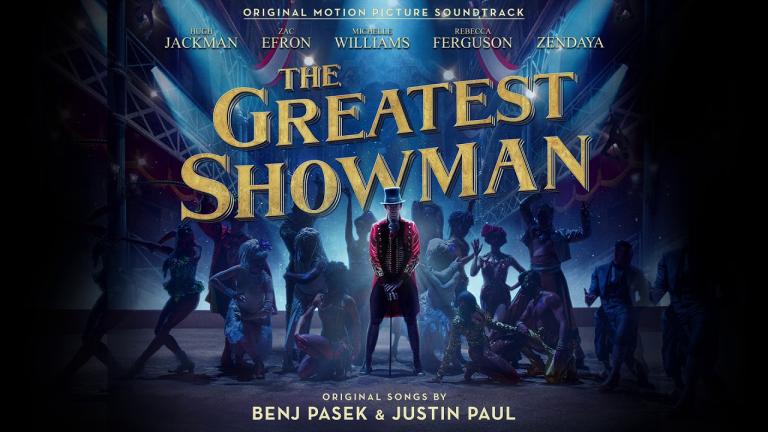
If you read of his business exploits, you will likely call his life the greatest show of shamelessness on earth. For him, even bad press was good press. He delighted in public applause. According to the NY Times, “In ill health in 1891, he persuaded a New York newspaper, The Evening Sun, to publish his obituary while he was still alive so he could read it; he died days later at the age of 81.”
He grew up the son of an inn-keeper and tailor. The movie depicts Barnum’s ambition to rise from the dregs of society; in the quest make something of himself, he uses social “oddities” (called “freaks” by the general public) in various capacities. With sufficient creative liberty, the movie beautifully juxtaposes Barnum’s search for fame and success with the emergence of outcasts to stage performers.
When Barnum attains the public acclaim he has long desired, he runs the risk of losing his way. Will he then be ashamed of those who are social outcasts and lack the status he now enjoys? He must choose whether he will protect his fame or embrace the shame that his performers endure daily.
“This is Me”
At a key point in the story, we hear the movie’s “anthem song,” called “This is Me”. The lyrics and a video are included below.
I am not a stranger to the dark
“Hide away”, they say
“‘Cause we don’t want your broken parts”
I’ve learned to be ashamed of all my scars
“Run away”, they say
“No one’ll love you as you are”But I won’t let them break me down to dust
I know that there’s a place for us
For we are gloriousWhen the sharpest words wanna cut me down
I’m gonna send a flood, gonna drown them out
I am brave, I am bruised
I am who I’m meant to be, this is me
Look out ‘cause here I come
And I’m marching on to the beat I drum
I’m not scared to be seen
I make no apologies, this is me
The song is a tour through the experience of shame and liberation from it.
Not Ashamed to Be Seen
Shame tells us to hide, to remain in the dark where we won’t be exposed. Why? Shame reviles us as “broken.” Our hearts and minds are scarred by the searing pain of rejection. In case we did not know how to respond, we are told to “run away” and in case we don’t know why, we’re given a reason, “No one’ll love you as you are.”
And thus begins a perpetual cycle of trying to adapt, to fit in. We do this so that we will either blend in and go unnoticed or win the crowd’s applause with some great achievement concocted by ambition.
But, in one of my favorite lines from the movie, Jenny Lin says,
“I was born out of wedlock. And that brought shame upon my family. Life always manages to remind me that I don’t deserve a place in this world. And that leaves a hole that no ovation can ever fill.”
The second stanza almost carries biblical echoes. Its truth is powerful. The song announces, “But I won’t let them break me down to dust.” The weight of shame threatens to bury us, even making us less than human. How can one simply decide this? From the dust, God made us in His image. Those who are in Christ will not be enslaved by the dust. Being conformed to Christ’s image, “we are glorious” (Rom 8:30; John 17:22).
Shame is so predictable. It dispenses its poison through the words of serpents. We should anticipate “when the sharpest words wanna cut me down.” How can one simply say, “I’m gonna send a flood, gonna drown them out”?
A Song for the Unashamed
We must fill our hearts and minds with true stories, rooted in Scripture and reinforced by friends who love us because they know us. One needs a sober perspective, not the hollow whisper of self-esteem. Only then can we celebrate, “I am brave, I am bruised. I am who I’m meant to be, this is me”
The world gives its marching orders. It stands threatens anyone who does not conform. But Christ’s people play a different song, “Look out ‘cause here I come. And I’m marching on to the beat I drum.”
Likewise, in my other favorite song from the movie, Hugh Jackman’s character sings,
I drank champagne with kings and queens
The politicians praised my name
But those are someone else’s dreams
The pitfalls of the man I became
For years and years
I chased their cheers
The crazy speed of always needing more
But when I stop
And see you here
I remember who all this was for
When we know our song, our story, then we know our identity, that we belong to a family that spans every nation. We find the courage to say, “I’m not scared to be seen. I make no apologies, this is me.”
Lingering Questions
Many will watch the movie and think, “I am not shameful. I am special.” But they don’t know why, objectively, apart from the fact they simply wish it so. Their sense of worth remains tethered to their job title and others’ opinions. They do not know how the truth sheds light on the world as it truly is.
Apart from the gospel, we sail through life seeking liberation from shame. Yet, our hope is rudderless.
Watching the movie, I could not help but ask, “What exactly makes one worthy of honor or shame?” I realized more clearly how we need to clean up our language and explicitly state what is honorable and why. On the one hand, not everyone is equally worthy of honor in every respect. On the other hand, even if we ought not to be ashamed of our peculiarities, we do not for that reason have reason to boast of grandeur.
There is much truth in The Greatest Showman and the song above. But we need to give it more reflection. If we don’t clean up our thinking about honor-shame language (and the values attached to it), we are prone to dilute it, settling for either fame and mere self-esteem.
Previous Post

March 21, 2018
Recent ChinaSource Quarterly focuses on contextualization in China
Next Post
March 29, 2018 What a former slave can teach us about judging others
Browse Our Archives
Select a Category Atonement Biblical Theology Book Reviews China Chinese Church Chinese Culture Chinese Language Collectivism Contextualization Culture (General) Ecclesiology Evangelism Gospel Honor & Shame (Face) Interpretation/Exegesis Justification/Righteousness Missiology Mission Methods One Gospel for All Nations Other Practical Contextualization Reading Romans with Eastern Eyes Resources Romans Salvation (General) Saving God's Face Seeking God's Face The Cross in Context Theological Contextualization Theological Education Theology Uncategorized
Select a Month October 2026 September 2026 August 2026 July 2026 June 2026 May 2026 April 2026 March 2026 February 2026 January 2026 December 2025 November 2025 October 2025 September 2025 August 2025 July 2025 June 2025 May 2025 April 2025 March 2025 February 2025 January 2025 December 2024 November 2024 October 2024 September 2024 August 2024 July 2024 June 2024 May 2024 April 2024 March 2024 February 2024 January 2024 December 2023 November 2023 October 2023 September 2023 August 2023 July 2023 June 2023 May 2023 April 2023 March 2023 February 2023 January 2023 December 2022 November 2022 October 2022 September 2022 August 2022 July 2022 June 2022 May 2022 April 2022 March 2022 February 2022 January 2022 December 2021 November 2021 October 2021 September 2021 August 2021 July 2021 June 2021 May 2021 April 2021 March 2021 February 2021 January 2021 December 2020 November 2020 October 2020 September 2020 August 2020 July 2020 June 2020 May 2020 April 2020 March 2020 February 2020 January 2020 December 2019 November 2019 October 2019 September 2019 August 2019 July 2019 June 2019 May 2019 April 2019 March 2019 February 2019 January 2019 December 2018 November 2018 October 2018 September 2018 August 2018 July 2018 June 2018 May 2018 April 2018 March 2018 February 2018 January 2018 December 2017 November 2017 October 2017 September 2017 August 2017 July 2017 June 2017 May 2017 April 2017 March 2017 February 2017 January 2017 December 2016 November 2016 October 2016 September 2016 August 2016 July 2016 June 2016 May 2016 April 2016 March 2016 February 2016 January 2016 December 2015 November 2015 October 2015 September 2015 August 2015 July 2015 June 2015 May 2015 April 2015 March 2015 February 2015 January 2015 December 2014 November 2014 October 2014 September 2014 August 2014 July 2014 June 2014 May 2014 April 2014 March 2014 February 2014 January 2014 December 2013 November 2013 October 2013 September 2013 August 2013 July 2013 June 2013 May 2013 April 2013 March 2013 February 2013 January 2013 December 2012 November 2012
Follow Us!
TAKE THE
Religious Wisdom Quiz
What does "Gethsemane" mean?
Select your answer to see how you score.
Oil press Spring Olive tree Garden
Books by This Author Books by Brad Vaughn
Related posts from Saving God's Face

No King forgets his crown. Why do we?

Recovering Moral Vision Between Shame and Shamelessness

Refuge, Confession, and the End of Shame

Psalm 25 and the Fear of Being Put...
TRENDING AT PATHEOS Evangelical

57th Dove Awards Honor Dolly Parton, Crown New...
On gospel music’s biggest night, the 57th annual GMA Dove Awards honored...

The First Eucharistic Controversy: Christ’s Real Presence
For Catholics, the Eucharist is the source and summit of the Christian...

What a Stop Sign Can Teach Us About...
How to Make a Decision When You Can't Hear God Main point:...

Archdiocese Hosts Military Marriage Retreat in Germany
RASTATT, Germany — The transient military lifestyle, with its frequent deployments and...

Nearly every morning, I make the drive to Detroit with my high-school-age...

The Real AI Story Is Adoption Without Trust
Artificial intelligence has crossed a political threshold. It is no longer a...
view all Evangelical blogs
Ad-Free & Subscriber Log-In Subscription Support
- About Us
- 2026 Calendar
- Videos
- Podcasts
- Library of World Religions
- Faith In Media Tracker
- Advertise With Us
- Write for Us
- Privacy Policy
- Terms of Service
- Do Not Sell My Data
- Contact Us
- Radiant Digital
- Manage Newsletter Subscriptions
- Unsubscribe From Notifications
- Sitemap
Copyright 2008-2026, Patheos. All rights reserved.
Subscription Support Ad-Free & Subscriber Log-In
Follow Patheos