
BuddhistCatholicContemplativeEvangelicalGeneral ChristianHinduJewishLatter-day SaintMuslimNew VisionsProgressive Christian
Beliefs
- Buddhist
- Catholic
- Contemplative
- Evangelical
- General Christian
- Hindu
- Jewish
- Latter-day Saint
- More Voices
- Muslim
- New Visions
- Pagan
- Progressive Christian
Topics
- Religion News
- Food and Religion
- Sports and Religion
- Religious Art
- Religious Music and Entertainment
- Religious Events
- History and Religion
- Style and Religion
- Politics and Religion
- Women in Religion
- Recreation Outdoors and Religion
- Business Finance and Religion
- Careers Workplace and Religion
- Education and Religion
- Family Parenting and Religion
- Health Fitness and Religion
- Home and Religion
- Relationships and Religion
- Technology and Religion
- Travel and Religion
Columnists
- Buddhist Columnists
- Business Finance and Religion Columnists
- Careers Workplace and Religion Columnists
- Catholic Columnists
- Contemplative Columnists
- Education and Religion Columnists
- Evangelists Columnists
- Family Parenting and Religion Columnists
- General Christian Columnists
- Health Fitness and Religion Columnists
- Hindu Columnists
- History and Religion Columnists
- Home and Religion Columnists
- Jewish Columnists
- More Voices Columnists
- Latter Day Columnists
- Muslim Columnists
- New Visions Columnists
- Nonreligious Columnists
- Pagan Columnists
- Politics and Religion Columnists
- Progressive Columnists
- Recreation Outdoors and Religion Columnists
- Relationships and Religion Columnists
- Religion News Columnists
- Religious Art Columnists
- Religious Events Columnists
- Religious Music and Entertainment Columnists
- Sports and Religion Columnists
- Style and Religion Columnists
- Technology and Religion Columnists
- Travel and Religion Columnists
- Women in Religion Columnists
Resource Library
- 2026 Calendar
- Library of World Religions
- The 100 Most Holy Places on Earth
- Patheos Answers
- Podcasts
- Videos
- Faith Leaders Database
- Anglican Episcopalian
- Bahai
- Baptist
- Buddhism
- Christianity
- Confucianism
- Eastern Orthodoxy
- Hinduism
- Holiness and Pentecostal
- ISKCON
- Islam
- Judaism
- Lutheran
- Methodist
- The Church of Jesus Christ of Latter-day Saints
- New Age
- Paganism
- Presbytarian and Reformed
- Protestantism
- Religion Behind the Scenes
- Roman Catholic
- Scientology
- Shia Islam
- Sikhism
- Sufism
- Sunni Islam
- Taoism
- Zen
- See all religions
Research Tools
 Ad-Free & Subscriber Log-In Subscription Support
Ad-Free & Subscriber Log-In Subscription Support
Follow Patheos 

- Trending:
- Forgiveness
- |
- Marriage
- |
- Consciousness
- |
- Death Penalty
- |
- Election
- |
- Halloween

-
Tools
-
Support the Work
- Home
- Evangelical
- U.S. military as Onramp for Understanding Honor-Shame Cultures
U.S. military as Onramp for Understanding Honor-Shame Cultures
Last updated on: September 13, 2017 at 7:20 am by Brad Vaughn
U.S. military as Onramp for Understanding Honor-Shame Cultures 2017-09-13T06:40:53-07:00 Brad Vaughn
Patheos Explore the world's faith through different perspectives on religion and spirituality! Patheos has the views of the prevalent religions and spiritualities of the world.
Today’s guest post comes from Pastor Jeff Jackson is Director of Church Relations for Shepherd’s Staff Mission Facilitators. He served in the U.S. Army, was a church planting missionary in SE Asia, planted a multi-ethnic church in San Diego, and has done extensive ministry with refugees that have been resettled in the Unites States.
Helping Americans understand that their culture is strongly individualistic (and guilt oriented) is fairly easy to do. What is much more difficult is helping them understand that most of their new neighbors come from strongly collectivistic cultures (and therefore are honor-shame oriented).
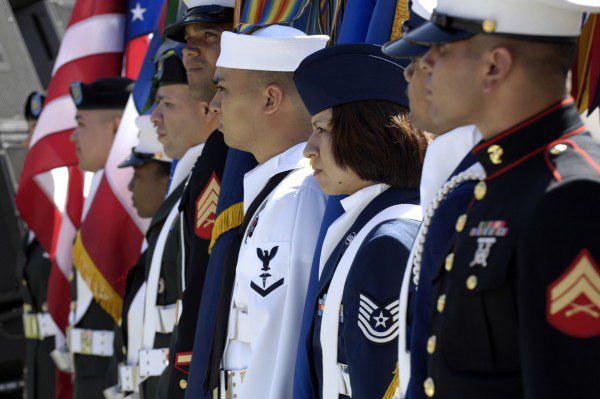
Public Domain
As strange as it may sound, the U.S. military[1] provides a very effective illustration for helping Americans understand what a collectivistic culture is and how honor-shame dynamics influence almost every facet of a person’s life.
Military as Collectivist Culture
Below are four reasons we can say the U.S military has a collectivist culture.
-
A shared willingness to die for a cause larger than personal interests
Members of the group take an oath to obey their superiors, who ultimately obey the Commander-in-Chief. They know their obedience is for the sake of a purpose larger than their own interests; and, it could cost them their lives. Regardless of education, social status, or monetary status, their shared values produce deep tethers of connection and a unique level of bonding with others who have sworn an oath of service.
-
Group identity is primary
One of the military’s primary purposes in basic training is to demolish a number of foundational American cultural values and then to instill collectivistic cultural values. These are essential for accomplishing the military’s basic mission. From the first day of basic training forward, the root of hyper-individualism and its fruits, i.e., self-expression, self-fulfillment, and self-promotion, are methodically stripped away from recruits and then replaced.
-
Acceptance of an assigned role
Although recruits select an occupation within the military, they understand that their superiors reserve the right to move them into a role they didn’t select. If their superiors determine that the success of the mission is increased by moving them into a new role, they accept that new role. They are confident that doing so makes the mission more likely to be accomplished.
-
Interdependence is fundamental
From day one, new recruits are reminded they belong to a group that requires inter-dependence if the mission is to be accomplished and as many lives as possible be preserved. A transition is essential. One must shift from believing that dependence and interdependence are weaknesses to embracing them as virtues.
The Military is an Honor-Shame Culture
These 5 examples demonstrate the military is an honor-shame culture.
-
Honor is the military’s operating system
The military exists for a cause larger than the interests of individual members; therefore, honor is achieved through diligence, reliability, loyalty, obedience to order, and actions that risk personal safety for the good of others and the mission. The honor system is taught to new members then caught as they serve in their daily life in the military.
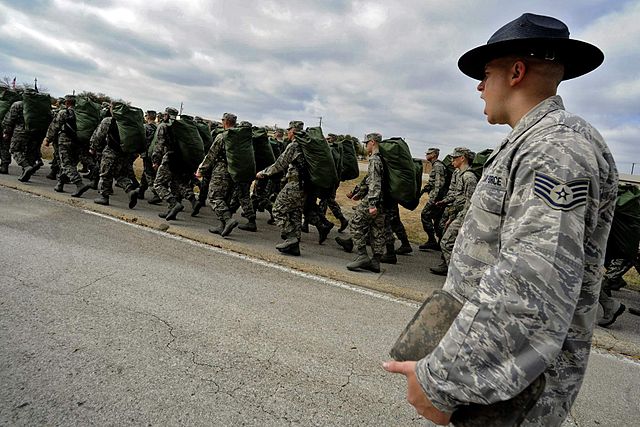
credit: public domain
-
Visible symbols and actions display honor
An individual’s honor is visible through the symbols that declare one’s rank and time in service. They wear medals and ribbons, especially on their dress uniforms. By addressing those of higher rank using their rank and last name, one acknowledges another person’s honor. Referring to officers as “sir” or “ma’am”, saluting and standing at attention all manifest the military’s honor system. Also, every member wears a patch or medal that reveals their specific unit.
-
The ascribed honor of their outfit/unit must be maintained or increased.
Once a member finishes training and joins a unit, he or she is ascribed the unit’s honor. From that point onward, their attitude and behavior during both work hours and off-hours reflect on the honor of their unit. Embracing this reality moves each member to a level of self-denial for the group’s honor; this attitude is the polar opposite of the American culture in which they were born and raised.
-
Achieved honor must never be self-ascribed
An individual can achieve varying levels and types of honor. Bravery on behalf of others tops the list. But when honor is must bestowed by others; it is never self-ascribed. Bestowing honor on yourself is shameful and dishonors the unit from which your identity is drawn. Although it’s uncomfortable for many recipients of special honor, it is important they wear the symbol of honor bestowed on them.
-
Shame is achieved & ascribed and both objective & subjective
A person is shamed by either acting or not acting due to self-interest or self-preservation. Shame is not just a subjective feeling; it’s an objective condition, such as when people receive public discipline or are demoted in rank. A person’s individual shame also diminishes the honor of their unit.
When we perceive the U.S. military has a collectivistic, H&S culture, our ability to understand and relate to people from other cultures will be enhanced. We will also have a little better grasp for why so many former military members struggle with picking up life again in the hyper-individualistic culture that permeates America.
And, hopefully, we will gain a fresh desire to show God’s love to former military members.
[1] I’m only referring to the cultural aspect of the U.S. military, not its destructive capacities nor to the recent implementation of cultural norms that have never been a part of military culture.
Previous Post

September 6, 2017
Assessing Theology from a Historical Perspective
Next Post

September 20, 2017 Identifying God’s Enemies and Ours
Browse Our Archives
Select a Category Atonement Biblical Theology Book Reviews China Chinese Church Chinese Culture Chinese Language Collectivism Contextualization Culture (General) Ecclesiology Evangelism Gospel Honor & Shame (Face) Interpretation/Exegesis Justification/Righteousness Missiology Mission Methods One Gospel for All Nations Other Practical Contextualization Reading Romans with Eastern Eyes Resources Romans Salvation (General) Saving God's Face Seeking God's Face The Cross in Context Theological Contextualization Theological Education Theology Uncategorized
Select a Month October 2026 September 2026 August 2026 July 2026 June 2026 May 2026 April 2026 March 2026 February 2026 January 2026 December 2025 November 2025 October 2025 September 2025 August 2025 July 2025 June 2025 May 2025 April 2025 March 2025 February 2025 January 2025 December 2024 November 2024 October 2024 September 2024 August 2024 July 2024 June 2024 May 2024 April 2024 March 2024 February 2024 January 2024 December 2023 November 2023 October 2023 September 2023 August 2023 July 2023 June 2023 May 2023 April 2023 March 2023 February 2023 January 2023 December 2022 November 2022 October 2022 September 2022 August 2022 July 2022 June 2022 May 2022 April 2022 March 2022 February 2022 January 2022 December 2021 November 2021 October 2021 September 2021 August 2021 July 2021 June 2021 May 2021 April 2021 March 2021 February 2021 January 2021 December 2020 November 2020 October 2020 September 2020 August 2020 July 2020 June 2020 May 2020 April 2020 March 2020 February 2020 January 2020 December 2019 November 2019 October 2019 September 2019 August 2019 July 2019 June 2019 May 2019 April 2019 March 2019 February 2019 January 2019 December 2018 November 2018 October 2018 September 2018 August 2018 July 2018 June 2018 May 2018 April 2018 March 2018 February 2018 January 2018 December 2017 November 2017 October 2017 September 2017 August 2017 July 2017 June 2017 May 2017 April 2017 March 2017 February 2017 January 2017 December 2016 November 2016 October 2016 September 2016 August 2016 July 2016 June 2016 May 2016 April 2016 March 2016 February 2016 January 2016 December 2015 November 2015 October 2015 September 2015 August 2015 July 2015 June 2015 May 2015 April 2015 March 2015 February 2015 January 2015 December 2014 November 2014 October 2014 September 2014 August 2014 July 2014 June 2014 May 2014 April 2014 March 2014 February 2014 January 2014 December 2013 November 2013 October 2013 September 2013 August 2013 July 2013 June 2013 May 2013 April 2013 March 2013 February 2013 January 2013 December 2012 November 2012
Follow Us!
TAKE THE
Religious Wisdom Quiz
What does the name "Elijah" mean?
Select your answer to see how you score.
My God is Yahweh God is Light God Provides God Saves
Books by This Author Books by Brad Vaughn
Related posts from Saving God's Face

No King forgets his crown. Why do we?

Recovering Moral Vision Between Shame and Shamelessness

Refuge, Confession, and the End of Shame

Psalm 25 and the Fear of Being Put...
TRENDING AT PATHEOS Evangelical

Letters on Living the Faith by C.S. Lewis
Most of us met C.S. Lewis as a public intellectual. Mere Christianity....

When Halloween Unmasks Married Hearts
Written by Dr. David K. Ewen from Eternal Truth Bible College Behind...

Aristotle. He’s been called the father of logic, the father of the...

Methodist Central Hall and Westminster Abbey
Situated on the same square is Methodist Central Hall and Westminster Abbey. ...

57th Dove Awards Honor Dolly Parton, Crown New...
On gospel music’s biggest night, the 57th annual GMA Dove Awards honored...

The First Eucharistic Controversy: Christ’s Real Presence
For Catholics, the Eucharist is the source and summit of the Christian...
view all Evangelical blogs
Ad-Free & Subscriber Log-In Subscription Support
- About Us
- 2026 Calendar
- Videos
- Podcasts
- Library of World Religions
- Faith In Media Tracker
- Advertise With Us
- Write for Us
- Privacy Policy
- Terms of Service
- Do Not Sell My Data
- Contact Us
- Radiant Digital
- Manage Newsletter Subscriptions
- Unsubscribe From Notifications
- Sitemap
Copyright 2008-2026, Patheos. All rights reserved.
Subscription Support Ad-Free & Subscriber Log-In
Follow Patheos