
BuddhistCatholicContemplativeEvangelicalGeneral ChristianHinduJewishLatter-day SaintMuslimNew VisionsProgressive Christian
Beliefs
- Buddhist
- Catholic
- Contemplative
- Evangelical
- General Christian
- Hindu
- Jewish
- Latter-day Saint
- More Voices
- Muslim
- New Visions
- Pagan
- Progressive Christian
Topics
- Religion News
- Food and Religion
- Sports and Religion
- Religious Art
- Religious Music and Entertainment
- Religious Events
- History and Religion
- Style and Religion
- Politics and Religion
- Women in Religion
- Recreation Outdoors and Religion
- Business Finance and Religion
- Careers Workplace and Religion
- Education and Religion
- Family Parenting and Religion
- Health Fitness and Religion
- Home and Religion
- Relationships and Religion
- Technology and Religion
- Travel and Religion
Columnists
- Buddhist Columnists
- Business Finance and Religion Columnists
- Careers Workplace and Religion Columnists
- Catholic Columnists
- Contemplative Columnists
- Education and Religion Columnists
- Evangelists Columnists
- Family Parenting and Religion Columnists
- General Christian Columnists
- Health Fitness and Religion Columnists
- Hindu Columnists
- History and Religion Columnists
- Home and Religion Columnists
- Jewish Columnists
- More Voices Columnists
- Latter Day Columnists
- Muslim Columnists
- New Visions Columnists
- Nonreligious Columnists
- Pagan Columnists
- Politics and Religion Columnists
- Progressive Columnists
- Recreation Outdoors and Religion Columnists
- Relationships and Religion Columnists
- Religion News Columnists
- Religious Art Columnists
- Religious Events Columnists
- Religious Music and Entertainment Columnists
- Sports and Religion Columnists
- Style and Religion Columnists
- Technology and Religion Columnists
- Travel and Religion Columnists
- Women in Religion Columnists
Resource Library
- 2026 Calendar
- Library of World Religions
- The 100 Most Holy Places on Earth
- Patheos Answers
- Podcasts
- Videos
- Faith Leaders Database
- Anglican Episcopalian
- Bahai
- Baptist
- Buddhism
- Christianity
- Confucianism
- Eastern Orthodoxy
- Hinduism
- Holiness and Pentecostal
- ISKCON
- Islam
- Judaism
- Lutheran
- Methodist
- The Church of Jesus Christ of Latter-day Saints
- New Age
- Paganism
- Presbytarian and Reformed
- Protestantism
- Religion Behind the Scenes
- Roman Catholic
- Scientology
- Shia Islam
- Sikhism
- Sufism
- Sunni Islam
- Taoism
- Zen
- See all religions
Research Tools
 Ad-Free & Subscriber Log-In Subscription Support
Ad-Free & Subscriber Log-In Subscription Support
Follow Patheos 

- Trending:
- Forgiveness
- |
- Marriage
- |
- Consciousness
- |
- Death Penalty
- |
- Election
- |
- Halloween

-
Tools
-
Support the Work
- Home
- Evangelical
- Contextualize. Don’t Merely Theologize.
Contextualize. Don’t Merely Theologize.
Last updated on: February 15, 2017 at 7:45 am by Brad Vaughn
Contextualize. Don’t Merely Theologize. 2017-02-09T16:24:27-07:00 Brad Vaughn
Patheos Explore the world's faith through different perspectives on religion and spirituality! Patheos has the views of the prevalent religions and spiritualities of the world.

Credit: Flickr/goatling CC 2.0
I was a math major. But it was my college soccer class that made me feel dumb.
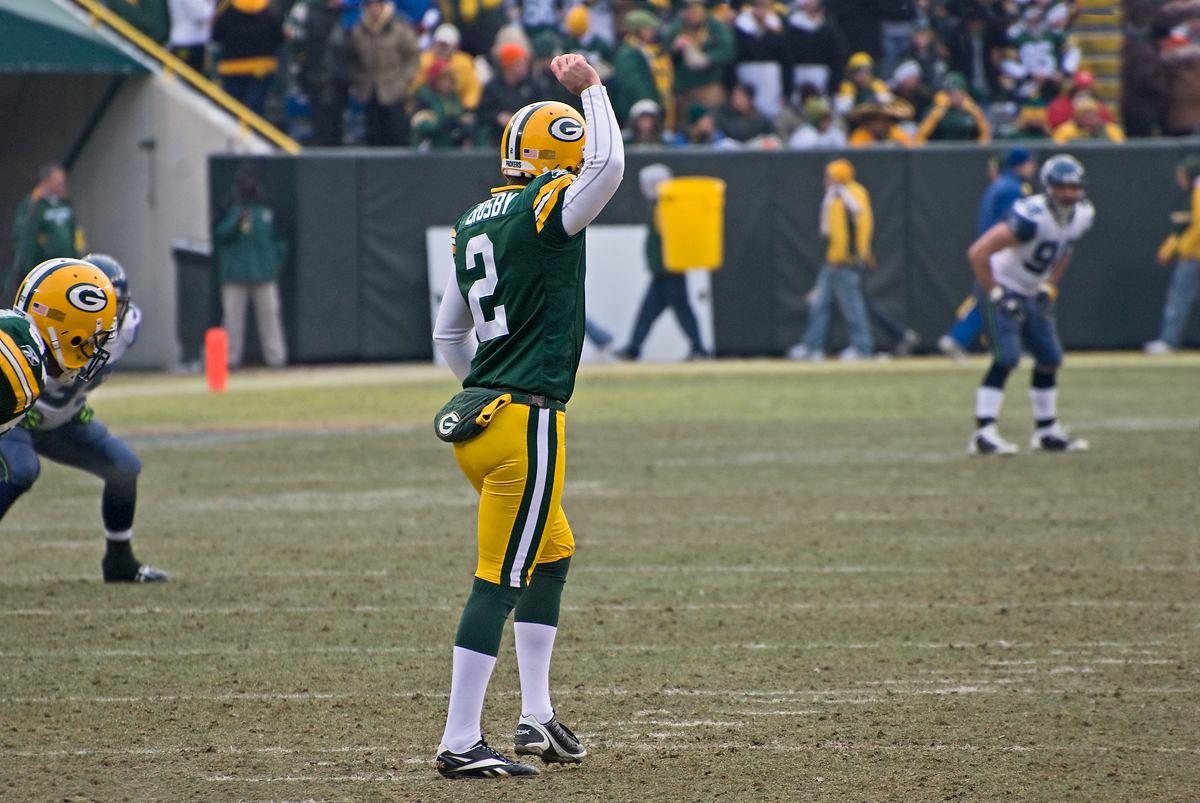
In our first scrimmage, the teacher told me to kick off the ball. Since I attended school in America, I knew what a “kick off” is. So, I naturally ran up to the ball and kicked it as far down the field as I could to the other team. The problem was that we weren’t playing American football; we were playing international “football” (i.e. soccer). Accordingly, I was supposed to lightly kick the ball to my own teammate, not the other team.
The problem is that I didn’t really know much about soccer. I didn’t know why or how I was supposed to “kick off.” My teacher assumed I understood his instruction.
Likewise, we make a similar mistake when we assume too much about contextualization. First,
Credit: Flickr/Mike Morbeck
people often assume contextualization is about evangelism more than discipleship (the subject of my previous post). Therefore, people typically assume that contextualization fundamentally concerns how we communicate and apply the gospel.
What happens when we attempt to contextualize or tell others to contextualize the gospel? Might we assume too much and so make the same mistake as my soccer teacher?
When playing soccer, I needed an entirely new perspective, not merely a few simplified pointers.
In the same way, we need more than a few principles for doing contextualization; we need to reorient people’s worldview (not merely their religion).
Assuming the Gospel
In One Gospel for All Nations, I identify a few problems that get in the way of biblically faithful and culturally meaningful contextualization.
Fi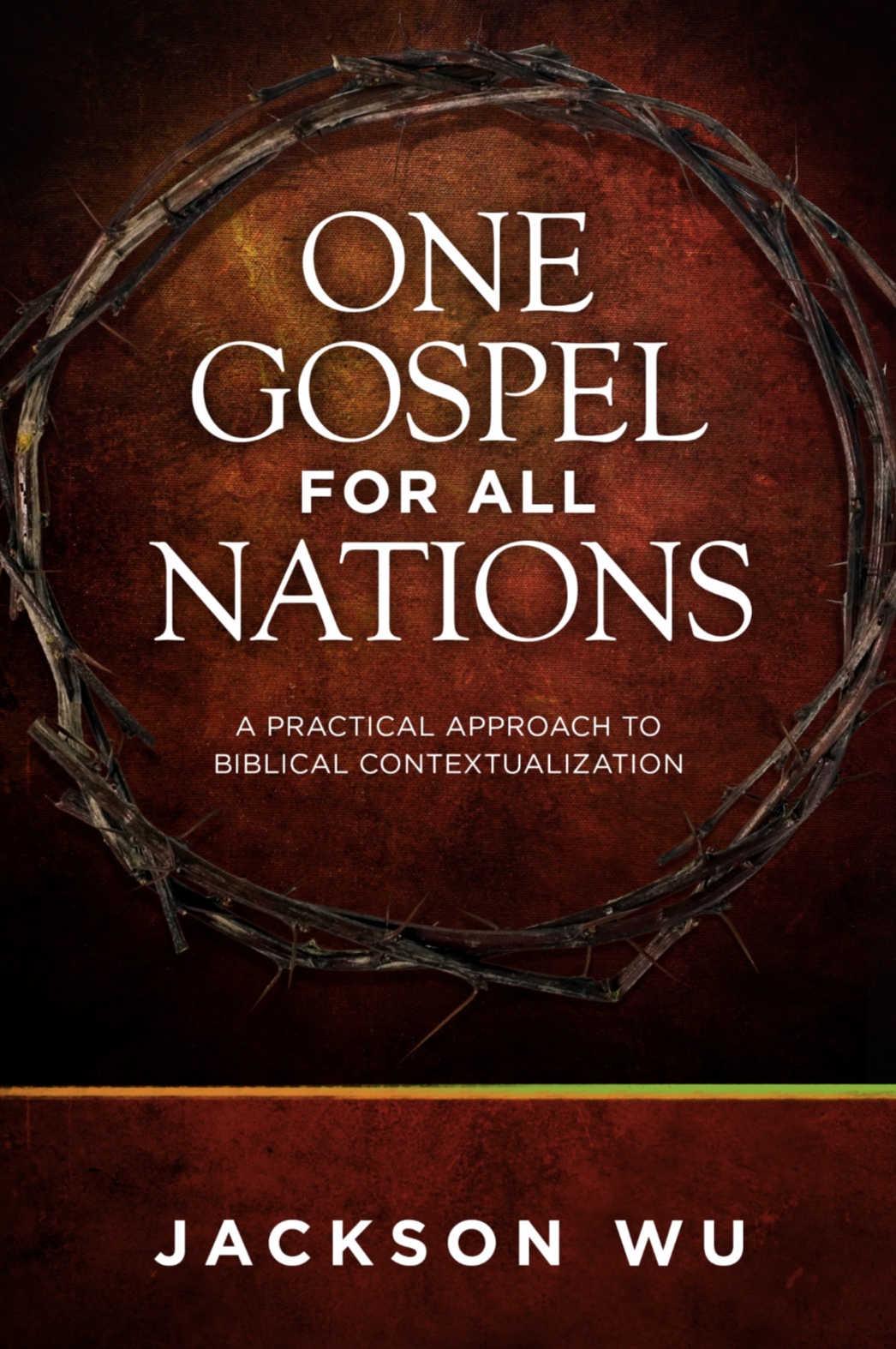 rst, people tend to “assume the gospel.” Of course such a claim might sound counter-intuitive, perhaps even provocative. Yet it is all too easy to assume a certain cultural expression of the gospel message as though it were in fact that of Paul, John, or any of the other biblical writers.
Evangelicals tend to have a fixed framework for understanding the gospel. Traditional categories and images are often prioritized that do not necessarily reflect the entire biblical context nor the ancient cultures represented in Scripture. By “assuming the gospel,” we “beg the question,” a logical fallacy in which one assumes a certain conclusion within his or her premises.
Christians might . . .
Consequently, it is possible to unwittingly “Judaize” (i.e., “Westernize”) our listeners.
Interpreting the Bible in Context
This first problem may stem from a second, more fundamental oversight. Everyone who contextualizes the gospel must first know what the Bible says; yet one quickly forgets that we all interpret the Bible through a cultural lens. Our worldview greatly influences our interpretation. It can be no other way.
We might not like it but we can’t change it. Our personal and cultural contexts act as filters to what we read. Our cultural perspective either opens up the text, giving fresh insight, or it hides certain facets of a passage (being less familiar to our own experience).
What about ancient historical documents? Don’t they help us gain the perspective of the biblical authors? Certainly this helps us but only to a point. After all, we still read those documents through our own cultural lenses.
In conversation with others, I find that people get very nervous at this point. Does contextualization then lead to “eisegesis,” whereby we force our own views into the biblical text? No, it should not. Quite the opposite––when we assume the views of our tradition, church, and organization are more complete than they actually are, then we are especially vulnerable to committing eisegesis!
Theological Syncretism
Although our cultural lenses influence the way we interpret the Bible, we are not doomed to subjectivism. The Bible reveals things that are objectively true; our perspective on those realities is simply limited.
In fact, when we understand that contextualization begins at interpretation, we have an opportunity to guard against a subtle form of syncretism––theological syncretism. By this, I refer to the tendency to read the Bible through the lens of our denomination, organization, ministry strategy, etc. and therefore miss so much more of what God reveals in Scripture. When we commit theological syncretism, we assume a view of gospel that makes it difficult to contextualize in a way that is both biblically faithful and culturally meaningful.
The Practical Importance of Perspective
Contextualization begins with interpretation. This is a practical insight.
How we interpret the Bible shapes the way we communicate and apply it. When we grasp this point, a number of implications emerge. For example, we will have to adjust common methods of missionary training. We need to prioritize exegesis and biblical theology, not simply systematic theology and anthropology.
Finally, contextualization requires far more than intellectual muscle. It tests our character. We must humbly acknowledge our limitations. In so doing, we can better serve others because we are willing to question our own dogmatic assumptions and thus listen to the others’ input.
Join me in praying that we would move beyond mere principles and instead get more practical in doing contextualization, beginning with biblical interpretation.
For more on the why and how of contextualization, check out One Gospel for All Nations: A Practical Approach to Biblical Contextualization.
Save
Previous Post

February 14, 2017
Review of "Becoming Native to Win the Natives"
Next Post
February 22, 2017 Learning from the Past: Language Study
Browse Our Archives
Select a Category Atonement Biblical Theology Book Reviews China Chinese Church Chinese Culture Chinese Language Collectivism Contextualization Culture (General) Ecclesiology Evangelism Gospel Honor & Shame (Face) Interpretation/Exegesis Justification/Righteousness Missiology Mission Methods One Gospel for All Nations Other Practical Contextualization Reading Romans with Eastern Eyes Resources Romans Salvation (General) Saving God's Face Seeking God's Face The Cross in Context Theological Contextualization Theological Education Theology Uncategorized
Select a Month October 2026 September 2026 August 2026 July 2026 June 2026 May 2026 April 2026 March 2026 February 2026 January 2026 December 2025 November 2025 October 2025 September 2025 August 2025 July 2025 June 2025 May 2025 April 2025 March 2025 February 2025 January 2025 December 2024 November 2024 October 2024 September 2024 August 2024 July 2024 June 2024 May 2024 April 2024 March 2024 February 2024 January 2024 December 2023 November 2023 October 2023 September 2023 August 2023 July 2023 June 2023 May 2023 April 2023 March 2023 February 2023 January 2023 December 2022 November 2022 October 2022 September 2022 August 2022 July 2022 June 2022 May 2022 April 2022 March 2022 February 2022 January 2022 December 2021 November 2021 October 2021 September 2021 August 2021 July 2021 June 2021 May 2021 April 2021 March 2021 February 2021 January 2021 December 2020 November 2020 October 2020 September 2020 August 2020 July 2020 June 2020 May 2020 April 2020 March 2020 February 2020 January 2020 December 2019 November 2019 October 2019 September 2019 August 2019 July 2019 June 2019 May 2019 April 2019 March 2019 February 2019 January 2019 December 2018 November 2018 October 2018 September 2018 August 2018 July 2018 June 2018 May 2018 April 2018 March 2018 February 2018 January 2018 December 2017 November 2017 October 2017 September 2017 August 2017 July 2017 June 2017 May 2017 April 2017 March 2017 February 2017 January 2017 December 2016 November 2016 October 2016 September 2016 August 2016 July 2016 June 2016 May 2016 April 2016 March 2016 February 2016 January 2016 December 2015 November 2015 October 2015 September 2015 August 2015 July 2015 June 2015 May 2015 April 2015 March 2015 February 2015 January 2015 December 2014 November 2014 October 2014 September 2014 August 2014 July 2014 June 2014 May 2014 April 2014 March 2014 February 2014 January 2014 December 2013 November 2013 October 2013 September 2013 August 2013 July 2013 June 2013 May 2013 April 2013 March 2013 February 2013 January 2013 December 2012 November 2012
Follow Us!
TAKE THE
Religious Wisdom Quiz
In the Parable of the Ten Virgins, what were the wise ones prepared for?
Select your answer to see how you score.
The Sabbath A king The bridegroom A feast
Books by This Author Books by Brad Vaughn
Related posts from Saving God's Face

Paul’s Contextualization of Artemis for the Ephesians

Bathsheba, #MeToo, and Eisegesis

I'm launching 3 online courses!
What's your political denomination?
TRENDING AT PATHEOS Evangelical

Methodist Central Hall and Westminster Abbey
Situated on the same square is Methodist Central Hall and Westminster Abbey. ...

57th Dove Awards Honor Dolly Parton, Crown New...
On gospel music’s biggest night, the 57th annual GMA Dove Awards honored...

The First Eucharistic Controversy: Christ’s Real Presence
For Catholics, the Eucharist is the source and summit of the Christian...

What a Stop Sign Can Teach Us About...
How to Make a Decision When You Can't Hear God Main point:...

Archdiocese Hosts Military Marriage Retreat in Germany
RASTATT, Germany — The transient military lifestyle, with its frequent deployments and...

Nearly every morning, I make the drive to Detroit with my high-school-age...
view all Evangelical blogs
Ad-Free & Subscriber Log-In Subscription Support
- About Us
- 2026 Calendar
- Videos
- Podcasts
- Library of World Religions
- Faith In Media Tracker
- Advertise With Us
- Write for Us
- Privacy Policy
- Terms of Service
- Do Not Sell My Data
- Contact Us
- Radiant Digital
- Manage Newsletter Subscriptions
- Unsubscribe From Notifications
- Sitemap
Copyright 2008-2026, Patheos. All rights reserved.
Subscription Support Ad-Free & Subscriber Log-In
Follow Patheos