
BuddhistCatholicContemplativeEvangelicalGeneral ChristianHinduJewishLatter-day SaintMuslimNew VisionsProgressive Christian
Beliefs
- Buddhist
- Catholic
- Contemplative
- Evangelical
- General Christian
- Hindu
- Jewish
- Latter-day Saint
- More Voices
- Muslim
- New Visions
- Pagan
- Progressive Christian
Topics
- Religion News
- Food and Religion
- Sports and Religion
- Religious Art
- Religious Music and Entertainment
- Religious Events
- History and Religion
- Style and Religion
- Politics and Religion
- Women in Religion
- Recreation Outdoors and Religion
- Business Finance and Religion
- Careers Workplace and Religion
- Education and Religion
- Family Parenting and Religion
- Health Fitness and Religion
- Home and Religion
- Relationships and Religion
- Technology and Religion
- Travel and Religion
Columnists
- Buddhist Columnists
- Business Finance and Religion Columnists
- Careers Workplace and Religion Columnists
- Catholic Columnists
- Contemplative Columnists
- Education and Religion Columnists
- Evangelists Columnists
- Family Parenting and Religion Columnists
- General Christian Columnists
- Health Fitness and Religion Columnists
- Hindu Columnists
- History and Religion Columnists
- Home and Religion Columnists
- Jewish Columnists
- More Voices Columnists
- Latter Day Columnists
- Muslim Columnists
- New Visions Columnists
- Nonreligious Columnists
- Pagan Columnists
- Politics and Religion Columnists
- Progressive Columnists
- Recreation Outdoors and Religion Columnists
- Relationships and Religion Columnists
- Religion News Columnists
- Religious Art Columnists
- Religious Events Columnists
- Religious Music and Entertainment Columnists
- Sports and Religion Columnists
- Style and Religion Columnists
- Technology and Religion Columnists
- Travel and Religion Columnists
- Women in Religion Columnists
Resource Library
- 2026 Calendar
- Library of World Religions
- The 100 Most Holy Places on Earth
- Patheos Answers
- Podcasts
- Videos
- Faith Leaders Database
- Anglican Episcopalian
- Bahai
- Baptist
- Buddhism
- Christianity
- Confucianism
- Eastern Orthodoxy
- Hinduism
- Holiness and Pentecostal
- ISKCON
- Islam
- Judaism
- Lutheran
- Methodist
- The Church of Jesus Christ of Latter-day Saints
- New Age
- Paganism
- Presbytarian and Reformed
- Protestantism
- Religion Behind the Scenes
- Roman Catholic
- Scientology
- Shia Islam
- Sikhism
- Sufism
- Sunni Islam
- Taoism
- Zen
- See all religions
Research Tools
 Ad-Free & Subscriber Log-In Subscription Support
Ad-Free & Subscriber Log-In Subscription Support
Follow Patheos 

- Trending:
- Forgiveness
- |
- Marriage
- |
- Consciousness
- |
- Death Penalty
- |
- Election
- |
- Halloween

-
Tools
-
Support the Work
- Home
- Evangelical
- What LGBT Teaches the Church about Shame (Part 3)
What LGBT Teaches the Church about Shame (Part 3)
Last updated on: October 6, 2016 at 6:26 am by Brad Vaughn
What LGBT Teaches the Church about Shame (Part 3) 2016-10-06T06:26:11-07:00 Brad Vaughn
Patheos Explore the world's faith through different perspectives on religion and spirituality! Patheos has the views of the prevalent religions and spiritualities of the world.
This post concludes the series by giving three suggestions to apply the observations made in Part 1 & Part 2 concerning the use of honor-shame in social issues.
Jesus said those of this world are more shrewd than people of the light (cf. Luke 16:8). The church’s response to the LBGT movement might be a modern case-in-point. Here are three initial suggestions for the church to move forward with greater shrewdness.
Morality is Bigger than Law
First, the church should recognize legal-guilt language is not always sufficient to engage moral issues of the heart and in society.

Credit: Public Domain
In fact, the LGBT itself has seized the opportunity to intertwine the sphere of law and shame. As we’ve seen, people have used honor-shame language to describe what they regard as inalienable human rights. A key point is this: LGBT has adopted the precise language Christians have supposed is a biblical and objective manner of talking about right and wrong.
The LGBT’s intertwining of legal and shame rhetoric demonstrates that legal metaphors (revered in Western theology) are not inherently sacred. In a democratic society based on the rule of law, the populous make something “right” or “wrong” simply by changing laws. If the church only talks about morality using law language, those who live in democracies will continue to mishear or ignore such metaphors.
Confucius prioritizes shame above law as a tool of shaping morality. He writes,
If the people are led by laws, and uniformity among them be sought by punishments, they will try to escape punishment and have no sense of shame. If they are led by virtue, and uniformity sought among them through practice of ritual propriety, they will possess a sense of shame and come to you of their own accord. (Analects 2:3)
It’s time to regain a broader understanding of shame in relationship to morality and theology. As we do, the church’s ministry can be more biblically faithful and culturally meaningful both in America and around the world.
Regaining a Sense of Shame in the Church
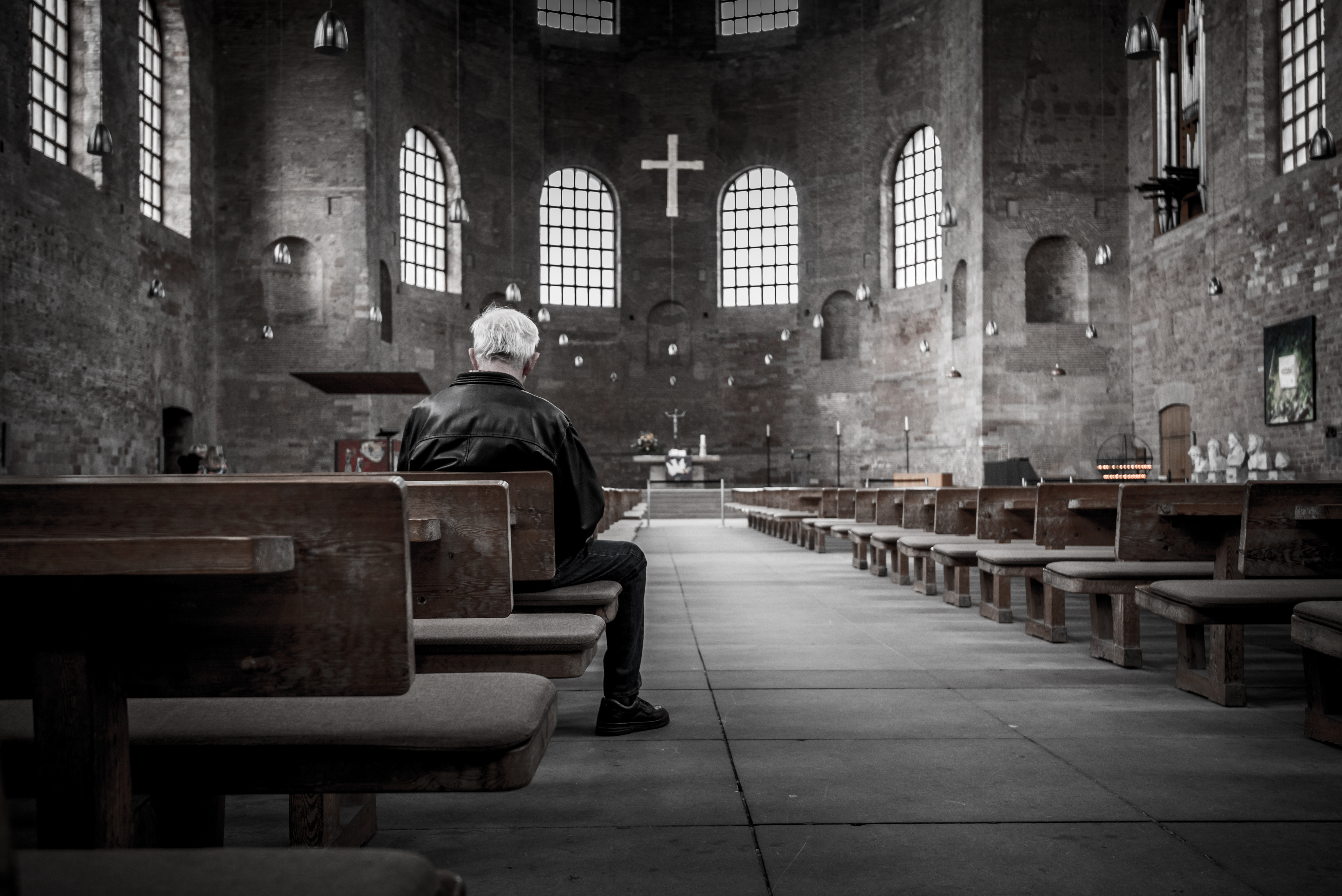
Second, Christians must radically rethink common views of the church.
Credit: Pixels
In actual practice, Western churches conform to the broader culture inasmuch as people treat the church as a voluntary social club rather than an essential aspect of Christian identity and maturity. Even a godly sense of shame requires a strong sense of collective identity. As long as Christians’ fundamental loyalty is not to one another, they remain highly prone to the shame tactics of the wider culture.
In the New Testament, discussions about Christian character presume the church’s strong sense of collective identity. Corinth in some ways is an ancient precursor to contemporary Western culture. In 1 Corinthians 5:1–2, Paul laments,
“It is actually reported that there is sexual immorality among you, and of a kind that is not tolerated even among pagans, for a man has his father’s wife. And you are arrogant! Ought you not rather to mourn? Let him who has done this be removed from among you.” (ESV)
Paul’s response is convicting and insightful. In verses 9–13, Paul adds,
I wrote to you in my letter not to associate with sexually immoral people—not at all meaning the sexually immoral of this world, or the greedy and swindlers, or idolaters, since then you would need to go out of the world. But now I am writing to you not to associate with anyone who bears the name of brother if he is guilty of sexual immorality or greed, or is an idolater, reviler, drunkard, or swindler—not even to eat with such a one. For what have I to do with judging outsiders? Is it not those inside the church whom you are to judge? God judges those outside. “Purge the evil person from among you.”
Paul forges a sharp distinction between insiders and outsiders. Accordingly, Paul directly appeals the Corinthians’ shame when they insist on their individual rights rather than allow themselves to be wronged. He says,
“When one of you has a grievance against another, does he dare go to law before the unrighteous instead of the saints?… So if you have such cases, why do you lay them before those who have no standing in the church? I say this to your shame” (1 Corinthians 6:1, 4–5).
Christian community requires that individuals humble themselves for the sake of the church’s witness in the world.
It’s difficult to persuade others on moral issues when our own house is a wreck. For the church to have a godly sense of shame, we must regain a counter-cultural practice––church discipline. Consider Paul’s word of love in 1 Thessalonians 3:14–15,
“If anyone does not obey what we say in this letter, take note of that person, and have nothing to do with him, that he may be ashamed. Do not regard him as an enemy, but warn him as a brother.”
For many, the reflex reaction against this practice likely reflects the fact that they have subtly adopted the perspective of the wider individualistic, “fame-shame” culture. Yet, what are those outside the church to think when Christians want to legislate the behaviors of outsiders when believers are unwilling to enact church discipline on the chronic fornication, divorce and adultery in its midst?
Social mores have loosened at the same time the church has relaxed its expectations of church members. This is probably not coincidental. Many churches use various attractional techniques to woo the world’s tolerance.
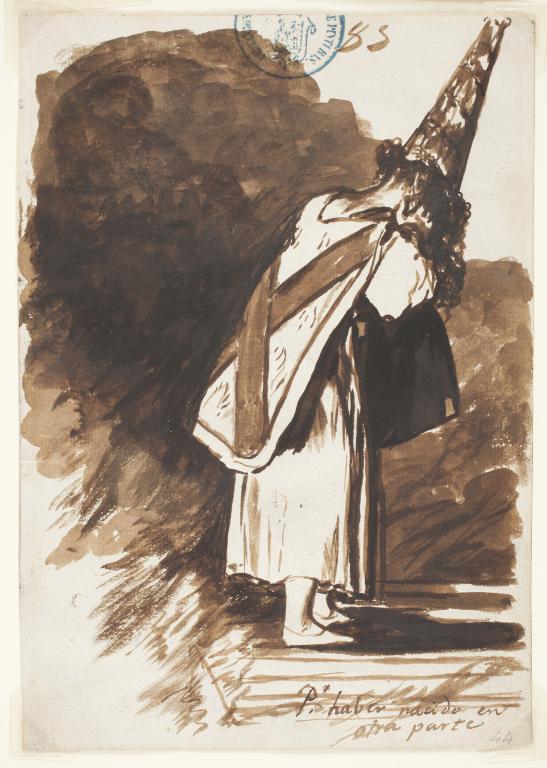
However, the increasing fixation on attracting seekers comes at a high cost and might subtly succumb to the fatal trappings of a “fame-shame” culture. Unknowingly, such churches make “belonging” the principle conviction that guides ministry practice. The greatest sin is anything that draws a line that might make someone feel like an outsider to God’s people.
Credit: wikipedia
As the American church faces its marginalized status, one realizes that something else might fuel zeal to build large, seeker-friendly churches. Perhaps, rapid growth and popularity has the attractive side effect of appeasing the churches’ own sense of shame by making them feel like they belong in the broader culture.
Shamed for Christ’s Name
Third, Christians should explore constructive uses of shame.
After all, various biblical writers equipped the early church, a social minority, to use shame when engaging outsiders. Rather than assume a position of power, early believers intentionally used weakness to undermine the honor-shame dynamics of the culture.
Peter urges readers to respond to outsiders
“with gentleness and respect, having a good conscience, so that, when you are slandered, those who revile your good behavior in Christ may be put to shame” (1 Pet 3:15–17).
Paul makes similar comments to social groups who lacked social influence. Despite the lack of political rights, their behavior should give opponents no occasion to “revile” or “slander” God’s word (Titus 2:3–8; 1 Tim 5:14; 6:1).
Hopefully, these observations will stimulate conversation concerning the contemporary Western context. As a prerequisite, a biblically faithful response to culture requires Christians to stop using worldly methods of shaming. Some behaviors are subtle. For example, we should ask, “How do we talk about LGBT? With generosity and grace or fear and anger?” Even how we talk about social groups can perpetuate destructive uses of shame.
“If anyone suffers as a Christian, let him not be ashamed, but let him glorify God in that name” (1 Peter 4:16).
This alternative lifestyle is the fruit of consistent Christian character. The church’s perseverance transcends cultural trends and appeals to more fundamental human values like love, justice, and unity. Rather than insist on individual rights, Paul welcomed suffering as a means of seeking honor before God. Living in the margins of culture provides a unique opportunity to exalt Christ’s name, not personal fame.
Save
Save
Previous Post

September 29, 2016
What LGBT Teaches the Church about Shame (Part 2)
Next Post

October 12, 2016 Study Guides to Training Videos
Browse Our Archives
Select a Category Atonement Biblical Theology Book Reviews China Chinese Church Chinese Culture Chinese Language Collectivism Contextualization Culture (General) Ecclesiology Evangelism Gospel Honor & Shame (Face) Interpretation/Exegesis Justification/Righteousness Missiology Mission Methods One Gospel for All Nations Other Practical Contextualization Reading Romans with Eastern Eyes Resources Romans Salvation (General) Saving God's Face Seeking God's Face The Cross in Context Theological Contextualization Theological Education Theology Uncategorized
Select a Month October 2026 September 2026 August 2026 July 2026 June 2026 May 2026 April 2026 March 2026 February 2026 January 2026 December 2025 November 2025 October 2025 September 2025 August 2025 July 2025 June 2025 May 2025 April 2025 March 2025 February 2025 January 2025 December 2024 November 2024 October 2024 September 2024 August 2024 July 2024 June 2024 May 2024 April 2024 March 2024 February 2024 January 2024 December 2023 November 2023 October 2023 September 2023 August 2023 July 2023 June 2023 May 2023 April 2023 March 2023 February 2023 January 2023 December 2022 November 2022 October 2022 September 2022 August 2022 July 2022 June 2022 May 2022 April 2022 March 2022 February 2022 January 2022 December 2021 November 2021 October 2021 September 2021 August 2021 July 2021 June 2021 May 2021 April 2021 March 2021 February 2021 January 2021 December 2020 November 2020 October 2020 September 2020 August 2020 July 2020 June 2020 May 2020 April 2020 March 2020 February 2020 January 2020 December 2019 November 2019 October 2019 September 2019 August 2019 July 2019 June 2019 May 2019 April 2019 March 2019 February 2019 January 2019 December 2018 November 2018 October 2018 September 2018 August 2018 July 2018 June 2018 May 2018 April 2018 March 2018 February 2018 January 2018 December 2017 November 2017 October 2017 September 2017 August 2017 July 2017 June 2017 May 2017 April 2017 March 2017 February 2017 January 2017 December 2016 November 2016 October 2016 September 2016 August 2016 July 2016 June 2016 May 2016 April 2016 March 2016 February 2016 January 2016 December 2015 November 2015 October 2015 September 2015 August 2015 July 2015 June 2015 May 2015 April 2015 March 2015 February 2015 January 2015 December 2014 November 2014 October 2014 September 2014 August 2014 July 2014 June 2014 May 2014 April 2014 March 2014 February 2014 January 2014 December 2013 November 2013 October 2013 September 2013 August 2013 July 2013 June 2013 May 2013 April 2013 March 2013 February 2013 January 2013 December 2012 November 2012
Follow Us!
TAKE THE
Religious Wisdom Quiz
Who said, "Lord, to whom shall we go? You have the words of eternal life"?
Select your answer to see how you score.
James Judas John Peter
Books by This Author Books by Brad Vaughn
Related posts from Saving God's Face

No King forgets his crown. Why do we?

Recovering Moral Vision Between Shame and Shamelessness

Refuge, Confession, and the End of Shame

Psalm 25 and the Fear of Being Put...
TRENDING AT PATHEOS Evangelical

Emotion in Early Christianity by Andrew Crislip
Andrew Crislip’s Emotion in Early Christianity examines an often overlooked dimension of...

16 Spiritual Touchstones for a More Grounded Life
After decades of spiritual study, here are 16 principles I try...

Catholic Evangelization: Sharing Your Faith Every Day
Welcome back to the Graceful Awakening mini-series called, “From Faith to Mission.” ...

The Pillar of the Boatmen: the Ancient Monument...
The Pillar of the Boatmen is a Romano-Gaulish sculpture that dates from...

In one sense walking into Westminster Abbey is like walking down the...

'Super Scam Me' Exposes AI Jon Bon Jovi...
Leslie Pickett believed she was in a relationship with Jon Bon Jovi....
view all Evangelical blogs
Ad-Free & Subscriber Log-In Subscription Support
- About Us
- 2026 Calendar
- Videos
- Podcasts
- Library of World Religions
- Faith In Media Tracker
- Advertise With Us
- Write for Us
- Privacy Policy
- Terms of Service
- Do Not Sell My Data
- Contact Us
- Radiant Digital
- Manage Newsletter Subscriptions
- Unsubscribe From Notifications
- Sitemap
Copyright 2008-2026, Patheos. All rights reserved.
Subscription Support Ad-Free & Subscriber Log-In
Follow Patheos