
BuddhistCatholicContemplativeEvangelicalGeneral ChristianHinduJewishLatter-day SaintMuslimNew VisionsProgressive Christian
Beliefs
- Buddhist
- Catholic
- Contemplative
- Evangelical
- General Christian
- Hindu
- Jewish
- Latter-day Saint
- More Voices
- Muslim
- New Visions
- Pagan
- Progressive Christian
Topics
- Religion News
- Food and Religion
- Sports and Religion
- Religious Art
- Religious Music and Entertainment
- Religious Events
- History and Religion
- Style and Religion
- Politics and Religion
- Women in Religion
- Recreation Outdoors and Religion
- Business Finance and Religion
- Careers Workplace and Religion
- Education and Religion
- Family Parenting and Religion
- Health Fitness and Religion
- Home and Religion
- Relationships and Religion
- Technology and Religion
- Travel and Religion
Columnists
- Buddhist Columnists
- Business Finance and Religion Columnists
- Careers Workplace and Religion Columnists
- Catholic Columnists
- Contemplative Columnists
- Education and Religion Columnists
- Evangelists Columnists
- Family Parenting and Religion Columnists
- General Christian Columnists
- Health Fitness and Religion Columnists
- Hindu Columnists
- History and Religion Columnists
- Home and Religion Columnists
- Jewish Columnists
- More Voices Columnists
- Latter Day Columnists
- Muslim Columnists
- New Visions Columnists
- Nonreligious Columnists
- Pagan Columnists
- Politics and Religion Columnists
- Progressive Columnists
- Recreation Outdoors and Religion Columnists
- Relationships and Religion Columnists
- Religion News Columnists
- Religious Art Columnists
- Religious Events Columnists
- Religious Music and Entertainment Columnists
- Sports and Religion Columnists
- Style and Religion Columnists
- Technology and Religion Columnists
- Travel and Religion Columnists
- Women in Religion Columnists
Resource Library
- 2026 Calendar
- Library of World Religions
- The 100 Most Holy Places on Earth
- Patheos Answers
- Podcasts
- Videos
- Faith Leaders Database
- Anglican Episcopalian
- Bahai
- Baptist
- Buddhism
- Christianity
- Confucianism
- Eastern Orthodoxy
- Hinduism
- Holiness and Pentecostal
- ISKCON
- Islam
- Judaism
- Lutheran
- Methodist
- The Church of Jesus Christ of Latter-day Saints
- New Age
- Paganism
- Presbytarian and Reformed
- Protestantism
- Religion Behind the Scenes
- Roman Catholic
- Scientology
- Shia Islam
- Sikhism
- Sufism
- Sunni Islam
- Taoism
- Zen
- See all religions
Research Tools
 Ad-Free & Subscriber Log-In Subscription Support
Ad-Free & Subscriber Log-In Subscription Support
Follow Patheos 

- Trending:
- Forgiveness
- |
- Marriage
- |
- Consciousness
- |
- Death Penalty
- |
- Election
- |
- Halloween

-
Tools
-
Support the Work
- Home
- Evangelical
- A Simple Approach to Applying Scripture (Part 2)
A Simple Approach to Applying Scripture (Part 2)
Last updated on: August 14, 2015 at 6:47 am by Brad Vaughn
A Simple Approach to Applying Scripture (Part 2) 2015-08-14T06:47:29-07:00 Brad Vaughn
Patheos Explore the world's faith through different perspectives on religion and spirituality! Patheos has the views of the prevalent religions and spiritualities of the world.
In the last post, I highlighted the tendency to reduce “application” merely to “actions.” In fact, biblical application involves our head, heart, and hands.
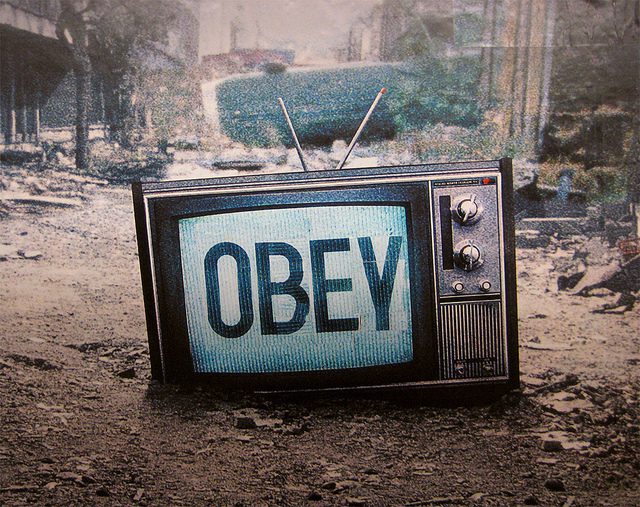
Photo Credit: Poster Boy via pixabay
Today, I suggest an easy to use method whereby we can apply any Scripture passage, even if it doesn’t tell us some action to do (or not to do). In this post, I’ll give a summary explanation of the method.
Later, I’ll further explain why these points are not only less arbitrary than other approaches; in addition, we have Scriptural warrant for using this sequence of questions. There is a distinct logic here. There are advantages to asking these questions. That discussion however will come in part 3 of the series.
We can ask four questions.
The sequence of questions matters. Each one can be remembered with a key word beginning with the letter H. As with the method the interpretation I introduced previously, so here there are some elements may be counter intuitive yet important nevertheless. For example, consider the first question.
1. How does the text HONOR God?
This question is not about how we should honor God; rather, we’re asking how the passage we are reading reveals thus honors God. How do the verses themselves attempt to show how special God is?
As 1 Cor. 10:31 reminds us, all we do should be done for the glory of God. God is the main character in every Biblical passage. Therefore, our lead question should not be, “How should I apply this verse?” Instead, we first ask, “How does this passage honor God?” By starting here, our obedience becomes a response to God––an expression of who God is and what He has done. There is no genuine obedience to God that is not rooted in and reflective of His glory.
If we only had one question to ask of these four, then this first one is most important. Rightly perceiving God’s worth can naturally produce godly responses in His children in ways we may not even be aware of. Honestly, we have to remind ourselves, “What does it matter if we conform to some standard but without love for God in our hearts?”
2. How should it affect our HEAD?
The next three questions have a positive and negative side.
 This second question concerns our thoughts. Positively, what should we know and believe? Negatively, what should I not think or believe? Truth matters. So many of the world’s ills come from not knowing and believing the truth. One certainly can’t love what can’t be apprehended to some measure in the mind. I didn’t say we have to have complete comprehension; however, we do need some degree of understanding. Imagine if I told you, “All people must love D&#kAe in order to s^73mcQ.” You would have no idea what I mean, to ay nothing of loving and doing something.
Of course, our “head” is just the beginning. I find a tendency in people to throw the baby out with the bath water. Because head knowledge is not sufficient to produce a godly life, people then start to demur or minimize head knowledge. Knowledge is for various kinds of obedient response. Obedience to truth is far more God-glorifying that compliance borne out of ignorance or even wrong beliefs. No doubt this way of thinking about knowledge has led to much anti-intellectualism (and its cousin “anti-theologicalism”). Knowledge is necessary, even if it is not sufficient.
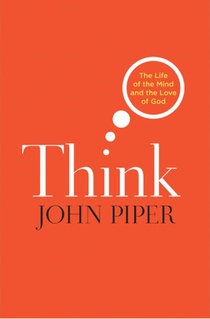
A helpful book on the subject is John Piper’s Think.
3. How should it affect our HEART?
This third question relates to our desires, will, and affections. Positively, what should we feel and want? Negatively, what sin does this expose in my heart?
Many are unaware that the Bible commands us to have and not have certain emotions. I recently heard one Christian woman say that we have the right to have any emotion we want because they are ours. First of all, this is faulty logic––I don’t have the right to possess drugs simply because they are mine. Second, this sentiment is in direct contradiction with Scripture. For examples, consider the following verses:
Phil 4:4, “Rejoice in the Lord always; again I will say, rejoice.”
Eph 4:26, 31, “Be angry and do not sin; do not let the sun go down on your anger … Let all bitterness and wrath and anger and clamor and slander be put away from you, along with all malice.”
Rom 12:15, “Rejoice with those who rejoice, weep with those who weep.”
Luke 6:35, “But love your enemies, and do good, and lend, expecting nothing in return, and your reward will be great, and you will be sons of the Most High, for he is kind to the ungrateful and the evil.”
Col 3:15, “And let the peace of Christ rule in your hearts, to which indeed you were called in one body. And be thankful.”
Each of these verses commands some sort of emotional and volitional response. God commands our emotions (like joy) just as he does our actions.
Do we take this seriously in our discipleship and personal application?
4. How should it affect our HANDS?
This last question is easy enough to understand. Positively, what actions should I do? Negatively, what should I not do?
However, one reason it’s so hard to actually obey with our actions is because we neglect the previous three questions. We don’t get a clear view of God’s glory such that our minds are changed and our hearts moved to spur us to act in a Christ-like manner.
So Now What?
Try using these questions in you personal devotions and in your Bible study groups.
Slow yourself down and take each question in order.
Remember the head, heart, and hands questions have both positive and negative aspects. The application implied by some texts is not always obvious.
Let me know whether you get a bit more out of your Scripture reading.
In a coming post, I’ll explain the biblical and theological logic behind these questions.
Previous Post

June 11, 2014
What is "Application"?
Next Post
June 25, 2014 The Logic of Biblical Application (Part 3)
Browse Our Archives
Select a Category Atonement Biblical Theology Book Reviews China Chinese Church Chinese Culture Chinese Language Collectivism Contextualization Culture (General) Ecclesiology Evangelism Gospel Honor & Shame (Face) Interpretation/Exegesis Justification/Righteousness Missiology Mission Methods One Gospel for All Nations Other Practical Contextualization Reading Romans with Eastern Eyes Resources Romans Salvation (General) Saving God's Face Seeking God's Face The Cross in Context Theological Contextualization Theological Education Theology Uncategorized
Select a Month October 2026 September 2026 August 2026 July 2026 June 2026 May 2026 April 2026 March 2026 February 2026 January 2026 December 2025 November 2025 October 2025 September 2025 August 2025 July 2025 June 2025 May 2025 April 2025 March 2025 February 2025 January 2025 December 2024 November 2024 October 2024 September 2024 August 2024 July 2024 June 2024 May 2024 April 2024 March 2024 February 2024 January 2024 December 2023 November 2023 October 2023 September 2023 August 2023 July 2023 June 2023 May 2023 April 2023 March 2023 February 2023 January 2023 December 2022 November 2022 October 2022 September 2022 August 2022 July 2022 June 2022 May 2022 April 2022 March 2022 February 2022 January 2022 December 2021 November 2021 October 2021 September 2021 August 2021 July 2021 June 2021 May 2021 April 2021 March 2021 February 2021 January 2021 December 2020 November 2020 October 2020 September 2020 August 2020 July 2020 June 2020 May 2020 April 2020 March 2020 February 2020 January 2020 December 2019 November 2019 October 2019 September 2019 August 2019 July 2019 June 2019 May 2019 April 2019 March 2019 February 2019 January 2019 December 2018 November 2018 October 2018 September 2018 August 2018 July 2018 June 2018 May 2018 April 2018 March 2018 February 2018 January 2018 December 2017 November 2017 October 2017 September 2017 August 2017 July 2017 June 2017 May 2017 April 2017 March 2017 February 2017 January 2017 December 2016 November 2016 October 2016 September 2016 August 2016 July 2016 June 2016 May 2016 April 2016 March 2016 February 2016 January 2016 December 2015 November 2015 October 2015 September 2015 August 2015 July 2015 June 2015 May 2015 April 2015 March 2015 February 2015 January 2015 December 2014 November 2014 October 2014 September 2014 August 2014 July 2014 June 2014 May 2014 April 2014 March 2014 February 2014 January 2014 December 2013 November 2013 October 2013 September 2013 August 2013 July 2013 June 2013 May 2013 April 2013 March 2013 February 2013 January 2013 December 2012 November 2012
Follow Us!
TAKE THE
Religious Wisdom Quiz
Who saw the vision of the valley of dry bones?
Select your answer to see how you score.
Daniel Jeremiah Isaiah Ezekiel
Books by This Author Books by Brad Vaughn
Related posts from Saving God's Face

Why Christianity Needs Individuals but Rejects Individualism

Glory, Violence, and the Gospel of Peace
“I’ll be wherever you call me.”

Biblical Foundations for Local Embodiment
TRENDING AT PATHEOS Evangelical

Methodist Central Hall and Westminster Abbey
Situated on the same square is Methodist Central Hall and Westminster Abbey. ...

57th Dove Awards Honor Dolly Parton, Crown New...
On gospel music’s biggest night, the 57th annual GMA Dove Awards honored...

The First Eucharistic Controversy: Christ’s Real Presence
For Catholics, the Eucharist is the source and summit of the Christian...

What a Stop Sign Can Teach Us About...
How to Make a Decision When You Can't Hear God Main point:...

Archdiocese Hosts Military Marriage Retreat in Germany
RASTATT, Germany — The transient military lifestyle, with its frequent deployments and...

Nearly every morning, I make the drive to Detroit with my high-school-age...
view all Evangelical blogs
Ad-Free & Subscriber Log-In Subscription Support
- About Us
- 2026 Calendar
- Videos
- Podcasts
- Library of World Religions
- Faith In Media Tracker
- Advertise With Us
- Write for Us
- Privacy Policy
- Terms of Service
- Do Not Sell My Data
- Contact Us
- Radiant Digital
- Manage Newsletter Subscriptions
- Unsubscribe From Notifications
- Sitemap
Copyright 2008-2026, Patheos. All rights reserved.
Subscription Support Ad-Free & Subscriber Log-In
Follow Patheos