
BuddhistCatholicContemplativeEvangelicalGeneral ChristianHinduJewishLatter-day SaintMuslimNew VisionsProgressive Christian
Beliefs
- Buddhist
- Catholic
- Contemplative
- Evangelical
- General Christian
- Hindu
- Jewish
- Latter-day Saint
- More Voices
- Muslim
- New Visions
- Pagan
- Progressive Christian
Topics
- Religion News
- Food and Religion
- Sports and Religion
- Religious Art
- Religious Music and Entertainment
- Religious Events
- History and Religion
- Style and Religion
- Politics and Religion
- Women in Religion
- Recreation Outdoors and Religion
- Business Finance and Religion
- Careers Workplace and Religion
- Education and Religion
- Family Parenting and Religion
- Health Fitness and Religion
- Home and Religion
- Relationships and Religion
- Technology and Religion
- Travel and Religion
Columnists
- Buddhist Columnists
- Business Finance and Religion Columnists
- Careers Workplace and Religion Columnists
- Catholic Columnists
- Contemplative Columnists
- Education and Religion Columnists
- Evangelists Columnists
- Family Parenting and Religion Columnists
- General Christian Columnists
- Health Fitness and Religion Columnists
- Hindu Columnists
- History and Religion Columnists
- Home and Religion Columnists
- Jewish Columnists
- More Voices Columnists
- Latter Day Columnists
- Muslim Columnists
- New Visions Columnists
- Nonreligious Columnists
- Pagan Columnists
- Politics and Religion Columnists
- Progressive Columnists
- Recreation Outdoors and Religion Columnists
- Relationships and Religion Columnists
- Religion News Columnists
- Religious Art Columnists
- Religious Events Columnists
- Religious Music and Entertainment Columnists
- Sports and Religion Columnists
- Style and Religion Columnists
- Technology and Religion Columnists
- Travel and Religion Columnists
- Women in Religion Columnists
Resource Library
- 2026 Calendar
- Library of World Religions
- The 100 Most Holy Places on Earth
- Patheos Answers
- Podcasts
- Videos
- Faith Leaders Database
- Anglican Episcopalian
- Bahai
- Baptist
- Buddhism
- Christianity
- Confucianism
- Eastern Orthodoxy
- Hinduism
- Holiness and Pentecostal
- ISKCON
- Islam
- Judaism
- Lutheran
- Methodist
- The Church of Jesus Christ of Latter-day Saints
- New Age
- Paganism
- Presbytarian and Reformed
- Protestantism
- Religion Behind the Scenes
- Roman Catholic
- Scientology
- Shia Islam
- Sikhism
- Sufism
- Sunni Islam
- Taoism
- Zen
- See all religions
Research Tools
 Ad-Free & Subscriber Log-In Subscription Support
Ad-Free & Subscriber Log-In Subscription Support
Follow Patheos 

- Trending:
- Forgiveness
- |
- Marriage
- |
- Consciousness
- |
- Death Penalty
- |
- Election
- |
- Halloween

-
Tools
-
Support the Work
- Home
- Evangelical
- The "Romans 23 Principle" (a follow-up post)
The "Romans 23 Principle" (a follow-up post)
Last updated on: March 24, 2014 at 8:20 am by Brad Vaughn
The "Romans 23 Principle" (a follow-up post) 2014-03-24T08:20:26-07:00 Brad Vaughn
Patheos Explore the world's faith through different perspectives on religion and spirituality! Patheos has the views of the prevalent religions and spiritualities of the world.
A reader asked a question about my previous post “Using the ‘Romans 23’ Principle to Explain Sin.” Here is the comment he left on the blog:
“I definitely see two aspects of sin: against God’s person (the honor-shame motif) and against God’s law (the innocence-guilt motif). My ministry partners here in Cambodia have been discussing this particular post via email. I did want to raise a question about Romans 2:23. It seems that the dishonor comes from the breaking of the law, which is the definition of unrighteousness in Jewish thought, as easily shown from a host of biblical passages. More than that, any Jew would have assumed the Gentiles to be unrighteous (= law breakers) because they didn’t have the law.
I am still trying to put all of this together in my mind. I agree with most of what you have said below and believe it to be very helpful. It just seems to me that Romans 2:23 is actually saying that the way people have dishonored God is by them breaking the law. It seems like legal terms to me. This is not to discount Romans 1 and 3.”
Below is my response––
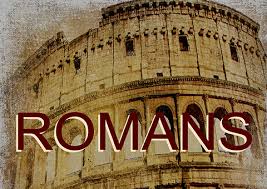 Thank you for allowing me to join your discussion. Of course, I’m glad to hear people processing these passages. In Saving God’s Face, I discuss this passage and show how it fits into its surrounding context.
For now, I’ll respond using four broad lines of thought.
1) Distinguish Meaning from the Means
Regarding Rom 2:23, it is important to distinguish means from ends, essence versus expression. Fundamentally, the core problem or offense is that people bring disrepute upon God’s name. Breaking the Law is simply one way of dishonoring God.
By analogy, I could offend a friend in a variety of ways, like insulting his wife, dressing inappropriately at a formal event, being too blunt, etc. Yet, the key issue is the fact that I am offending him, treating him as lacking value.
In fact, the grammar clarifies the point. “Dishonor” is the sentence’s lone verb (excluding the participle “boast” within the nominative/subject clause). Breaking law is a prepositional phrase modifying the subject’s main actions.
2) Verse 24
The fact Paul ground v. 23 with v. 24 is further confirmation. Rom. 2:23 is unambiguously concerned with the dishonor brought upon God’s name.
3) Boasting
Additionally, the way he describes the offenders as those who “boast” in the law (and who boast in God in 2:17 highlights the irony, which centers on honor-shame. After all, they presume to honor that which they boast in. Note that believers “boast” (same Greek word) in the glory of God in Rom 5:2.
4) The Meaning of “Law”
One more critical observation to make is that the Law in Romans 2 is not talking about some sort of abstract human moral law in the universe. He is talking about the Mosaic Law specifically. Thus, the Jews have the Law by birth whereas the Gentiles do not (cf. Rom 2:13-14; hence, the objection posed in 3:1-3). This has been argued in my Saving God’s Face as well as in a number of other places at length.
One of the most important passages confirming that Paul is not defining sin in terms of Law is found in Romans 5:13, where Paul writes, “…for sin indeed was in the world before the law was given, but sin is not counted where there is no law.”
Notice also that 5:14 confirms what Paul means by “Law.” Thus, in the very next verse, he says, “Yet death reigned from Adam to Moses, even over those whose sinning was not like the transgression of Adam, who was a type of the one who was to come.” Clearly, the “Law” comes in with Moses.
Accordingly, Jews dishonored God “breaking his Law.” Yet, people dishonored God prior to the Law’s arrival. In that case, the essence of “sin” (evil/wrong human thoughts/desires/behavior) could not be breaking a Law that didn’t exist.
Let me know if you have any follow-up questions. I’d love to hear your thoughts.
Picture Credit: CC 2.0 Search
Related articles
 Using the “Romans 23 Principle” to Explain Sin
 Justifying Honor and Shame in Romans
 My Latest Article on Romans Now Published in JETS

Previous Post

March 19, 2014
What does it mean to "know righteousness"?
Next Post

March 26, 2014 "The World is Against Me"
Browse Our Archives
Select a Category Atonement Biblical Theology Book Reviews China Chinese Church Chinese Culture Chinese Language Collectivism Contextualization Culture (General) Ecclesiology Evangelism Gospel Honor & Shame (Face) Interpretation/Exegesis Justification/Righteousness Missiology Mission Methods One Gospel for All Nations Other Practical Contextualization Reading Romans with Eastern Eyes Resources Romans Salvation (General) Saving God's Face Seeking God's Face The Cross in Context Theological Contextualization Theological Education Theology Uncategorized
Select a Month October 2026 September 2026 August 2026 July 2026 June 2026 May 2026 April 2026 March 2026 February 2026 January 2026 December 2025 November 2025 October 2025 September 2025 August 2025 July 2025 June 2025 May 2025 April 2025 March 2025 February 2025 January 2025 December 2024 November 2024 October 2024 September 2024 August 2024 July 2024 June 2024 May 2024 April 2024 March 2024 February 2024 January 2024 December 2023 November 2023 October 2023 September 2023 August 2023 July 2023 June 2023 May 2023 April 2023 March 2023 February 2023 January 2023 December 2022 November 2022 October 2022 September 2022 August 2022 July 2022 June 2022 May 2022 April 2022 March 2022 February 2022 January 2022 December 2021 November 2021 October 2021 September 2021 August 2021 July 2021 June 2021 May 2021 April 2021 March 2021 February 2021 January 2021 December 2020 November 2020 October 2020 September 2020 August 2020 July 2020 June 2020 May 2020 April 2020 March 2020 February 2020 January 2020 December 2019 November 2019 October 2019 September 2019 August 2019 July 2019 June 2019 May 2019 April 2019 March 2019 February 2019 January 2019 December 2018 November 2018 October 2018 September 2018 August 2018 July 2018 June 2018 May 2018 April 2018 March 2018 February 2018 January 2018 December 2017 November 2017 October 2017 September 2017 August 2017 July 2017 June 2017 May 2017 April 2017 March 2017 February 2017 January 2017 December 2016 November 2016 October 2016 September 2016 August 2016 July 2016 June 2016 May 2016 April 2016 March 2016 February 2016 January 2016 December 2015 November 2015 October 2015 September 2015 August 2015 July 2015 June 2015 May 2015 April 2015 March 2015 February 2015 January 2015 December 2014 November 2014 October 2014 September 2014 August 2014 July 2014 June 2014 May 2014 April 2014 March 2014 February 2014 January 2014 December 2013 November 2013 October 2013 September 2013 August 2013 July 2013 June 2013 May 2013 April 2013 March 2013 February 2013 January 2013 December 2012 November 2012
Follow Us!
TAKE THE
Religious Wisdom Quiz
In Jude, what did the Lord do to the people he saved from Egypt who did not believe?
Select your answer to see how you score.
Destroyed them Let them wander forty years Punished them Cast them into the wilderness
Books by This Author Books by Brad Vaughn
Related posts from Saving God's Face

Why Christianity Needs Individuals but Rejects Individualism

Glory, Violence, and the Gospel of Peace
“I’ll be wherever you call me.”

Biblical Foundations for Local Embodiment
TRENDING AT PATHEOS Evangelical

The First Eucharistic Controversy: Christ’s Real Presence
For Catholics, the Eucharist is the source and summit of the Christian...

What a Stop Sign Can Teach Us About...
How to Make a Decision When You Can't Hear God Main point:...

Archdiocese Hosts Military Marriage Retreat in Germany
RASTATT, Germany — The transient military lifestyle, with its frequent deployments and...

Nearly every morning, I make the drive to Detroit with my high-school-age...

The Real AI Story Is Adoption Without Trust
Artificial intelligence has crossed a political threshold. It is no longer a...

A new article, written by Jeff Lindsay and Gale L. Pooley,...
view all Evangelical blogs
Ad-Free & Subscriber Log-In Subscription Support
- About Us
- 2026 Calendar
- Videos
- Podcasts
- Library of World Religions
- Faith In Media Tracker
- Advertise With Us
- Write for Us
- Privacy Policy
- Terms of Service
- Do Not Sell My Data
- Contact Us
- Radiant Digital
- Manage Newsletter Subscriptions
- Unsubscribe From Notifications
- Sitemap
Copyright 2008-2026, Patheos. All rights reserved.
Subscription Support Ad-Free & Subscriber Log-In
Follow Patheos