
BuddhistCatholicContemplativeEvangelicalGeneral ChristianHinduJewishLatter-day SaintMuslimNew VisionsProgressive Christian
Beliefs
- Buddhist
- Catholic
- Contemplative
- Evangelical
- General Christian
- Hindu
- Jewish
- Latter-day Saint
- More Voices
- Muslim
- New Visions
- Pagan
- Progressive Christian
Topics
- Religion News
- Food and Religion
- Sports and Religion
- Religious Art
- Religious Music and Entertainment
- Religious Events
- History and Religion
- Style and Religion
- Politics and Religion
- Women in Religion
- Recreation Outdoors and Religion
- Business Finance and Religion
- Careers Workplace and Religion
- Education and Religion
- Family Parenting and Religion
- Health Fitness and Religion
- Home and Religion
- Relationships and Religion
- Technology and Religion
- Travel and Religion
Columnists
- Buddhist Columnists
- Business Finance and Religion Columnists
- Careers Workplace and Religion Columnists
- Catholic Columnists
- Contemplative Columnists
- Education and Religion Columnists
- Evangelists Columnists
- Family Parenting and Religion Columnists
- General Christian Columnists
- Health Fitness and Religion Columnists
- Hindu Columnists
- History and Religion Columnists
- Home and Religion Columnists
- Jewish Columnists
- More Voices Columnists
- Latter Day Columnists
- Muslim Columnists
- New Visions Columnists
- Nonreligious Columnists
- Pagan Columnists
- Politics and Religion Columnists
- Progressive Columnists
- Recreation Outdoors and Religion Columnists
- Relationships and Religion Columnists
- Religion News Columnists
- Religious Art Columnists
- Religious Events Columnists
- Religious Music and Entertainment Columnists
- Sports and Religion Columnists
- Style and Religion Columnists
- Technology and Religion Columnists
- Travel and Religion Columnists
- Women in Religion Columnists
Resource Library
- 2026 Calendar
- Library of World Religions
- The 100 Most Holy Places on Earth
- Patheos Answers
- Podcasts
- Videos
- Faith Leaders Database
- Anglican Episcopalian
- Bahai
- Baptist
- Buddhism
- Christianity
- Confucianism
- Eastern Orthodoxy
- Hinduism
- Holiness and Pentecostal
- ISKCON
- Islam
- Judaism
- Lutheran
- Methodist
- The Church of Jesus Christ of Latter-day Saints
- New Age
- Paganism
- Presbytarian and Reformed
- Protestantism
- Religion Behind the Scenes
- Roman Catholic
- Scientology
- Shia Islam
- Sikhism
- Sufism
- Sunni Islam
- Taoism
- Zen
- See all religions
Research Tools
 Ad-Free & Subscriber Log-In Subscription Support
Ad-Free & Subscriber Log-In Subscription Support
Follow Patheos 

- Trending:
- Forgiveness
- |
- Marriage
- |
- Consciousness
- |
- Death Penalty
- |
- Election
- |
- Halloween

- Home
- Muslim
- Food and Religion
- Building Bridges Across Faiths During the Holiday Season: A Reflection from an American Ahmadi Muslim
Building Bridges Across Faiths During the Holiday Season: A Reflection from an American Ahmadi Muslim
Last updated on: December 28, 2024 at 11:15 am by Samar Ahmad
Building Bridges Across Faiths During the Holiday Season: A Reflection from an American Ahmadi Muslim 2024-12-28T11:15:12-05:00 Samar Ahmad
Patheos Explore the world's faith through different perspectives on religion and spirituality! Patheos has the views of the prevalent religions and spiritualities of the world.
Finding Common Ground Between Muslims and Christians
As the holiday season envelops the world in its warmth, joy, and reflection, it presents a unique opportunity for individuals from different faiths to unite in mutual respect and understanding. For me, as an American Ahmadi Muslim, this time of year is not just about family gatherings but also about deepening the bonds between communities, particularly between Muslims and Christians. While we Muslims do not celebrate the birth of Jesus, we hold him in the highest regard as a Prophet of God. His mother, Mary, is also deeply revered, with an entire chapter of the Holy Qur’an dedicated to her honor. Our Christian brothers and sisters share this reverence, making the holiday season an ideal time to reflect on the common ground between our two faiths.
The Reverence of Jesus and Mary in Islam
The Holy Qur’an speaks to the exalted status of Jesus and Mary, highlighting their purity and strong bond to God. In verse 3:43, the Qur’an describes Mary as “chosen… above all women of the time.” Further, in verse 3:46, it is revealed that Jesus, “the Messiah, son of Mary,” is “honored in this world and the next.” These verses affirm both figures’ significant role in the Islamic faith, and we can all agree that Jesus’ teachings, compassion, and selflessness have left an indelible mark on humanity.
Islam holds Jesus in high regard as a Prophet of God and emphasizes his role in spreading justice and peace. The Promised Messiah, Hazrat Mirza Ghulam Ahmad of Qadian, explained that the concept of the Messiah’s mission is not one of destruction but of restoration, unity, and reconciliation between the Abrahamic faiths. Hazrat Mirza Ghulam Ahmad wrote, “The truth is that the Messiah was sent to bring peace and unity among the people, and this is the true mission of all of God’s Prophets” (The Philosophy of the Teachings of Islam). This vision of unity reflects the essence of the holiday season—bringing people together in love and peace.
Challenging Misconceptions About Islam
This shared reverence for Jesus and Mary provides a common ground for Muslims and Christians to build bridges of understanding and peace. In a world often divided by differences, such commonalities become powerful tools to foster interfaith dialogue and cooperation. The teachings of Jesus — peace, love, and kindness — resonate deeply within Islamic teachings. The Holy Prophet Muhammad (peace be upon him) emphasized the importance of neighborly love, stating, “Whoever believes in Allah… should be generous to his neighbor” (Malik Al-Muwatta). This call for kindness and charity is an ideal practice that Ahmadi Muslims embrace throughout the year, especially during the holiday season.
In the spirit of these values, Ahmadi Muslims across the United States extend goodwill to their neighbors through various community service efforts, including distributing gifts and providing meals to those in need. Contrary to the belief that Muslims are insular or do not engage with wider communities, the Ahmadiyya Muslim Youth Association (AMYA) has donated thousands of gifts to local communities in previous years, with plans to increase that number each year. This initiative reflects our faith’s emphasis on caring for those around us, irrespective of their background or beliefs.
Moreover, the Holy Qur’an emphasizes the importance of charity and kindness, particularly in times of joy and celebration. Allah says in the Qur’an, “The example of those who spend their wealth in the way of Allah is like a seed of grain, which produces seven ears, each bearing a hundred grains”(2:261). This teaching calls upon us to reflect on our blessings during this time and extend our hands in service to those in need. By doing so, we contribute to the collective well-being of society, transcending religious, cultural, and societal boundaries.
This season, we are reminded that the essence of faith lies in building bridges of understanding and focusing on shared values rather than divisions. Contrary to misconceptions that Islam is not a religion of peace, the Holy Qur’an acknowledges the righteousness of all who do good: “Whoever believes in Allah and the Last Day and does good deeds shall have their reward with their Lord” (2:62). Such teachings underscore the inclusivity of Islam, resonating deeply with people of all faiths—Muslims, Christians, Jews, and others—who value compassion and kindness.
A Path to Unity and Peace
As we reflect on our shared reverence for Jesus and Mary during this holiday season, let us strengthen the bonds that connect us through acts of charity, open dialogue, and small gestures of goodwill. These efforts remind us of our shared humanity and collective responsibility to build a more compassionate and united world. By embracing these values today, we can pave the way for a brighter, more harmonious future for all.
In his writings, His Holiness Mirza Ghulam Ahmad also stressed the importance of mutual respect and understanding between people of different faiths, saying, ‘We must aim to build mutual love and respect between all nations, as this is the path to the ultimate peace that God desires for humanity.’ (A Message of Peace) This teaching directly counters the misconception that Islam encourages division or intolerance. Let this wisdom guide us as we move forward, ensuring that our differences become opportunities for learning and growth, not division.
May this season bring peace, joy, and goodwill to all as we work together to ensure a brighter future for all in 2025 and beyond.
Food and Religion
Previous Post

October 7, 2019
I'm a Muslim and This is Why I Vote
Next Post

October 1, 2024 Hunger and Islam: A Call for Compassion and Action
Recent Comments
"The only people in this country trying to force their religion me are Christians, not ..."
Does Islam Sanction Forced Conversions?
"Complaining about israeli military policy is empty as long as Hamas continues to fight from ..."
The Need to Escalate to Justice ..."
"I really enjoyed this article, thanks!"
Hunger and Islam: A Call for ..."
"I love this so much!"
Thanksgiving Allows Us to Celebrate Freedom
Browse Our Archives
Select a Category American-Muslims Economic Justice Interfaith Jesus Palestine Ramadan Uncategorized World Peace
Select a Month September 2025 August 2025 July 2025 June 2025 May 2025 April 2025 March 2025 January 2025 December 2024 November 2024 October 2024 November 2019 October 2019 September 2019 August 2019 November 2018 September 2018 August 2018 July 2018 May 2018 April 2018 February 2018 December 2017 October 2017 September 2017 August 2017 July 2017 June 2017 May 2017 April 2017 March 2017 February 2017 January 2017 December 2016 November 2016 October 2016 September 2016 August 2016 July 2016 June 2016 May 2016 April 2016 March 2016 February 2016 January 2016 December 2015 November 2015 October 2015 September 2015 August 2015 July 2015 June 2015 May 2015 April 2015 March 2015 February 2015 January 2015 December 2014
Follow Us!
TAKE THE
Religious Wisdom Quiz
What is the main theme of the Parable of the Two Sons?
Select your answer to see how you score.
Firstborns are favored Obedience is proved by actions Repentance is easy Honesty is best
Related posts from Ahmadiyya Muslim Youth Angle
Unity Is America’s Strength — Division Is Its...
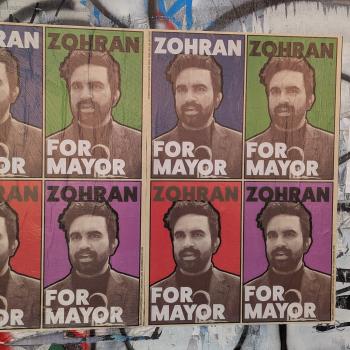
Zohran Mamdani and New York’s Fight Against Islamophobia

What the Fourth of July Means to a...

Faith and Flag: A Muslim's Love
TRENDING AT PATHEOS Muslim

25 Years Later: How Much Has Changed for...
As we approach the 25th anniversary of September 11th, I’ve found myself...

Podcast: Third Spaces & The Rise of Yemeni...
In the latest episode of The Artistic Foodies Podcast, hosts Abbas...

HalalFest Picks: Best 60 Halal Spots for Super...
Back in 2016, I came up with a list of 29...

Unity Is America’s Strength — Division Is Its...
by Hidayatullah Ahsan When Valentina Gomez, a Republican candidate for Congress in...

Zohran Mamdani and New York’s Fight Against Islamophobia
This past June, against all odds, Zohran Mamdani won the Democratic primary...

What the Fourth of July Means to a...
As we mark another Fourth of July, millions of Americans will celebrate...
view all Muslim blogs
What Are Your Thoughts?leave a comment
Ad-Free & Subscriber Log-In Subscription Support
- About Us
- 2026 Calendar
- Videos
- Podcasts
- Library of World Religions
- Faith In Media Tracker
- Advertise With Us
- Write for Us
- Privacy Policy
- Terms of Service
- Do Not Sell My Data
- Contact Us
- Radiant Digital
- Manage Newsletter Subscriptions
- Unsubscribe From Notifications
- Sitemap
Copyright 2008-2026, Patheos. All rights reserved.
Subscription Support Ad-Free & Subscriber Log-In
Follow Patheos