
BuddhistCatholicContemplativeEvangelicalGeneral ChristianHinduJewishLatter-day SaintMuslimNew VisionsProgressive Christian
Beliefs
- Buddhist
- Catholic
- Contemplative
- Evangelical
- General Christian
- Hindu
- Jewish
- Latter-day Saint
- More Voices
- Muslim
- New Visions
- Pagan
- Progressive Christian
Topics
- Religion News
- Food and Religion
- Sports and Religion
- Religious Art
- Religious Music and Entertainment
- Religious Events
- History and Religion
- Style and Religion
- Politics and Religion
- Women in Religion
- Recreation Outdoors and Religion
- Business Finance and Religion
- Careers Workplace and Religion
- Education and Religion
- Family Parenting and Religion
- Health Fitness and Religion
- Home and Religion
- Relationships and Religion
- Technology and Religion
- Travel and Religion
Columnists
- Buddhist Columnists
- Business Finance and Religion Columnists
- Careers Workplace and Religion Columnists
- Catholic Columnists
- Contemplative Columnists
- Education and Religion Columnists
- Evangelists Columnists
- Family Parenting and Religion Columnists
- General Christian Columnists
- Health Fitness and Religion Columnists
- Hindu Columnists
- History and Religion Columnists
- Home and Religion Columnists
- Jewish Columnists
- More Voices Columnists
- Latter Day Columnists
- Muslim Columnists
- New Visions Columnists
- Nonreligious Columnists
- Pagan Columnists
- Politics and Religion Columnists
- Progressive Columnists
- Recreation Outdoors and Religion Columnists
- Relationships and Religion Columnists
- Religion News Columnists
- Religious Art Columnists
- Religious Events Columnists
- Religious Music and Entertainment Columnists
- Sports and Religion Columnists
- Style and Religion Columnists
- Technology and Religion Columnists
- Travel and Religion Columnists
- Women in Religion Columnists
Resource Library
- 2026 Calendar
- Library of World Religions
- The 100 Most Holy Places on Earth
- Patheos Answers
- Podcasts
- Videos
- Faith Leaders Database
- Anglican Episcopalian
- Bahai
- Baptist
- Buddhism
- Christianity
- Confucianism
- Eastern Orthodoxy
- Hinduism
- Holiness and Pentecostal
- ISKCON
- Islam
- Judaism
- Lutheran
- Methodist
- The Church of Jesus Christ of Latter-day Saints
- New Age
- Paganism
- Presbytarian and Reformed
- Protestantism
- Religion Behind the Scenes
- Roman Catholic
- Scientology
- Shia Islam
- Sikhism
- Sufism
- Sunni Islam
- Taoism
- Zen
- See all religions
Research Tools
 Ad-Free & Subscriber Log-In Subscription Support
Ad-Free & Subscriber Log-In Subscription Support
Follow Patheos 

- Trending:
- Forgiveness
- |
- Marriage
- |
- Consciousness
- |
- Death Penalty
- |
- Election
- |
- Halloween
 Interspirituality for the Modern Day Seeker
- Home
- New Visions
- Not Responsible for the Soil
Not Responsible for the Soil
Last updated on: May 29, 2018 at 4:24 pm by Gudjon Bergmann
Not Responsible for the Soil 2018-05-29T16:24:22+00:00 Gudjon Bergmann
Patheos Explore the world's faith through different perspectives on religion and spirituality! Patheos has the views of the prevalent religions and spiritualities of the world.
When I was in my early twenties, I quit smoking. It was a filthy habit that I’d picked up when I was twelve years old. In my teens, I had been responsible for introducing cigarettes to a number of people. After I quit, I felt bad about that. I knew that I couldn’t go back in time and fix what I had done, so I decided to do something for the future.
My approach to quitting had been successful, so I started sharing the technique with others. That led to ten years of smoking cessation seminars and books in both Icelandic and English. I also teamed up with a public health organization and started giving smoking prevention lectures in schools.
That Feeling When You’re Not Welcome
Have you ever walked into a room and felt that you were not welcome? That’s how I felt just about every time I walked into a room full of students and was introduced as the smoking prevention guy.
Instead of being discouraged, I took it as a challenge and spiced up my approach.
I got better and better at captivating attention and engaging young adults in dialogue about the importance of living life fully (one of the things I emphasized). My approach swung between being adversarial (“I don’t care if you die because we’ll all die”) and inspirational (“you only get one life and it’s the quality that counts.”).
My talks gained attention and I got along well with the adults who liked my approach, which meant that I got booked in dozens of schools every year. However, even as I got better at presenting the material, I never managed to capture everyone’s attention.
“How Can I Get to Them?”
I really wanted to get to everyone, so I racked my brain and tried to come up with novel approaches, most of which worked (although I’ll admit that I did crash and burn a few times in my attempt to reach all of the students). Nevertheless, I never got to a 100%. There were always a few people who either didn’t care or displayed an adversarial attitude.
In addition, I quickly realized that I had no way to measure the long-term impact of what I was doing. Sure, they might seem engaged, but did my lectures deter them from smoking? Did anyone quit because of my talks? I had no idea.
Not Responsible for the Soil
Knowing that I couldn’t get to everyone and had no idea about the long-term impact of my talks caused me grief for several months.
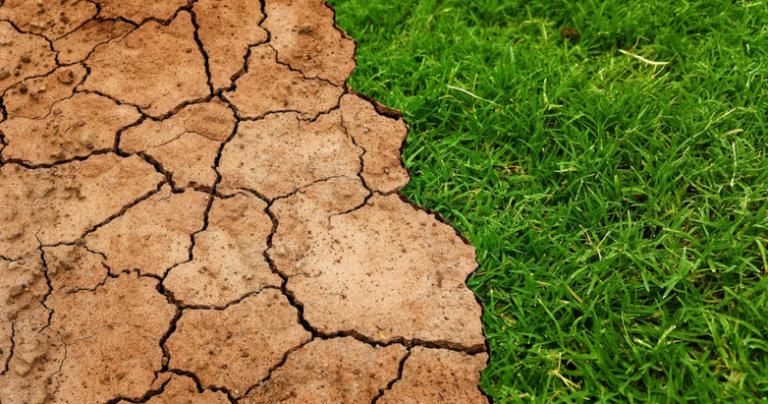
Finally, I understood that no matter how much I wanted to be able to control other people’s reactions, I couldn’t. I was responsible for preparing the seeds and sowing them in the best way I knew how, but I wasn’t responsible for the soil.
From that point forward, I no longer became discouraged. I focused on my job of sowing and wasn’t as preoccupied with the soil.
In the years that followed, I branched out and became both a yoga teacher, professional speaker, and author of several books. I always maintained this attitude of sowing in the best way I knew how without expecting the soil to react in a certain way.
Whatever else it did, the new attitude brought me increased energy and peace of mind.
Doesn’t Everyone Know This?
You could say that most people who live long enough will stumble upon this truth. It is the essence of the Serenity Prayer. We control the things we can (ourselves), let go of the things we can’t control (other people and events), and develop the wisdom to know the difference (the most difficult aspect of the prayer).
The image of sowing seeds is used in a variety of religious and spiritual texts. If you think of yourself as the sower of seeds (your words and actions), then all you can do is sow the best seeds that you can and surrender to the fact that you can’t control the soil (other people and surroundings).
While most people may know this by now, in my home country we have a saying: “A good poem is never recited too often.”
Comfortable with Not Knowing
Every now and then, I meet people or get letters/emails from participants who tell me how my seminars, talks, books, columns, audio programs, etc., influenced them in a positive way. That always warms my heart.
However, I have become very comfortable with not knowing what happens to the seeds I sow. Maybe they will sprout in some unexpected way, maybe they won’t. Either way, I did my job. I did the sowing. I am not responsible for the soil.
Gudjon Bergmann
Interfaith Minister, Author, and Speaker
Founder of Harmony Interfaith Initiative
Like my page on Facebook
Picture: CC0 License
Previous Post

May 26, 2018
What Does 'Speak from the Heart' Mean?
Next Post

May 31, 2018 My New Friends Who Happen to Be Muslims
Browse Our Archives
Select a Category Beliefs and Values Change Compassion Contemplation Creating Moments of Peace Cultural Division Culture Wars Current Events Environmental Protection Experifaith Forgiveness Global Warming Golden Rule Gratitude Gun Debate Gun Safety Integral Theory Interfaith Interfaith Dialogue Interfaith Quotes Interspirituality Islam Language Meditation Mindfulness Morality mysticism Nonduality Parenthood Pluralism Poetry Prayer Quotes Religion Religion and Politics Science and Religion Self-Care Social Harmony Spiritual Practice Spirituality Stress Uncategorized Yoga
Select a Month September 2023 August 2023 June 2023 February 2023 January 2023 December 2022 November 2022 October 2022 September 2022 August 2022 July 2022 June 2022 May 2022 September 2018 August 2018 July 2018 June 2018 May 2018 April 2018 March 2018 February 2018 January 2018 December 2017 November 2017 October 2017 September 2017
Follow Us!
TAKE THE
Religious Wisdom Quiz
Who was the first Christian martyr mentioned in Acts?
Select your answer to see how you score.
Barnabas Stephen Philip James
Related posts from Interspirituality for the Modern Day Seeker

Practical Spirituality: Key Questions
Interspirituality for the Modern Day Seeker

Conscious Spiritual Homeostasis
Interspirituality for the Modern Day Seeker

Why the Spiritual-But-Not-Religious Movement Will Ultimately Fail
Interspirituality for the Modern Day Seeker

The Spiritual Act of Fatherhood
Interspirituality for the Modern Day Seeker
TRENDING AT PATHEOS New Visions

Did Prayer Cure His Cancer? Or Was It...
At 4 AM one morning, Joshua W. Brown’s wife awoke to a...

8 Ways a Near-Death Experience Rewires the Soul
Does Consciousness Survive Physical Death? After 50 Years of Research, Dr. Raymond...

Holy Longing: What Our Restlessness Is Telling Us
“One can find so many pains when the rain is falling.” -John...

What this is NOT about. This blog is definitely not about...

Who said the Israelites were God’s chosen? That’s right, they did. Who...

The Spirit World Is the Real World: God...
A Monk’s Wisdom on Body and Spirit I sit with Brother Martin...
view all New Visions blogs
Ad-Free & Subscriber Log-In Subscription Support
- About Us
- 2026 Calendar
- Videos
- Podcasts
- Library of World Religions
- Faith In Media Tracker
- Advertise With Us
- Write for Us
- Privacy Policy
- Terms of Service
- Do Not Sell My Data
- Contact Us
- Radiant Digital
- Manage Newsletter Subscriptions
- Unsubscribe From Notifications
- Sitemap
Copyright 2008-2026, Patheos. All rights reserved.
Subscription Support Ad-Free & Subscriber Log-In
Follow Patheos