
BuddhistCatholicContemplativeEvangelicalGeneral ChristianHinduJewishLatter-day SaintMuslimNew VisionsProgressive Christian
Beliefs
- Buddhist
- Catholic
- Contemplative
- Evangelical
- General Christian
- Hindu
- Jewish
- Latter-day Saint
- More Voices
- Muslim
- New Visions
- Pagan
- Progressive Christian
Topics
- Religion News
- Food and Religion
- Sports and Religion
- Religious Art
- Religious Music and Entertainment
- Religious Events
- History and Religion
- Style and Religion
- Politics and Religion
- Women in Religion
- Recreation Outdoors and Religion
- Business Finance and Religion
- Careers Workplace and Religion
- Education and Religion
- Family Parenting and Religion
- Health Fitness and Religion
- Home and Religion
- Relationships and Religion
- Technology and Religion
- Travel and Religion
Columnists
- Buddhist Columnists
- Business Finance and Religion Columnists
- Careers Workplace and Religion Columnists
- Catholic Columnists
- Contemplative Columnists
- Education and Religion Columnists
- Evangelists Columnists
- Family Parenting and Religion Columnists
- General Christian Columnists
- Health Fitness and Religion Columnists
- Hindu Columnists
- History and Religion Columnists
- Home and Religion Columnists
- Jewish Columnists
- More Voices Columnists
- Latter Day Columnists
- Muslim Columnists
- New Visions Columnists
- Nonreligious Columnists
- Pagan Columnists
- Politics and Religion Columnists
- Progressive Columnists
- Recreation Outdoors and Religion Columnists
- Relationships and Religion Columnists
- Religion News Columnists
- Religious Art Columnists
- Religious Events Columnists
- Religious Music and Entertainment Columnists
- Sports and Religion Columnists
- Style and Religion Columnists
- Technology and Religion Columnists
- Travel and Religion Columnists
- Women in Religion Columnists
Resource Library
- 2026 Calendar
- Library of World Religions
- The 100 Most Holy Places on Earth
- Patheos Answers
- Podcasts
- Videos
- Faith Leaders Database
- Anglican Episcopalian
- Bahai
- Baptist
- Buddhism
- Christianity
- Confucianism
- Eastern Orthodoxy
- Hinduism
- Holiness and Pentecostal
- ISKCON
- Islam
- Judaism
- Lutheran
- Methodist
- The Church of Jesus Christ of Latter-day Saints
- New Age
- Paganism
- Presbytarian and Reformed
- Protestantism
- Religion Behind the Scenes
- Roman Catholic
- Scientology
- Shia Islam
- Sikhism
- Sufism
- Sunni Islam
- Taoism
- Zen
- See all religions
Research Tools
 Ad-Free & Subscriber Log-In Subscription Support
Ad-Free & Subscriber Log-In Subscription Support
Follow Patheos 

- Trending:
- Forgiveness
- |
- Marriage
- |
- Consciousness
- |
- Death Penalty
- |
- Election
- |
- Halloween
 At the Intersection of Faith and Food
- Home
- Catholic
- Food and Religion
- How Your Faith Impacts Your Relationship With Food
How Your Faith Impacts Your Relationship With Food
Last updated on: June 4, 2023 at 12:47 pm by Sarah Leadon
How Your Faith Impacts Your Relationship With Food 2023-06-04T12:47:50-04:00 Sarah Leadon
Patheos Explore the world's faith through different perspectives on religion and spirituality! Patheos has the views of the prevalent religions and spiritualities of the world.
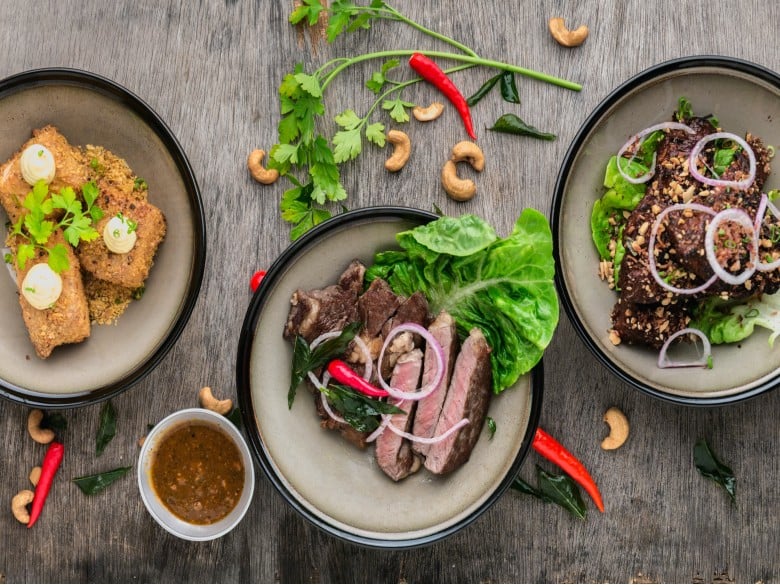
Lily Banse/Unsplash Faith
It does not matter which faith you subscribe to. Religion affects every area of your life, including what you wear and how you act. Your faith plays a role in what you eat and how you see food.
To examine this topic in-depth, first, we will explore how the Bible shapes our perceptions of food. Second, we will discuss how other faiths view foods, and third, we will talk about the psychological aspects of religion that influence our food choices.
What Does The Bible Say About Clean And Unclean Foods
The Bible provides us with a lot of information about clean and unclean foods. Leviticus 20:5 instructs us to distinguish between the unclean and clean. The scripture goes on further to say that we should not devalue ourselves by eating beasts, birds, or anything that crawls on the ground that has been deemed unclean. Additionally, Leviticus 11:9-12 says that we can eat fish with fins and skins, but fish without fins or scales are unclean.
In contrast, Mark 7: 18-19 says that nothing we eat can defile us. Jesus did away with all those rules suggesting that all foods are clean.
I’m not telling you what you should and should not eat. What you eat is your personal choice. I am merely showing you how your Christian faith influences your perception of foods and the effects that it can have on your eating habits.
For example, I love conch. It is a Bahamian delicacy and a national treasure.
I was raised Methodist. I was aware that there were unclean and clean foods in the Bible. However, I was also aware that all foods were deemed clean in the new testament.
My view of conch has always been positive. So whether I choose to eat conch or not is a personal choice.
In contrast, a Seventh-Day Adventist may not feel the same way. Conch is considered a shellfish. According to Leviticus 11, shellfish, along with pork, rabbit, and several other foods. These are seen as unclean. Therefore, a Seventh-Day Adventist will have a negative perception of conch and avoid it at all costs.
How Does Faith Impact Food Choices
Aspects of our religion can also affect what we buy. Muslims are known for halal food. They do not consume meat such as lamb or chicken that is not processed using halal techniques.
Jews only consume kosher foods. While some meat is allowed, it can only come from ruminant animals with split hooves, like cows and deer. Jews cannot eat or serve meat at the same time as dairy products. These are only a few of the dietary rules Jews have regarding food.
Hinduism teaches veganism. It is based on the concept of Ashima, which means being non-violent to all life, including animals.
While the animals are not seen as unclean, they are perceived to be alive. Therefore, persons who subscribe to this faith purchase plant-based foods.
Even though religious preferences vary from region to region, most Buddhists subscribe to a vegetarian lifestyle. Like Hinduism, this lifestyle choice is also based on the principle of nonviolence to all living things. Slaughtering animals will cause them suffering, so Buddhists choose not to consume meat.
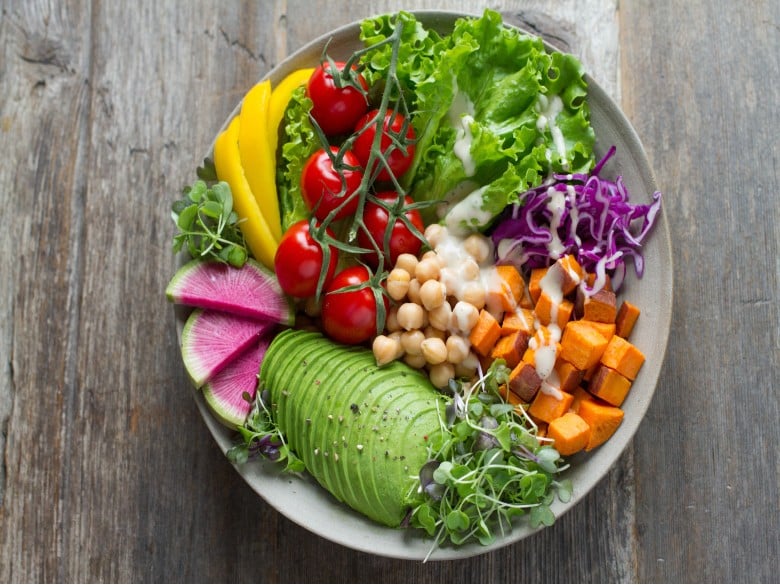
Anna-Pelzer/Unsplash Healthy Food
How Does Religion Affect The Psychological Relationship People Have With Food
Faith and psychology are often intertwined. For example, your faith affects how you feel about food and your body.
We deem certain experiences as religious or sacred. For example, a Catholic may decide to give up food for Lent.
Lent is all about self-reflection and forgiveness. Lent has 3 main pillars: prayer, fasting, and almsgiving.
Almsgiving means helping others who are less fortunate. It is a way of expressing faith. For example, an individual may give their time to a cause or provide food to others.
Typically, Catholics do not eat meat on Fridays during Lent. However, some Catholics give up meat entirely during Lent.
During this time, an individual’s perception of meat may change. They can reflect and compare how they felt while eating meat and how they felt when they removed it from their diet. They may decide to become vegan because they realize meat is not good for their body.
Globally Muslims fast during Ramadan. This religious practice is based on the belief that Muhammad received the Quran during this month. Muslims fast during the day and consume food before dawn or after the sun sets.
Ramadan is considered one of the most holy months. Fasting is one of the core principles of the Islamic faith. It is a sacred practice that affects the way they see food. Our faith plays a big role in who we are, how we conduct ourselves, what we eat, and how we feel about food. Faith is one of the core principles that shape our relationship with food.
Catholic
General Christian
Food and Religion
Health, Fitness and Religion

Next Post

June 4, 2023 How To Incorporate Religion into Intermittent Fasting
Recent Comments
Browse Our Archives
Select a Category Business And Religion Faith Food Food And Faith Health And Fitness Home Home And Faith Religion Religion And Relationships Religious events Uncategorized
Select a Month November 2023 October 2023 September 2023 August 2023 July 2023 June 2023 May 2023 March 2023
Follow Us!
TAKE THE
Religious Wisdom Quiz
What city did David capture and make the capital of Israel?
Select your answer to see how you score.
Bethlehem Samaria Hebron Jerusalem
Related posts from At the Intersection of Faith and Food

8 Fun Church Event Ideas To Boost Church...
At the Intersection of Faith and Food

How To Get Teenagers And Millennials To Become...
At the Intersection of Faith and Food

5 Ways Faith Encourages Personal Development And Positive...
At the Intersection of Faith and Food

Easy To Make Scrumptious Fall Recipes Perfect For...
At the Intersection of Faith and Food
TRENDING AT PATHEOS Food and Religion

Celebrating Light and Love On Diwali
Welcome back to my blog, Hope and Joy In Life. May peace...

Celebrating National Dashi Day
A Taste of Simplicity and Tradition Welcome back to Hope and Joy...
Religion and a Plant-Based Diet
Religion and a Plant-Based Diet Religion and a plant-based diet are intricately...
The Keys to Solving World Hunger
How I Would Solve World Hunger The keys to solving world hunger...

8 Fun Church Event Ideas To Boost Church...
Church event ideas that worked 20 years ago just don't work any...

How To Get Teenagers And Millennials To Become...
Over the years, teenagers and millennials church attendance has decreased. A research...
view all Food and Religion blogs
Ad-Free & Subscriber Log-In Subscription Support
- About Us
- 2026 Calendar
- Videos
- Podcasts
- Library of World Religions
- Faith In Media Tracker
- Advertise With Us
- Write for Us
- Privacy Policy
- Terms of Service
- Do Not Sell My Data
- Contact Us
- Radiant Digital
- Manage Newsletter Subscriptions
- Unsubscribe From Notifications
- Sitemap
Copyright 2008-2026, Patheos. All rights reserved.
Subscription Support Ad-Free & Subscriber Log-In
Follow Patheos