
BuddhistCatholicContemplativeEvangelicalGeneral ChristianHinduJewishLatter-day SaintMuslimNew VisionsProgressive Christian
Beliefs
- Buddhist
- Catholic
- Contemplative
- Evangelical
- General Christian
- Hindu
- Jewish
- Latter-day Saint
- More Voices
- Muslim
- New Visions
- Pagan
- Progressive Christian
Topics
- Religion News
- Food and Religion
- Sports and Religion
- Religious Art
- Religious Music and Entertainment
- Religious Events
- History and Religion
- Style and Religion
- Politics and Religion
- Women in Religion
- Recreation Outdoors and Religion
- Business Finance and Religion
- Careers Workplace and Religion
- Education and Religion
- Family Parenting and Religion
- Health Fitness and Religion
- Home and Religion
- Relationships and Religion
- Technology and Religion
- Travel and Religion
Columnists
- Buddhist Columnists
- Business Finance and Religion Columnists
- Careers Workplace and Religion Columnists
- Catholic Columnists
- Contemplative Columnists
- Education and Religion Columnists
- Evangelists Columnists
- Family Parenting and Religion Columnists
- General Christian Columnists
- Health Fitness and Religion Columnists
- Hindu Columnists
- History and Religion Columnists
- Home and Religion Columnists
- Jewish Columnists
- More Voices Columnists
- Latter Day Columnists
- Muslim Columnists
- New Visions Columnists
- Nonreligious Columnists
- Pagan Columnists
- Politics and Religion Columnists
- Progressive Columnists
- Recreation Outdoors and Religion Columnists
- Relationships and Religion Columnists
- Religion News Columnists
- Religious Art Columnists
- Religious Events Columnists
- Religious Music and Entertainment Columnists
- Sports and Religion Columnists
- Style and Religion Columnists
- Technology and Religion Columnists
- Travel and Religion Columnists
- Women in Religion Columnists
Resource Library
- 2026 Calendar
- Library of World Religions
- The 100 Most Holy Places on Earth
- Patheos Answers
- Podcasts
- Videos
- Faith Leaders Database
- Anglican Episcopalian
- Bahai
- Baptist
- Buddhism
- Christianity
- Confucianism
- Eastern Orthodoxy
- Hinduism
- Holiness and Pentecostal
- ISKCON
- Islam
- Judaism
- Lutheran
- Methodist
- The Church of Jesus Christ of Latter-day Saints
- New Age
- Paganism
- Presbytarian and Reformed
- Protestantism
- Religion Behind the Scenes
- Roman Catholic
- Scientology
- Shia Islam
- Sikhism
- Sufism
- Sunni Islam
- Taoism
- Zen
- See all religions
Research Tools
 Ad-Free & Subscriber Log-In Subscription Support
Ad-Free & Subscriber Log-In Subscription Support
Follow Patheos 

- Trending:
- Forgiveness
- |
- Marriage
- |
- Consciousness
- |
- Death Penalty
- |
- Election
- |
- Halloween
 At the Intersection of Faith and Food
- Home
- Hindu
- Food and Religion
- The Sacred Garden: How Religion is Driving the Rise of Plant-Based Diets Across the Globe
The Sacred Garden: How Religion is Driving the Rise of Plant-Based Diets Across the Globe
Last updated on: May 28, 2023 at 10:24 pm by Sarah Leadon
The Sacred Garden: How Religion is Driving the Rise of Plant-Based Diets Across the Globe 2023-05-28T22:24:25-04:00 Sarah Leadon
Patheos Explore the world's faith through different perspectives on religion and spirituality! Patheos has the views of the prevalent religions and spiritualities of the world.
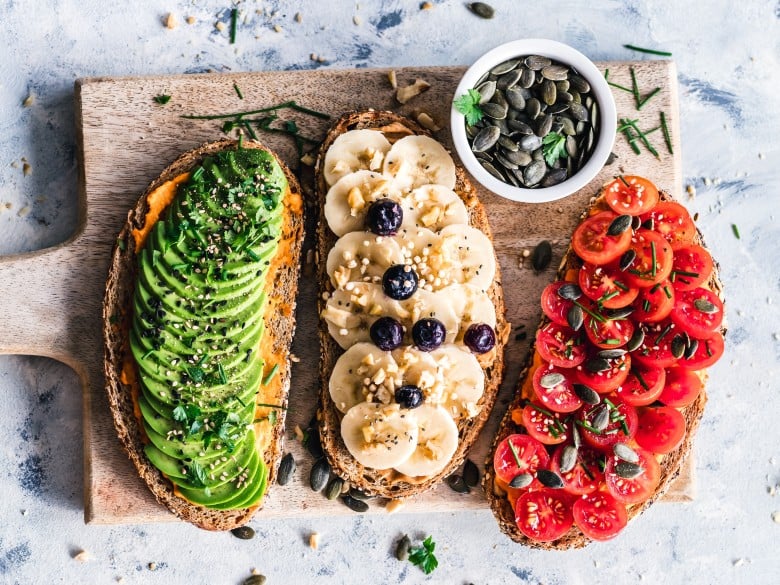
Ella Olsson/Unsplash Plant-Based Diet Food
A shift towards a plant-based diet is becoming popular in religious communities across the globe now more than ever. It’s no surprise that this trend has become common in religious communities across the globe. After all, religion plays a key role in our lives.
Religion acts as a guide and comforts us on our journey through life. It influences what we do and what we eat. Before we get to the influence of religion on eating habits, let’s define a plant-based diet.
What Is A Plant-Based Diet
A plant-based diet involves eating foods that mainly come from plants. For example, a person on a plant-based diet may eat fruits and vegetables. They may also consume seeds, whole grains, beans, nuts, oils, or legumes.
I know what you are thinking. A plant-based diet sounds the same as a vegan or vegetarian diet. However, a plant-based diet is not the same as a vegan or vegetarian diet.
A plant-based diet does not mean that the individual does not consume meat or dairy products. They simply eat more plant foods and less meat and dairy products.
A vegan diet includes foods from plants and excludes all animal products and byproducts. In contrast, a vegetarian diet includes plant foods but does not contain meat, poultry, or seafood. A vegetarian diet can also contain eggs, cheese, or milk. Now that we’ve got definitions out of the way let’s look at some religions that encourage a plant-based lifestyle.
Religions That Encourage A Plant-Based Lifestyle
Many religions are associated with plant-based diets, including Hinduism, Buddhism, and Jainism. Ahimsa heavily influences these 3 religions.
Ashima means non-violence to all living things, which includes animals and animal products.
Judaism has 3 key concepts mentioned in the Torah related to a plant-based diet. First, animals should be treated with kindness. Second, God provided plant foods for his people, and third, meat consumption was permissible when individuals hit rock bottom spiritually.
Similarly, Jainism values life in the highest regard. This religion teaches all life, including plants and animals, have a soul. Therefore, people should avoid violence.
Most plant foods are ok. However, some individuals do not consume root vegetables such as potatoes and carrots. During harvesting, small insects in the soil may get hurt, so these foods are not encouraged in Jainism.
Originally, eating meat was permissible in Hinduism. The animals were a sacred sacrifice to God. Eating the animal was one way to honor God. However, as time went on, modern Hinduism took on the concept of Ahimsa, which led many people to lead a plant-based lifestyle.
Does Christianity Encourage A Plant-based Diet
Many Christians are vegan. For example, Seventh-Day Adventists follow a plant-based diet. Some are fully vegan and exclude all animal products. Others are vegetarian, pescatarian, or lacto-ovo vegetarian and include fish, eggs, and low-fat dairy products in their diet.
Nevertheless, leading a plant-based lifestyle as a Christian is not an obligation. Some scriptures encourage leading a plant-based lifestyle. For example, Genesis chapter 1 says that God gave us every plant that produces seeds as fruit, implying that Christians are supposed to lead plant-based lifestyles.
Another example of this is Daniel 1:8-21. Daniel refused royal food and wine and asked for vegetables and water instead because he did not want to defile his body. Royal foods consisted of vegetables, pistachios, fowl, grapes, meat, lamb, and fish. This scripture implies that meat and seafood are not to be eaten.
In contrast, Mark 7: 18-19 sends a different message. It says that nothing we ingest defiles our bodies. The food goes to our stomach and then leaves the body, so it does not affect what is most important, the heart. Therefore, Christians can choose whether they want to eat meat or lead a plant-based lifestyle.

Jannis Brandt/Unsplash Plant-Based Diet Food
How Do Religious Beliefs Influence Eating Behaviors
Religion shapes everything that we do, including what we eat. The basis of most religions is love. When you love and value something, you take care of it. The caring spirit that religion instills in us could be why so many people are subscribing to a plant-based diet.
Of all the reasons people choose to go plant-based, health, animal well-being, and the planet’s health are among the top 5.
People, both religious and non-religious, are becoming more health conscious every day. They care about their body and want to remain alive for as long as possible.
Additionally, meat production has a heavier climate footprint and environmental impact on the planet.
Research shows that plant-based foods like legumes, nuts, fruits, and vegetables are better for human health. Plant-based foods are also beneficial for the planet since they have a lower footprint and take fewer resources to produce.
One study found that diet-minded foods such as fat-free, organic, or gluten-free were more attractive to persons with strong religious beliefs because they were deemed pure or morally acceptable foods.
As I mentioned above, Ahimsa means valuing all life. Being nonviolent towards all living things means that we must care about animals.
In the same way, God gave us plant-based sources of food to survive, suggesting we ought to care about animals. This could explain why so many religious people are eating more plant-based foods.
Another reason why more people are leading plant-based diets is because gardens are sacred. A sacred garden is a garden based on a religious theme. They are usually on the temple grounds. This could be a Zen garden, Labyrinth, or in modern times a community garden.
A sacred garden suggests that plant life is sacred. In the same way, early Hinduists sacrificed animals and ate them to honor God; the same argument can be made for leading plant-based foods.
Many plant-based foods such as mint, apple, pomegranates, and nut trees are eaten in the Bible. For example, a Biblical spiritual garden usually has a statue of Jesus or another bible character surrounded by plants. Taking care of the sacred garden, praying in the sacred garden sitting in the sacred garden, or eating food from the sacred garden could help create a stronger relationship with God.
How Plant-Based Lifestyles Affect Religious Practices
Religion is bound to change whether we like it or not, which means our current religious practices may change. Where grilling burgers and hot dogs may have been appropriate at your church events, you may see more plant-based alternatives like burgers made from mushrooms or sweet potatoes and black beans featured on the menu.
Yes, there will be people who resist this change, but it’s just like getting your church community to eat healthier.
The more people learn about eating healthy, the more the conversation will change. The more that people learn about why they should eat plant-based foods (how it affects their bodies, animals, and the Earth), the more they will become interested in a plant-based lifestyle. The more people that convert to a plant-based lifestyle, the more the cuisine will change.
I’m not saying that everyone will magically commit to a plant-based lifestyle. However, more people will be open to and respect a plant-based diet, decreasing some of the tension surrounding a plant-based lifestyle. Ultimately, they will learn about the benefits of a plant-based lifestyle and how it ties in with their religious beliefs, which may influence them to hop on the plant-based bandwagon.
Hindu
General Christian
Food and Religion
Education and Religion
Previous Post

May 20, 2023
7 Reasons Your Church Should Have A Community Garden
Next Post

June 4, 2023 How Your Faith Impacts Your Relationship With Food
Recent Comments
Browse Our Archives
Select a Category Business And Religion Faith Food Food And Faith Health And Fitness Home Home And Faith Religion Religion And Relationships Religious events Uncategorized
Select a Month November 2023 October 2023 September 2023 August 2023 July 2023 June 2023 May 2023 March 2023
Follow Us!
TAKE THE
Religious Wisdom Quiz
What garden did Jesus pray in before His arrest?
Select your answer to see how you score.
Bethlehem Olive Grove Eden Gethsemane
Related posts from At the Intersection of Faith and Food

8 Fun Church Event Ideas To Boost Church...
At the Intersection of Faith and Food

How To Get Teenagers And Millennials To Become...
At the Intersection of Faith and Food

5 Ways Faith Encourages Personal Development And Positive...
At the Intersection of Faith and Food

Easy To Make Scrumptious Fall Recipes Perfect For...
At the Intersection of Faith and Food
TRENDING AT PATHEOS Food and Religion

Celebrating Light and Love On Diwali
Welcome back to my blog, Hope and Joy In Life. May peace...

Celebrating National Dashi Day
A Taste of Simplicity and Tradition Welcome back to Hope and Joy...

Religion and a Plant-Based Diet
Religion and a Plant-Based Diet Religion and a plant-based diet are intricately...
The Keys to Solving World Hunger
How I Would Solve World Hunger The keys to solving world hunger...

8 Fun Church Event Ideas To Boost Church...
Church event ideas that worked 20 years ago just don't work any...

How To Get Teenagers And Millennials To Become...
Over the years, teenagers and millennials church attendance has decreased. A research...
view all Food and Religion blogs
Ad-Free & Subscriber Log-In Subscription Support
- About Us
- 2026 Calendar
- Videos
- Podcasts
- Library of World Religions
- Faith In Media Tracker
- Advertise With Us
- Write for Us
- Privacy Policy
- Terms of Service
- Do Not Sell My Data
- Contact Us
- Radiant Digital
- Manage Newsletter Subscriptions
- Unsubscribe From Notifications
- Sitemap
Copyright 2008-2026, Patheos. All rights reserved.
Subscription Support Ad-Free & Subscriber Log-In
Follow Patheos