
BuddhistCatholicContemplativeEvangelicalGeneral ChristianHinduJewishLatter-day SaintMuslimNew VisionsProgressive Christian
Beliefs
- Buddhist
- Catholic
- Contemplative
- Evangelical
- General Christian
- Hindu
- Jewish
- Latter-day Saint
- More Voices
- Muslim
- New Visions
- Pagan
- Progressive Christian
Topics
- Religion News
- Food and Religion
- Sports and Religion
- Religious Art
- Religious Music and Entertainment
- Religious Events
- History and Religion
- Style and Religion
- Politics and Religion
- Women in Religion
- Recreation Outdoors and Religion
- Business Finance and Religion
- Careers Workplace and Religion
- Education and Religion
- Family Parenting and Religion
- Health Fitness and Religion
- Home and Religion
- Relationships and Religion
- Technology and Religion
- Travel and Religion
Columnists
- Buddhist Columnists
- Business Finance and Religion Columnists
- Careers Workplace and Religion Columnists
- Catholic Columnists
- Contemplative Columnists
- Education and Religion Columnists
- Evangelists Columnists
- Family Parenting and Religion Columnists
- General Christian Columnists
- Health Fitness and Religion Columnists
- Hindu Columnists
- History and Religion Columnists
- Home and Religion Columnists
- Jewish Columnists
- More Voices Columnists
- Latter Day Columnists
- Muslim Columnists
- New Visions Columnists
- Nonreligious Columnists
- Pagan Columnists
- Politics and Religion Columnists
- Progressive Columnists
- Recreation Outdoors and Religion Columnists
- Relationships and Religion Columnists
- Religion News Columnists
- Religious Art Columnists
- Religious Events Columnists
- Religious Music and Entertainment Columnists
- Sports and Religion Columnists
- Style and Religion Columnists
- Technology and Religion Columnists
- Travel and Religion Columnists
- Women in Religion Columnists
Resource Library
- 2026 Calendar
- Library of World Religions
- The 100 Most Holy Places on Earth
- Patheos Answers
- Podcasts
- Videos
- Faith Leaders Database
- Anglican Episcopalian
- Bahai
- Baptist
- Buddhism
- Christianity
- Confucianism
- Eastern Orthodoxy
- Hinduism
- Holiness and Pentecostal
- ISKCON
- Islam
- Judaism
- Lutheran
- Methodist
- The Church of Jesus Christ of Latter-day Saints
- New Age
- Paganism
- Presbytarian and Reformed
- Protestantism
- Religion Behind the Scenes
- Roman Catholic
- Scientology
- Shia Islam
- Sikhism
- Sufism
- Sunni Islam
- Taoism
- Zen
- See all religions
Research Tools
 Ad-Free & Subscriber Log-In Subscription Support
Ad-Free & Subscriber Log-In Subscription Support
Follow Patheos 

- Trending:
- Forgiveness
- |
- Marriage
- |
- Consciousness
- |
- Death Penalty
- |
- Election
- |
- Halloween

- Home
- Jewish
- History and Religion
- The Messianic Perspective on Forgiveness
The Messianic Perspective on Forgiveness
Last updated on: September 21, 2025 at 10:23 am by Tonia Renee Lee
The Messianic Perspective on Forgiveness 2025-09-21T10:23:37-05:00 Tonia Renee Lee
Patheos Explore the world's faith through different perspectives on religion and spirituality! Patheos has the views of the prevalent religions and spiritualities of the world.
The Messianic perspective on forgiveness is as relevant today as it was in Yeshua’s time. What are your thoughts and beliefs on forgiveness? Forgiveness stands as one of the most profound and challenging concepts regarding our spiritual life. In the Messianic tradition, a faith stream that seeks to honor the Jewish roots of the gospel while centering life and devotion around Yeshua (Jesus) as Messiah. Understanding and practicing forgiveness is both essential and transformative. The Messianic perspective on forgiveness draws deeply from ancient Hebrew scriptures, rabbinic thought, and the teachings of Yeshua, weaving together themes of covenant, restoration, and redemption.
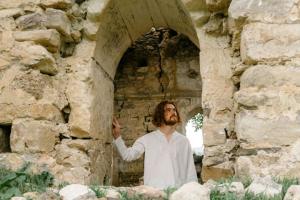
Courtesy of Pexels/Mikhail Nilov
Historical and Theological Roots
The roots of forgiveness in Messianic faith are firmly planted in the soil of the Hebrew Bible. From the earliest covenants, God reveals an inclination toward mercy and restoration, even in the face of human failure. The Torah recounts how the Children of Israel repeatedly falter, yet God extends forgiveness through repentance and atonement.
Forgiveness in the Tanakh
In Psalm 32:1(CJB), King David states, “How blessed are those whose offense is forgiven, those whose sin is covered.”
Day of Atonement (Yom Kippur) is a sacred festival in Leviticus 16 (CJB), where the high priest intercedes for the sins of the people, dramatizing both the seriousness of sin and the promise of forgiveness.
Micah declares: “Who is a good like you, pardoning the sin and overlooking the crimes, of the remnant of his heritage?” (Micah 7:18, CJB)
Messianic Fulfillment: Yeshua as the Embodiment of Forgiveness
Central to the Messianic worldview is the understanding that Yeshua (Jesus), as Messiah, embodies and fulfills the promises of forgiveness found in the scriptures. The New Covenant, prophesied in Jeremiah 31:31-34 (CJB), promises a renewed relationship with God, where sins are remembered no more.
Teachings of Yeshua
Radical acts and teachings of forgiveness marked Yeshua’s ministry. He taught his disciples to pray, “Forgive us for what we have done wrong, as we too have forgiven those who wronged us (Matthew 6:12, CJB).
He insisted that forgiveness should not be limited: “Then Kefa came up and said to him, ‘Rabbi, how often can my brother sin against me and I have to forgive him? As many as seven times?” “No, not seven times answered Yeshua, “but seventy times seven!” (Matthew 18:21-22, CJB).
Yeshua’s willingness to forgive extended to the most unlikely recipients: tax collectors, prostitutes, and even those who crucified him, as he prayed, “Father, forgive them; they don’t understand what they are doing” (Luke 23:34, CJB).
Through these teachings, Yeshua reframes forgiveness not as a one-time act but as an ongoing lifestyle, rooted in the character of God and the reality of the Kingdom.
Forgiveness and Teshuvah (Repentance)
In Jewish thought, teshuvah—literally “return”—is the process by which one repents and seeks reconciliation with God and fellow human beings. In the Messianic perspective, teshuvah and forgiveness are inseparable partners.
Process of Teshuvah
We must admit wrongdoing and confess the sin both to God and, where possible, to the person wronged.
The sinner must make a commitment to change and make amends.
Seek and receive forgiveness.

Courtesy of Pexels/Ketut Subiyanto
Forgiveness Within the Messianic Community
To forgive is not just a vertical transaction between the individual and God, but also a horizontal imperative within the community.
Challenges and Blessings
Forgiveness does not mean ignoring justice. Messianic teaching holds both justice and mercy in tension, inspired by prophetic calls for righteousness and Yeshua’s compassion.
Forgiveness is costly, requiring vulnerability and humility.
Forgiving brings healing, unity, and a taste of the Kingdom of God in the present.
Role of Reconciliation
Forgiveness paves the way for reconciliation, yet they are not identical. Forgiveness is a gift one can give unilaterally; reconciliation requires mutual commitment to restore the relationship. Messianic believers seek both, trusting in the Spirit to empower them.
Moving Forward
I hope this discussion has been beneficial to you. As we close, ponder this quote, by Traci Mullen. “Biblical forgiveness involves giving up our ‘right to punish our offenders.”
Jewish
General Christian
Previous Post
July 31, 2025
In Search of a New Paradigm? Try Yeshua!
Next Post
October 31, 2025 Overcoming: Yeshua's Gift
Browse Our Archives
Select a Category Uncategorized
Select a Month September 2026 August 2026 June 2026 May 2026 March 2026 January 2026 November 2025 October 2025 September 2025 July 2025 June 2025 May 2025 April 2025 March 2025 January 2025 December 2024 November 2024 October 2024 September 2024 August 2024 July 2024 June 2024
Follow Us!
TAKE THE
Religious Wisdom Quiz
What occupation did Peter, Andrew, James, and John have before following Jesus?
Select your answer to see how you score.
Politicians Scribes Tax collectors Fishermen
Related posts from In Search of Yeshua

Family
What Is Messianic Poetry? Lessons From David's Psalms

Family
Yeshua, Spirituality, and Counseling

Family
Do not Give Up and Do not Give...
Family
What Buried Bowls Reveal About Ancient Belief in...
TRENDING AT PATHEOS History and Religion

A new article, written by Jeff Lindsay and Gale L. Pooley,...

Swimfan: Forgotten Aughts Pleasures
This is a recovery effort. In 2002, My Big Fat Greek Wedding...

Top Three Anti-Catholic Lies About Catholicism
This is my initial transcript for the video, "THE 3 WORST...

Pope Leo Celebrates Mass for Nurses & Docs...
I don't have any idea how he did it, but Pope Leo...

The Sermon on the Mount, Part I: Matthew...
The Sermon on the Mount, Part I (Matthew 4:12-5:12) St. Matthew moves...

What's up from Crossway: Reviewing some of their latest A few weeks...
view all History and Religion blogs
Ad-Free & Subscriber Log-In Subscription Support
- About Us
- 2026 Calendar
- Videos
- Podcasts
- Library of World Religions
- Faith In Media Tracker
- Advertise With Us
- Write for Us
- Privacy Policy
- Terms of Service
- Do Not Sell My Data
- Contact Us
- Radiant Digital
- Manage Newsletter Subscriptions
- Unsubscribe From Notifications
- Sitemap
Copyright 2008-2026, Patheos. All rights reserved.
Subscription Support Ad-Free & Subscriber Log-In
Follow Patheos