
BuddhistCatholicContemplativeEvangelicalGeneral ChristianHinduJewishLatter-day SaintMuslimNew VisionsProgressive Christian
Beliefs
- Buddhist
- Catholic
- Contemplative
- Evangelical
- General Christian
- Hindu
- Jewish
- Latter-day Saint
- More Voices
- Muslim
- New Visions
- Pagan
- Progressive Christian
Topics
- Religion News
- Food and Religion
- Sports and Religion
- Religious Art
- Religious Music and Entertainment
- Religious Events
- History and Religion
- Style and Religion
- Politics and Religion
- Women in Religion
- Recreation Outdoors and Religion
- Business Finance and Religion
- Careers Workplace and Religion
- Education and Religion
- Family Parenting and Religion
- Health Fitness and Religion
- Home and Religion
- Relationships and Religion
- Technology and Religion
- Travel and Religion
Columnists
- Buddhist Columnists
- Business Finance and Religion Columnists
- Careers Workplace and Religion Columnists
- Catholic Columnists
- Contemplative Columnists
- Education and Religion Columnists
- Evangelists Columnists
- Family Parenting and Religion Columnists
- General Christian Columnists
- Health Fitness and Religion Columnists
- Hindu Columnists
- History and Religion Columnists
- Home and Religion Columnists
- Jewish Columnists
- More Voices Columnists
- Latter Day Columnists
- Muslim Columnists
- New Visions Columnists
- Nonreligious Columnists
- Pagan Columnists
- Politics and Religion Columnists
- Progressive Columnists
- Recreation Outdoors and Religion Columnists
- Relationships and Religion Columnists
- Religion News Columnists
- Religious Art Columnists
- Religious Events Columnists
- Religious Music and Entertainment Columnists
- Sports and Religion Columnists
- Style and Religion Columnists
- Technology and Religion Columnists
- Travel and Religion Columnists
- Women in Religion Columnists
Resource Library
- 2026 Calendar
- Library of World Religions
- The 100 Most Holy Places on Earth
- Patheos Answers
- Podcasts
- Videos
- Faith Leaders Database
- Anglican Episcopalian
- Bahai
- Baptist
- Buddhism
- Christianity
- Confucianism
- Eastern Orthodoxy
- Hinduism
- Holiness and Pentecostal
- ISKCON
- Islam
- Judaism
- Lutheran
- Methodist
- The Church of Jesus Christ of Latter-day Saints
- New Age
- Paganism
- Presbytarian and Reformed
- Protestantism
- Religion Behind the Scenes
- Roman Catholic
- Scientology
- Shia Islam
- Sikhism
- Sufism
- Sunni Islam
- Taoism
- Zen
- See all religions
Research Tools
 Ad-Free & Subscriber Log-In Subscription Support
Ad-Free & Subscriber Log-In Subscription Support
Follow Patheos 

- Trending:
- Forgiveness
- |
- Marriage
- |
- Consciousness
- |
- Death Penalty
- |
- Election
- |
- Halloween
 Inebriate Me
- Home
- Catholic
- How To Rebuild Your Life In One Simple Step
How To Rebuild Your Life In One Simple Step
Last updated on: April 20, 2015 at 4:36 pm by Pascal-Emmanuel Gobry
How To Rebuild Your Life In One Simple Step 2015-04-20T16:36:51+01:00 Pascal-Emmanuel Gobry
Patheos Explore the world's faith through different perspectives on religion and spirituality! Patheos has the views of the prevalent religions and spiritualities of the world.
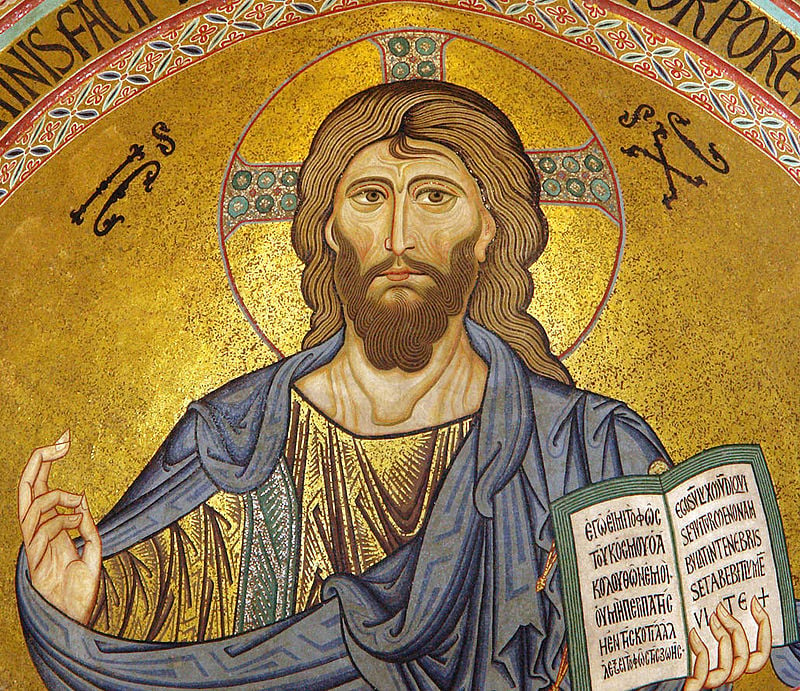
Dogmatic theology is a funny thing. I assume most people who even know what the phrase refers to think of it as, if not just boring, then certainly theoretical, abstract, and removed from the concerns of daily life. Nothing could be further from the truth.
Take the venerable Patristic and Scholastic doctrine that God is not ens summum, but ipsum esse subsistens, not the highest kind of being there is, but the sheer act of “to be” itself. The mystery of existence is the most profound there is in philosophy: why, according to the old saw, is there something rather than nothing? God is not the first link in the long chain of being, but rather he is that chain itself. Our being is participation in the fullness of Being that is God. (And it is striking that the best answer given by philosophy to the question of the divine nature is also the answer given by the Bible: this is what is meant by the Tetragrammaton, God’s biblical name, YHWH, I Am Who I Am, I Am Who Is, I Am What Is…)
That sounds very nice, but, well, so what?
Well, who is God?
According to the Christian Tradition, He is Father, Son and Holy Spirit. Another dogma: the Holy Trinity. From all eternity, the Father graciously imparts His own divine nature to the Son, begetting Him from all eternity out of sheer love, generosity, and freedom, and the Son freely responds in love, in the ruach, the breath of the Holy Spirit. God’s very nature is this gift, this perichoresis, this dance of love between the Divine Persons. This is what it means to say that God is Love. Love is not a feeling, primarily, it is the act of the will of willing the good of the other as other, for their own sake. And it is the nature, not only of God’s relationship towards the created order, but also of God’s inner life.
Ok. Fine. So what?
Well, if God is the very act of Being itself, and if God is gift and love, it means that to be is to love. And to be is to give.
We all believe that to be, in the fullness of the sense, is to be self-sufficient. One who is dependent on others, in some sense, exists less than one who is perfectly self-sufficient.
But the very metaphysical structure of the Universe and all that there is says the exact opposite. Do you want to be? Do you want to experience the fullness of being, do you want to be all that you can be? Then love. Then give, freely.
It is sometimes said that he who gives a lot receives a lot. Maybe, maybe not. But to give a lot is to be a lot, to climb towards the fullness of life, and existence.
All of us, at at least one point in our life, will be hit by a freight train. All of us will at one point have to rebuild our lives, and our broken selves, from broken shards. And at that point, we will be lost, aimless, and confused.
To be, give.
Previous Post
March 13, 2015
Pope Francis Should Institute A Year of Confession
Next Post

April 23, 2015 The Religion-Gospel Dichotomy
Browse Our Archives
Select a Category Elsewhere Mary New Distributism Parish of PEG Synod for the Famiy Theology of Women Uncategorized What I'm Reading
Select a Month June 2015 May 2015 April 2015 March 2015 February 2015 January 2015 December 2014 November 2014 October 2014 September 2014 August 2014 July 2014 June 2014 May 2014 April 2014 March 2014
Follow Us!
TAKE THE
Religious Wisdom Quiz
True or False: The book of Psalms contains exactly 100 psalms.
Select your answer to see how you score.
TRUE FALSE
Related posts from Inebriate Me


A Quick Note About What An Anathema Does...

When All Earthly Hopes Fade, That Old-Time Religion...
TRENDING AT PATHEOS Catholic

The Parable Of The Sower And The Word...
One of Christ’s most famous parables is that of the sower who...

Rejecting Doom: Christian Hope And Human Action
Christianity is a religion of hope. We are to have hope and...

Why I Choose the Eucharist Over the Sermon
Choose the Eucharist, Not the Sermon What are we supposed to get...

5 Design Elements Found in Spiritually Rooted Homes
Putting Spirituality Into Home Decor Our homes are more than our living...

Credo: A Story of God Told with the...
About 10 years ago, I began to imagine a personal "Credo" that...

The Anatomy of Divine Revelation in Catholic Thought
The claim that God has made Himself known to human beings is...
view all Catholic blogs
Ad-Free & Subscriber Log-In Subscription Support
- About Us
- 2026 Calendar
- Videos
- Podcasts
- Library of World Religions
- Faith In Media Tracker
- Advertise With Us
- Write for Us
- Privacy Policy
- Terms of Service
- Do Not Sell My Data
- Contact Us
- Radiant Digital
- Manage Newsletter Subscriptions
- Unsubscribe From Notifications
- Sitemap
Copyright 2008-2026, Patheos. All rights reserved.
Subscription Support Ad-Free & Subscriber Log-In
Follow Patheos