
BuddhistCatholicContemplativeEvangelicalGeneral ChristianHinduJewishLatter-day SaintMuslimNew VisionsProgressive Christian
Beliefs
- Buddhist
- Catholic
- Contemplative
- Evangelical
- General Christian
- Hindu
- Jewish
- Latter-day Saint
- More Voices
- Muslim
- New Visions
- Pagan
- Progressive Christian
Topics
- Religion News
- Food and Religion
- Sports and Religion
- Religious Art
- Religious Music and Entertainment
- Religious Events
- History and Religion
- Style and Religion
- Politics and Religion
- Women in Religion
- Recreation Outdoors and Religion
- Business Finance and Religion
- Careers Workplace and Religion
- Education and Religion
- Family Parenting and Religion
- Health Fitness and Religion
- Home and Religion
- Relationships and Religion
- Technology and Religion
- Travel and Religion
Columnists
- Buddhist Columnists
- Business Finance and Religion Columnists
- Careers Workplace and Religion Columnists
- Catholic Columnists
- Contemplative Columnists
- Education and Religion Columnists
- Evangelists Columnists
- Family Parenting and Religion Columnists
- General Christian Columnists
- Health Fitness and Religion Columnists
- Hindu Columnists
- History and Religion Columnists
- Home and Religion Columnists
- Jewish Columnists
- More Voices Columnists
- Latter Day Columnists
- Muslim Columnists
- New Visions Columnists
- Nonreligious Columnists
- Pagan Columnists
- Politics and Religion Columnists
- Progressive Columnists
- Recreation Outdoors and Religion Columnists
- Relationships and Religion Columnists
- Religion News Columnists
- Religious Art Columnists
- Religious Events Columnists
- Religious Music and Entertainment Columnists
- Sports and Religion Columnists
- Style and Religion Columnists
- Technology and Religion Columnists
- Travel and Religion Columnists
- Women in Religion Columnists
Resource Library
- 2026 Calendar
- Library of World Religions
- The 100 Most Holy Places on Earth
- Patheos Answers
- Podcasts
- Videos
- Faith Leaders Database
- Anglican Episcopalian
- Bahai
- Baptist
- Buddhism
- Christianity
- Confucianism
- Eastern Orthodoxy
- Hinduism
- Holiness and Pentecostal
- ISKCON
- Islam
- Judaism
- Lutheran
- Methodist
- The Church of Jesus Christ of Latter-day Saints
- New Age
- Paganism
- Presbytarian and Reformed
- Protestantism
- Religion Behind the Scenes
- Roman Catholic
- Scientology
- Shia Islam
- Sikhism
- Sufism
- Sunni Islam
- Taoism
- Zen
- See all religions
Research Tools
 Ad-Free & Subscriber Log-In Subscription Support
Ad-Free & Subscriber Log-In Subscription Support
Follow Patheos 

- Trending:
- Forgiveness
- |
- Marriage
- |
- Consciousness
- |
- Death Penalty
- |
- Election
- |
- Halloween
 Inebriate Me
- Home
- Catholic
- Meister Eckhart And The Noble Man
Meister Eckhart And The Noble Man
Last updated on: January 14, 2015 at 6:05 pm by Pascal-Emmanuel Gobry
Meister Eckhart And The Noble Man 2015-01-14T18:05:50+01:00 Pascal-Emmanuel Gobry
Patheos Explore the world's faith through different perspectives on religion and spirituality! Patheos has the views of the prevalent religions and spiritualities of the world.
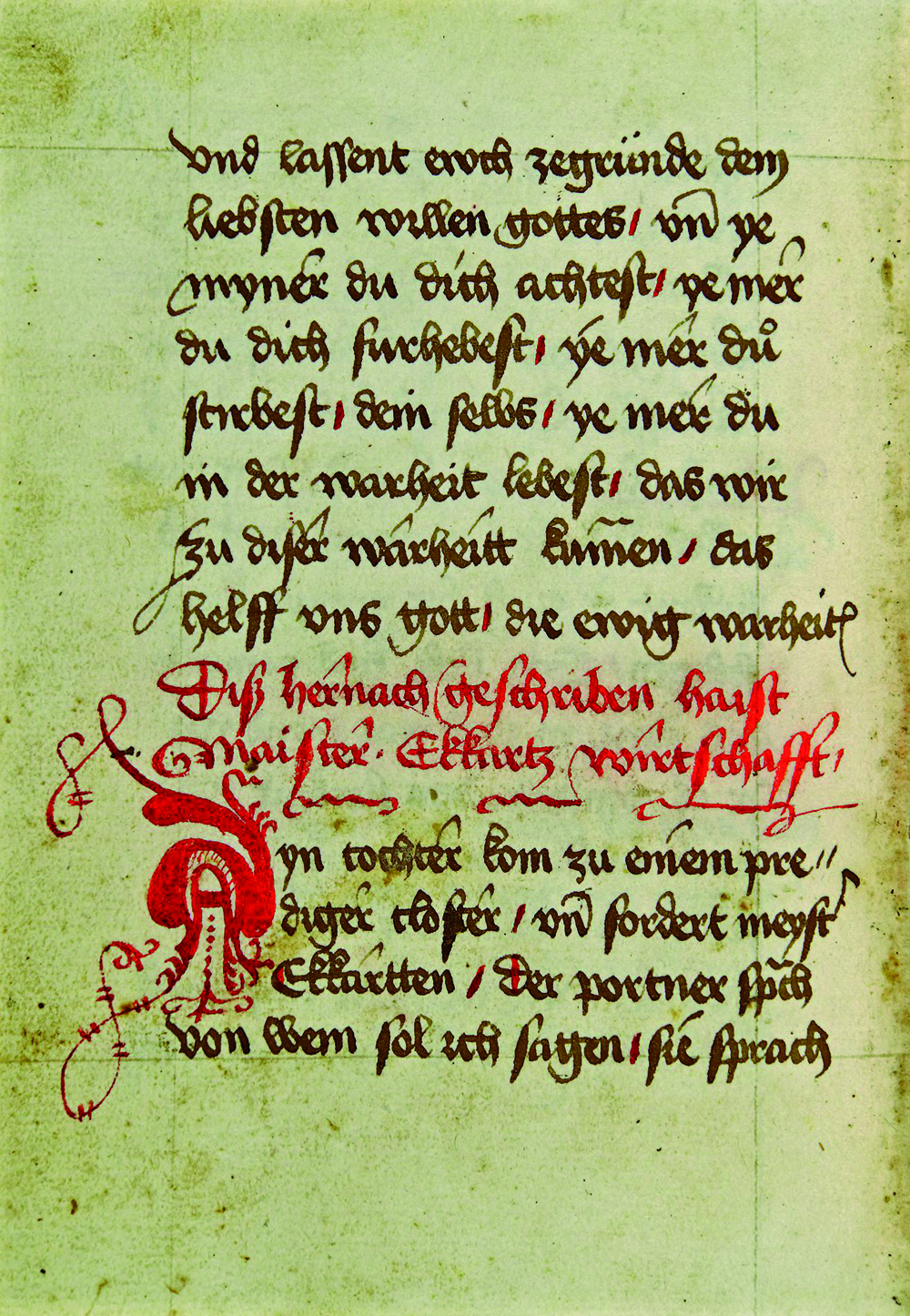
One theme in Meister Eckhart’s writings is the noble man as the figure of the ideal Christian.
At first blush, this seems strange. Didn’t Christ establish the radical equality of all men as children of God? Didn’t he come to exalt the lowly and bring down the mighty?
Yes, yes. But…
Here are some reasons why I think the idea of the noble man might be useful to us these days.
The noble man did not earn his station. We have received the grace of sonship to be part of God’s covenant people. Everything good we do is by grace. We do not earn our salvation, and though we merit rewards for our good works, that is also by grace.
The noble man is a servant. In the feudal order that Eckhart lived in, nobility came with obligations. Each noble man had allegiance to other, higher nobles, and had people under them who had sworn allegiance to them that they had to care for, and society was built on this complex web of reciprocal obligations. To be a noble man was to serve one’s lord as well as one’s servants. To be a noble man was to have received a vocation to lifelong service to others.
The noble man is a steward. The noble man has received an estate in trust and must pass it on. He is not its owner–he has a sacred duty to fructify it, or at least preserve it, for the next generation. We are not the owners of the Gospel, but we are its stewards. We have received the apostolic Tradition of the Holy Church in unbroken succession, and it is our job to make it fructify, and to pass it on. This wonderful work of God we call Catholicism is not our property, but we are its stewards. We must receive it in humility as such, fructify it, and pass it on, spread the Gospel to the ends of the Earth and light the world on fire.
The noble man is…well…noble. Having received his nobility without merit, the noble man has nothing to prove to anyone, and he has the quiet confidence and security that comes with that. You are a son of the King, a knight gallant sent by the Lord of the Universe, elected for this grace to hold the sacred threefold office of Priest, Prophet and King. There is no need to be defensive, or bitter, or to have a “funeral face” as the Holy Father says.
In this era of supposed meritocracy, where we are told to earn earn earn and that it is our fault if we fall by the wayside, where equality and toleration can shade into indifferentism and relativism, perhaps it is good for us Christians to reflect more on our status of divine nobility.
Previous Post

January 14, 2015
The Theophany And The God Who Wants To Be Laid Hands On
Browse Our Archives
Select a Category Elsewhere Mary New Distributism Parish of PEG Synod for the Famiy Theology of Women Uncategorized What I'm Reading
Select a Month June 2015 May 2015 April 2015 March 2015 February 2015 January 2015 December 2014 November 2014 October 2014 September 2014 August 2014 July 2014 June 2014 May 2014 April 2014 March 2014
Follow Us!
TAKE THE
Religious Wisdom Quiz
Who was lowered through a roof to be healed by Jesus?
Select your answer to see how you score.
A leper A paralyzed man Jairus' daughter A blind man
Related posts from Inebriate Me


A Quick Note About What An Anathema Does...

When All Earthly Hopes Fade, That Old-Time Religion...

TRENDING AT PATHEOS Catholic

Rejecting Doom: Christian Hope And Human Action
Christianity is a religion of hope. We are to have hope and...

It’s What Comes From Within Which Matters
One of the most difficult things for us to understand is why...

Why I Choose the Eucharist Over the Sermon
Choose the Eucharist, Not the Sermon What are we supposed to get...

5 Design Elements Found in Spiritually Rooted Homes
Putting Spirituality Into Home Decor Our homes are more than our living...

Credo: A Story of God Told with the...
About 10 years ago, I began to imagine a personal "Credo" that...

The Anatomy of Divine Revelation in Catholic Thought
The claim that God has made Himself known to human beings is...
view all Catholic blogs
Ad-Free & Subscriber Log-In Subscription Support
- About Us
- 2026 Calendar
- Videos
- Podcasts
- Library of World Religions
- Faith In Media Tracker
- Advertise With Us
- Write for Us
- Privacy Policy
- Terms of Service
- Do Not Sell My Data
- Contact Us
- Radiant Digital
- Manage Newsletter Subscriptions
- Unsubscribe From Notifications
- Sitemap
Copyright 2008-2026, Patheos. All rights reserved.
Subscription Support Ad-Free & Subscriber Log-In
Follow Patheos