
BuddhistCatholicContemplativeEvangelicalGeneral ChristianHinduJewishLatter-day SaintMuslimNew VisionsProgressive Christian
Beliefs
- Buddhist
- Catholic
- Contemplative
- Evangelical
- General Christian
- Hindu
- Jewish
- Latter-day Saint
- More Voices
- Muslim
- New Visions
- Pagan
- Progressive Christian
Topics
- Religion News
- Food and Religion
- Sports and Religion
- Religious Art
- Religious Music and Entertainment
- Religious Events
- History and Religion
- Style and Religion
- Politics and Religion
- Women in Religion
- Recreation Outdoors and Religion
- Business Finance and Religion
- Careers Workplace and Religion
- Education and Religion
- Family Parenting and Religion
- Health Fitness and Religion
- Home and Religion
- Relationships and Religion
- Technology and Religion
- Travel and Religion
Columnists
- Buddhist Columnists
- Business Finance and Religion Columnists
- Careers Workplace and Religion Columnists
- Catholic Columnists
- Contemplative Columnists
- Education and Religion Columnists
- Evangelists Columnists
- Family Parenting and Religion Columnists
- General Christian Columnists
- Health Fitness and Religion Columnists
- Hindu Columnists
- History and Religion Columnists
- Home and Religion Columnists
- Jewish Columnists
- More Voices Columnists
- Latter Day Columnists
- Muslim Columnists
- New Visions Columnists
- Nonreligious Columnists
- Pagan Columnists
- Politics and Religion Columnists
- Progressive Columnists
- Recreation Outdoors and Religion Columnists
- Relationships and Religion Columnists
- Religion News Columnists
- Religious Art Columnists
- Religious Events Columnists
- Religious Music and Entertainment Columnists
- Sports and Religion Columnists
- Style and Religion Columnists
- Technology and Religion Columnists
- Travel and Religion Columnists
- Women in Religion Columnists
Resource Library
- 2026 Calendar
- Library of World Religions
- The 100 Most Holy Places on Earth
- Patheos Answers
- Podcasts
- Videos
- Faith Leaders Database
- Anglican Episcopalian
- Bahai
- Baptist
- Buddhism
- Christianity
- Confucianism
- Eastern Orthodoxy
- Hinduism
- Holiness and Pentecostal
- ISKCON
- Islam
- Judaism
- Lutheran
- Methodist
- The Church of Jesus Christ of Latter-day Saints
- New Age
- Paganism
- Presbytarian and Reformed
- Protestantism
- Religion Behind the Scenes
- Roman Catholic
- Scientology
- Shia Islam
- Sikhism
- Sufism
- Sunni Islam
- Taoism
- Zen
- See all religions
Research Tools
 Ad-Free & Subscriber Log-In Subscription Support
Ad-Free & Subscriber Log-In Subscription Support
Follow Patheos 

- Trending:
- Forgiveness
- |
- Marriage
- |
- Consciousness
- |
- Death Penalty
- |
- Election
- |
- Halloween
 Inebriate Me
- Home
- Catholic
- Courtly Love And “The Traditional Family”
Courtly Love And “The Traditional Family”
Last updated on: January 21, 2015 at 4:53 pm by Pascal-Emmanuel Gobry
Courtly Love And “The Traditional Family” 2015-01-21T16:53:27+01:00 Pascal-Emmanuel Gobry
Patheos Explore the world's faith through different perspectives on religion and spirituality! Patheos has the views of the prevalent religions and spiritualities of the world.
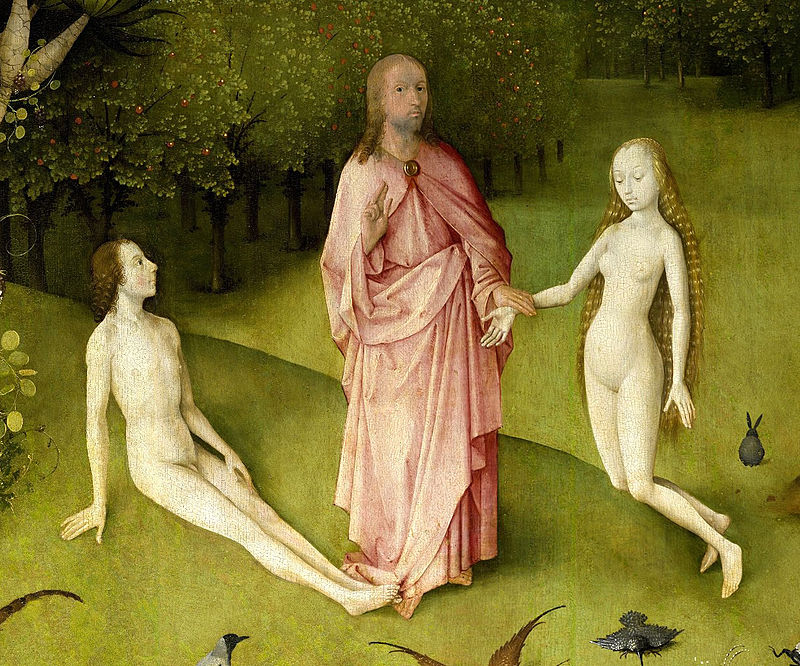
Over the Christmas break, I read C.S. Lewis’s The Allegory of Love (my first Lewis book! I enjoyed it!), a wonderful book of literary history and criticism, which looks at the invention of the poetry genre of “courtly love”, which is really the invention of what we would today call romantic love, period.
One of the things Lewis is at pains to stress in his book is that the very notion of romantic, or passionate, love, or however you want to call it, was basically alien to all culture until the 11th century when Provençal poets created it. And the extent to which the notion has been popular is positively astonishing, given that it is essentially impossible for us to imagine life without it, and without it as a central part of every life (if only as an absence, or a longing, or a rejection) and of human flourishing. So, yes, if someone asks, it’s true: French people invented love.
Lewis refuses to credit Christianity directly with this invention of romantic love, but I can’t help but believe (and I don’t think Lewis would very much disagree) that such a notion could only have appeared, and certainly only flourished, in a culture whose imagination had been profoundly shaped by the Christian symphony–starting with the idea that the very ground of existence is love, a love that is willing to go through death and Hell and back if need be.
This might, and perhaps should, give Christians an occasion to boast, but it’s also worth noting another aspect of the courtly love genre: in the original courtly love drama, romantic love can only be adulterous love. Marriage is arranged, and is entered into for sociopolitical reasons, and so romantic, passionate love can only appear between a wife and an unmarried knight. Church authorities, understandably enough though short-sightedly, reacted to the courtly love dramas with horror: an apology of adultery!
And this is really an encapsulation (there are many others) of the bittersweet flavor of the history of the Christian drama. On the one hand, there are tremendous accomplishments, the irresistible and fantastic results of the astonishing Christian cultural revolution–the invention of love!–but there is a reminder of the extent to which Christianity was left untried. Even in the thoroughly christianized (or not thoroughly, that is the point) society of the Middle Ages, “Christian marriage” actually had very little “Christian” about it: it was still mostly, at least for the nobility, a natural affair of estate and social status, not the icon of the Trinitarian perichoresis that Christian theology tells us it should be.
This is why I so often cringe when I hear talk of “traditional marriage.” What was Christian about “traditional marriage”? Not as much as we would like.
If we’re going to debate “the family” (and we must), then we must put forward a vision that is about more than turning back the clock to some imagined prelapsarian state, a vision that is more Christian than “traditional marriage.”
(Another important aspect of courtly love is its scripted character. We live in a society that desperately needs new relationship scripts, and I think there is a mine here.)
Previous Post

January 15, 2015
Examining A Proposal On Orthodox-Catholic Unity
Next Post
January 22, 2015 Papal Infallibility As An Instrument Of Unity
Browse Our Archives
Select a Category Elsewhere Mary New Distributism Parish of PEG Synod for the Famiy Theology of Women Uncategorized What I'm Reading
Select a Month June 2015 May 2015 April 2015 March 2015 February 2015 January 2015 December 2014 November 2014 October 2014 September 2014 August 2014 July 2014 June 2014 May 2014 April 2014 March 2014
Follow Us!
TAKE THE
Religious Wisdom Quiz
What were Jesus' followers called?
Select your answer to see how you score.
Prophets Judges Shepherds Disciples
Related posts from Inebriate Me


A Quick Note About What An Anathema Does...

When All Earthly Hopes Fade, That Old-Time Religion...

TRENDING AT PATHEOS Catholic

Creation, Preservation, and Teleology in Catholic Theology
As I write this, it is very early Monday morning. Like millions...

The Parable Of The Sower And The Word...
One of Christ’s most famous parables is that of the sower who...

Rejecting Doom: Christian Hope And Human Action
Christianity is a religion of hope. We are to have hope and...

Why I Choose the Eucharist Over the Sermon
Choose the Eucharist, Not the Sermon What are we supposed to get...

5 Design Elements Found in Spiritually Rooted Homes
Putting Spirituality Into Home Decor Our homes are more than our living...

Credo: A Story of God Told with the...
About 10 years ago, I began to imagine a personal "Credo" that...
view all Catholic blogs
Ad-Free & Subscriber Log-In Subscription Support
- About Us
- 2026 Calendar
- Videos
- Podcasts
- Library of World Religions
- Faith In Media Tracker
- Advertise With Us
- Write for Us
- Privacy Policy
- Terms of Service
- Do Not Sell My Data
- Contact Us
- Radiant Digital
- Manage Newsletter Subscriptions
- Unsubscribe From Notifications
- Sitemap
Copyright 2008-2026, Patheos. All rights reserved.
Subscription Support Ad-Free & Subscriber Log-In
Follow Patheos