
BuddhistCatholicContemplativeEvangelicalGeneral ChristianHinduJewishLatter-day SaintMuslimNew VisionsProgressive Christian
Beliefs
- Buddhist
- Catholic
- Contemplative
- Evangelical
- General Christian
- Hindu
- Jewish
- Latter-day Saint
- More Voices
- Muslim
- New Visions
- Pagan
- Progressive Christian
Topics
- Religion News
- Food and Religion
- Sports and Religion
- Religious Art
- Religious Music and Entertainment
- Religious Events
- History and Religion
- Style and Religion
- Politics and Religion
- Women in Religion
- Recreation Outdoors and Religion
- Business Finance and Religion
- Careers Workplace and Religion
- Education and Religion
- Family Parenting and Religion
- Health Fitness and Religion
- Home and Religion
- Relationships and Religion
- Technology and Religion
- Travel and Religion
Columnists
- Buddhist Columnists
- Business Finance and Religion Columnists
- Careers Workplace and Religion Columnists
- Catholic Columnists
- Contemplative Columnists
- Education and Religion Columnists
- Evangelists Columnists
- Family Parenting and Religion Columnists
- General Christian Columnists
- Health Fitness and Religion Columnists
- Hindu Columnists
- History and Religion Columnists
- Home and Religion Columnists
- Jewish Columnists
- More Voices Columnists
- Latter Day Columnists
- Muslim Columnists
- New Visions Columnists
- Nonreligious Columnists
- Pagan Columnists
- Politics and Religion Columnists
- Progressive Columnists
- Recreation Outdoors and Religion Columnists
- Relationships and Religion Columnists
- Religion News Columnists
- Religious Art Columnists
- Religious Events Columnists
- Religious Music and Entertainment Columnists
- Sports and Religion Columnists
- Style and Religion Columnists
- Technology and Religion Columnists
- Travel and Religion Columnists
- Women in Religion Columnists
Resource Library
- 2026 Calendar
- Library of World Religions
- The 100 Most Holy Places on Earth
- Patheos Answers
- Podcasts
- Videos
- Faith Leaders Database
- Anglican Episcopalian
- Bahai
- Baptist
- Buddhism
- Christianity
- Confucianism
- Eastern Orthodoxy
- Hinduism
- Holiness and Pentecostal
- ISKCON
- Islam
- Judaism
- Lutheran
- Methodist
- The Church of Jesus Christ of Latter-day Saints
- New Age
- Paganism
- Presbytarian and Reformed
- Protestantism
- Religion Behind the Scenes
- Roman Catholic
- Scientology
- Shia Islam
- Sikhism
- Sufism
- Sunni Islam
- Taoism
- Zen
- See all religions
Research Tools
 Ad-Free & Subscriber Log-In Subscription Support
Follow Patheos 

- Trending:
- Advent
- |
- Forgiveness
- |
- Thanksgiving
- |
- Election
- |
- Seasonal Holidays
- |
- Marriage

- Home
- General Christian
- Chosen Prior to Faith or Chosen by Foreknown Faith? A Look at the Early Church Fathers on Romans 9
Chosen Prior to Faith or Chosen by Foreknown Faith? A Look at the Early Church Fathers on Romans 9
Last updated on: August 3, 2021 at 4:09 pm by B. J. Oropeza
Chosen Prior to Faith or Chosen by Foreknown Faith? A Look at the Early Church Fathers on Romans 9 2021-08-03T16:09:59-07:00 B. J. Oropeza
Patheos Explore the world's faith through different perspectives on religion and spirituality! Patheos has the views of the prevalent religions and spiritualities of the world.
Does Romans 9 teach that God chooses individuals irrespective of their faith? Or is it that God elects based on foreknowledge of their faith? In our first instalment on the Romans 9 debate we covered ancient Jewish sects on divine determinism and freewill. We will now look at early church writers and their interpretation of Romans 9.
In Romans 9:10–23 we find God saying that he loved Jacob and hated Esau; God chose Jacob over Esau before either one could do anything good or bad. God also has mercy on whomever he wills and hardens whomever he wills. And we read that God prepares vessels of wrath for destruction and vessels of mercy for glory. How did patristic thinkers interpret this passage?
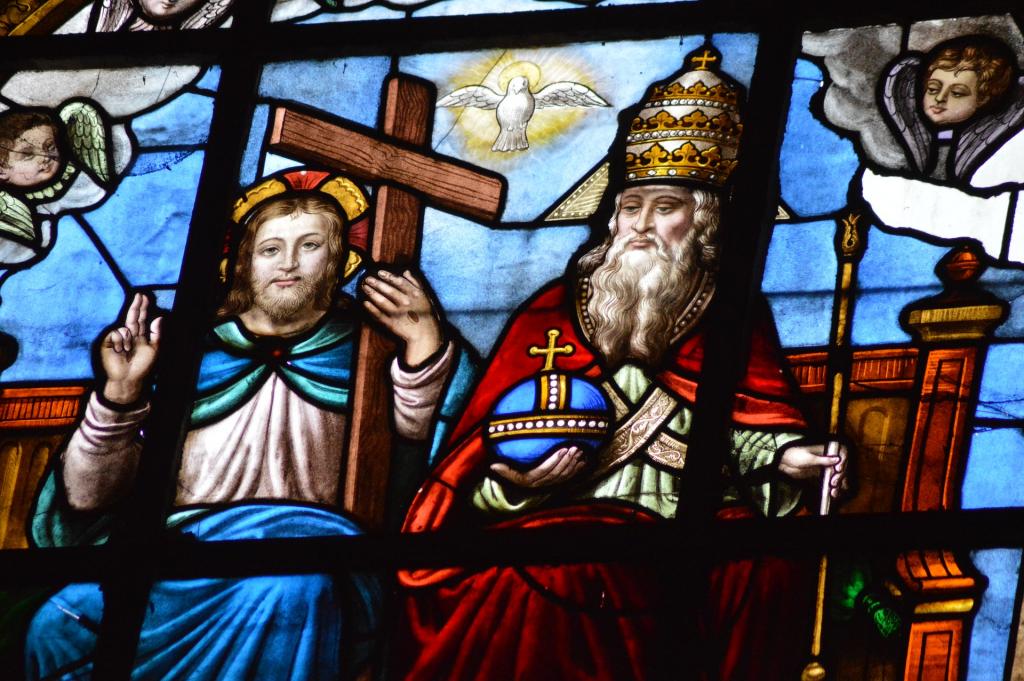
Early Christian Thinkers on Romans 9
The second century church father Irenaeus of Lyons, discussed Rebecca’s two sons (Rom 9:10–13/ Gen 25:23). When explaining that the older would server the younger, he wrote: “it is evident, that not only [were there] prophecies of the patriarchs, but also that the children brought forth by Rebecca were a prediction of the two nations; and that the one should be indeed the greater, but the other the less; that the one also should be under bondage, but the other free; but [that both should be] of one and the same father. Our God, one and the same, is also their God, who knows hidden things, who knoweth all things before they can come to pass; and for this reason has He said, ‘Jacob have I loved, but Esau have I hated.’” (Against Heresies 4.21.2).[1]
Relevant to Romans 9:14-19. Tertullian of Carthage affirmed: “God hardens the heart of Pharaoh. He deserved, however, to be influenced [apparently by Satan] to his destruction, who had already denied God, already in his pride so often rejected His ambassadors, accumulated heavy burdens on His people, and (to sum up all) as an Egyptian, had long been guilty before God of Gentile idolatry, worshipping the ibis and the crocodile in preference to the living God.” (Against Marcion, 2.14).[2]
Origen of Alexandria believed that Jacob could be determined to rule over Esau on the basis of merits related to their pre-existence, assuming they lived prior to the earthly bodies (De Principiis 2.9.7).[3]
Origen also has an interesting perspective on the divine hardening of Pharaoh in Romans 9:14–19: “the present section he [Paul] had introduced some persona that contradicts him and raises objections by saying: Is there injustice on God’s part if it is not of the one who wills or strives, but of God who shows mercy, and if [God] chose Pharaoh for the purpose of showing in him the authority of his power, and if he himself shows mercy to whom he wants and he hardens whom he wants, so that he asks, ‘Why does he still blame men and why is the one who sins found culpable, since his will would be deemed such concerning each?’[4] In other words, Paul’s opponent’s words are mostly expressed in 9:14-19, to which Paul rebukes in 9:20.
However, in another explanation about Pharaoh’s hardened heart, Origen has it that like rain, God’s kindness or miracles produce both fruits and thorns depending on human behaviors. Similarly, like the sun on wax or clay, the sun softens one and hardens the other depending on dispositions (Philocalia, 27.10; 29.9-10; cf. 21:10; De Principiis, 3.1.10–11). If so, Pharaoh’s hardened heart is not really an act of God in which he directly hardens the tyrant’s heart. Rather, by the very act of God’s supernatural plagues, Pharaoh and others experiencing them are forced to make choices, either to repent and fear God, or not. By not doing so, this in itself is what hardens them.
Ambrosiaster in his commentary on Romans, when discussing God loving Jacob and hating Esau, says, “There is no respect of persons in God’s foreknowledge. For God’s foreknowledge is that by which it is defined what the future will of each person will be, in which he will remain, by which he will either be condemned or rewarded. Some of those who will remain among the good were once evil, and some of those who will remain among the evil were once good.”[5]
On God having mercy on whomever he wills, Ambrosiaster writes, “he will call whomever he knows will obey, and he will not call whomever he knows will not obey. For to call someone is to compel him to accept the faith.”[6]
Theodoret of Cyrrhus on Romans 9:13 says, “God made the prediction by foreknowledge of their intentions. For the election was not unjust; it corresponded to their individual intentions. Paul then added a prophetic testimony, as it was written: I have loved Jacob, but I have hated Esau. God does not attend to nature but looks for virtue.”[7]
Similarly, in John Chrysostom’s Homilies on Romans, he claims that Jacob was to rule over Esau due to his worthiness of being foreknown by God. “For this was a sign of foreknowledge, that they were chosen from the very birth. That the election made according to foreknowledge, might be manifestly of God, from the first day He at once saw and proclaimed which was good and which not” (Homily 16).[8]
Regarding Rom 9:22, he states that “Pharaoh was a vessel of wrath, that is, a man who by his own hard-heartedness had kindled the wrath of God. For after enjoying much long-suffering, he became no better, but remained unimproved. Wherefore he calleth him not only ‘a vessel of wrath,’ but also one ‘fitted for destruction.’ That is, fully fitted indeed, but by his own proper self” (Homily 16 [11:468]). Translating the Greek perfect participle katērtismena with the middle voice, Chrysostom understood Pharaoh as having “fitted himself” for destruction. Had he translated this word with the passive voice, this could mean that God fitted or prepared Pharaoh for destruction. For Chrysostom, God wanted to the lead Pharaoh to repentance, bearing him with long patience, but he did not repent.
In the same homily, he explains that divine grace does not divest humans of freedom: “Because when he says, ‘it is not of him that willeth, nor of him that runneth,’ [Rom 9:16] he does not deprive us of free-will, but shows that all is not one’s own, for that it requires grace from above. For it is binding on us to will, and also to run: but to confide not in our own labors, but in the love of God toward man. And this he has expressed elsewhere. ‘Yet not I, but the grace which was with me.’ (1 Cor. 15:10.)” (11:469).
In Pelagius’s commentary on Romans, he writes, “Jacob and Esau too, who were born of Rebecca by a single conception, were separated in God’s sight before they were born on account of their [subsequent] faith, so that God’s purpose for choosing the good and resisting the evil existed already in his foreknowledge. So too, then, he has now chosen those whom he foreknew would believe from among the Gentiles, and has rejected those whom he foreknew would be unbelieving out of Israel.”[9] Also, regarding God’s mercy in 9:15, Pelagius claims that God foreknows who deserves mercy.
Cyril of Alexandria’s commentary on Romans goes further to suggest that even divine grace can be foreknown: “Suppose that Jacob had not turned out to be a good man or Esau an evil one, the allegation could be made that either God’s foreknowledge was erroneous or, worse, that what God ordained for each of them was based on a whim or a fickle will. Since Esau was in fact very wicked and Jacob wise, however, God’s foreknowledge would not have resulted in an unjust decision. In anticipation, God granted to the good man the love of which he would prove worthy but to the bad man the condemnation he would deserve. For God is long-suffering and awaits the proper time for things to be done when what one is becomes evident in what one does. The grace of election and the gift given on the basis of foreknowledge foreshadow the mystery that God accomplishes what is best when the time is right.”[10]

My Reflections, So Far
The viewpoint of Origen’s preexistent souls seems far-fetched to say the least. His view that an opponent’s voice took over in Rom 9:14–19 is fascinating, but perhaps more accurately we could suggest that this interlocutor raises questions in 9:14, to which Paul responds in 9:15-18. And then Paul intercepts the interlocutor’s follow-up questions in 9:19 responding to them in 9:20 and following. Nevertheless, Origen’s view on how the hardening of hearts takes place is still a viable alternative for interpreting Pharaoh’s hardening today. Likewise, John Chrysostom’s middle voice interpretation of the verb katartizo in 9:22 has it that the vessels of wrath fit themselves for destruction rather than God. This viewpoint is still supported by certain scholars today.
There appears to be a consensus with the church fathers cited above, along with others (e.g., Acacius of Caesarea, Theodore of Mopsuestia), that God could determine things in advance based on knowing beforehand human decisions and dispositions.[11] God could foresee human faith, and this is how he could choose Jacob over Esau. These ancient writers believed that an omniscient God foreknows all things and can thus elect and predestine on that basis. They also assume that Pharaoh deserves his hardening and punishment.
What we do not seem to find, at least prior to Augustine of Hippo (c. 400 CE), is a clear interpretation of Romans 9 affirming that God arbitrarily elects and predestines individuals to eternal salvation and others to eternal damnation regardless of their future faith and deeds. It is difficult for me to wrap my mind around the possibility that God did not leave a witness in the orthodox and western churches who interpreted Romans 9 along these lines. It would take Augustine, almost 350 years after Paul wrote Romans, to start reading the text in a way compatible with this.
Why such a long wait? Is the problem simply an issue of providential mystery? Or is it that these church fathers interpreted this passage from Romans 9 correctly and Augustine didn’t? We will be looking at Augustine next, so stay tuned.
Notes
[1] In The Ante-Nicene Fathers, A. Roberts, J. Donaldson, & A. C. Coxe (Eds.) (Buffalo, NY: Christian Literature Company, 1885), 1:493.
[2] In The Ante-Nicene Fathers, P. Holmes (Trans.) (Buffalo, NY: Christian Literature Company, 1885), 3:308–309.
[3] As affirmed in the history of interpretation of Romans 9:6–29 section in William Sanday and Arthur Headlam, The Epistle to the Romans, ICC (Ediburgh: T. & T. Clark, 1902), 269–75 (269).
[4] Origen, Commentary on the Epistle to the Romans, Books 6–10 (T. P. Scheck, Trans.) (Washington, DC: The Catholic University of America Press, 2002).
[5] Ambrosiaster, Commentaries on Romans and 1-2 Corinthians. (Gerald L. Bray, Trans.) (Downers Grove, IL: IVP 2009), 76.
[6] Ambrosiaster, 77.
[7] J. P. Burns, C. Newman, & R. L. Wilken, R. L., eds., Romans: Interpreted by Early Christian Commentators. (J. P. Burns Jr. & C. Newman, Trans.) (Grand Rapids: Eerdmans, 2012), 223. Quote in boldface in the original.
[8] John Chrysostom, Homilies of St. John Chrysostom, Archbishop of Constantinople, on the Epistle of St. Paul to the Romans, In Nicene and Post-Nicene Fathers, J. B. Morris, W. H. Simcox, & G. B. Stevens (Trans.) (New York: Christian Literature Company, 1889), 11:466.
[9] Theodore De Bruyn, ed. Pelagius’s Commentary on St. Paul’s Epistle to the Romans (Oxford: Clarendon Press, 1993), 116.
[10] Burns, Newman, Wilken, Romans, 227–228.
[11] See further names in John Piper, The Justification of God, 2nd ed. (Grand Rapids: Baker, 1993), 51 note 13.
Image 1: Stained glass window church via pixabay.com; Image 2: King James Version kjv via pixabay.com

About B. J. Oropeza
B. J. Oropeza is Professor of Biblical and Religious Studies at Azusa Pacific University and Seminary, and an author of a number of books and publications including studies on the Apostle Paul, Romans, Corinthian correspondence, intertextuality, apostasy and perseverance, and other issues. You can read more about the author here.
Previous Post

July 25, 2021
Divine Determinism and Human Freedom: The Romans 9 Debate
Next Post
August 14, 2021 St. Augustine vs. St. Augustine: Grace and Foreknowledge in Romans 9
Browse Our Archives
Select a Category "in Christ" 1 Corinthians 1 Enoch 1 John 2:19 1 Peter 1 Thessalonians 1 Timothy 1Peter 2 Corinthians 2 Kings 2 Timothy 400 years of silence 70 nations A. I. A. M. Hunter Abraham Achilles Tatius Acts 13 Acts 19 Acts 20:35 Acts 22 Acts 26 Acts 9 addiction adultery Aesop's Fables Affliction afterlife allegiance allusions amanuensis Amen Ananias Ancient Biography Andrew Wilson Andronicus Angels anger Anglicanism anointing aorist tense Apep apocalypse Apocalypse of Abraham apocalyptic Apocrypha apologetics apostasy Apostle Apostle Paul Aquinas archaeology archangel Ardel Caneday Arminianism armor of God article from journal artificial intelligence Asbury ascension atlas atonement Augustine Augustus authorship Awakening awards baptism Battle of Armageddon beasts behemoth Belial Beliar belief Benediction between Testaments Beverly Roberts Gaventa Bible Bible discrepancies Bible Gateway Bible reading Bible reading plan Bible Study Bible translations Bible version Bible versions biblical inerrancy Biblical Theology blasphemy blindness Boethius boldness Book of Acts Book of Jubilees Book Review Born Again bravery burial Caesar calling Calvinism Campus Crusade canon canon Cassius Dio Catholics Channing Crisler charistmatic Christ Christian behavior Christian origins Christian theology Christians Christology church church fathers Church of England Chuza Cleopas Commandments Commentaries congregation conversion Corinthian letters coronavirus courage Covenant covenant theology covenantal nomism coveting COVID-19 Craig Keener Crescens crocodile Cross crucifixion curse custom Cyprian Daily Bread Dale Allison Damascus Damascus Experience Damascus road David Moffitt Day of Atonement deacon dead Dead Sea Scrolls death Deity of Christ Demas demonology demons determinism Deuteronomy Devil devotion dinosaur Dio Chrysostom disputed letters of Paul divided I Divine Christology divine punishment divorce Do not fear Doxology dragon E. P. Sanders Eastern Orthodox Ebeneazer Urga echoes Egyptian animal worship ekklesia election Elijah the Prophet Elisha the Prophet Elisha's bones Elymas embodiment of the gospel embodying the gospel emperor empty tomb Encouragement end times enlightement Ephesians Ephesus Epistles of Paul eschatology eternal life Ethics (Christian) euchlaion Eusebius of Caesarea evangelical evangelism evidence exile extreme unction Ezekiel faith Fall of Adam and Eve fall of the nations falling away false prophet fate father Father's Day favorite Fear film Final Judgment Flood Flood of Noah foreknowledge foreordain forgiveness fornication Four Spiritual Laws freewill from Saul to Paul Galatians Gary Cooper Genesis Gentile studies Gentiles geography giants gift gift giving global perspective Glossa Ordinaria God God perception good news gospel gospel 2.0 Gospel of John Gospel of Luke Gospel of Mark Gospel of Matthew Gospels grace gratitude Great Awakening Greco-Roman Greco-Roman world Greek Greek classic literature Greek lexicon Greek Orthodox Greek prepositions greetings guilt Habakkuk hair Halloween head covering head coverings healing heaven Hebrew Hebrews hermeneutics Hesed high Christology Higher Christology highlights holiness holy Holy Bible Holy Scriptures Holy Spirit Homer hospitable hospitality how to read the Bible human effort I Am sayings Idolatry Idols imperialism in Adam In Christ inspiration intercession Interpretation intertestamental period Intertextuality Interview intimidation Isaiah Israel Israel (land of) James James D. G. Dunn Japheth Jason Staples Jerome Jesus Jesus sayings Jesus traditions Jesus: Studies Jewish literature Jewish names Jewish Scripture Jewish studies Jews Joanna Job John John 3:16 John Chrysostom John Hyrcanus John Mark John of Damascus John the Baptist John Wesley Josephus joy Judaism Judgment day Julia Junia Justice justification kerygma King Kingdom kingdom of God Krister Stendahl lament Last Supper Law Law of Moses lecture hall letter writing Letters of Paul Leucippe et Clitophon Leviathan Leviticus light Logical fallacy looting Lord Lord's Prayer Lord's Supper lose salvation Lot Lotan love lovingkindness Lucifer Luke lust Luther LXX maenads Malachi Marcion marginalization marital affair marriage martyrdom Mary Matt Damon Medieval theologians Medieval theology memorization mercy Michael the Archangel miracles Mishnah missiology mission missionary missions monergism monogenes monster monsters Mosaic Law Moses Mysterious Ways mythology N. T. Wright name change names narrative nations Nephilim New Birth new covenant new covenant pneumaism new creation New Perspective on Paul New Testament New Testament use of Old Testament Nimrod Noah Noah's ark nomism non-Christian oath obedience Odysseus Odyssey oil Old Testament only begotten Origen Outpouring pagan pagans parable paraceratherium Parousia participation in Christ Pastoral Letters patristic theology Paul in prison Paul letter of Paul teaching Paul the Apostle: Studies Paul within Judaism Paul's calling Paul's conversion Paul's death Pauline Theology persecution perseverance perseverance of the saints Persis personal devotion pesher Peter Abelard Philo philosophy Phoebe Pink Floyd pistis Plague plutarch pneuma pneumagism popular culture sayings Porneia Post-New Perspective on Paul praise prayer preaching predestination Prisca Priscilla Prison Epistle Prophecy prophets Psalm Psalms Pseudepigrapha Q Q source quest for the historic Jesus quotations Rabbi Pinhas be Yair Rabbinic literature Rainer Riesner raised from the dead rapture reading missiologically reading plan recipients reciprocity reconciliation Red Herring red letter edition redemption Reformation Regeneration rejoicing reminder renewal repentance restoration resurrection revival righteousness riot Roman Antiquity Roman names Roman Road romance Romans Romans 12-16 Romans 16 Romans 4:25 Romans 7 Rome Rufus's mother sacrificial system salvation Salvation/Soteriology sanctification Satan Satan's fall Saul the Pharisee sayings SBL Scholars school Scripture Second coming of Christ Second Temple Judaism secretary Septuagint Sergeant York Sergius Paulus Servant in Isaiah sex and sexuality sex ethics sexual immorality sheep sick sin sinful nature single Christians and dating social justice Society of Biblical Literature sons of God sons of Noah soteriology Spain spinosaurus spiritual gifts spiritual renewal spiritual warfare Stephen Wilson struggle Study Bible studying the Bible Suetonius suffering Suffering Servant suggestive commentary Survey synergism Synoptic Gospels Table of the nations Tacitus Tarshish teacher teaching telos temptation Tertius The Chosen the flesh Theology Thomas Aquinas Thomas Robinson Thomas Schreiner Thorn Thucydides Timothy Titus tongues Top 10 top 12 Torah trust Tryphaena Tryphosa Tyrannus U2 Ugaritic Ukraine Ukrainian Uncategorized unconditional love unforgiving Union with Christ unity/solidarity unpardonable sin urgency Valentine's Day veils vice vices victory warnings Watchers Wisdom of Solomon witnessing Woman ministers women women ministers women speakers women teachers word of God works works of the law worship writing YouVersion Zen Hess zombie
Select a Month November 2026 October 2026 September 2026 August 2026 July 2026 June 2026 May 2026 April 2026 March 2026 February 2026 January 2026 December 2025 November 2025 October 2025 September 2025 August 2025 July 2025 June 2025 May 2025 April 2025 March 2025 February 2025 January 2025 December 2024 November 2024 October 2024 September 2024 August 2024 July 2024 June 2024 May 2024 April 2024 March 2024 February 2024 January 2024 December 2023 November 2023 October 2023 September 2023 August 2023 July 2023 June 2023 May 2023 April 2023 March 2023 February 2023 January 2023 December 2022 November 2022 October 2022 September 2022 August 2022 July 2022 June 2022 May 2022 April 2022 March 2022 February 2022 January 2022 December 2021 November 2021 October 2021 September 2021 August 2021 July 2021 June 2021 May 2021 April 2021 March 2021 February 2021 January 2021 December 2020 November 2020 October 2020 August 2020 July 2020 June 2020 May 2020 April 2020
Follow Us!
TAKE THE
Religious Wisdom Quiz
Which prophet's visions include "Gog and Magog"?
Select your answer to see how you score.
Amos Ezekiel Daniel Micah
Related posts from In Christ

10 Famous Sayings You May Not Know Came...

A Zombie in the Bible? What do you...
More on Jesus and the Law of Moses...

8 things Jesus never said that you might...
TRENDING AT PATHEOS General Christian
"Three B's" of My Apologetics Ministry (+ VIDEO)
In early December 2026 (less than a week from the time...

James Ishmael Ford's books on Zen
James Ishmael Ford's Official Website provides the most complete annotated list of...

The Trouble with Taking Chesterton Literally
Guest writer: Pilgrim. On paradox, human nature and the art of seeing...

Somewhere right now, someone is sitting in a parked car with a...

Just as the emergence of leaves on the fig tree signals the...
Belief and Disbelief in Christ's Presence in Holy...
A study found that only 29% of Catholics believe that the bread...
view all General Christian blogs
Ad-Free & Subscriber Log-In Subscription Support
- About Us
- 2026 Calendar
- Videos
- Podcasts
- Library of World Religions
- Faith In Media Tracker
- Advertise With Us
- Write for Us
- Privacy Policy
- Terms of Service
- Do Not Sell My Data
- Contact Us
- Radiant Digital
- Manage Newsletter Subscriptions
- Unsubscribe From Notifications
- Sitemap
Copyright 2008-2026, Patheos, part of the Radiant Digital network of media brands. All rights reserved.
Subscription Support Ad-Free & Subscriber Log-In
Follow Patheos