
BuddhistCatholicContemplativeEvangelicalGeneral ChristianHinduJewishLatter-day SaintMuslimNew VisionsProgressive Christian
Beliefs
- Buddhist
- Catholic
- Contemplative
- Evangelical
- General Christian
- Hindu
- Jewish
- Latter-day Saint
- More Voices
- Muslim
- New Visions
- Pagan
- Progressive Christian
Topics
- Religion News
- Food and Religion
- Sports and Religion
- Religious Art
- Religious Music and Entertainment
- Religious Events
- History and Religion
- Style and Religion
- Politics and Religion
- Women in Religion
- Recreation Outdoors and Religion
- Business Finance and Religion
- Careers Workplace and Religion
- Education and Religion
- Family Parenting and Religion
- Health Fitness and Religion
- Home and Religion
- Relationships and Religion
- Technology and Religion
- Travel and Religion
Columnists
- Buddhist Columnists
- Business Finance and Religion Columnists
- Careers Workplace and Religion Columnists
- Catholic Columnists
- Contemplative Columnists
- Education and Religion Columnists
- Evangelists Columnists
- Family Parenting and Religion Columnists
- General Christian Columnists
- Health Fitness and Religion Columnists
- Hindu Columnists
- History and Religion Columnists
- Home and Religion Columnists
- Jewish Columnists
- More Voices Columnists
- Latter Day Columnists
- Muslim Columnists
- New Visions Columnists
- Nonreligious Columnists
- Pagan Columnists
- Politics and Religion Columnists
- Progressive Columnists
- Recreation Outdoors and Religion Columnists
- Relationships and Religion Columnists
- Religion News Columnists
- Religious Art Columnists
- Religious Events Columnists
- Religious Music and Entertainment Columnists
- Sports and Religion Columnists
- Style and Religion Columnists
- Technology and Religion Columnists
- Travel and Religion Columnists
- Women in Religion Columnists
Resource Library
- 2026 Calendar
- Library of World Religions
- The 100 Most Holy Places on Earth
- Patheos Answers
- Podcasts
- Videos
- Faith Leaders Database
- Anglican Episcopalian
- Bahai
- Baptist
- Buddhism
- Christianity
- Confucianism
- Eastern Orthodoxy
- Hinduism
- Holiness and Pentecostal
- ISKCON
- Islam
- Judaism
- Lutheran
- Methodist
- The Church of Jesus Christ of Latter-day Saints
- New Age
- Paganism
- Presbytarian and Reformed
- Protestantism
- Religion Behind the Scenes
- Roman Catholic
- Scientology
- Shia Islam
- Sikhism
- Sufism
- Sunni Islam
- Taoism
- Zen
- See all religions
Research Tools
 Ad-Free & Subscriber Log-In Subscription Support
Ad-Free & Subscriber Log-In Subscription Support
Follow Patheos 

- Trending:
- Forgiveness
- |
- Marriage
- |
- Consciousness
- |
- Death Penalty
- |
- Election
- |
- Halloween
 Living Tao with Ilchi Lee
- Home
- New Visions
- How to Become a Conduit for Universal Energy
How to Become a Conduit for Universal Energy
Last updated on: May 2, 2018 at 6:23 pm by Ilchi Lee
How to Become a Conduit for Universal Energy 2018-05-02T18:23:13+00:00 Ilchi Lee
Patheos Explore the world's faith through different perspectives on religion and spirituality! Patheos has the views of the prevalent religions and spiritualities of the world.
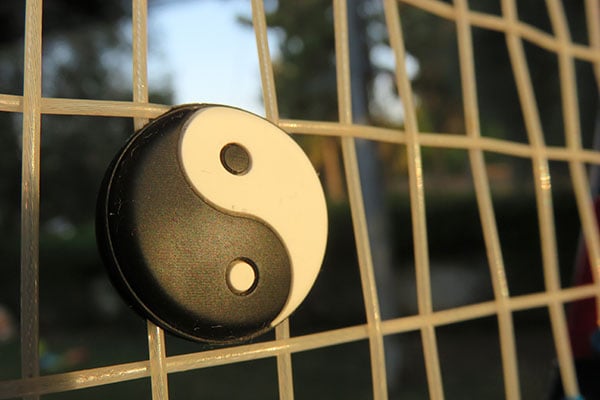
[Source: iStockPhoto, Credit: tzahiV]
Have you ever heard of chunjikiun? For many, that is an unfamiliar term, but in the practice that I teach, a path rooted in ancient Korean energy study, its cultivation is the main objective. You could think of it as a new way to understand the laws of the universe, or even as a different way to understand God.
In literal translation, the word chunjikiun mean “heaven earth energy.” You may recognize the word ki (sometimes spelled qi or chi) or kiun, meaning “energy.” The word chun means “heaven,” and the word ji means “earth.” Thus, chunjikiun is the energy that flows between heaven earth, the basic primordial energy of the universe. It is related to the concept of Tao, but it is more specifically the purest form of energy that follows through the flow of the Tao. Learning to feel and conduct this energy is the most powerful form of energetic healing possible. But how can we begin to connect to it?
Recognize Your Divine Aspect
Really, chunjikiun is always present, whether you can feel it or not. Humans, in fact, are especially well-suited to conducting the flow of chunjikiun because we are simultaneously earthly and heavenly creatures. This is reflected in our anatomy, since, unlike other animals, we have an upright stance—feet on the ground (ji) and head in the sky (chun). In other words, we have both animal and divine aspects. The divine aspect, however, can be easily forgotten as we vie for the riches, pleasures, and power of life on this earthly plane. The trick is to open oneself up to something grander than this world, a world of energy that is simultaneously empowering and deeply humbling.
Love, the Gateway to Expansion
Opening oneself to chunjikiun is a way of opening oneself to full energetic potential. The key to that expansion requires something that is both simple and elusive—learning to love fully. The kind of love that is needed, though, is not romantic love or love for our children or infatuation with an object or person. This greater kind of love, the love of chunjikiun, is an unconditional, open-hearted form of love that is also known as agape or divine love. If we can learn to love fully and openly in this way, we are well on our way to becoming a conduit of chunjikiun, both for ourselves and for others.
If you consider our energy anatomy, you will see that the nature of chunjikiun is reflected there, too, just like it is in our physical anatomy. Our heart chakra, the energy center that governs love and emotions, is situated right in the center of the energy system and serves as the gateway to development in the upper chakras, which are the ones that govern spiritual insight and awareness. Opening the heart chakra fully, then, opens all these chakras to the flow of chunjikiun.
Be Patient and Love Yourself Always
Occasionally, people open themselves very suddenly and completely to the flow of chunjikiun, but this is rarely the case. Rather, it is more often a slow process of learning to love better day by day while also opening awareness to the grander ways of the universe, beyond the pettiness and shallowness that so often comes with human existence. So, be patient with yourself, watching and challenging yourself to love others and the earth a little better each day, and seek out spiritual practices that will help you grow in this way. And, most importantly, always love yourself first and foremost, no matter how many times you fail, because that is the first and most fundamental form of love.
BONUS: Energy Sensing Exercise
A good way to begin opening up to the experience of energy is through energy sensitivity training. One of the most effective exercises available is called Jigam Energy Sensing Exercise. It is especially effective because it is easy for anyone of any age, and it allows you to let go of your thinking mind in a way that is fun and comfortable. If you have ever had the experience of dancing with abandon—maybe when you were alone listening to music or in a moment of creative inspiration on the dance floor—then you might have experienced something like this, which feels like the return to the carefree state of childhood. But, this adds the sensation of energy to the dancing, which can help you open to the greatest dance of all—the eternal rhythm and flow of chunjikiun.
If you would like to read more about chunjikiun and other energy principles and exercises, you can find them in my book, Living Tao: Timeless Principles for Everyday Enlightenment.
Previous Post

April 24, 2018
10 Simple Ways to Feel the Rhythm of the Universe
Next Post

May 15, 2018 Better Self-Parenting: How to Develop the Habit of Positive Inner Dialog
Browse Our Archives
Select a Category Uncategorized
Select a Month November 2021 October 2021 September 2021 August 2021 June 2021 May 2021 April 2021 March 2021 January 2021 December 2020 November 2020 October 2020 September 2020 August 2020 July 2020 June 2020 May 2020 April 2020 March 2020 February 2020 January 2020 December 2019 November 2019 October 2019 September 2019 August 2019 July 2019 June 2019 December 2018 November 2018 October 2018 September 2018 August 2018 July 2018 June 2018 May 2018 April 2018 March 2018 February 2018 January 2018 December 2017 November 2017 October 2017 September 2017 August 2017 July 2017 June 2017 May 2017 April 2017 March 2017 February 2017 January 2017 December 2016 November 2016 October 2016 September 2016 August 2016 July 2016 June 2016 May 2016 April 2016 March 2016
Follow Us!
TAKE THE
Religious Wisdom Quiz
What mountain did Moses receive the Ten Commandments on?
Select your answer to see how you score.
Mount Ararat Mount Zion Mount Sinai Mount Carmel
Related posts from Living Tao with Ilchi Lee
How We Improve Our Health with Sound Vibration

Overcoming Brain Blocks to Greater Abundance

“Finding True Self”: A Poem Dedicated to Your...
Sundo’s Ancient Map for Spiritual Completion
TRENDING AT PATHEOS New Visions

Did Prayer Cure His Cancer? Or Was It...
At 4 AM one morning, Joshua W. Brown’s wife awoke to a...

8 Ways a Near-Death Experience Rewires the Soul
Does Consciousness Survive Physical Death? After 50 Years of Research, Dr. Raymond...

Holy Longing: What Our Restlessness Is Telling Us
“One can find so many pains when the rain is falling.” -John...

What this is NOT about. This blog is definitely not about...

Who said the Israelites were God’s chosen? That’s right, they did. Who...

The Spirit World Is the Real World: God...
A Monk’s Wisdom on Body and Spirit I sit with Brother Martin...
view all New Visions blogs
Ad-Free & Subscriber Log-In Subscription Support
- About Us
- 2026 Calendar
- Videos
- Podcasts
- Library of World Religions
- Faith In Media Tracker
- Advertise With Us
- Write for Us
- Privacy Policy
- Terms of Service
- Do Not Sell My Data
- Contact Us
- Radiant Digital
- Manage Newsletter Subscriptions
- Unsubscribe From Notifications
- Sitemap
Copyright 2008-2026, Patheos. All rights reserved.
Subscription Support Ad-Free & Subscriber Log-In
Follow Patheos