
BuddhistCatholicContemplativeEvangelicalGeneral ChristianHinduJewishLatter-day SaintMuslimNew VisionsProgressive Christian
Beliefs
- Buddhist
- Catholic
- Contemplative
- Evangelical
- General Christian
- Hindu
- Jewish
- Latter-day Saint
- More Voices
- Muslim
- New Visions
- Pagan
- Progressive Christian
Topics
- Religion News
- Food and Religion
- Sports and Religion
- Religious Art
- Religious Music and Entertainment
- Religious Events
- History and Religion
- Style and Religion
- Politics and Religion
- Women in Religion
- Recreation Outdoors and Religion
- Business Finance and Religion
- Careers Workplace and Religion
- Education and Religion
- Family Parenting and Religion
- Health Fitness and Religion
- Home and Religion
- Relationships and Religion
- Technology and Religion
- Travel and Religion
Columnists
- Buddhist Columnists
- Business Finance and Religion Columnists
- Careers Workplace and Religion Columnists
- Catholic Columnists
- Contemplative Columnists
- Education and Religion Columnists
- Evangelists Columnists
- Family Parenting and Religion Columnists
- General Christian Columnists
- Health Fitness and Religion Columnists
- Hindu Columnists
- History and Religion Columnists
- Home and Religion Columnists
- Jewish Columnists
- More Voices Columnists
- Latter Day Columnists
- Muslim Columnists
- New Visions Columnists
- Nonreligious Columnists
- Pagan Columnists
- Politics and Religion Columnists
- Progressive Columnists
- Recreation Outdoors and Religion Columnists
- Relationships and Religion Columnists
- Religion News Columnists
- Religious Art Columnists
- Religious Events Columnists
- Religious Music and Entertainment Columnists
- Sports and Religion Columnists
- Style and Religion Columnists
- Technology and Religion Columnists
- Travel and Religion Columnists
- Women in Religion Columnists
Resource Library
- 2026 Calendar
- Library of World Religions
- The 100 Most Holy Places on Earth
- Patheos Answers
- Podcasts
- Videos
- Faith Leaders Database
- Anglican Episcopalian
- Bahai
- Baptist
- Buddhism
- Christianity
- Confucianism
- Eastern Orthodoxy
- Hinduism
- Holiness and Pentecostal
- ISKCON
- Islam
- Judaism
- Lutheran
- Methodist
- The Church of Jesus Christ of Latter-day Saints
- New Age
- Paganism
- Presbytarian and Reformed
- Protestantism
- Religion Behind the Scenes
- Roman Catholic
- Scientology
- Shia Islam
- Sikhism
- Sufism
- Sunni Islam
- Taoism
- Zen
- See all religions
Research Tools
 Ad-Free & Subscriber Log-In Subscription Support
Ad-Free & Subscriber Log-In Subscription Support
Follow Patheos 

- Trending:
- Forgiveness
- |
- Marriage
- |
- Consciousness
- |
- Death Penalty
- |
- Election
- |
- Halloween
 Living Tao with Ilchi Lee
- Home
- New Visions
- Creating a 21-Day Miracle Plan for Habit Mastery
Creating a 21-Day Miracle Plan for Habit Mastery
Last updated on: March 29, 2017 at 7:55 am by Ilchi Lee
Creating a 21-Day Miracle Plan for Habit Mastery 2017-03-29T03:00:36+00:00 Ilchi Lee
Patheos Explore the world's faith through different perspectives on religion and spirituality! Patheos has the views of the prevalent religions and spiritualities of the world.

[Credit: iStockphoto]
All of us develop bad habits of some kind or another during our lifetimes. Often, when we wish to change those habits, we find it difficult, even when the habit is something simple, like spending too much time surfing the Internet or going to bed too late. When little things like this start having negative effect on our lives, it seems like we should just be able to stop doing them by saying to ourselves, “That is not good for me. I will stop doing that.” Yet, this is not usually how it works. We might have the willpower to stop for a few days, and then we go right back to the same behavior.
So, how do we change our habits? This question is an important part of the fifth step of my Brain Education method—Brain Mastering. As I explained in my last blog, in this step practitioners work toward perfection of themselves and their lives through continuous self-examination and self-refinement. Examining and changing negative habits is a big part of that. I created something called the 21-Day Miracle to help people change habits and reach for other goals in their lives. Here’s some tips on how to use that for yourself:
Harness the Power of Neuroplasticity
One thing is certain about the brain—it has the capacity to change. This ability of the brain is what allows us to learn new things and to adapt to new situations. It also allows our brains to recover from injuries and strokes. The neurons in our brains are constantly connecting to each other to form pathways that allow us to do all the things we do with our brains, from walking across a room to solving quadratic equations.
Habits develop because the brain has formed very definite pathways related to that habitual behavior. That is great for many things in life, like remembering to brush our teeth or putting our seatbelts on. But for less desirable behaviors, it means that that behavior is hardwired into the brain. So, even if we intend to break the habit, we return to it because it is the most comfortable behavior for the brain to process.
Replace a Negative Habit with a Positive Habit
If you only take away a negative habit, you will feel a sense of deprivation when you do not return to that behavior. Negative habits, even if they are having negative effects on your life, always provide something you enjoy, so your brain will keep urging you back toward that behavior. Since the behavior is “hardwired,” it is very easy to return to it for that sense of satisfaction. Thus, you need to provide your brain with an alternate source of enjoyment, preferably something that is both enjoyable and healthy.
Commit to 21 Days
If you want to change a habit, commit to making that change for 21 days. You may, in fact, want to change that behavior forever, but “forever” is far too vague for any real commitment. Also—and more importantly—at least 21 days are required to solidify new connections in the brain and for old connections to begin to fade. In other words, at the end of 21 days, you will have made real, tangible change in your brain.
Believe in Your Brain
As I mentioned in my last post, belief in your brain is a necessity for mastership. Your brain—and your habits—can change; that’s just a fact. The only question is whether you will commit to making that change happen. If you lose faith in your brain’s ability to change because you feel a strong urge to return to a negative habit, then you will very likely return to the behavior. So, when you do feel like giving up and giving in, tell yourself, “My brain can do this.” This is a positive message that will give you courage and tenacity to keep your promise to yourself.
Also, get rid of negative self-talk, especially when your feel tempted to break your commitment . . . . or even if you do break it. Negative self-talk is a bad habit in its own right, one that undermines many dreams and contributes to low self-esteem. In fact, many bad habits, like overeating and substance abuse, are related to low self-esteem, so it only makes sense to send ourselves positive messages, if we want to change ourselves.
Give Yourself Unshakable Confidence
The beauty of a 21-day Miracle plan is that it can give you unshakable confidence in yourself. I recommend starting with one habit, but later you can add more during each 21-day interval. A 21-day plan can be used for general goal setting, too. For example, you could decide to make one step toward a certain goal every day for 21-days. Your goal might take longer to complete, but you will find you’ve established momentum in the direction of your goal. If a new you and a new life seem a long way off, just take it 21 days at a time. Eventually, you will find that your whole life has transformed for the better.
Previous Post

March 21, 2017
Five Foundations of Life Mastery
Next Post

April 5, 2017 Timeless Life Lessons We Can Learn from Nature
Browse Our Archives
Select a Category Uncategorized
Select a Month November 2021 October 2021 September 2021 August 2021 June 2021 May 2021 April 2021 March 2021 January 2021 December 2020 November 2020 October 2020 September 2020 August 2020 July 2020 June 2020 May 2020 April 2020 March 2020 February 2020 January 2020 December 2019 November 2019 October 2019 September 2019 August 2019 July 2019 June 2019 December 2018 November 2018 October 2018 September 2018 August 2018 July 2018 June 2018 May 2018 April 2018 March 2018 February 2018 January 2018 December 2017 November 2017 October 2017 September 2017 August 2017 July 2017 June 2017 May 2017 April 2017 March 2017 February 2017 January 2017 December 2016 November 2016 October 2016 September 2016 August 2016 July 2016 June 2016 May 2016 April 2016 March 2016
Follow Us!
TAKE THE
Religious Wisdom Quiz
Who suggested throwing Moses into the Nile as a baby?
Select your answer to see how you score.
Pharaoh's daughter A Hebrew midwife Pharaoh Miriam
Related posts from Living Tao with Ilchi Lee

Practicing Gratitude—And Why You Should

Healthy Sexuality and Spirituality: How These Energies Come...
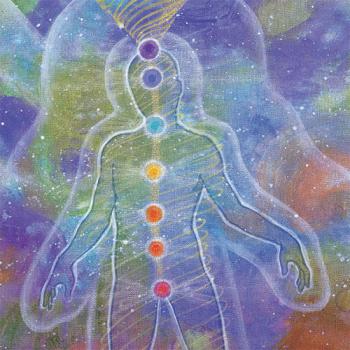
Caring for Your Chakras and What You Can...

Laying the Groundwork for Longevity
TRENDING AT PATHEOS New Visions

Did Prayer Cure His Cancer? Or Was It...
At 4 AM one morning, Joshua W. Brown’s wife awoke to a...

8 Ways a Near-Death Experience Rewires the Soul
Does Consciousness Survive Physical Death? After 50 Years of Research, Dr. Raymond...

Holy Longing: What Our Restlessness Is Telling Us
“One can find so many pains when the rain is falling.” -John...

What this is NOT about. This blog is definitely not about...

Who said the Israelites were God’s chosen? That’s right, they did. Who...

The Spirit World Is the Real World: God...
A Monk’s Wisdom on Body and Spirit I sit with Brother Martin...
view all New Visions blogs
Ad-Free & Subscriber Log-In Subscription Support
- About Us
- 2026 Calendar
- Videos
- Podcasts
- Library of World Religions
- Faith In Media Tracker
- Advertise With Us
- Write for Us
- Privacy Policy
- Terms of Service
- Do Not Sell My Data
- Contact Us
- Radiant Digital
- Manage Newsletter Subscriptions
- Unsubscribe From Notifications
- Sitemap
Copyright 2008-2026, Patheos. All rights reserved.
Subscription Support Ad-Free & Subscriber Log-In
Follow Patheos