
BuddhistCatholicContemplativeEvangelicalGeneral ChristianHinduJewishLatter-day SaintMuslimNew VisionsProgressive Christian
Beliefs
- Buddhist
- Catholic
- Contemplative
- Evangelical
- General Christian
- Hindu
- Jewish
- Latter-day Saint
- More Voices
- Muslim
- New Visions
- Pagan
- Progressive Christian
Topics
- Religion News
- Food and Religion
- Sports and Religion
- Religious Art
- Religious Music and Entertainment
- Religious Events
- History and Religion
- Style and Religion
- Politics and Religion
- Women in Religion
- Recreation Outdoors and Religion
- Business Finance and Religion
- Careers Workplace and Religion
- Education and Religion
- Family Parenting and Religion
- Health Fitness and Religion
- Home and Religion
- Relationships and Religion
- Technology and Religion
- Travel and Religion
Columnists
- Buddhist Columnists
- Business Finance and Religion Columnists
- Careers Workplace and Religion Columnists
- Catholic Columnists
- Contemplative Columnists
- Education and Religion Columnists
- Evangelists Columnists
- Family Parenting and Religion Columnists
- General Christian Columnists
- Health Fitness and Religion Columnists
- Hindu Columnists
- History and Religion Columnists
- Home and Religion Columnists
- Jewish Columnists
- More Voices Columnists
- Latter Day Columnists
- Muslim Columnists
- New Visions Columnists
- Nonreligious Columnists
- Pagan Columnists
- Politics and Religion Columnists
- Progressive Columnists
- Recreation Outdoors and Religion Columnists
- Relationships and Religion Columnists
- Religion News Columnists
- Religious Art Columnists
- Religious Events Columnists
- Religious Music and Entertainment Columnists
- Sports and Religion Columnists
- Style and Religion Columnists
- Technology and Religion Columnists
- Travel and Religion Columnists
- Women in Religion Columnists
Resource Library
- 2026 Calendar
- Library of World Religions
- The 100 Most Holy Places on Earth
- Patheos Answers
- Podcasts
- Videos
- Faith Leaders Database
- Anglican Episcopalian
- Bahai
- Baptist
- Buddhism
- Christianity
- Confucianism
- Eastern Orthodoxy
- Hinduism
- Holiness and Pentecostal
- ISKCON
- Islam
- Judaism
- Lutheran
- Methodist
- The Church of Jesus Christ of Latter-day Saints
- New Age
- Paganism
- Presbytarian and Reformed
- Protestantism
- Religion Behind the Scenes
- Roman Catholic
- Scientology
- Shia Islam
- Sikhism
- Sufism
- Sunni Islam
- Taoism
- Zen
- See all religions
Research Tools
 Ad-Free & Subscriber Log-In Subscription Support
Ad-Free & Subscriber Log-In Subscription Support
Follow Patheos 

- Trending:
- Forgiveness
- |
- Marriage
- |
- Consciousness
- |
- Death Penalty
- |
- Election
- |
- Halloween
 Living Tao with Ilchi Lee
- Home
- New Visions
- Versatilize Your Brain for Better Habits and Greater Creativity
Versatilize Your Brain for Better Habits and Greater Creativity
Last updated on: January 23, 2017 at 5:45 am by Ilchi Lee
Versatilize Your Brain for Better Habits and Greater Creativity 2017-01-23T05:45:25+00:00 Ilchi Lee
Patheos Explore the world's faith through different perspectives on religion and spirituality! Patheos has the views of the prevalent religions and spiritualities of the world.
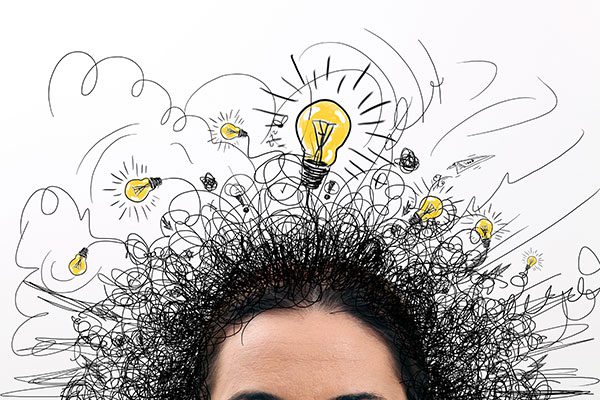
[Image Credit: iStockphoto.com]
The second step of my Brain Education (BE) method is all about flexibility. In terms of fitness, we usually think about our muscles, tendons, and joints when we think of flexibility, but there is another kind of flexibility that I believe is even more important—flexibility of the brain. The brain is a marvelous organ because, unlike other organs, it has the ability to recreate itself throughout life. This feature is called neuroplasticity, and it gives us the ability to learn new things and adapt to new situations.
Just like our bodies become less flexible if we don’t move and stretch enough, our brains can lose their flexibility, too. In fact, many people have very rigid and inflexible brains, becoming stuck in certain habitual behaviors and thought patterns. If we let that happen, our creativity and learning capacity are reduced, and our relationships become strained as we cling stubbornly to our personal preconceptions and points of view. In step 2 of Brain Education, we focus on “versatilizing” the brain so that we can always retain an open and creative brain.
Keep the Pathways Open
Neuroplasticity is essentially the brain’s ability to form new connections between brain cells, called neurons. Any time you learn or experience something new, your brain uses its neuroplasticity. You can never lose this ability entirely, but just like a muscle that is rarely used, it can lose its strength and flexibility. That’s part of the reason that people often lose the ability to learn quickly and easily as they get older; their brain has gotten out of the habit of learning new things, so learning becomes slow and tedious.
The best way to keep your brain’s neuroplasticity in top working order is to challenge your brain often. By learning and experiencing new things, your brain will have to form new connections, which exercises your brain’s neuroplasticity. For best results, choose things to learn and experience that stretch you in some way. It’s normal to want to always learn things that come easy to you and to visit places that are comfortable and familiar. But if you go outside of your comfort zone by learning something truly challenging or by going someplace completely new to you, you’ll be giving your brain a chance to form even more new connections.
Rewire for Healthier Habits
Developing a flexible brain is far more important than enhancing your ability to learn; it can also improve your life. The quality of your life is largely determined by the choices you make, so it is important to make good decisions in every moment of your life. That sounds simple enough, but it is not always so easy to do. Sometimes, even when we have experienced the negative consequences of our actions, we continue to make the same poor decisions. There are known as bad habits.
In the brain, habits develop when connections become “hardwired” into the brain. Because we have turned to the same behaviors over and over, the neural pathways are reinforced and it is very easy to choose that same behavior again, like taking a well-worn path through the woods. This brain feature plays a role in damaging addictions like smoking and overeating, but it is also a part of other subtler habits that affect the directions of our lives, like procrastination or negative thinking patterns.
Fortunately, thanks to the wonder of neuroplasticity, it is always possible to change habits, even if the related brain connections are deeply entrenched. As you advance through Brain Versatilizing, the step 2 of Brain Education, you learn to disrupt the patterns of behavior that reinforce neural connections related to negative habits. Over time, these connections will then begin to weaken as the behavior is avoided, and new healthy habits can take their place.
Unleash Your Creative Self
We humans are amazingly creative creatures, thanks to the brain, and I think it is extremely important for every person to understand that. You do not have to be a “creative type” to be creative; you are creative. If it seems like you are not exhibiting much creativity in your life and you feel like you are in a rut, it is probably because of preconceived beliefs, fears, and habits that are returning you to the same patterns in your life. In other words, your brain has lost its natural versatility.
Developing and reclaiming one’s creativity is an important part of Brain Education step 2. This is a matter of being able to shift perspectives and to be able to view a problem in new ways so that new solutions can be considered. This is important not just for creative projects but for life in general. As Einstein famously said, “We cannot solve our problems with the same thinking we used when we created them.” That statement is as true for personal problems as it is for global affairs. Through Brain Versatilizing exercises, your brain is trained to nimbly switch perspectives so that all aspects of a problem and all potential solutions may be considered.
Becoming a Brain Artist
You are a sculptor. That statement is true because of every thought you think and every moment you experience. You may not work in clay or stone, but instead you work in gray matter, through the connections between brain cells that shape the state of your brain. And in turn, this brain that you sculpt then creates the life you live, determining the quality of your relationships and the viability of your aspirations. If you want to create something different or better in your life but you are finding it difficult, it is probably because you are trying to fix something outside of yourself instead of using the full potential of the only tool you have to create the life of your dreams—your wondrous, versatile brain. In the next blog, I will share some easy-to-follow exercises from Brain Education Step 2 to help you do just that.
Next Post

January 24, 2017 Four Fun Exercises to Versatilize Your Brain
Browse Our Archives
Select a Category Uncategorized
Select a Month November 2021 October 2021 September 2021 August 2021 June 2021 May 2021 April 2021 March 2021 January 2021 December 2020 November 2020 October 2020 September 2020 August 2020 July 2020 June 2020 May 2020 April 2020 March 2020 February 2020 January 2020 December 2019 November 2019 October 2019 September 2019 August 2019 July 2019 June 2019 December 2018 November 2018 October 2018 September 2018 August 2018 July 2018 June 2018 May 2018 April 2018 March 2018 February 2018 January 2018 December 2017 November 2017 October 2017 September 2017 August 2017 July 2017 June 2017 May 2017 April 2017 March 2017 February 2017 January 2017 December 2016 November 2016 October 2016 September 2016 August 2016 July 2016 June 2016 May 2016 April 2016 March 2016
Follow Us!
TAKE THE
Religious Wisdom Quiz
Who preached the first Christian sermon on Pentecost in Acts?
Select your answer to see how you score.
Philip Paul Peter James
Related posts from Living Tao with Ilchi Lee

10 Reasons to Be Grateful Right Now

The Pineal Gland, Seat of Spiritual Connection
How to Use Your Senses to Awaken Your...
Exercise Is Important for Physical AND Spiritual Health
TRENDING AT PATHEOS New Visions

Did Prayer Cure His Cancer? Or Was It...
At 4 AM one morning, Joshua W. Brown’s wife awoke to a...

8 Ways a Near-Death Experience Rewires the Soul
Does Consciousness Survive Physical Death? After 50 Years of Research, Dr. Raymond...

Holy Longing: What Our Restlessness Is Telling Us
“One can find so many pains when the rain is falling.” -John...

What this is NOT about. This blog is definitely not about...

Who said the Israelites were God’s chosen? That’s right, they did. Who...

The Spirit World Is the Real World: God...
A Monk’s Wisdom on Body and Spirit I sit with Brother Martin...
view all New Visions blogs
Ad-Free & Subscriber Log-In Subscription Support
- About Us
- 2026 Calendar
- Videos
- Podcasts
- Library of World Religions
- Faith In Media Tracker
- Advertise With Us
- Write for Us
- Privacy Policy
- Terms of Service
- Do Not Sell My Data
- Contact Us
- Radiant Digital
- Manage Newsletter Subscriptions
- Unsubscribe From Notifications
- Sitemap
Copyright 2008-2026, Patheos. All rights reserved.
Subscription Support Ad-Free & Subscriber Log-In
Follow Patheos