
BuddhistCatholicContemplativeEvangelicalGeneral ChristianHinduJewishLatter-day SaintMuslimNew VisionsProgressive Christian
Beliefs
- Buddhist
- Catholic
- Contemplative
- Evangelical
- General Christian
- Hindu
- Jewish
- Latter-day Saint
- More Voices
- Muslim
- New Visions
- Pagan
- Progressive Christian
Topics
- Religion News
- Food and Religion
- Sports and Religion
- Religious Art
- Religious Music and Entertainment
- Religious Events
- History and Religion
- Style and Religion
- Politics and Religion
- Women in Religion
- Recreation Outdoors and Religion
- Business Finance and Religion
- Careers Workplace and Religion
- Education and Religion
- Family Parenting and Religion
- Health Fitness and Religion
- Home and Religion
- Relationships and Religion
- Technology and Religion
- Travel and Religion
Columnists
- Buddhist Columnists
- Business Finance and Religion Columnists
- Careers Workplace and Religion Columnists
- Catholic Columnists
- Contemplative Columnists
- Education and Religion Columnists
- Evangelists Columnists
- Family Parenting and Religion Columnists
- General Christian Columnists
- Health Fitness and Religion Columnists
- Hindu Columnists
- History and Religion Columnists
- Home and Religion Columnists
- Jewish Columnists
- More Voices Columnists
- Latter Day Columnists
- Muslim Columnists
- New Visions Columnists
- Nonreligious Columnists
- Pagan Columnists
- Politics and Religion Columnists
- Progressive Columnists
- Recreation Outdoors and Religion Columnists
- Relationships and Religion Columnists
- Religion News Columnists
- Religious Art Columnists
- Religious Events Columnists
- Religious Music and Entertainment Columnists
- Sports and Religion Columnists
- Style and Religion Columnists
- Technology and Religion Columnists
- Travel and Religion Columnists
- Women in Religion Columnists
Resource Library
- 2026 Calendar
- Library of World Religions
- The 100 Most Holy Places on Earth
- Patheos Answers
- Podcasts
- Videos
- Faith Leaders Database
- Anglican Episcopalian
- Bahai
- Baptist
- Buddhism
- Christianity
- Confucianism
- Eastern Orthodoxy
- Hinduism
- Holiness and Pentecostal
- ISKCON
- Islam
- Judaism
- Lutheran
- Methodist
- The Church of Jesus Christ of Latter-day Saints
- New Age
- Paganism
- Presbytarian and Reformed
- Protestantism
- Religion Behind the Scenes
- Roman Catholic
- Scientology
- Shia Islam
- Sikhism
- Sufism
- Sunni Islam
- Taoism
- Zen
- See all religions
Research Tools
 Ad-Free & Subscriber Log-In Subscription Support
Ad-Free & Subscriber Log-In Subscription Support
Follow Patheos 

- Trending:
- Forgiveness
- |
- Marriage
- |
- Consciousness
- |
- Death Penalty
- |
- Election
- |
- Halloween
 Home Waters
- Home
- Latter-day Saint
- Chile Journal #5: The Hope of Nature
Chile Journal #5: The Hope of Nature
Last updated on: January 23, 2014 at 10:52 am by georgehandley
Chile Journal #5: The Hope of Nature 2014-01-23T10:52:41-07:00 georgehandley
Patheos Explore the world's faith through different perspectives on religion and spirituality! Patheos has the views of the prevalent religions and spiritualities of the world.
 Pablo Neruda once said that if you didn’t know southern Chile and the Chilean forest, you didn’t know this planet. He wasn’t the first great poet to be guilty of bioregional chauvinism, of that kind of local pride that tends toward exaggeration and overstatement. But then again, having been here a few times and explored the area, I am not about to tell you he is wrong. As I have written before, I believe every place, just like every person, deserves a lover given to rapturous praise.
The novel I am writing about a Chilean woman who is raised in the U.S. but who returns to Chile as an adult to find the story of her father who disappeared during the Pinochet dictatorship is not about the environment per se. But she is a painter and has recently been hired by a botanist who lives in Utah Valley to paint a book of wild flowers of the Wasatch Front. He teaches her to begin to develop an ecological sensibility that she did not previously have, and after a long search in Chile for her father’s story (with results that will remain a secret until the book is finished!), she has the good fortune to spend a few days exploring the marvelous landscape of three generations of her father’s family. It is in this context that she finds some needed healing from the sorrows of her family past.
That’s enough about the novel. What you really want to know (and see) is what this area of Chile offers (trust me, you want to see it). I only have the chance to offer a brief overview in three parts: the coastal area, the temperate rain forest, and volcanoes.
First the coast: this photo was taken from the location where Pablo Neruda first saw the ocean.
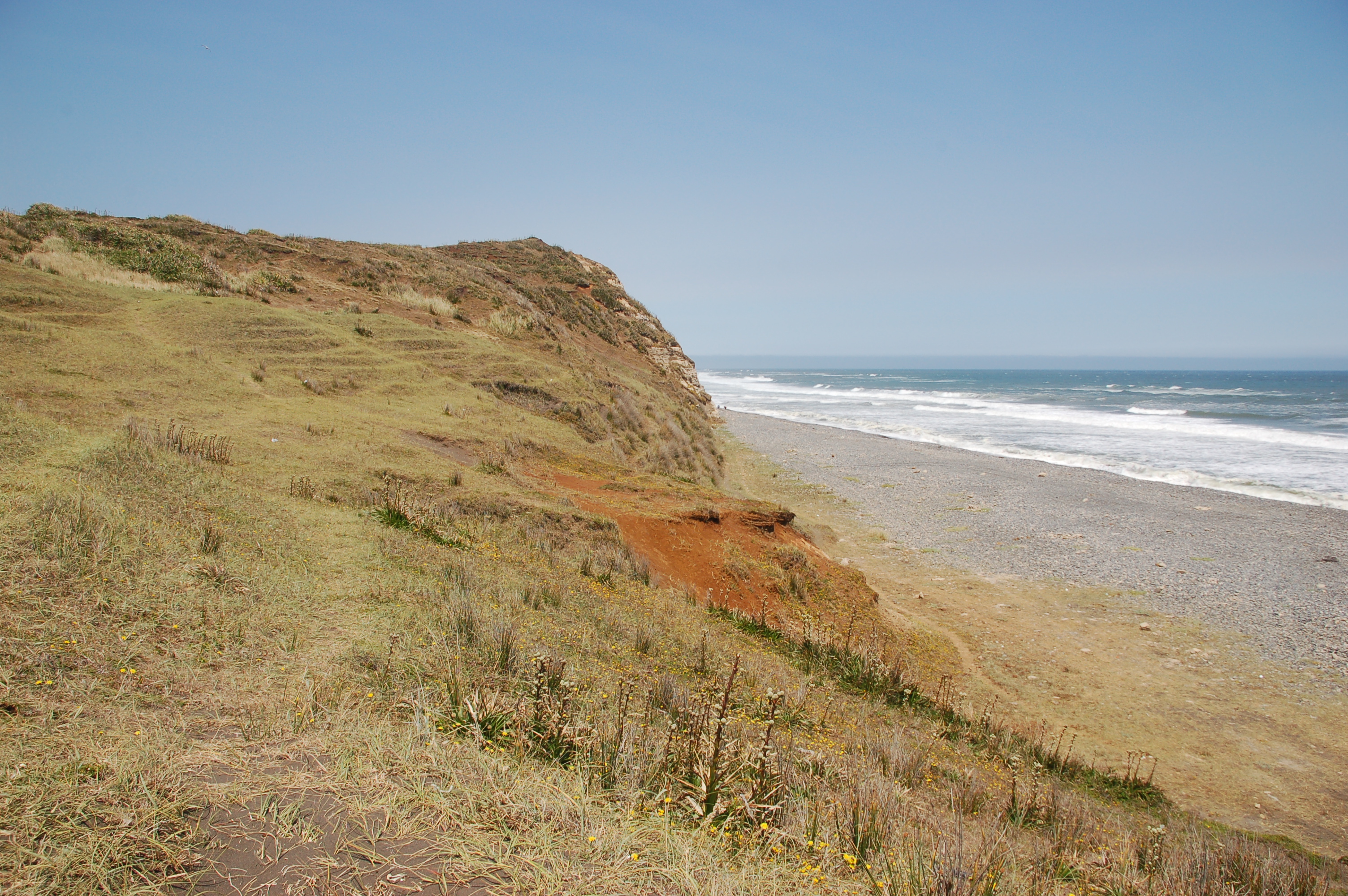
The Pacific Ocean at Boca Budi, near Puerto Saavedra.
Big deal, right? Well, considering that he felt that this was the moment that gave birth to his poetry and considering that he is one of the literary giants of the twentieth century, it is worth commemorating. More interesting than when he first felt the poetic impulse is why. He describes it as the most solitary place in the world. This is an area of a particularly violent and unsettled coast. The waves beat upon the beach irregularly, breaking farther out and then closer in again and often the water pulls with such force back into the ocean, it causes incoming waves to surge directly upwards as two unyielding currents collide. This is also the place where, following the world’s strongest earthquake in history, suffered a massive tsunami, leaving the nearby down of Puerto Saavedra completely buried and destroyed. So the place is haunting. And as you can see from this photograph, just a short distance from the ocean is a slightly salinated lake, Lago Budi, that reaches toward the ocean.

Lago Budi, next to the coast
Once a year, the sand is dug out and an outlet into the ocean is created to help drain the lake. Before the earthquake this happened naturally. This terrain is home to the Mapuche Indians, a people of tremendous pride and a history of heroic resistance to colonization, having defeated the Spanish colonizers and successfully holding white settlement at bay in the area until the 1880s. Neruda felt the heartbeat of the planet here as well as a key to the mystery of his nation’s history and its hidden traces of buried lives.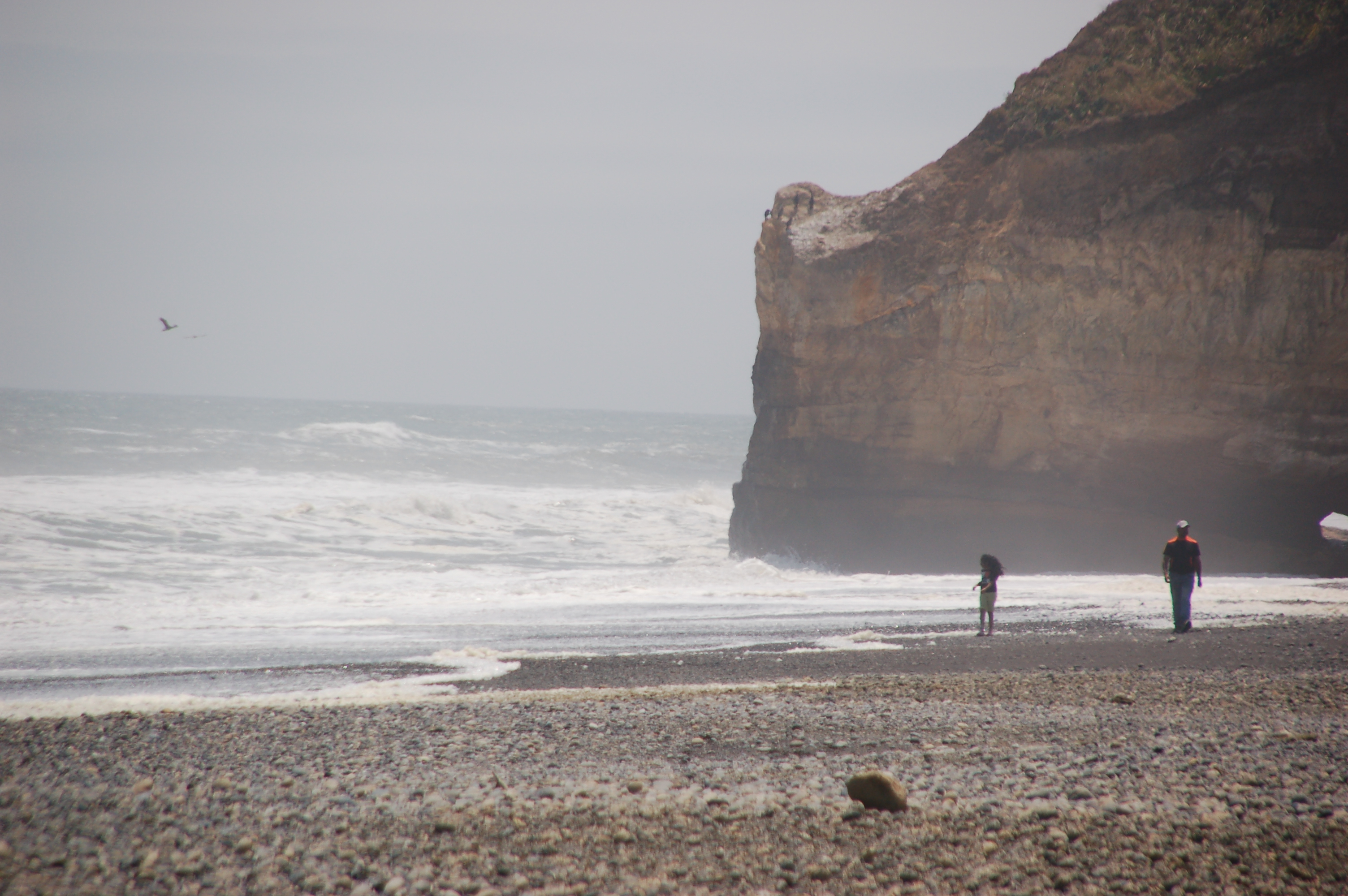
Second, the forest. This is an unusual forest, since it is temperate but also qualifies as a rain forest.
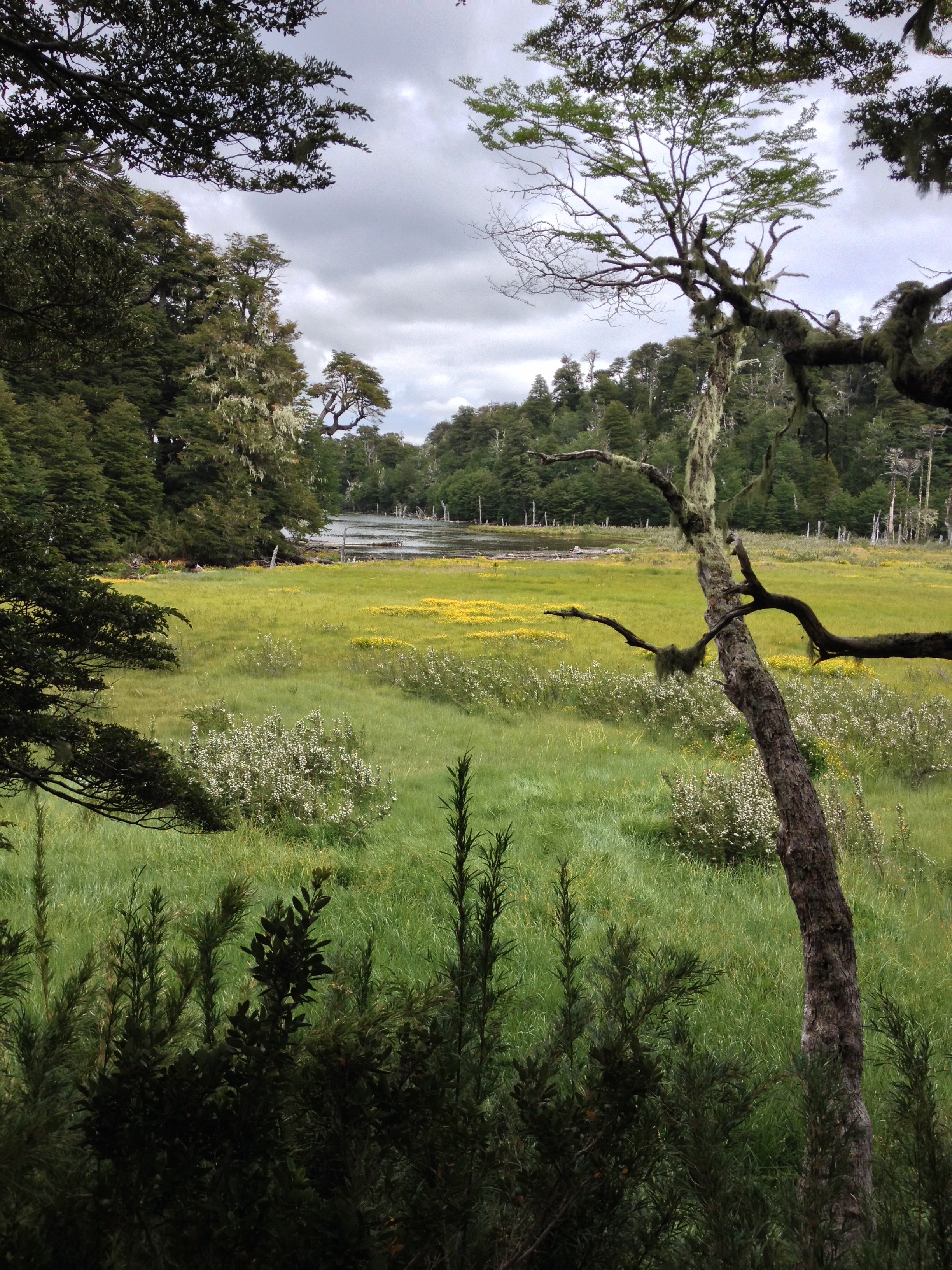
A laguna at the entrance to Parque Conguillio.
Few places in the world share such characteristics, but the northwest of the US and the neighboring coastal region of Canada share climatic similarities. Tragically, much of this forest has been destroyed and many areas remain endangered. Southern Chile is home to many important hard woods, enormous trees that reach to the skies, the most notable here are the Coigue and the Pehuen, the latter also known as the Monkey Puzzle tree, an ornamental tree often found in Europe, seen here.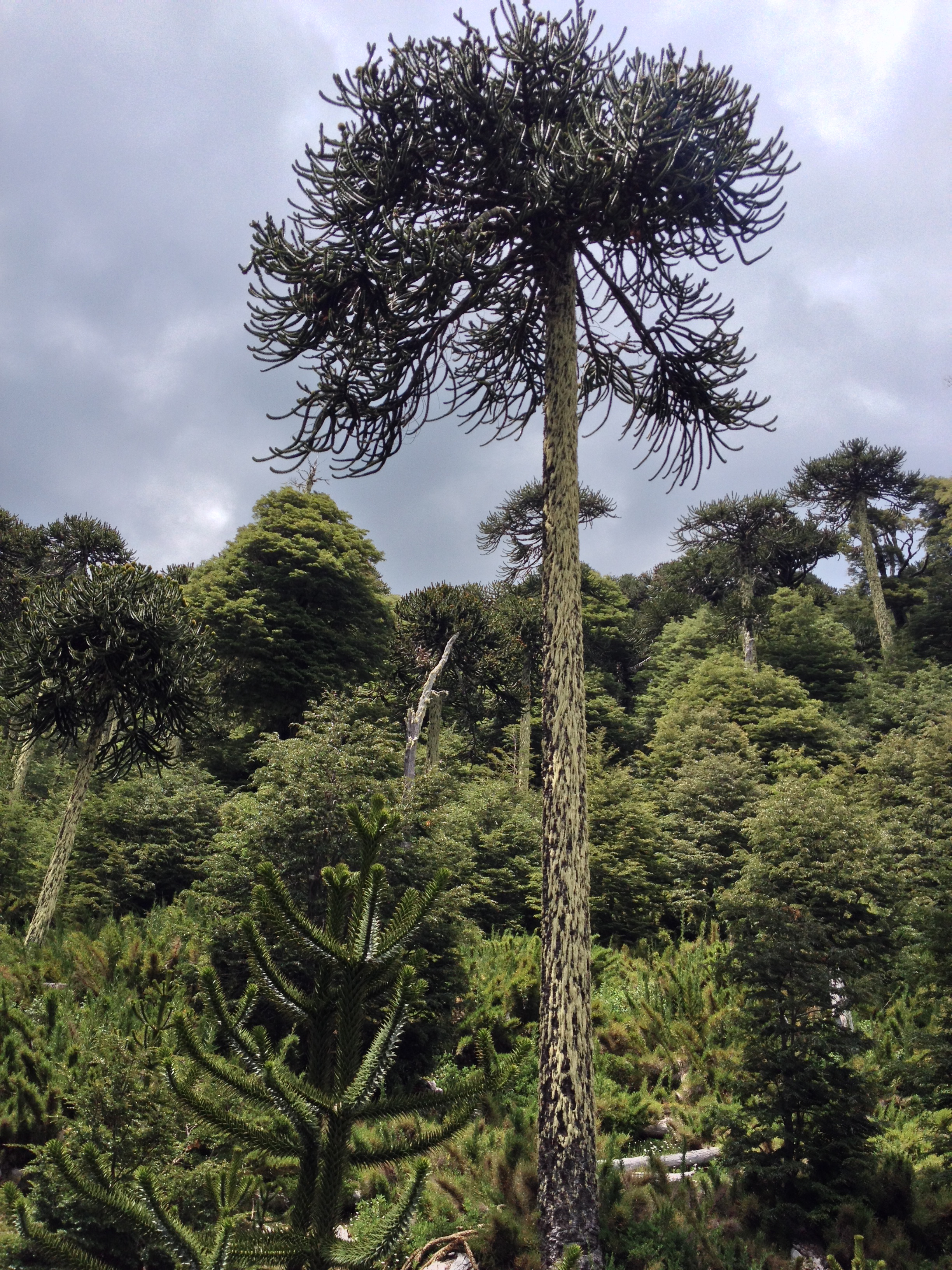 Moss grows thick in this forest, mushrooms drop from tree tops where they grow in the wet rain, wildflowers grow in the stream beds, and birds sing a variety of songs I have never heard elsewhere. I wish I were more of an ornithologist to identify them. This is really fantastic forest cover, as you can see, and one feels overwhelmed by the height and density of the royal trees that abound here.
 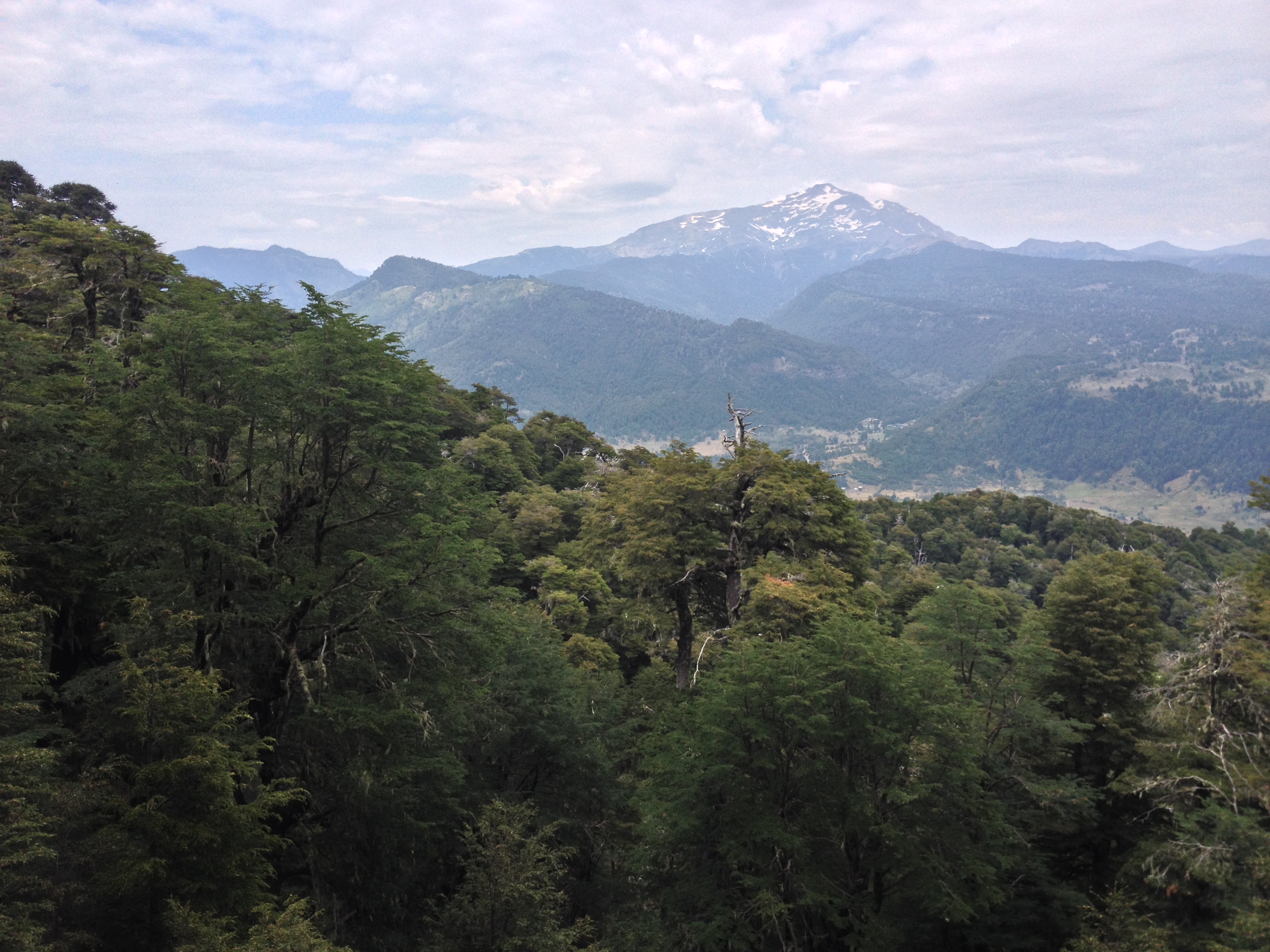 I was here after a prolonged dry period, so things were not as wet as they usually are, but the moss remained clinging to the trees everywhere.
Finally, the volcanoes. Years ago I had the privilege to hike to the top of Villarrica Volcano not far from where I am now. At the time, it was spring and there was still a considerable amount of snow on the cone of the volcano, requiring crampons and ice axes. Standing next to the opening of a volcano and witnessing its belches of sulphuric smoke and occasional flashes of hot lava teaches you the force of the earth like nothing else. It is terrifyingly beautiful. 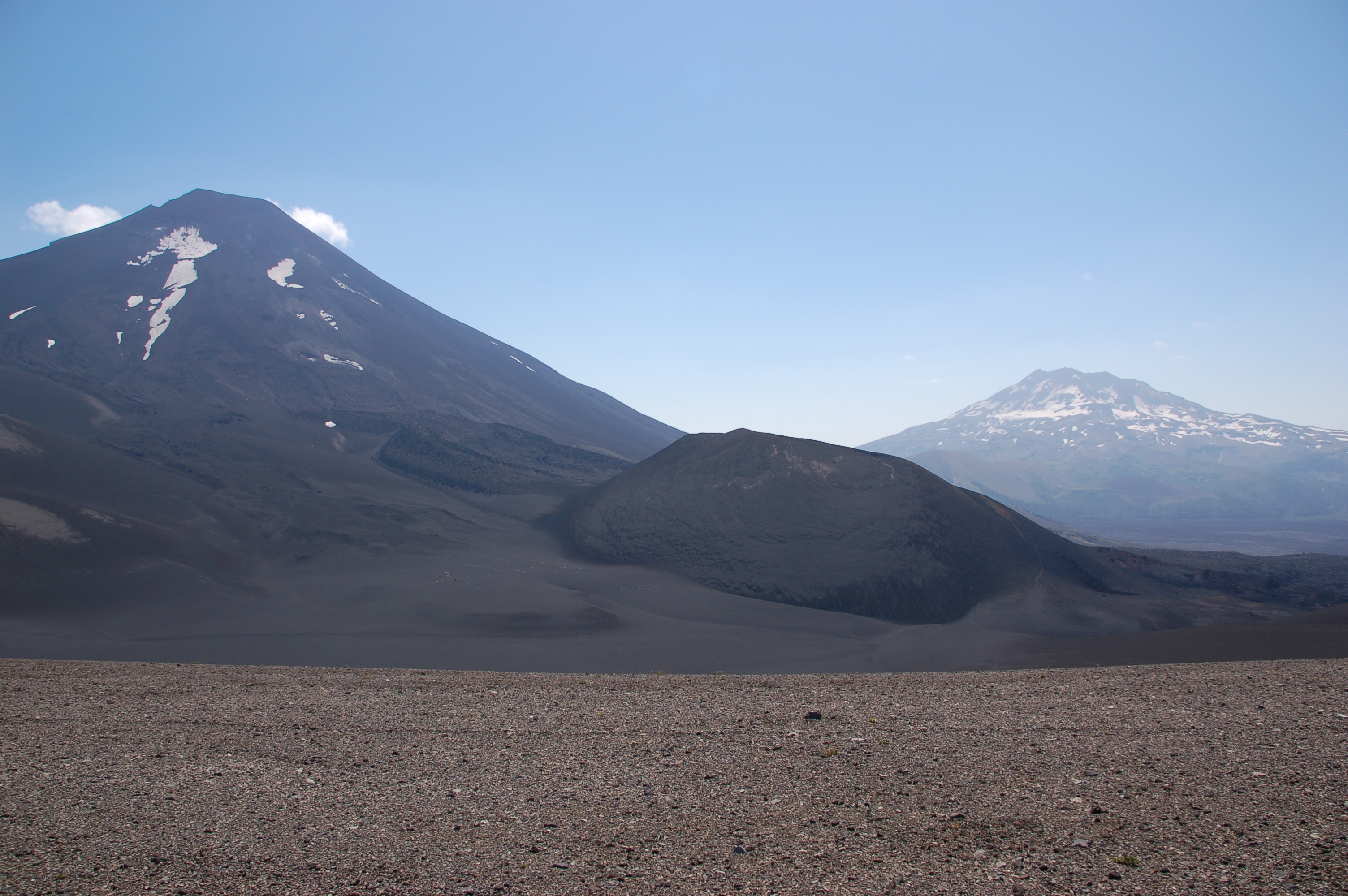 This time, I was able to drive to the base of the Lonquimay Volcano, which is mostly dry now, but also surrounded by a massive spread of ash in every direction. The hike to this crater was not far as the crow flies, but it was slow going because of how soft and slick the ashy ground was to walk through, like walking through very deep and very fine sand. It wasn’t fun climbing in that stuff. But this crater erupted just 26 years ago and covered the area in new ash.
 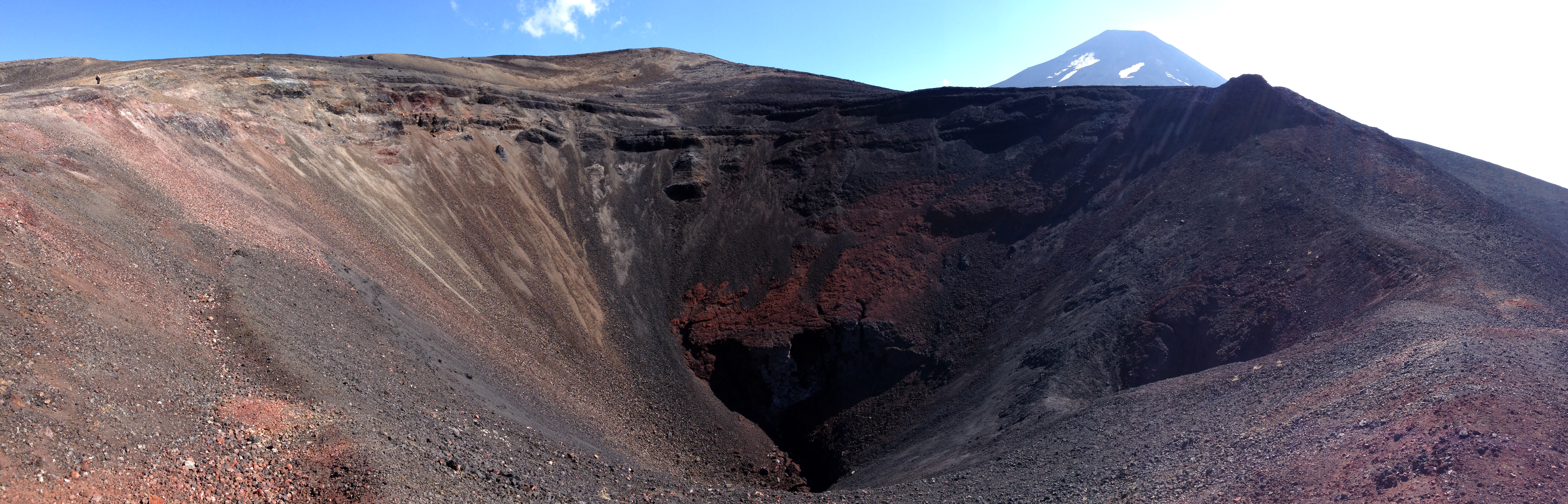 And from this spot you can see for other volcanoes, all active. One of the thing that impresses you is the way the grays and browns of the ash and lava rock contrast the intense green of the forest, as you can see here at the base of Volcano Llaima where the river of lava stopped.
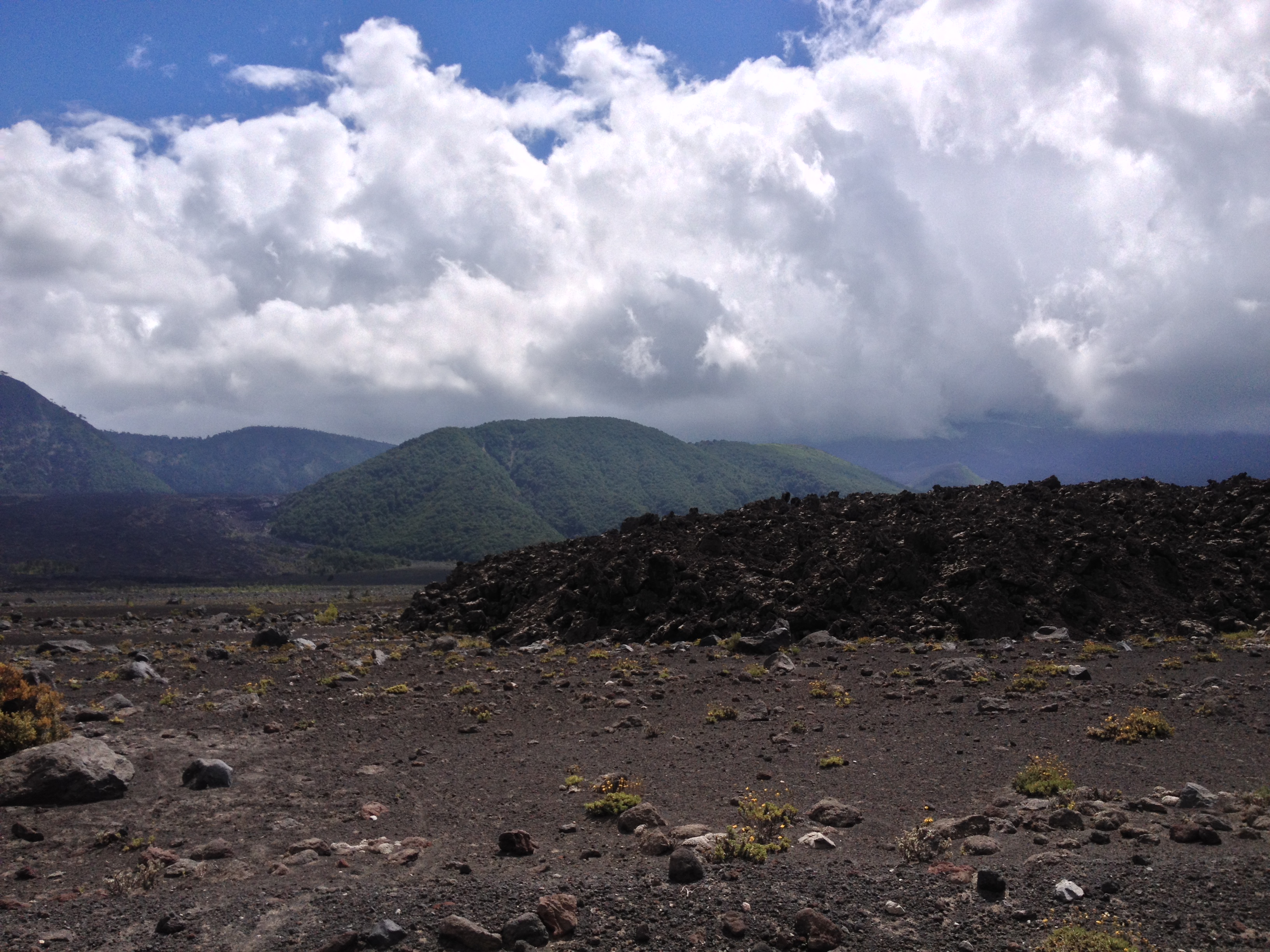 The interdependent interactions between earthquakes, volcanic eruptions, and tsunamis is fascinating, making for a sense here of a perpetually imminent threat of violent and sudden change. In 2010, Chile saw another massive earthquake a few hours to the north of here. But it also makes for a stunningly beautiful landscape of contrasts of colors and strange and exotic forms.
So, I suppose it is true that you would know more about the planet if you knew southern Chile. I thought I would share. It only seemed to make sense that I should set at least part of my novel in this incredible place, but the rest of the novel takes place in that other indispensable part of the planet (objectively speaking, of course!): the Wasatch Front. Both places are endangered, threatened by global processes such as climate change and by thoughtless and indifferent local human activity, but they both still have beauty that needs and deserves preservation before it is too late.
Previous Post

January 20, 2014
Chile Journal #4: What Courage Looks Like
Next Post
February 2, 2014 Mormons and Public Transportation
Browse Our Archives
Select a Category Uncategorized
Select a Month May 2016 March 2016 February 2016 December 2015 November 2015 October 2015 August 2015 July 2015 June 2015 March 2015 January 2015 December 2014 November 2014 October 2014 September 2014 August 2014 July 2014 June 2014 May 2014 April 2014 March 2014 February 2014 January 2014 December 2013 November 2013 October 2013 September 2013 August 2013 July 2013 June 2013 May 2013 April 2013 March 2013 February 2013 January 2013 December 2012 November 2012 October 2012 September 2012 August 2012 July 2012 June 2012 May 2012 April 2012 March 2012
Follow Us!
TAKE THE
Religious Wisdom Quiz
I made the people take an oath not to intermarry with foreigners, and I pulled out the hair of those who disobeyed. Who am I?
Select your answer to see how you score.
Ezra Joshua Moses Nehemiah
Related posts from Home Waters


Literature and the Art of Friendship


TRENDING AT PATHEOS Latter-day Saint

Did Prayer Cure His Cancer? Or Was It...
At 4 AM one morning, Joshua W. Brown’s wife awoke to a...

8 Ways a Near-Death Experience Rewires the Soul
Does Consciousness Survive Physical Death? After 50 Years of Research, Dr. Raymond...

Holy Longing: What Our Restlessness Is Telling Us
“One can find so many pains when the rain is falling.” -John...

What this is NOT about. This blog is definitely not about...

Who said the Israelites were God’s chosen? That’s right, they did. Who...

The Spirit World Is the Real World: God...
A Monk’s Wisdom on Body and Spirit I sit with Brother Martin...
view all Latter-day Saint blogs
Ad-Free & Subscriber Log-In Subscription Support
- About Us
- 2026 Calendar
- Videos
- Podcasts
- Library of World Religions
- Faith In Media Tracker
- Advertise With Us
- Write for Us
- Privacy Policy
- Terms of Service
- Do Not Sell My Data
- Contact Us
- Radiant Digital
- Manage Newsletter Subscriptions
- Unsubscribe From Notifications
- Sitemap
Copyright 2008-2026, Patheos. All rights reserved.
Subscription Support Ad-Free & Subscriber Log-In
Follow Patheos