
BuddhistCatholicContemplativeEvangelicalGeneral ChristianHinduJewishLatter-day SaintMuslimNew VisionsProgressive Christian
Beliefs
- Buddhist
- Catholic
- Contemplative
- Evangelical
- General Christian
- Hindu
- Jewish
- Latter-day Saint
- More Voices
- Muslim
- New Visions
- Pagan
- Progressive Christian
Topics
- Religion News
- Food and Religion
- Sports and Religion
- Religious Art
- Religious Music and Entertainment
- Religious Events
- History and Religion
- Style and Religion
- Politics and Religion
- Women in Religion
- Recreation Outdoors and Religion
- Business Finance and Religion
- Careers Workplace and Religion
- Education and Religion
- Family Parenting and Religion
- Health Fitness and Religion
- Home and Religion
- Relationships and Religion
- Technology and Religion
- Travel and Religion
Columnists
- Buddhist Columnists
- Business Finance and Religion Columnists
- Careers Workplace and Religion Columnists
- Catholic Columnists
- Contemplative Columnists
- Education and Religion Columnists
- Evangelists Columnists
- Family Parenting and Religion Columnists
- General Christian Columnists
- Health Fitness and Religion Columnists
- Hindu Columnists
- History and Religion Columnists
- Home and Religion Columnists
- Jewish Columnists
- More Voices Columnists
- Latter Day Columnists
- Muslim Columnists
- New Visions Columnists
- Nonreligious Columnists
- Pagan Columnists
- Politics and Religion Columnists
- Progressive Columnists
- Recreation Outdoors and Religion Columnists
- Relationships and Religion Columnists
- Religion News Columnists
- Religious Art Columnists
- Religious Events Columnists
- Religious Music and Entertainment Columnists
- Sports and Religion Columnists
- Style and Religion Columnists
- Technology and Religion Columnists
- Travel and Religion Columnists
- Women in Religion Columnists
Resource Library
- 2026 Calendar
- Library of World Religions
- The 100 Most Holy Places on Earth
- Patheos Answers
- Podcasts
- Videos
- Faith Leaders Database
- Anglican Episcopalian
- Bahai
- Baptist
- Buddhism
- Christianity
- Confucianism
- Eastern Orthodoxy
- Hinduism
- Holiness and Pentecostal
- ISKCON
- Islam
- Judaism
- Lutheran
- Methodist
- The Church of Jesus Christ of Latter-day Saints
- New Age
- Paganism
- Presbytarian and Reformed
- Protestantism
- Religion Behind the Scenes
- Roman Catholic
- Scientology
- Shia Islam
- Sikhism
- Sufism
- Sunni Islam
- Taoism
- Zen
- See all religions
Research Tools
 Ad-Free & Subscriber Log-In Subscription Support
Ad-Free & Subscriber Log-In Subscription Support
Follow Patheos 

- Trending:
- Forgiveness
- |
- Marriage
- |
- Consciousness
- |
- Death Penalty
- |
- Election
- |
- Halloween
 Home Waters
- Home
- Latter-day Saint
- Great Lovers… of Places
Great Lovers… of Places
Last updated on: July 7, 2013 at 8:51 pm by georgehandley
Great Lovers… of Places 2013-07-07T20:51:48-06:00 georgehandley
Patheos Explore the world's faith through different perspectives on religion and spirituality! Patheos has the views of the prevalent religions and spiritualities of the world.
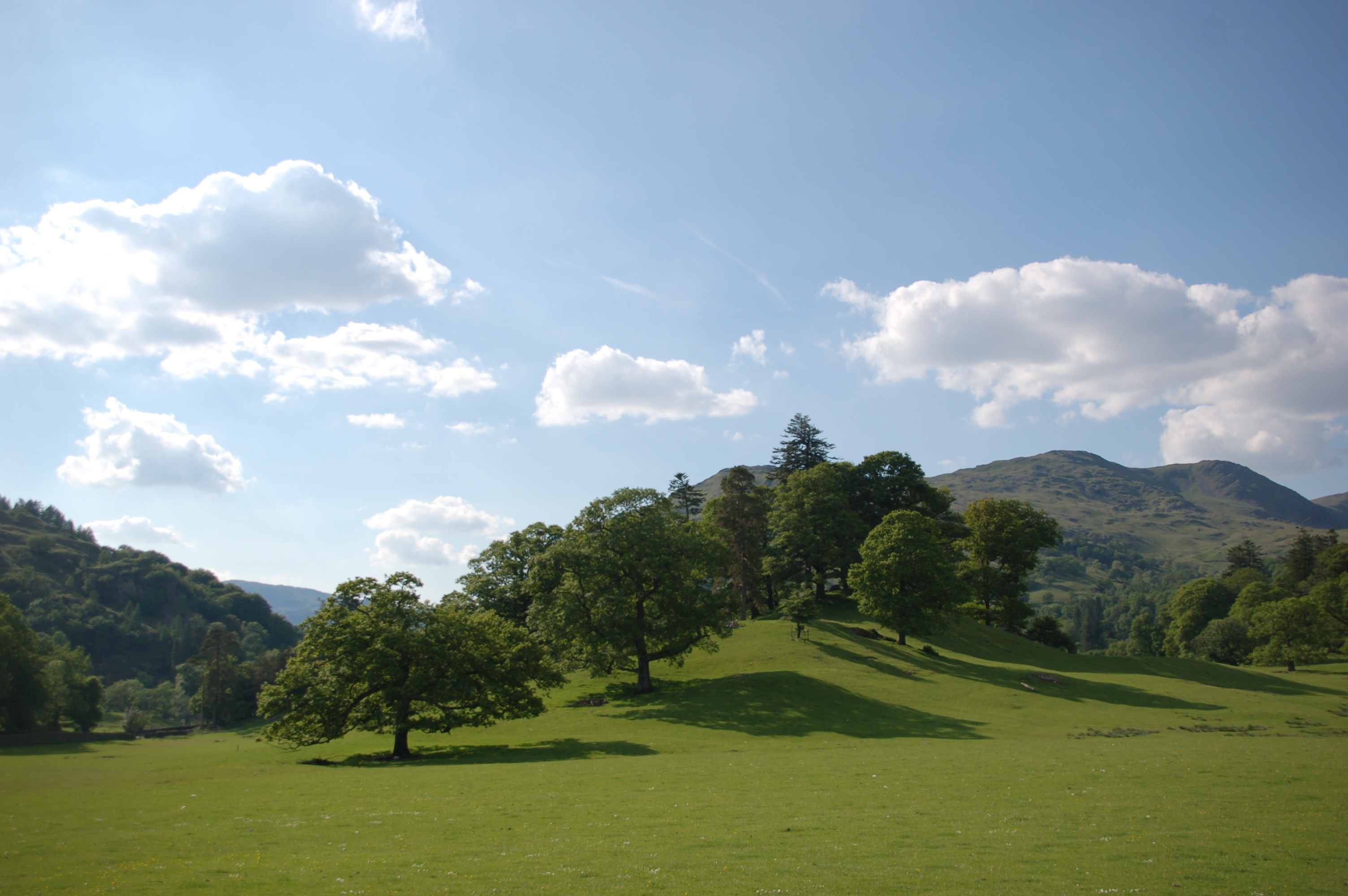
Near Rydal Mount in the Lake District
William Wordsworth wrote an important book that during his life time vied for the most popular work he ever published. Nowadays it is much less well known. It is called Guide to the Lakes, published first in 1810 and then later expanded in 1835, and in it he provides an elaborate description of the now famous Lake District in England so as to lead his reader into what he hoped would be proper aesthetic appreciation of the area’s qualities. More importantly, he hoped it might be preserved, maybe even as national property, a radical conception that influenced the creation of our own national parks in America and that would not become a political reality in his own country until more than a century later.
I have traveled to the Lake District only twice, so I am no expert on the area, but my experience has been sufficient to understand why its beauty inspired such marvelous poetry, artistry, and devotion from one man. But I have traveled enough in the world to understand that there are a great many places in the world of staggering beauty. Moreover, most places when looked at with the eyes of love, especially with the kind of driving passion of a Wordsworth, a Monet, a Pissarro, or a Derek Walcott, can be transformed into a place of exceptional and an indispensable beauty. There are a great many places in the world that we revere precisely because someone revered them first, someone like John Constable who loved the Stour River Valley in England with such passion that he was willing to risk rejection by the critics of his day because he chose to paint the ordinary scenes of his home rather than the more heroic and fantastical landscapes of mythology and history. Or someone like Wallace Stegner who brought much needed attention to the aesthetic qualities of the less iconic but nevertheless important beauties of the American West. What becomes obvious at closer inspection is that, although undeniably beautiful, these are places that are not so exceptionally beautiful that one could not find adequate or superior substitutes elsewhere. Walden Pond comes to mind.
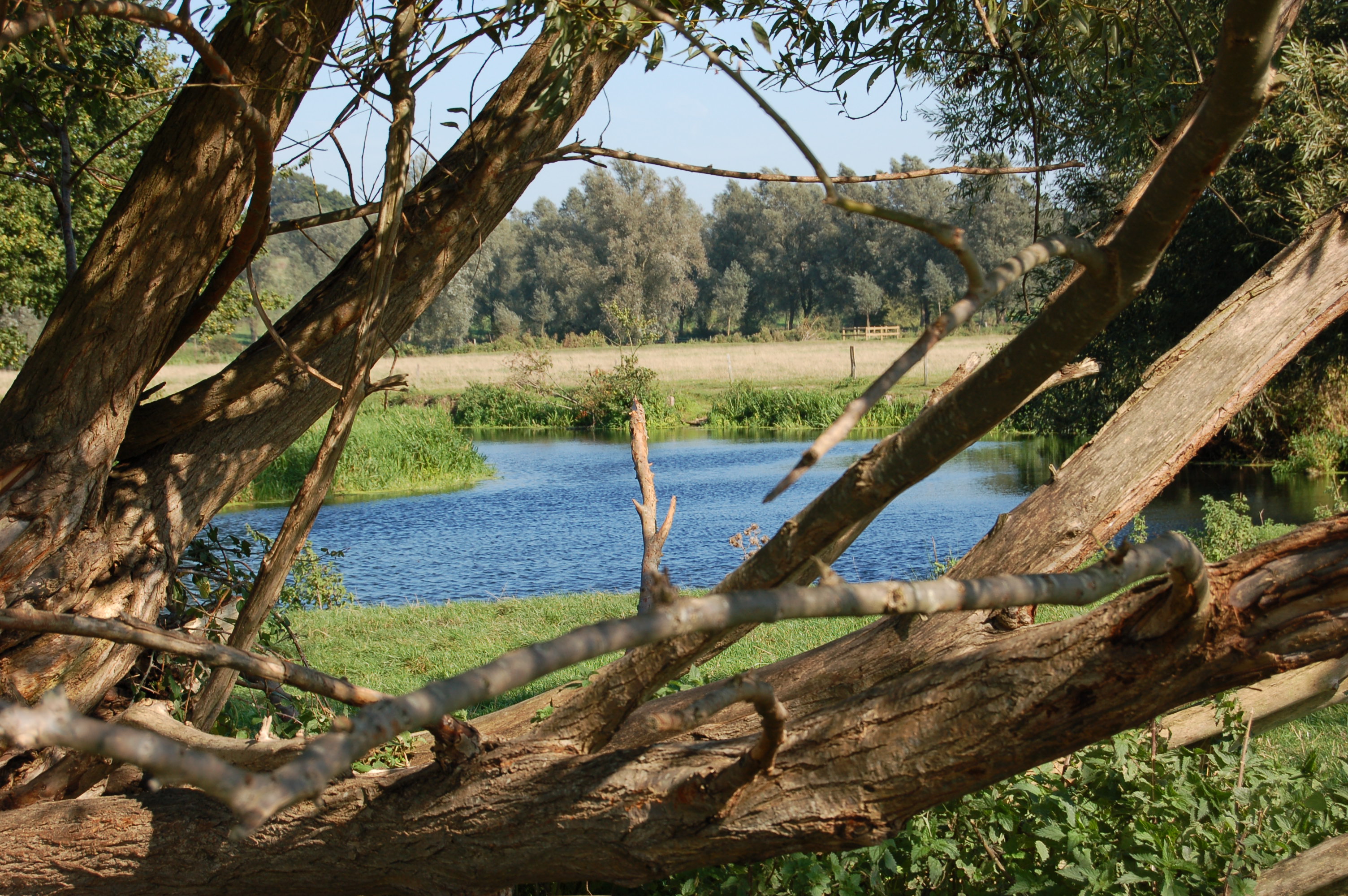
Stour River, near the home of John Constable
Places are like human faces, maybe even especially children’s faces. Look long enough and with enough devotion and they all become beautiful, exceptionally so because, like the great English poet John Clare declared of his own beloved country heath, “every trifle makes it dear.” Of course, then we run the risk of failing to see beauty elsewhere, or wanting always to prove that our love triumphs over all others, such as when Wordsworth’s uxorious devotion to his home led him to foolishly declare his lakes and his mountains superior to Scotland’s. I myself am sometimes guilty of declaring Utah Valley mountains more beautiful than Salt Lake’s, but that’s really just an argument against my northern neighbors for their aesthetic and sometimes cultural chauvinism.

Mount Timpanogos, near my home
What I really want to say is that places deserve lovers, most especially lovers who have the discipline, the drive, the skills, and the will to stick around long enough so that their songs of praise for their homes might be passed on to future generations and convince enough people to stay put and work to keep that place beautiful for future generations. I know tourism is rife with problems. I can’t answer exhaustively the question of how to love beauty sustainably, but we could start maybe by encouraging people to make visits to a place a little longer than a few hours. Can we invite people to see places on the power of their own legs and arms whenever possible and not always and only by mechanized transportation or recreation? Can we suggest that you learn to love home first, just a little bit, before flinging yourself across the world? Just a few thoughts. If we had a deeper culture of appreciation for home, right where we are, when we are there, maybe wanderlust would not be so intense. And maybe then we could build a culture, as Stegner once asked, worthy of our landscapes. I would rather deal with the problem of Wordsworthian chauvinism (i.e., my lakes are the best!!) than too many people seeing every place as equally indistinct and nondescript to their shallow eyes, to their wasted skills of language, unused gifts of visual representation, and flat and unresponsive senses of smell, taste, and hearing.
It isn’t hard to see that the Lake District is beautiful, but I doubt this is because it meets some universally accepted standards of beauty. It is because someone loved it enough to devote their greatest gifts of expression on its behalf. And we were ultimately convinced by the power of his words. So while I recommend a trip to the Lake District, I think a more fulfilling and meaningful trip would be out your back yard and into the world around you—be it a city skyline or a mountainside. Bring a pencil and paper. Open your eyes and ears. See what fortune has given you.
Previous Post

June 30, 2013
Gardens and the Art of Self-Reflection
Next Post
July 28, 2013 Why I Am A Christian
Browse Our Archives
Select a Category Uncategorized
Select a Month May 2016 March 2016 February 2016 December 2015 November 2015 October 2015 August 2015 July 2015 June 2015 March 2015 January 2015 December 2014 November 2014 October 2014 September 2014 August 2014 July 2014 June 2014 May 2014 April 2014 March 2014 February 2014 January 2014 December 2013 November 2013 October 2013 September 2013 August 2013 July 2013 June 2013 May 2013 April 2013 March 2013 February 2013 January 2013 December 2012 November 2012 October 2012 September 2012 August 2012 July 2012 June 2012 May 2012 April 2012 March 2012
Follow Us!
TAKE THE
Religious Wisdom Quiz
How many psalms are attributed to Moses?
Select your answer to see how you score.
Ten Five One Three
Related posts from Home Waters


Literature and the Art of Friendship


TRENDING AT PATHEOS Latter-day Saint

Did Prayer Cure His Cancer? Or Was It...
At 4 AM one morning, Joshua W. Brown’s wife awoke to a...

8 Ways a Near-Death Experience Rewires the Soul
Does Consciousness Survive Physical Death? After 50 Years of Research, Dr. Raymond...

Holy Longing: What Our Restlessness Is Telling Us
“One can find so many pains when the rain is falling.” -John...

What this is NOT about. This blog is definitely not about...

Who said the Israelites were God’s chosen? That’s right, they did. Who...

The Spirit World Is the Real World: God...
A Monk’s Wisdom on Body and Spirit I sit with Brother Martin...
view all Latter-day Saint blogs
Ad-Free & Subscriber Log-In Subscription Support
- About Us
- 2026 Calendar
- Videos
- Podcasts
- Library of World Religions
- Faith In Media Tracker
- Advertise With Us
- Write for Us
- Privacy Policy
- Terms of Service
- Do Not Sell My Data
- Contact Us
- Radiant Digital
- Manage Newsletter Subscriptions
- Unsubscribe From Notifications
- Sitemap
Copyright 2008-2026, Patheos. All rights reserved.
Subscription Support Ad-Free & Subscriber Log-In
Follow Patheos