
BuddhistCatholicContemplativeEvangelicalGeneral ChristianHinduJewishLatter-day SaintMuslimNew VisionsProgressive Christian
Beliefs
- Buddhist
- Catholic
- Contemplative
- Evangelical
- General Christian
- Hindu
- Jewish
- Latter-day Saint
- More Voices
- Muslim
- New Visions
- Pagan
- Progressive Christian
Topics
- Religion News
- Food and Religion
- Sports and Religion
- Religious Art
- Religious Music and Entertainment
- Religious Events
- History and Religion
- Style and Religion
- Politics and Religion
- Women in Religion
- Recreation Outdoors and Religion
- Business Finance and Religion
- Careers Workplace and Religion
- Education and Religion
- Family Parenting and Religion
- Health Fitness and Religion
- Home and Religion
- Relationships and Religion
- Technology and Religion
- Travel and Religion
Columnists
- Buddhist Columnists
- Business Finance and Religion Columnists
- Careers Workplace and Religion Columnists
- Catholic Columnists
- Contemplative Columnists
- Education and Religion Columnists
- Evangelists Columnists
- Family Parenting and Religion Columnists
- General Christian Columnists
- Health Fitness and Religion Columnists
- Hindu Columnists
- History and Religion Columnists
- Home and Religion Columnists
- Jewish Columnists
- More Voices Columnists
- Latter Day Columnists
- Muslim Columnists
- New Visions Columnists
- Nonreligious Columnists
- Pagan Columnists
- Politics and Religion Columnists
- Progressive Columnists
- Recreation Outdoors and Religion Columnists
- Relationships and Religion Columnists
- Religion News Columnists
- Religious Art Columnists
- Religious Events Columnists
- Religious Music and Entertainment Columnists
- Sports and Religion Columnists
- Style and Religion Columnists
- Technology and Religion Columnists
- Travel and Religion Columnists
- Women in Religion Columnists
Resource Library
- 2026 Calendar
- Library of World Religions
- The 100 Most Holy Places on Earth
- Patheos Answers
- Podcasts
- Videos
- Faith Leaders Database
- Anglican Episcopalian
- Bahai
- Baptist
- Buddhism
- Christianity
- Confucianism
- Eastern Orthodoxy
- Hinduism
- Holiness and Pentecostal
- ISKCON
- Islam
- Judaism
- Lutheran
- Methodist
- The Church of Jesus Christ of Latter-day Saints
- New Age
- Paganism
- Presbytarian and Reformed
- Protestantism
- Religion Behind the Scenes
- Roman Catholic
- Scientology
- Shia Islam
- Sikhism
- Sufism
- Sunni Islam
- Taoism
- Zen
- See all religions
Research Tools
 Ad-Free & Subscriber Log-In Subscription Support
Ad-Free & Subscriber Log-In Subscription Support
Follow Patheos 

- Trending:
- Forgiveness
- |
- Marriage
- |
- Consciousness
- |
- Death Penalty
- |
- Election
- |
- Halloween
 Home Waters
- Home
- Latter-day Saint
- In Praise of the Ordinary
In Praise of the Ordinary
Last updated on: January 4, 2013 at 10:32 pm by georgehandley
In Praise of the Ordinary 2013-01-04T22:32:03-07:00 georgehandley
Patheos Explore the world's faith through different perspectives on religion and spirituality! Patheos has the views of the prevalent religions and spiritualities of the world.
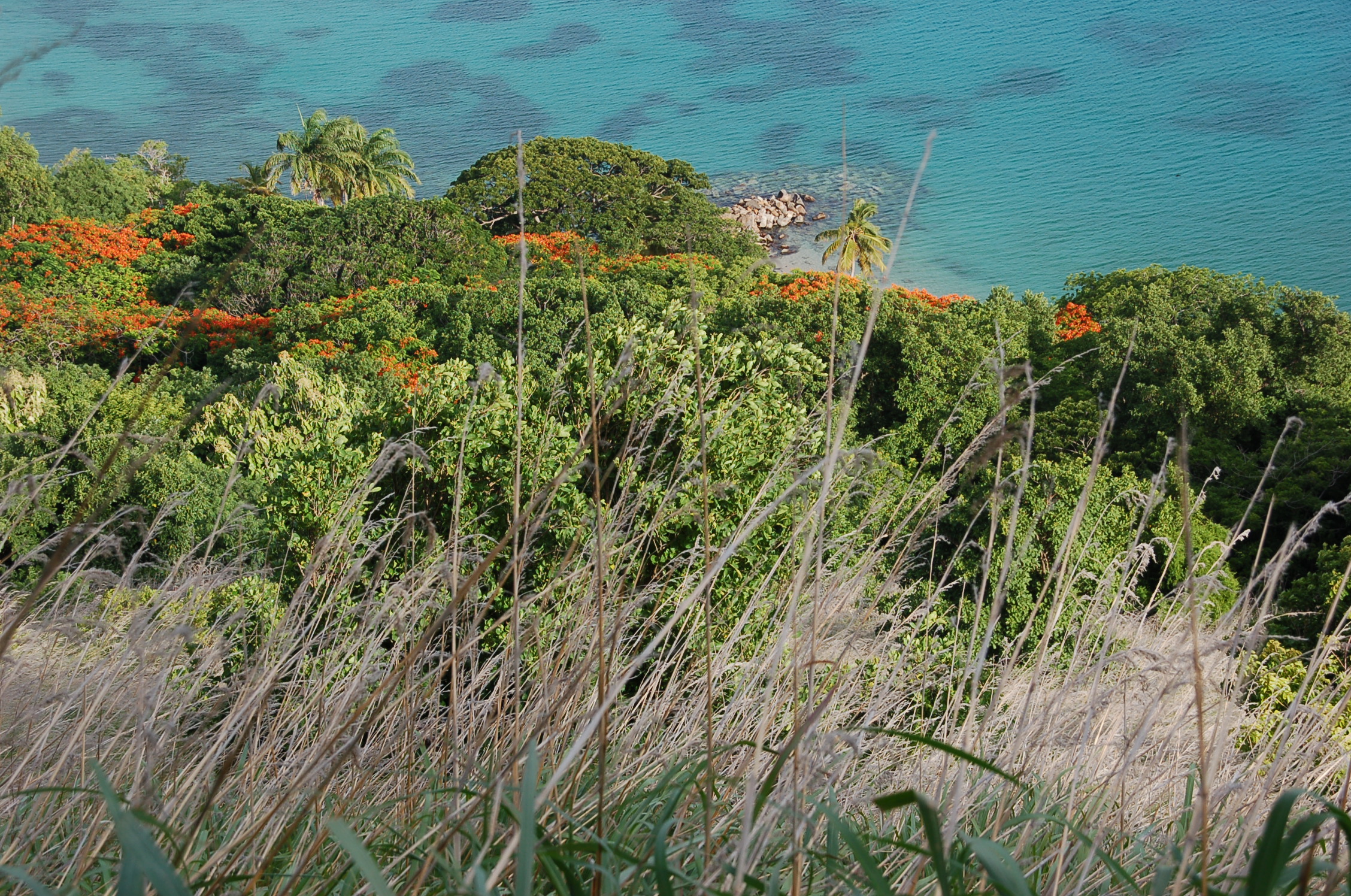 I think it is typical to imagine that there are two types of beauty—the natural beauty that the world offers as is and the invented, enhanced pleasures of art. The former is a kind of rawness that surprises us precisely because it does not seem to be made. It has no intention necessarily of being beautiful. It just is. In this category, we might think of the shape of Half Dome in Yosemite or the curvilinear red rock of The Wave in southern Utah. The latter more artificial beauty, of course, very much intends to catch the eye because it anticipates and solicits a viewer. It is constructed for such an encounter. In this category, we might think of something like Frank Lloyd Wright’s house, Falling Water, or Mont St. Michel.
I invoke this contrast in order to dispel it. I remember when my oldest daughter was quite young and she was inquiring about the nature of art. What made something art, she wanted to know? When was something just “natural.” So we discussed objects like stones, trees, candy wrappers, and billboards, trying to see if we could understand when something was natural, when it was man-made, and when and why something might be considered to be beautiful or artful. Because of her persistent questioning, Eliza began to suspect that my examples didn’t measure up, that there was something false about the distinction itself.
We can hardly claim that we appreciate something like Yosemite Valley, for example, without having already anticipated the view, framing it in our minds with the help of so many Ansel Adams photographs and so many stereotypes of exotic or dramatic natural beauty. What with all of the animated films, CGI films, wall calendars, and the ubiquity now of images from the world’s greatest museums, we are so saturated with beautiful images that it might almost cause a yawn to finally see Half Dome in the flesh.
And yet, precisely because in our modern way of life we are so deprived of incarnate encounters with the world and are instead conditioned by myriad representations of what surrounds us, it would seem to be even more important that we seek to see things anew, even if it is only a fiction to pretend that it is for the first time. And it might especially pay to learn to see the magnificence in our own backyards.
I spent a great deal thinking about this question while reading the poetry of Walt Whitman, Pablo Neruda, and Derek Walcott. My readings led to my book, New World Poetics. I was struck by how insistent these poets were that the experience of newness was a fiction but that it was nevertheless a necessary fiction. The world is familiar and both the eyes we use to see it and the language we invoke to describe it are old and tired out, habituated by custom, to the point that we speak in clichés and scarcely see anything new at all. And the fact is that we cannot pretend to be able to shed habit, to speak another language or to see the world through a new set of eyes, even though this is precisely what art’s highest purpose is. Art offers a kind of makeover or a do-over, a rebooting of the imagination so that, even if for just a brief moment, we might catch a glimpse of something not yet seen. The paradox, of course, is that this experience is facilitated by the highest level of artificiality—artistic strategies of indirection, illusion, metaphor, and re-presentation of the world in order to wake us up, once and for all, to what it is we are living in this body, on this planet, at this moment.
I love a poem by Walcott, from his book White Egrets, in which he genuinely laments the fact that after almost 80 years of life, he still lives on a small Caribbean island where no opera house has been built, no major art museum, no theater. Each and every day what he faces is a raw, sun-drenched or rain-drenched world, still underdeveloped, still abused and underappreciated, still unblessed by the markers of culture. He can lament this, and he does, but he also understands that maybe away from the distractions of civilization (and of the internet, which he doesn’t mention perhaps because he has never faced its mesmerizing aura), he is more fortunate than unfortunate. This is because this world of his simple birthplace, despite the banalities of cruise ships and ugly government buildings, is still stunningly beautiful.
He writes:
…and yet there are the days
when every street corner rounds itself into
a sunlit surprise, a painting or a phrase,
canoes drawn up by the market, the harbours’s blue,
the barracks. So much to do still, all of it praise.
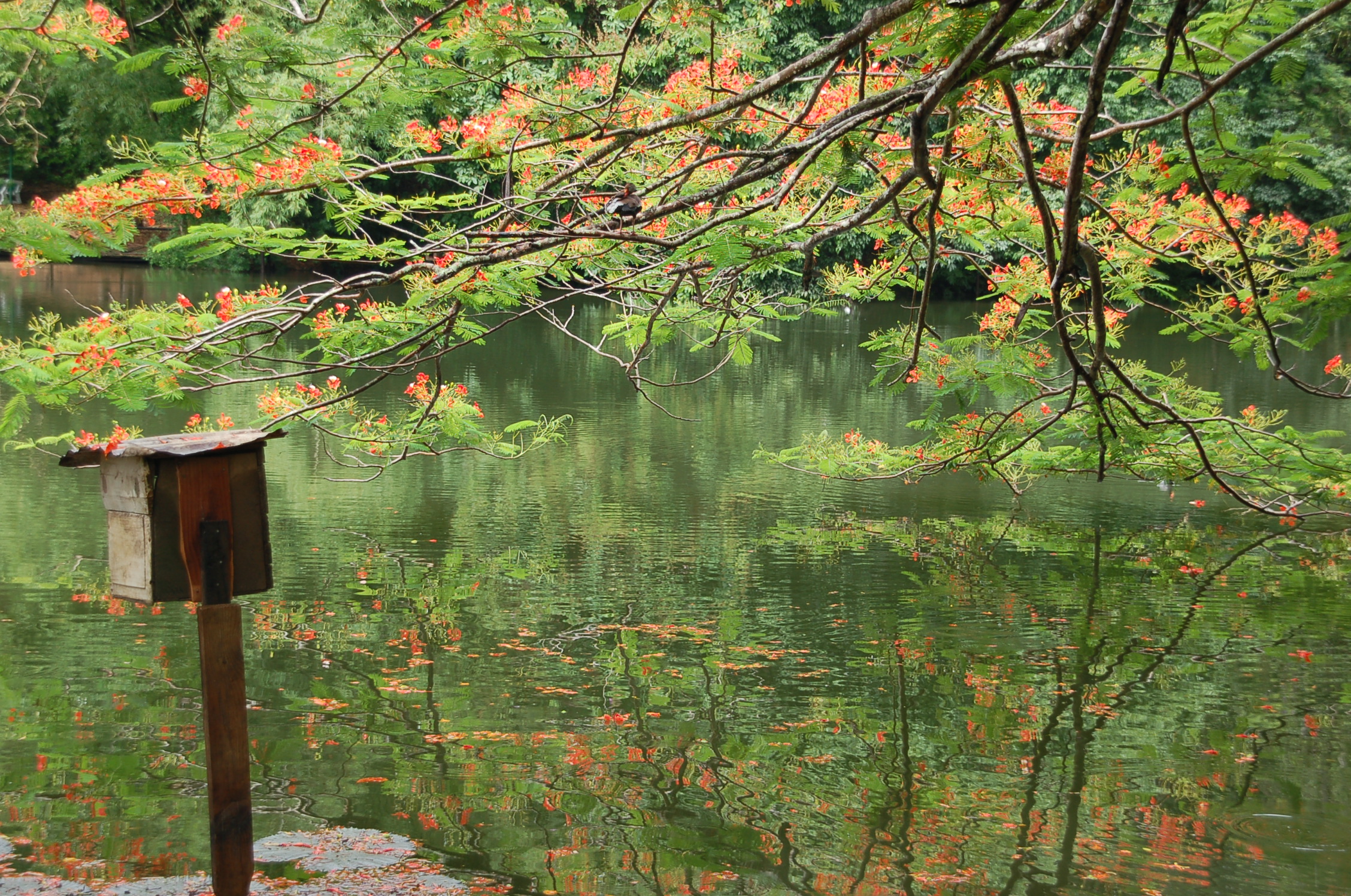 To praise the world. This is to see the world as new. But what, precisely, should we praise? And to whom? The great poet Rainer Maria Rilke said: “Praise this world to the Angel.” What did he mean? I think he meant that poetry is a language of praise for this world offered to the angels of the dead, those we imagine who have departed this world perhaps too early and perhaps tinged with a feeling of nostalgia or regret about how little they appreciated about the extraordinary qualities of this life. In other words, to awake from our slumber of habit, we must learn to imagine death, because if we can imagine the end of experience as we know it, then we can imagine the reasons for loving it beyond the grave, the reasons why it is always and forever strange and marvelous and beautiful and why the mundane, the ordinary, and the simple are not our poverty but our bounty.
Previous Post

December 31, 2012
On the Ideologies and Theologies of the Earth: Reprise
Next Post
January 9, 2013 A Lecture on Derek Walcott and Theology
Browse Our Archives
Select a Category Uncategorized
Select a Month May 2016 March 2016 February 2016 December 2015 November 2015 October 2015 August 2015 July 2015 June 2015 March 2015 January 2015 December 2014 November 2014 October 2014 September 2014 August 2014 July 2014 June 2014 May 2014 April 2014 March 2014 February 2014 January 2014 December 2013 November 2013 October 2013 September 2013 August 2013 July 2013 June 2013 May 2013 April 2013 March 2013 February 2013 January 2013 December 2012 November 2012 October 2012 September 2012 August 2012 July 2012 June 2012 May 2012 April 2012 March 2012
Follow Us!
TAKE THE
Religious Wisdom Quiz
In Revelation, how many elders sit on thrones around God's throne?
Select your answer to see how you score.
Twenty-four Seven Seventy Twelve
Related posts from Home Waters


Literature and the Art of Friendship


TRENDING AT PATHEOS Latter-day Saint

Did Prayer Cure His Cancer? Or Was It...
At 4 AM one morning, Joshua W. Brown’s wife awoke to a...

8 Ways a Near-Death Experience Rewires the Soul
Does Consciousness Survive Physical Death? After 50 Years of Research, Dr. Raymond...

Holy Longing: What Our Restlessness Is Telling Us
“One can find so many pains when the rain is falling.” -John...

What this is NOT about. This blog is definitely not about...

Who said the Israelites were God’s chosen? That’s right, they did. Who...

The Spirit World Is the Real World: God...
A Monk’s Wisdom on Body and Spirit I sit with Brother Martin...
view all Latter-day Saint blogs
Ad-Free & Subscriber Log-In Subscription Support
- About Us
- 2026 Calendar
- Videos
- Podcasts
- Library of World Religions
- Faith In Media Tracker
- Advertise With Us
- Write for Us
- Privacy Policy
- Terms of Service
- Do Not Sell My Data
- Contact Us
- Radiant Digital
- Manage Newsletter Subscriptions
- Unsubscribe From Notifications
- Sitemap
Copyright 2008-2026, Patheos. All rights reserved.
Subscription Support Ad-Free & Subscriber Log-In
Follow Patheos