
BuddhistCatholicContemplativeEvangelicalGeneral ChristianHinduJewishLatter-day SaintMuslimNew VisionsProgressive Christian
Beliefs
- Buddhist
- Catholic
- Contemplative
- Evangelical
- General Christian
- Hindu
- Jewish
- Latter-day Saint
- More Voices
- Muslim
- New Visions
- Pagan
- Progressive Christian
Topics
- Religion News
- Food and Religion
- Sports and Religion
- Religious Art
- Religious Music and Entertainment
- Religious Events
- History and Religion
- Style and Religion
- Politics and Religion
- Women in Religion
- Recreation Outdoors and Religion
- Business Finance and Religion
- Careers Workplace and Religion
- Education and Religion
- Family Parenting and Religion
- Health Fitness and Religion
- Home and Religion
- Relationships and Religion
- Technology and Religion
- Travel and Religion
Columnists
- Buddhist Columnists
- Business Finance and Religion Columnists
- Careers Workplace and Religion Columnists
- Catholic Columnists
- Contemplative Columnists
- Education and Religion Columnists
- Evangelists Columnists
- Family Parenting and Religion Columnists
- General Christian Columnists
- Health Fitness and Religion Columnists
- Hindu Columnists
- History and Religion Columnists
- Home and Religion Columnists
- Jewish Columnists
- More Voices Columnists
- Latter Day Columnists
- Muslim Columnists
- New Visions Columnists
- Nonreligious Columnists
- Pagan Columnists
- Politics and Religion Columnists
- Progressive Columnists
- Recreation Outdoors and Religion Columnists
- Relationships and Religion Columnists
- Religion News Columnists
- Religious Art Columnists
- Religious Events Columnists
- Religious Music and Entertainment Columnists
- Sports and Religion Columnists
- Style and Religion Columnists
- Technology and Religion Columnists
- Travel and Religion Columnists
- Women in Religion Columnists
Resource Library
- 2026 Calendar
- Library of World Religions
- The 100 Most Holy Places on Earth
- Patheos Answers
- Podcasts
- Videos
- Faith Leaders Database
- Anglican Episcopalian
- Bahai
- Baptist
- Buddhism
- Christianity
- Confucianism
- Eastern Orthodoxy
- Hinduism
- Holiness and Pentecostal
- ISKCON
- Islam
- Judaism
- Lutheran
- Methodist
- The Church of Jesus Christ of Latter-day Saints
- New Age
- Paganism
- Presbytarian and Reformed
- Protestantism
- Religion Behind the Scenes
- Roman Catholic
- Scientology
- Shia Islam
- Sikhism
- Sufism
- Sunni Islam
- Taoism
- Zen
- See all religions
Research Tools
 Ad-Free & Subscriber Log-In Subscription Support
Ad-Free & Subscriber Log-In Subscription Support
Follow Patheos 

- Trending:
- Forgiveness
- |
- Marriage
- |
- Consciousness
- |
- Death Penalty
- |
- Election
- |
- Halloween
 Holyscapes
- Home
- Contemplative
- The Gardener
The Gardener
Last updated on: April 18, 2017 at 8:44 pm by Jason M. Brown
The Gardener 2017-04-18T20:44:39-08:00 Jason M. Brown
Patheos Explore the world's faith through different perspectives on religion and spirituality! Patheos has the views of the prevalent religions and spiritualities of the world.
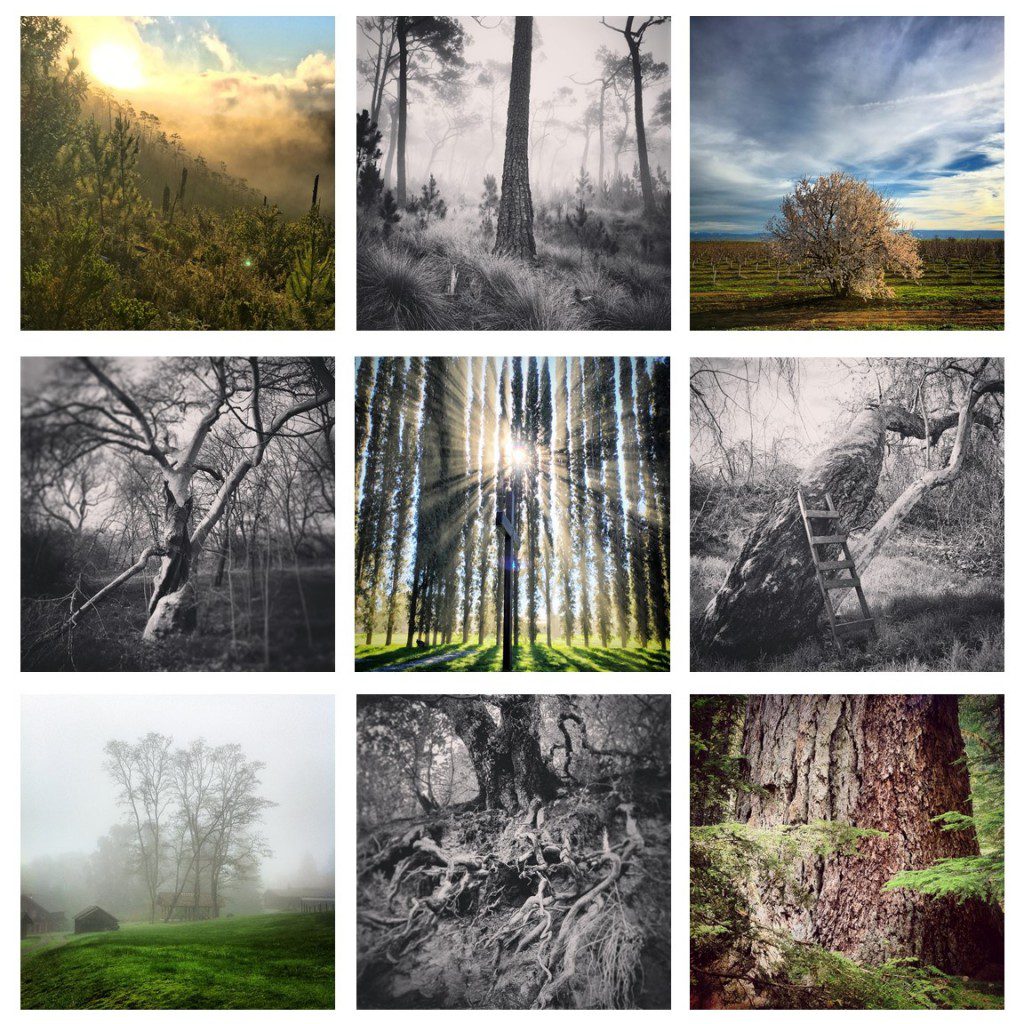 In today’s Gospel reading from John 20:12-15 we read:
“But Mary stayed outside the tomb weeping. And as she wept, she bent over into the tomb and saw two angels in white sitting there, one at the head and one at the feet where the body of Jesus had been. And they said to her, “Woman, why are you weeping?” She said to them, “They have taken my Lord, and I don’t know where they laid him.” When she had said this, she turned around and saw Jesus there, but did not know it was Jesus. Jesus said to her, “Woman, why are you weeping? Whom are you looking for?” She thought it was the gardener and said to him, “Sir, if you carried him away, tell me where you laid him, and I will take him.”
We all know what happens next. This familiar Easter narrative has both delighted and puzzled Christians over the centuries. Mary Magdalene, a woman, was the first to see the resurrected Jesus. She was the Apostle to the Apostles, the first member of the Christian Church. We have often wondered, however, why it was that she did not immediately recognize Jesus.
One Jewish legend of the time, attempting to discredit the story of the resurrection, speaks of a man named Judas, who was worried that Jesus’s disciples would trample his cabbages when they came to visit his tomb. So, he relocated Jesus to another tomb, and the myth of the resurrection began. It is said by Biblical scholar Rudolf Schnackenberg, that perhaps this story is the reason John’s Gospel refers to Jesus as a gardener in the first place.
Other commentators have of course pointed to Mary’s grief, or even her focus on the worldly body of Jesus as reasons why she did not at first see her Teacher. Or, perhaps the author of the Gospel was playing with the familiar ancient trope of the disguised returning hero (See Homer’s Odyssey).
I would like to suggest a much simpler possibility. Perhaps Mary mistook Jesus for a gardener, because he was gardening. The scripture says that Mary turns around and sees Jesus there, it does not say that Jesus was facing her. Perhaps she noticed his presence, but his face was obscured because he was hunched over, hands in the dirt, taking in the smells of the earth on the early morning after he had suffered so much, and been miraculously returned to life.
The dialogue that ensues between Mary and Jesus could have taken place at a short distance, as Jesus playfully repeats the words of the angels, “why are you crying?” and Mary hopelessly asks if perhaps he knows where her Teacher has been laid. Perhaps he then got up from his task, and put his hand on Mary’s shuddering shoulder and spoke more directly: “Mary!” And when she looked up, only then did she recognize the face of the man she had come to love and respect so much.
Now, of course this is speculation, but I feel like this reading enriches many of the existing elements of symbolism in salvation history. As many commentators have pointed out from the earliest days of the church, including Paul, whereas Adam brings sin and death into the world through disobedience in the Garden of Eden, it is Christ, who in the Garden of Gethsemane and then the garden of the tomb points to the final Garden of the Resurrection. The Garden of Eden begins the salvation narrative, and the garden tomb finishes it. Jesus is the new Adam, as Mary is the new Eve. Christ suffered in a garden. He rises in a garden. As the second Adam, he is the “Greater Gardener.”
Sometimes we imagine the resurrected Jesus as a white-clad, angel like man. But the accounts of the resurrection, often portray him in day-to-day scenes. He appears to Apostles in a small room, and eats with them; He appears to two men walking along the road, and again eats with them; He sits by the Lake of Galilee and cooks breakfast over a fire. I am reminded of the familiar Zen Koan, “Before enlightenment, chop wood, carry water. After enlightenment, chop wood, carry water.” Before the resurrection, fully human and fully divine, after the resurrection, fully human and fully divine.
We will never know for certain of course, but there is nothing that convicts me of the both the reality and naturalness of the resurrection more than watching the cycles of birth, life, death, decay and rebirth that happen each year in the garden that we call earth.
References
Schnackenberg, Rudolf. The Gospel According to St. John: Volume III. Crossroad, 1990.
Previous Post

April 6, 2017
Is Pluralism Compatible with Secularism?
Next Post
May 4, 2017 The Promise and the Peril of Interfaith Dialogue
Browse Our Archives
Select a Category Anthropocene Camino de Santiago Catholicism Film Holyscapes Homily Liturgy Monk Nature New Monasticism New Story Pilgrimage Poetry Politics Prayer Religion and Spirituality Silence Spiritual Ecology Spring Spriritual Ecology Theology Uncategorized Walking Writing
Select a Month June 2020 May 2020 April 2020 March 2020 February 2020 January 2020 December 2019 November 2019 August 2019 June 2019 May 2019 April 2019 January 2019 December 2018 November 2018 October 2018 September 2018 August 2018 July 2018 June 2018 May 2018 April 2018 March 2018 February 2018 January 2018 November 2017 October 2017 September 2017 August 2017 July 2017 June 2017 May 2017 April 2017 March 2017 February 2017 January 2017 December 2016 November 2016 October 2016 September 2016 August 2016 July 2016 June 2016 May 2016 April 2016 March 2016 February 2016 January 2016 December 2015 November 2015
Follow Us!
TAKE THE
Religious Wisdom Quiz
What did Daniel’s vision of the ram and the goat represent?
Select your answer to see how you score.
The fall of Jerusalem The end of the world The Medo-Persian and Greek Empires The battle of good and evil
Related posts from Holyscapes




A Guide Book to America’s Sacred Groves: A...
TRENDING AT PATHEOS Contemplative

Handy Contemplative Practices for Political Spaces
A Spiritually Grounded Presence In order to bring a spiritually grounded presence...

Halloween: The Holiday of Loving Your Neighbor
All Hallows Eve Is Halloween the least Christian holiday in America, or...

Can Love Be Saved? Some Thoughts on the...
Happy Valentine's Day! I recently published a post on Patreon called Can...

"This Loving, Uniting Embrace": the Holy Ordinary
Today's guest post is by Mark Longhurst, author of The Holy Ordinary:...

How Are We Called to Live?: More About...
How Are We Called to Live? Many of us struggle with discerning...

A Spiritual Practice of Reading: Join Us Online
A Spiritual Practice of Reading A healthy spiritual practice of reading is...
view all Contemplative blogs
Ad-Free & Subscriber Log-In Subscription Support
- About Us
- 2026 Calendar
- Videos
- Podcasts
- Library of World Religions
- Faith In Media Tracker
- Advertise With Us
- Write for Us
- Privacy Policy
- Terms of Service
- Do Not Sell My Data
- Contact Us
- Radiant Digital
- Manage Newsletter Subscriptions
- Unsubscribe From Notifications
- Sitemap
Copyright 2008-2026, Patheos. All rights reserved.
Subscription Support Ad-Free & Subscriber Log-In
Follow Patheos