
BuddhistCatholicContemplativeEvangelicalGeneral ChristianHinduJewishLatter-day SaintMuslimNew VisionsProgressive Christian
Beliefs
- Buddhist
- Catholic
- Contemplative
- Evangelical
- General Christian
- Hindu
- Jewish
- Latter-day Saint
- More Voices
- Muslim
- New Visions
- Pagan
- Progressive Christian
Topics
- Religion News
- Food and Religion
- Sports and Religion
- Religious Art
- Religious Music and Entertainment
- Religious Events
- History and Religion
- Style and Religion
- Politics and Religion
- Women in Religion
- Recreation Outdoors and Religion
- Business Finance and Religion
- Careers Workplace and Religion
- Education and Religion
- Family Parenting and Religion
- Health Fitness and Religion
- Home and Religion
- Relationships and Religion
- Technology and Religion
- Travel and Religion
Columnists
- Buddhist Columnists
- Business Finance and Religion Columnists
- Careers Workplace and Religion Columnists
- Catholic Columnists
- Contemplative Columnists
- Education and Religion Columnists
- Evangelists Columnists
- Family Parenting and Religion Columnists
- General Christian Columnists
- Health Fitness and Religion Columnists
- Hindu Columnists
- History and Religion Columnists
- Home and Religion Columnists
- Jewish Columnists
- More Voices Columnists
- Latter Day Columnists
- Muslim Columnists
- New Visions Columnists
- Nonreligious Columnists
- Pagan Columnists
- Politics and Religion Columnists
- Progressive Columnists
- Recreation Outdoors and Religion Columnists
- Relationships and Religion Columnists
- Religion News Columnists
- Religious Art Columnists
- Religious Events Columnists
- Religious Music and Entertainment Columnists
- Sports and Religion Columnists
- Style and Religion Columnists
- Technology and Religion Columnists
- Travel and Religion Columnists
- Women in Religion Columnists
Resource Library
- 2026 Calendar
- Library of World Religions
- The 100 Most Holy Places on Earth
- Patheos Answers
- Podcasts
- Videos
- Faith Leaders Database
- Anglican Episcopalian
- Bahai
- Baptist
- Buddhism
- Christianity
- Confucianism
- Eastern Orthodoxy
- Hinduism
- Holiness and Pentecostal
- ISKCON
- Islam
- Judaism
- Lutheran
- Methodist
- The Church of Jesus Christ of Latter-day Saints
- New Age
- Paganism
- Presbytarian and Reformed
- Protestantism
- Religion Behind the Scenes
- Roman Catholic
- Scientology
- Shia Islam
- Sikhism
- Sufism
- Sunni Islam
- Taoism
- Zen
- See all religions
Research Tools
 Ad-Free & Subscriber Log-In Subscription Support
Ad-Free & Subscriber Log-In Subscription Support
Follow Patheos 

- Trending:
- Forgiveness
- |
- Marriage
- |
- Consciousness
- |
- Death Penalty
- |
- Election
- |
- Halloween
 Hindtrospectives
- Home
- Muslim
- I AM Sudanese (Pretty Simple)
I AM Sudanese (Pretty Simple)
Last updated on: February 3, 2017 at 10:07 pm by Hind Makki
I AM Sudanese (Pretty Simple) 2017-02-03T22:07:43-07:00 Hind Makki
Patheos Explore the world's faith through different perspectives on religion and spirituality! Patheos has the views of the prevalent religions and spiritualities of the world.

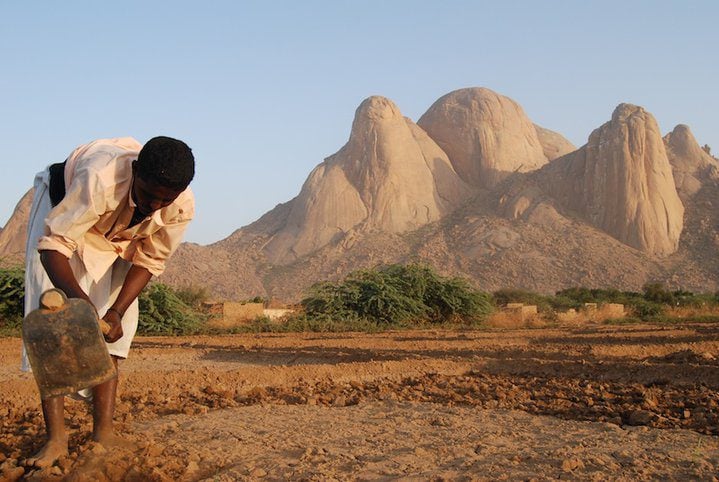
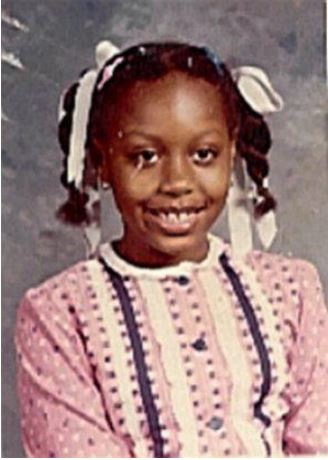
Credit: Almegdad Osman Adam
Exploring faith, race, and Sudanese identities in Black History Month
By Guest Author Aya Elmileik
“Where are you from?”
“I’m from Sudan.”
“Wait, from where?”
“From Sudan. In Africa. Near Egypt.”
“No way! But … you don’t look Sudanese.”
“I don’t know what to tell you, I’m definitely Sudanese.”
“Well … you just don’t look like them. You look lighter … different …”
This isn’t a scenario. This is my reality. At the age of 10, my family and I moved from Japan, where we lived for 7 years, to start a new journey in the United States. I’m sure that from early on, my identity was questioned but my earliest memory would probably be when I was about 13 years old. A classmate asked me where I’m from. At the time, it was an easy question to answer, or so I thought. I’m Sudanese. Pretty simple.
Boy, was I wrong.
Living in the US, my life became a constant battle of defending and explaining my identity. People questioned my ‘Sudanese-ness’ left and right.
Common reactions I got when I answered the “where are you from” question included:
- But your skin is light
- But you look “different”
- Are you mixed with something?
- So, both of your parents are from Sudan?
- But you speak Arabic
And wait for it …
- ARE YOU SURE? (Are YOU sure you should question me about my very own identity?)
I must admit, though it may have been the most shocking reaction, for some reason, I find it to be the funniest reaction. It’s so out of this world ridiculous, I don’t know how else to react but to laugh.
In the mix of it all, I had to battle putting myself in a specific category because Sudanese just wasn’t good enough for scholarship applications, extracurricular activities, college applications, etc. Am I Black? Am I Arab? Am I African? What the hell am I?
I can identify with Black. I can identify with Arab. I can identify with African. All of these identities, however you want to mix them, to me are what it means to be Sudanese. I actually find myself pretty lucky. In college, I was able to participate and be part of a variety of clubs and organizations. The Black Student Union, the African Student Association, the Muslim Student Association, and so many more. It felt great to not have to tie myself to one specific box. These were the years I truly realized that being Sudanese is the best thing to happen to me.
As I went through my teenage years and into college, I started to realize that many Americans had a very specific image of what a Sudanese person looks. It seemed to be based mainly on news regarding the ongoing struggles in Sudan, specifically Darfur and the now newly formed nation of South Sudan.
To me, however, these places are part of the Sudan I speak of. When I say I am Sudanese, I am fully acknowledging that I am part of the amazing country made up of so much diversity, including Darfur and South Sudan. The country that is made up of people with different shades of skin color, religion, dialects, tribes and cultures.
Interesting enough, because I grew up in the US, I learned that diversity is important and should be celebrated. I definitely credit my parents for this lesson, as well. We grew up having healthy debates about race within Sudan and outside of Sudan. These discussions have taught me a lot of things even I may have been ignorant to. I also realized that I can’t get angry because someone questions my identity. I learned to take the opportunity to teach them about our country and the people it’s made up of. I had to find a way to see the positive.
Learning the valuable lesson on the importance of diversity from a young age, I don’t recall a time when I consciously had an issue with anyone from any part of Sudan because we’re seen as “different” from one another. Our diversity is what makes us so unique and beautiful. I take pride in it.
In Sudan, we have our own discrimination issues within the country. I think it’s important for us in the diaspora to learn from our opportunities and lead by example in showing all people we meet in life, including Sudanese that we are better united and better when we’re celebrating and appreciating each other’s differences.
I can no longer fault someone for not knowing that Sudan is made of many different people. What I hope is that people have taken away something positive from these encounters. I hope that they are more careful with what they say. I hope that we all learn to be more compassionate and ask the right questions to help us understand each other better.
I am Sudanese.
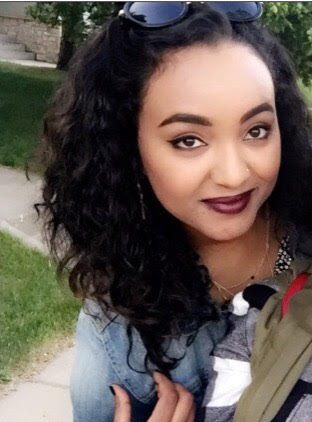 Aya Elmileik is a Sudanese American currently with Al Jazeera English as a digital producer. Follow her on Twitter (@DiscoverAya) sharing things about Sudan and female empowerment.
Previous Post

February 2, 2017
Why are we not all Quebec City?
Next Post
February 6, 2017 American Routes to African Roots
Browse Our Archives
Select a Category #BlackLivesMatter #MyMosqueMyStory #ZoulSoul American Hijabi in Europe Black History Month Ertugrul Hindtrospectives Linksies Mawlid Pop Culture Trans Atlantic Relations Uncategorized
Select a Month February 2018 December 2017 February 2017 January 2017 December 2016 November 2016 September 2016 August 2016 July 2016 February 2016 January 2016 December 2015 November 2015 September 2015 August 2015 July 2015 June 2015 April 2015 February 2015 January 2015 December 2014 November 2014 August 2014 June 2014 May 2014 April 2014 March 2014 February 2014 January 2014 December 2013 November 2013 September 2013 August 2013 July 2013 June 2013 May 2013 April 2013 March 2013 December 2012 November 2012 August 2012 July 2012 June 2012 May 2012 April 2012 March 2012 February 2012 October 2010 September 2010
Follow Us!
TAKE THE
Religious Wisdom Quiz
Who saw a vision of wheels within wheels by the Kebar River?
Select your answer to see how you score.
Ezekiel Jonah Micah Daniel
Related posts from Hindtrospectives
Ethnicity, Skin, and Language: My Sudanese Identity
TRENDING AT PATHEOS Muslim

25 Years Later: How Much Has Changed for...
As we approach the 25th anniversary of September 11th, I’ve found myself...

Podcast: Third Spaces & The Rise of Yemeni...
In the latest episode of The Artistic Foodies Podcast, hosts Abbas...

HalalFest Picks: Best 60 Halal Spots for Super...
Back in 2016, I came up with a list of 29...

Unity Is America’s Strength — Division Is Its...
by Hidayatullah Ahsan When Valentina Gomez, a Republican candidate for Congress in...

Zohran Mamdani and New York’s Fight Against Islamophobia
This past June, against all odds, Zohran Mamdani won the Democratic primary...

What the Fourth of July Means to a...
As we mark another Fourth of July, millions of Americans will celebrate...
view all Muslim blogs
Ad-Free & Subscriber Log-In Subscription Support
- About Us
- 2026 Calendar
- Videos
- Podcasts
- Library of World Religions
- Faith In Media Tracker
- Advertise With Us
- Write for Us
- Privacy Policy
- Terms of Service
- Do Not Sell My Data
- Contact Us
- Radiant Digital
- Manage Newsletter Subscriptions
- Unsubscribe From Notifications
- Sitemap
Copyright 2008-2026, Patheos. All rights reserved.
Subscription Support Ad-Free & Subscriber Log-In
Follow Patheos