
BuddhistCatholicContemplativeEvangelicalGeneral ChristianHinduJewishLatter-day SaintMuslimNew VisionsProgressive Christian
Beliefs
- Buddhist
- Catholic
- Contemplative
- Evangelical
- General Christian
- Hindu
- Jewish
- Latter-day Saint
- More Voices
- Muslim
- New Visions
- Pagan
- Progressive Christian
Topics
- Religion News
- Food and Religion
- Sports and Religion
- Religious Art
- Religious Music and Entertainment
- Religious Events
- History and Religion
- Style and Religion
- Politics and Religion
- Women in Religion
- Recreation Outdoors and Religion
- Business Finance and Religion
- Careers Workplace and Religion
- Education and Religion
- Family Parenting and Religion
- Health Fitness and Religion
- Home and Religion
- Relationships and Religion
- Technology and Religion
- Travel and Religion
Columnists
- Buddhist Columnists
- Business Finance and Religion Columnists
- Careers Workplace and Religion Columnists
- Catholic Columnists
- Contemplative Columnists
- Education and Religion Columnists
- Evangelists Columnists
- Family Parenting and Religion Columnists
- General Christian Columnists
- Health Fitness and Religion Columnists
- Hindu Columnists
- History and Religion Columnists
- Home and Religion Columnists
- Jewish Columnists
- More Voices Columnists
- Latter Day Columnists
- Muslim Columnists
- New Visions Columnists
- Nonreligious Columnists
- Pagan Columnists
- Politics and Religion Columnists
- Progressive Columnists
- Recreation Outdoors and Religion Columnists
- Relationships and Religion Columnists
- Religion News Columnists
- Religious Art Columnists
- Religious Events Columnists
- Religious Music and Entertainment Columnists
- Sports and Religion Columnists
- Style and Religion Columnists
- Technology and Religion Columnists
- Travel and Religion Columnists
- Women in Religion Columnists
Resource Library
- 2026 Calendar
- Library of World Religions
- The 100 Most Holy Places on Earth
- Patheos Answers
- Podcasts
- Videos
- Faith Leaders Database
- Anglican Episcopalian
- Bahai
- Baptist
- Buddhism
- Christianity
- Confucianism
- Eastern Orthodoxy
- Hinduism
- Holiness and Pentecostal
- ISKCON
- Islam
- Judaism
- Lutheran
- Methodist
- The Church of Jesus Christ of Latter-day Saints
- New Age
- Paganism
- Presbytarian and Reformed
- Protestantism
- Religion Behind the Scenes
- Roman Catholic
- Scientology
- Shia Islam
- Sikhism
- Sufism
- Sunni Islam
- Taoism
- Zen
- See all religions
Research Tools
 Ad-Free & Subscriber Log-In Subscription Support
Follow Patheos 

- Trending:
- Advent
- |
- Forgiveness
- |
- Thanksgiving
- |
- Election
- |
- Seasonal Holidays
- |
- Marriage
 Hindtrospectives
- Home
- Muslim
- “Joining our hearts in love” – Building Sunni-Shia Unity this Ramadan
“Joining our hearts in love” – Building Sunni-Shia Unity this Ramadan
Last updated on: June 28, 2013 at 3:11 pm by Hind Makki
“Joining our hearts in love” – Building Sunni-Shia Unity this Ramadan 2013-06-28T15:11:34-06:00 Hind Makki
Patheos Explore the world's faith through different perspectives on religion and spirituality! Patheos has the views of the prevalent religions and spiritualities of the world.
The authors of this piece, Shereen Yousuf and Hind Makki, first met in 2007 while we were working at an interfaith organization. We became friends and quickly developed a mutual respect for our respective practice of Islam; our friendship, you might say, was post-denominational. Through the years, we asked each other Shia-specific and Sunni-specific questions, clarified points of misconception and spent hours discussing how we can help build intrafaith relationships among Muslims in our local Chicago communities. The latest sectarian violence in the Middle East and South Asia in these holy months leading to Ramadan has led us to take our personal friendship public. By condemning this violence and offering some avenues for intrafaith cooperation, we hope to help build stronger ties between young Sunni and Shia Americans – sectarian violence abroad does not need to sow seeds of mistrust and hate here at home.
In the last year, sectarian conflicts between Sunni and Shia Muslims have been reaching a critical point: the ongoing bloody civil war in Syria is becoming sectarian and international in nature, violence against Shias Pakistan and Afghanistan is escalating, the crackdown against Bahraini anti-monarchy protesters is viewed as a regional Sunni-Shia conflict, and the UN has warned of a renewed sectarian war in Iraq, with the death toll in May alone being higher than it has since 2008. The targeted killings of Shia Muslims has been particularly brutal; some have even referred to it as a genocide. It was only after a bomb in Quetta, Pakistan that left 84 Shia Muslims dead on the street and the citizens living in that region collectively refused to bury the dead, that the Pakistan government took any action to protect them.
In Egypt, after months of incitement by Salafi religious and political leaders, tensions came to a gruesome boil on Sunday June 23, when an angry mob attacked Shia homes, injuring 30 and murdering 4 Shia Egyptians. One of those murdered was Hassan Shehata, a prominent Shia cleric, in whose home the local Shia worshipers were meeting. Since Sunday, an investigation has been opened, 8 people have been arrested in connection with the attack, and President Morsi has gone on record condemning the crime as “heinous.”
In the US, mainstream – and largely Sunni – Muslim groups have publicly condemned the Egypt attacks. Last month, Muslim leaders signed an Intra-faith Code of Honor at a national Shia convention in Dearborn, Michigan. For the second time in the last decade, religious leaders pledged to prevent sectarianism in the national Muslim community – which is the most diverse Muslim population, in terms of race, ethnicity and sect in the world. In many ways, US Muslims are uniquely positioned to prevent sectarianism and promote intrafaith unity by the very nature of our innate diversity.
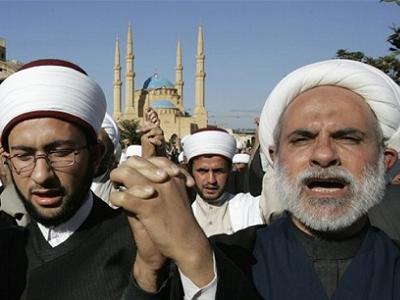
As we condemn brutal sectarian violence and mourn and honor those who lost their lives, we believe it is critical to call on Muslims living in the US to use this upcoming Ramadan as an opportunity to get to know one another and learn about our varied traditions. Though many mainstream Muslims are not “over there” committing these acts, disassociating themselves from those who are committing these violent crimes, particularly in Pakistan, Egypt, Iraq, and Syria, isn’t enough. Shia Muslims who are losing their lives to sectarian violence need more than a tweet here, or a statement of condemnation there from social media activists – they need real allies to advocate against discrimination and targeted sectarian terror within the Sunni Muslim community. Furthermore, Shia Muslims need to be more willing to work with Sunni Muslims and must make a more conscious effort to reach out to the broader Muslim community, since any success in creating awareness about their plight cannot happen without the help of the mainstream Muslim community.
We are inspired to work together not only because of our personal friendship, but because of our shared belief in God, His Messenger and His Holy Book.
And hold fast, all together, by the rope which Allah (stretches out for you), and be not divided among yourselves; and remember with gratitude Allah’s favor on you; for ye were enemies and He joined your hearts in love, so that by His Grace, ye became brethren; and ye were on the brink of the pit of Fire, and He saved you from it. Thus doth Allah make His Signs clear to you: That ye may be guided. Qur’an 3:103
Living in a place where unity does not cost us our lives, religious practices, or personal dignity, it seems that we have an imperative to learn from one another, so that the lives that have been lost in sectarian violence are not lost in vain. Rather, we Muslims living in the US can see what is happening as prompting a movement towards genuine Muslim unity. Let us use this holy month of Ramadan to strengthen our relationships with one another.
Here are some of our suggestions on what you can do this Ramadan:
- Learn about Sunni-Shia unity in Muslim history using this resource
- Start a book club in which you read both “Sunni” and “Shia” texts
- Host an intra-faith iftar at your mosque and invite your imams to join you
- Join Taraweeh or visit a different mosque each night, like the 30 Mosques guys
- Hold an intra-faith community service event, benefiting your local community
- Share your activities on social media (Twitter, Facebook, Tumblr, Instagram)
May we all be granted a peaceful and blessed Ramadan, the Month of Mercy and Sanctity. Ameen.
Shereen Yousuf, a Shia Muslim whose family originate from India, received her Masters degree in Multicultural Communication from DePaul University and is passionate about studying subject matters such as race, gender, class and religion. Hind Makki, a Sunni Muslim whose family originate from Sudan, holds a degree in International Relations from Brown University and writes about the intersection of race, religion and national identity in the West. Both women are also strong advocates of interfaith cooperation.
Previous Post

June 21, 2013
This Week in Misogyny
Next Post
July 16, 2013 Muslim Devotional Music From Around the World
Browse Our Archives
Select a Category #BlackLivesMatter #MyMosqueMyStory #ZoulSoul American Hijabi in Europe Black History Month Ertugrul Hindtrospectives Linksies Mawlid Pop Culture Trans Atlantic Relations Uncategorized
Select a Month February 2018 December 2017 February 2017 January 2017 December 2016 November 2016 September 2016 August 2016 July 2016 February 2016 January 2016 December 2015 November 2015 September 2015 August 2015 July 2015 June 2015 April 2015 February 2015 January 2015 December 2014 November 2014 August 2014 June 2014 May 2014 April 2014 March 2014 February 2014 January 2014 December 2013 November 2013 September 2013 August 2013 July 2013 June 2013 May 2013 April 2013 March 2013 December 2012 November 2012 August 2012 July 2012 June 2012 May 2012 April 2012 March 2012 February 2012 October 2010 September 2010
Follow Us!
TAKE THE
Religious Wisdom Quiz
What does "Elohim" mean in Hebrew?
Select your answer to see how you score.
Holy One Creator God The Almighty
Related posts from Hindtrospectives

Ertugrul - Your Muslim friend's new Bey
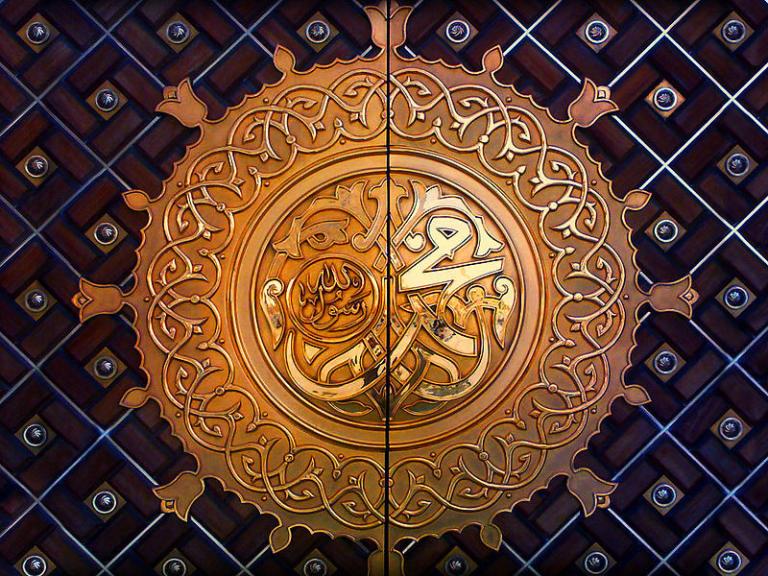
Mawlid 2017: Muslim Praise-Songs from around the World
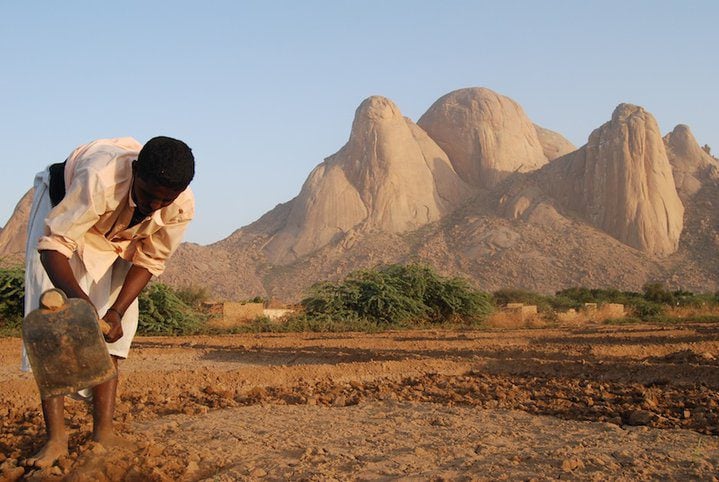
Ethnicity, Skin, and Language: My Sudanese Identity

TRENDING AT PATHEOS Muslim

25 Years Later: How Much Has Changed for...
As we approach the 25th anniversary of September 11th, I’ve found myself...

Podcast: Third Spaces & The Rise of Yemeni...
In the latest episode of The Artistic Foodies Podcast, hosts Abbas...

HalalFest Picks: Best 60 Halal Spots for Super...
Back in 2016, I came up with a list of 29...

Unity Is America’s Strength — Division Is Its...
by Hidayatullah Ahsan When Valentina Gomez, a Republican candidate for Congress in...

Zohran Mamdani and New York’s Fight Against Islamophobia
This past June, against all odds, Zohran Mamdani won the Democratic primary...

What the Fourth of July Means to a...
As we mark another Fourth of July, millions of Americans will celebrate...
view all Muslim blogs
Ad-Free & Subscriber Log-In Subscription Support
- About Us
- 2026 Calendar
- Videos
- Podcasts
- Library of World Religions
- Faith In Media Tracker
- Advertise With Us
- Write for Us
- Privacy Policy
- Terms of Service
- Do Not Sell My Data
- Contact Us
- Radiant Digital
- Manage Newsletter Subscriptions
- Unsubscribe From Notifications
- Sitemap
Copyright 2008-2026, Patheos, part of the Radiant Digital network of media brands. All rights reserved.
Subscription Support Ad-Free & Subscriber Log-In
Follow Patheos