
BuddhistCatholicContemplativeEvangelicalGeneral ChristianHinduJewishLatter-day SaintMuslimNew VisionsProgressive Christian
Beliefs
- Buddhist
- Catholic
- Contemplative
- Evangelical
- General Christian
- Hindu
- Jewish
- Latter-day Saint
- More Voices
- Muslim
- New Visions
- Pagan
- Progressive Christian
Topics
- Religion News
- Food and Religion
- Sports and Religion
- Religious Art
- Religious Music and Entertainment
- Religious Events
- History and Religion
- Style and Religion
- Politics and Religion
- Women in Religion
- Recreation Outdoors and Religion
- Business Finance and Religion
- Careers Workplace and Religion
- Education and Religion
- Family Parenting and Religion
- Health Fitness and Religion
- Home and Religion
- Relationships and Religion
- Technology and Religion
- Travel and Religion
Columnists
- Buddhist Columnists
- Business Finance and Religion Columnists
- Careers Workplace and Religion Columnists
- Catholic Columnists
- Contemplative Columnists
- Education and Religion Columnists
- Evangelists Columnists
- Family Parenting and Religion Columnists
- General Christian Columnists
- Health Fitness and Religion Columnists
- Hindu Columnists
- History and Religion Columnists
- Home and Religion Columnists
- Jewish Columnists
- More Voices Columnists
- Latter Day Columnists
- Muslim Columnists
- New Visions Columnists
- Nonreligious Columnists
- Pagan Columnists
- Politics and Religion Columnists
- Progressive Columnists
- Recreation Outdoors and Religion Columnists
- Relationships and Religion Columnists
- Religion News Columnists
- Religious Art Columnists
- Religious Events Columnists
- Religious Music and Entertainment Columnists
- Sports and Religion Columnists
- Style and Religion Columnists
- Technology and Religion Columnists
- Travel and Religion Columnists
- Women in Religion Columnists
Resource Library
- 2026 Calendar
- Library of World Religions
- The 100 Most Holy Places on Earth
- Patheos Answers
- Podcasts
- Videos
- Faith Leaders Database
- Anglican Episcopalian
- Bahai
- Baptist
- Buddhism
- Christianity
- Confucianism
- Eastern Orthodoxy
- Hinduism
- Holiness and Pentecostal
- ISKCON
- Islam
- Judaism
- Lutheran
- Methodist
- The Church of Jesus Christ of Latter-day Saints
- New Age
- Paganism
- Presbytarian and Reformed
- Protestantism
- Religion Behind the Scenes
- Roman Catholic
- Scientology
- Shia Islam
- Sikhism
- Sufism
- Sunni Islam
- Taoism
- Zen
- See all religions
Research Tools
 Ad-Free & Subscriber Log-In Subscription Support
Ad-Free & Subscriber Log-In Subscription Support
Follow Patheos 

- Trending:
- Forgiveness
- |
- Marriage
- |
- Consciousness
- |
- Death Penalty
- |
- Election
- |
- Halloween
 Heathen at Heart
- Home
- Pagan
- 2017 Anglo-Saxon Religious Calendar
2017 Anglo-Saxon Religious Calendar
Last updated on: March 3, 2017 at 11:04 pm by Molly Khan
2017 Anglo-Saxon Religious Calendar 2017-03-03T23:04:26-05:00 Molly Khan
Patheos Explore the world's faith through different perspectives on religion and spirituality! Patheos has the views of the prevalent religions and spiritualities of the world.
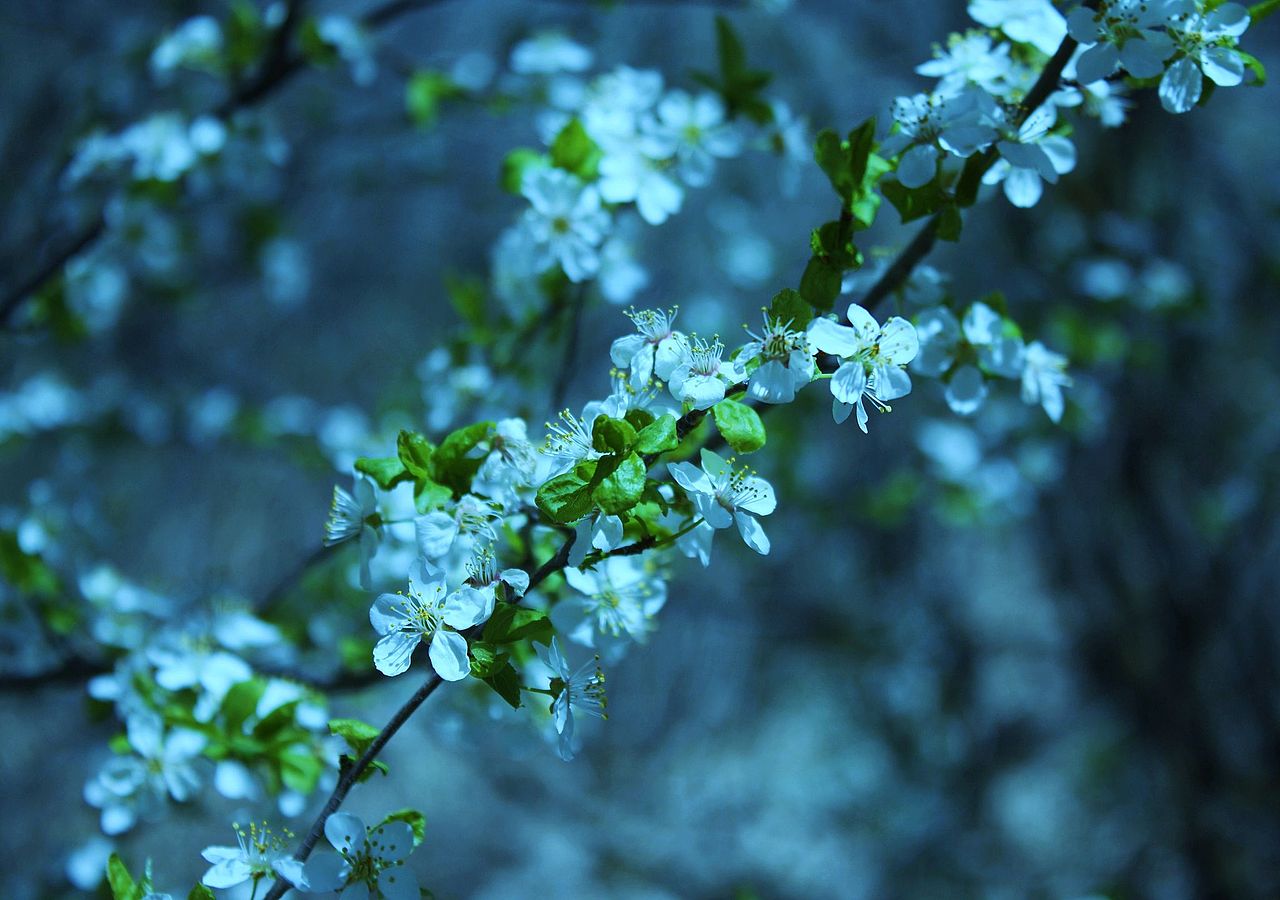
Photo by D Sharon Pruitt
Creative Commons License
It’s a bit late this year, but here is my Anglo-Saxon calendar of holidays for 2017. The standard disclaimer applies: this calendar is based on my interpretation of the Venerable Bede’s description of the Anglo-Saxon calendar in his work De Temporum Ratione. I also take inspiration from modern Heathen and Pagan seasonal festivals. While I believe the months of the Anglo-Saxon peoples would have started on the first sighting of the crescent moon, I feel it is more accurate to place festivals on the dates of the full moon.
Charming of the Plow (February 10th) – The second month of the Anglo-Saxon calendar (following After-Yule) is called Solmonath. Bede describes this month as one in which cakes were offered to the Gods. I wrote a ritual for this holiday based on the Old English Aecerbot charm.
Festival for Hreda (March 12th) – The third month of the Anglo-Saxon calendar is named for the Goddess Hreda, whom Bede says was honored at this time of year. Extremely little is known about Her, but I have my own interpretation. Another possibility might be to celebrate the land wights local to you as spring begins to dawn.
Festival for Eostre (April 11th) – This month was called Eostremonath. Bede says this month was named for the Goddess Eostre, whose name eventually became our word Easter. Though we know very little about Eostre historically, it seems likely to me that She was a dawn Goddess whose liminal nature made Her a natural fit for springtime festivities. I have written about Her before, including a prayer and offering ritual.
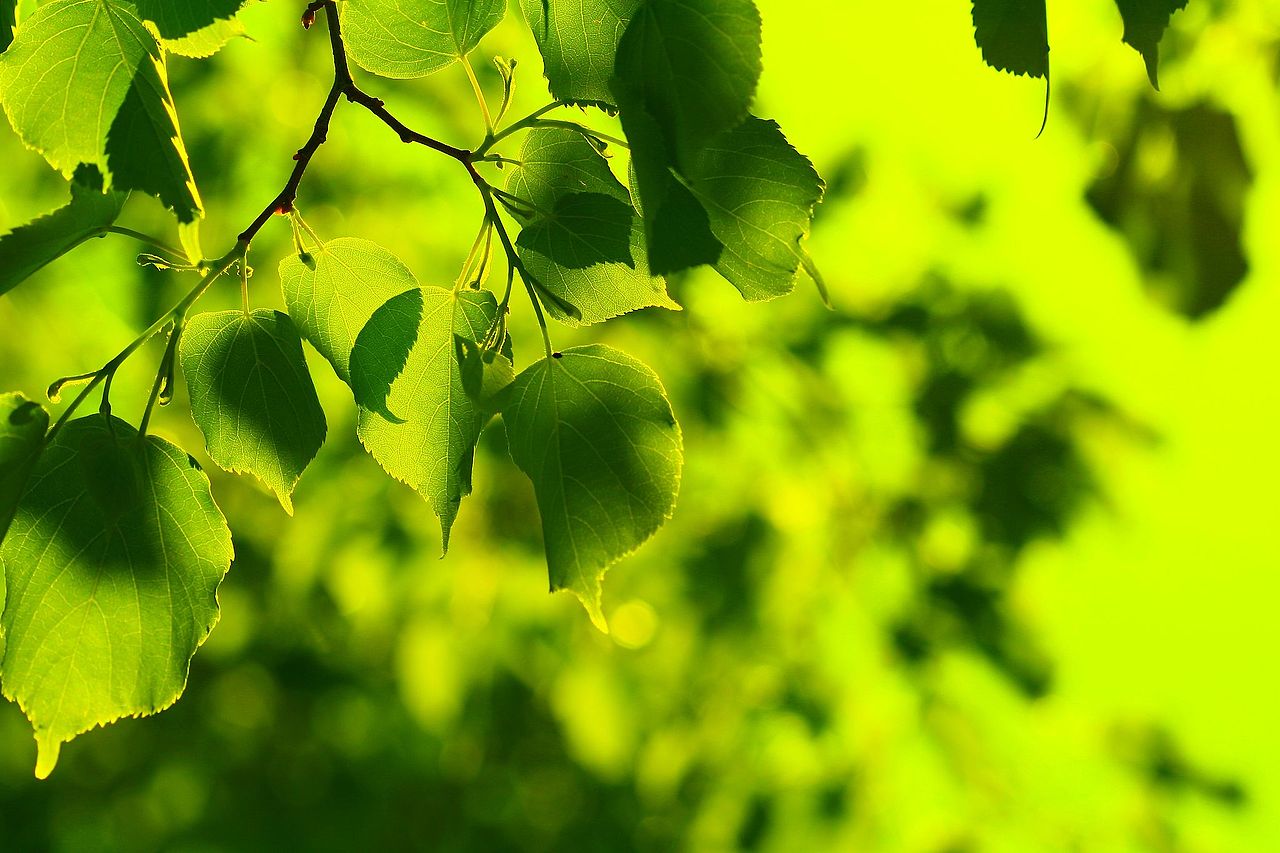
Photo by D Sharon Pruitt
Creative Commons License
Thrimilce (May 10th) – Thrimilce translates as “month of three milkings”. This can be a sort of Imbolc for Heathens, celebrating the gifts of milk and all things dairy. Typically, I celebrate it as a general spring festival; this is the time of year that Nebraska really starts warming up and gardens are ready to be planted!
Litha (June 21-23rd) – Following Thrimilce, there are two months that translate to Before-Litha and After-Litha; placing the holiday typically seen as celebrating the Summer Solstice between these two months. The actual date of the solstice is the 21st this year, while the new moon is on the 23rd. I usually choose to celebrate this day on the solstice itself.
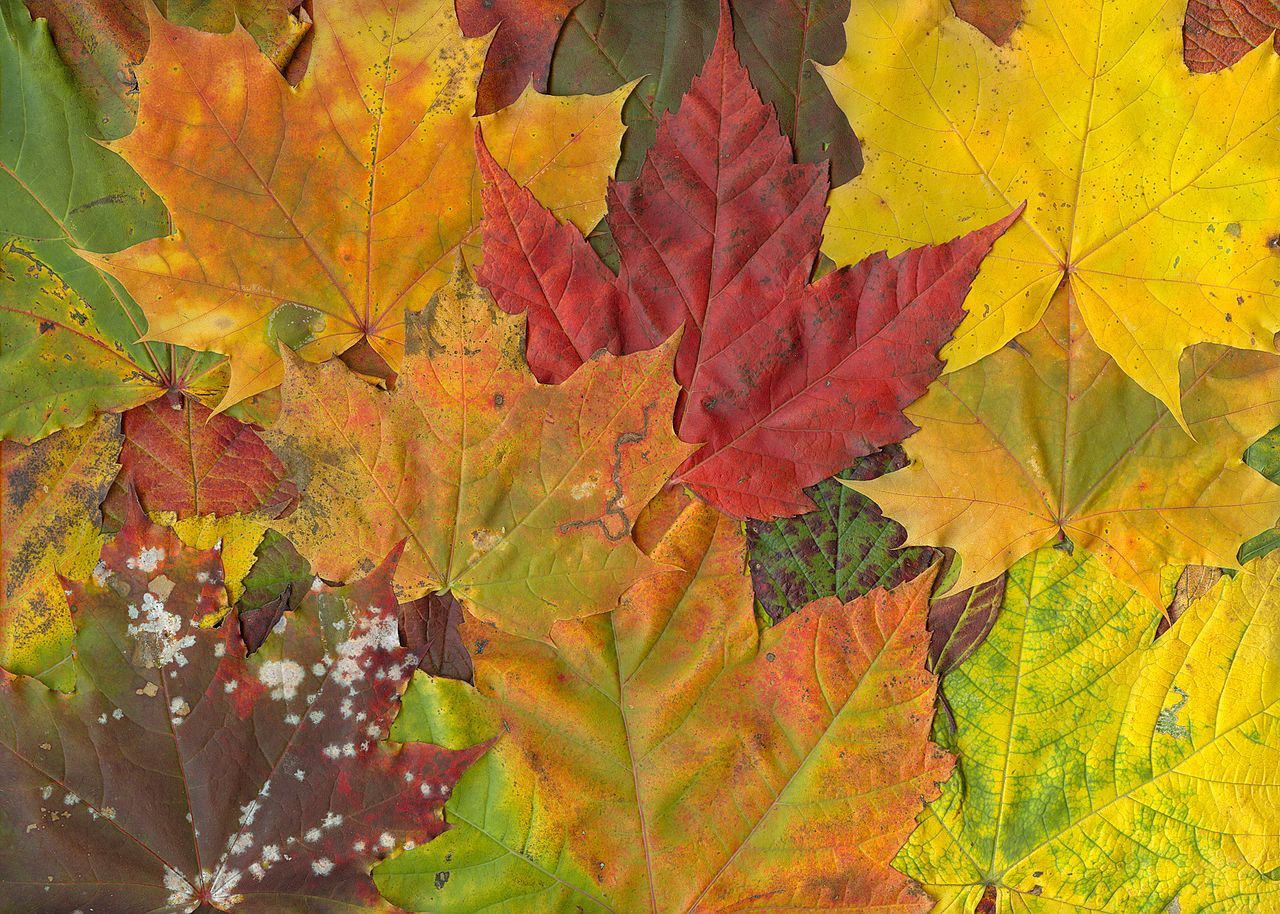
Photo by Micha L Rieser
Creative Commons License
Hlaefmaest (August 7th) – This holiday falls in the month of Weodmonath, sometimes translated as Weed-Month. In Old High German it was called the Harvest-Month. Given its close proximity to the Pagan celebration of Lammas, I usually celebrate it in a similar way, baking bread and giving offerings to the land wights.
Freyfaxi (September 6th) – The name Freyfaxi is not Old English, and of course we have no way of knowing if Ing Frey was honored at this time of year. The full moon in Haligmonath, meaning Holy-Month, is near to many harvest and Frey-honoring celebrations at the autumn equinox. It seems an appropriate time to honor Him for the gifts of the harvest.
Winterfinding (October 5th) – Bede states that Winter began on the first full moon of the month Winter-Finding. In Nebraska, this month marks the slow decline of warmth and light. I tend to focus this festival on thankfulness for a good harvest, and preparation for the coming winter. I wrote a ritual symbolizing Frey’s wagon procession in Sweden that marks this time of year.
Winternights (November 4th) – This month is called Blot-Month, and so seems especially appropriate for offerings and ritual. The name Winternights is of course unattested in Old English, but since we have no historical name other than the generic Blot, I like its poetry. Historically, a blot usually referred to a blood sacrifice. For this celebration, I like to cook a very meat-and-potatoes centric meal like a roast. A few years ago, I wrote a prayer that can be used when cooking this meal; you can find it at the end of this post.
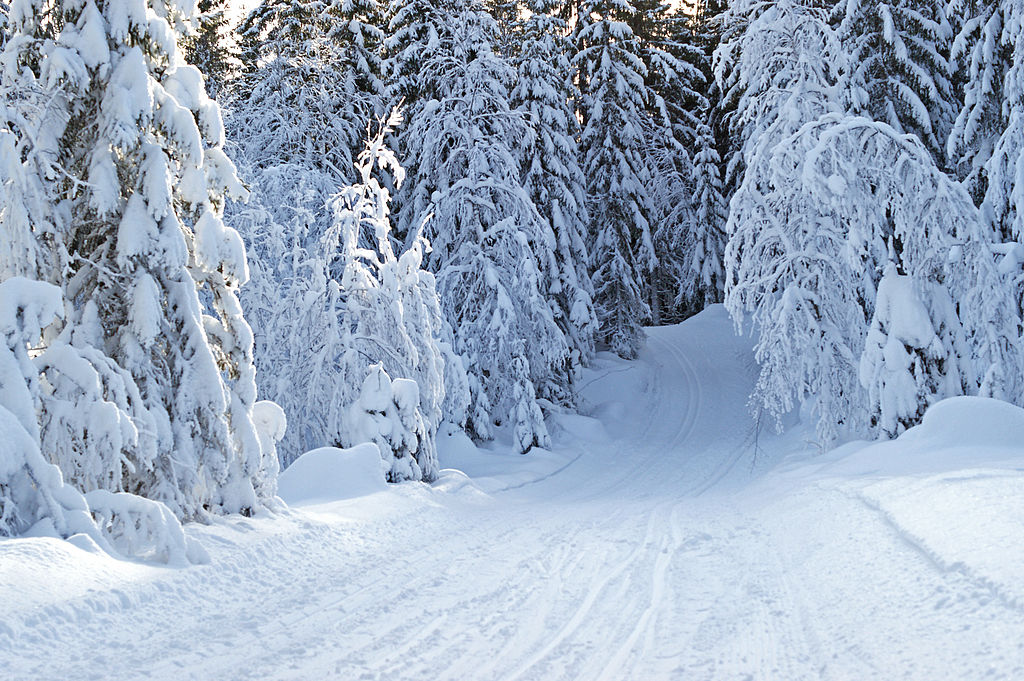
Photo by Randi Hausken
Creative Commons License
The 12 Days of Yule (December 18th-29th) – This year, the Winter Solstice takes place on December 21st. Though the 12 days of Yule can be arranged however you’d like, I tend to begin on the new moon closest to the solstice. Though these holidays are largely not found in historical sources, I love the idea of a nearly two week long celebration! On days where there is no specific celebration, I leave gifts outside for Woden and the other riders of the Wild Hunt.
Modranight (December 18th) – This day was said by Bede to be the beginning of the Anglo-Saxon calendar year. It translates as Mothers-Night, and was presumably a night to honor one’s ancestral mothers; similar to the Norse Disir who were honored at the Disablot.
Night Celebration (December 20th) – On this night and then evening leading up to the Solstice, I find it fitting to honor the Goddess Naeht (Nott in Old Norse sources), though She is not attested, or found as a deity in Old English sources. This personification of the night is in Her fullest power at this time of year. Special thanks to Laine Glaistig for this idea!
Solstice Night (December 21st) – On this day, I keep a vigil through the night and greet Sunne as She rises after the longest night of the year.
Christmas Eve (December 24th) – My extended family hosts a large celebration on Christmas Eve. I see it as a night to celebrate family. Later in the evening, I will make offerings to my recent ancestors who I once celebrated Christmas with. My children and I will leave cookies and milk out for Santa Claus, perhaps the most ubiquitous example of offerings for spirits known to Americans.
Christmas (December 25th) – Another day to honor one’s family and family traditions. For Heathens, I think there are few things more religious.
Toast to Woden (December 26th) – In the Saga of Hakon the Good, a Yule feast is described at which four rounds are drunk. For the final four days of the Yule season, I am inspired to celebrate these ideas. The first is an offering to Odin (or Woden) historically asking for His blessings on the King. I find it a fitting time to ask for wisdom and discernment for both secular and religious leaders.
Toast to Njord and Ing Frey (December 27th) – The second goblet in the Saga is drunk to Njord and Ing Frey to ask for peace and good seasons. For me, this is a good time to prepare a large meal and invite many friends to share in this peace; especially if a ham is cooked in reference to Frey’s sacred Yule boar. Part of the feast is of course saved and offered to Njord and Ing Frey.
Oaths for the New Year (December 28th) – The third round is one of oaths. Given its proximity to the New Year and the popularity of New Year’s resolutions, this seems the perfect time to commit to a goal for the following year. Of course, if this commitment takes the form of an oath, it carries much more weight than the typical quickly-forgotten resolution.
Twelfthnight (December 29th) – The last day of Yule, like the last round drunk in the Saga, I see as a time to remember those friends who have departed from us during the year. This time can be both emotionally wrenching and peaceful, as closure is found in the honoring of our Ancestors. Thus Yule begins and ends with toasts to the Dead.
Previous Post
February 20, 2017
A Ritual for the Charming of the Plow
Next Post

February 24, 2017 The Goddess Hreda and the Month of March
Browse Our Archives
Select a Category ADF Ancestors Books Deities Divination Festivals Heathen Historical Holidays Land Wights Magic Midwest Pagan Parenting Polytheism Prayer Runes Uncategorized Vanatru
Select a Month September 2019 August 2019 July 2019 June 2019 May 2019 April 2019 March 2019 February 2019 June 2017 March 2017 February 2017 December 2015 October 2015 September 2015 August 2015 July 2015 June 2015 May 2015
Follow Us!
TAKE THE
Religious Wisdom Quiz
I lift my eyes to the _________, where does my help come from? My help comes from the LORD.
Select your answer to see how you score.
Hills Heavens Sky Seas
Related posts from Heathen at Heart
How To Use Leaf Magic This Fall
Divination With Cranes (And Other Creatures)
A Heathen Fall Equinox Celebration
TRENDING AT PATHEOS Pagan

I was recently chatting with someone on Instagram. She asked me what...

While there are many people who share their results, the end of...

On July 23, I saw Christopher Nolan's The Odyssey which is Homer’s...

As I write this two big events have just finished up. One...

Restoring the Watershed of Divine Love
Perhaps cooperation is not something we manufacture through legislation, ideology, or moral...

Many UUs don’t pray because of bad experiences in a previous religion,...
view all Pagan blogs
Ad-Free & Subscriber Log-In Subscription Support
- About Us
- 2026 Calendar
- Videos
- Podcasts
- Library of World Religions
- Faith In Media Tracker
- Advertise With Us
- Write for Us
- Privacy Policy
- Terms of Service
- Do Not Sell My Data
- Contact Us
- Radiant Digital
- Manage Newsletter Subscriptions
- Unsubscribe From Notifications
- Sitemap
Copyright 2008-2026, Patheos. All rights reserved.
Subscription Support Ad-Free & Subscriber Log-In
Follow Patheos