
BuddhistCatholicContemplativeEvangelicalGeneral ChristianHinduJewishLatter-day SaintMuslimNew VisionsProgressive Christian
Beliefs
- Buddhist
- Catholic
- Contemplative
- Evangelical
- General Christian
- Hindu
- Jewish
- Latter-day Saint
- More Voices
- Muslim
- New Visions
- Pagan
- Progressive Christian
Topics
- Religion News
- Food and Religion
- Sports and Religion
- Religious Art
- Religious Music and Entertainment
- Religious Events
- History and Religion
- Style and Religion
- Politics and Religion
- Women in Religion
- Recreation Outdoors and Religion
- Business Finance and Religion
- Careers Workplace and Religion
- Education and Religion
- Family Parenting and Religion
- Health Fitness and Religion
- Home and Religion
- Relationships and Religion
- Technology and Religion
- Travel and Religion
Columnists
- Buddhist Columnists
- Business Finance and Religion Columnists
- Careers Workplace and Religion Columnists
- Catholic Columnists
- Contemplative Columnists
- Education and Religion Columnists
- Evangelists Columnists
- Family Parenting and Religion Columnists
- General Christian Columnists
- Health Fitness and Religion Columnists
- Hindu Columnists
- History and Religion Columnists
- Home and Religion Columnists
- Jewish Columnists
- More Voices Columnists
- Latter Day Columnists
- Muslim Columnists
- New Visions Columnists
- Nonreligious Columnists
- Pagan Columnists
- Politics and Religion Columnists
- Progressive Columnists
- Recreation Outdoors and Religion Columnists
- Relationships and Religion Columnists
- Religion News Columnists
- Religious Art Columnists
- Religious Events Columnists
- Religious Music and Entertainment Columnists
- Sports and Religion Columnists
- Style and Religion Columnists
- Technology and Religion Columnists
- Travel and Religion Columnists
- Women in Religion Columnists
Resource Library
- 2026 Calendar
- Library of World Religions
- The 100 Most Holy Places on Earth
- Patheos Answers
- Podcasts
- Videos
- Faith Leaders Database
- Anglican Episcopalian
- Bahai
- Baptist
- Buddhism
- Christianity
- Confucianism
- Eastern Orthodoxy
- Hinduism
- Holiness and Pentecostal
- ISKCON
- Islam
- Judaism
- Lutheran
- Methodist
- The Church of Jesus Christ of Latter-day Saints
- New Age
- Paganism
- Presbytarian and Reformed
- Protestantism
- Religion Behind the Scenes
- Roman Catholic
- Scientology
- Shia Islam
- Sikhism
- Sufism
- Sunni Islam
- Taoism
- Zen
- See all religions
Research Tools
 Ad-Free & Subscriber Log-In Subscription Support
Ad-Free & Subscriber Log-In Subscription Support
Follow Patheos 

- Trending:
- Forgiveness
- |
- Marriage
- |
- Consciousness
- |
- Death Penalty
- |
- Election
- |
- Halloween

- Home
- New Visions
- Health, Fitness and Religion
- Does Mindfulness Training Really Pay Off for Employees in the Construction Industry?
Does Mindfulness Training Really Pay Off for Employees in the Construction Industry?
Last updated on: October 26, 2023 at 2:45 pm by Beth Rush
Does Mindfulness Training Really Pay Off for Employees in the Construction Industry? 2023-10-26T14:45:51-06:00 Beth Rush
Patheos Explore the world's faith through different perspectives on religion and spirituality! Patheos has the views of the prevalent religions and spiritualities of the world.
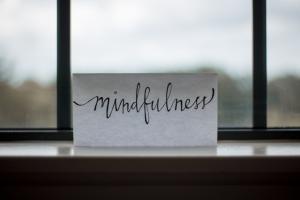
mindfulness
Photo by Lesly Juarez on Unsplash
Construction is a perilous line of work. No silver bullet can eliminate all its hazards, but learning to be mindful is a promising antidote to its inherent dangers. Discover what practices promote mindfulness for construction workers, how effective they are and how they can misfire.
Mindful Construction Workers Promote Safety
Mindfulness is beneficial in any workplace but is instrumental in making construction sites less stressful. Learning techniques to manage distractions, be in the present moment, focus on what matters and make conscious choices to perform dangerous tasks correctly helps reduce everyone’s risk of injury and boost productivity.
Strategy is just as important as training. Adopt these four ideas to ensure mindfulness moves the needle on positivity, job satisfaction, safety and happiness.
1. Long-Term Training
Dedicating a portion of your day to mindfulness training can compel you to rethink how you approach things at work. It can shed light on detrimental behavior you may be guilty of, offer tips to catch yourself and recommend exercises to change how you carry yourself.
However, everyone learns more by experience than by understanding concepts and hearing facts. Such training is easily forgettable without practice, so you must apply what you pick up daily for an extended period. Conventional wisdom says it takes 21 days to build a habit, but Caltech social scientists found six months is the more realistic timeline for an activity to become part of a routine.
Time is both your ally and enemy when forming mindful habits. It can help you develop a lasting healthy habit or make you forget a potentially life-changing idea to master your thoughts.
2. Smooth Integration
Mindfulness methods work when you can seamlessly perform them in your everyday workflow. Otherwise, adopting them will become inconvenient. Disruptive mindfulness exercises are a motivation killer, discouraging you from changing for the better.
Meditation is an effective mindfulness activity. It only involves concentrating on breathing for a few minutes, which you can do in any safe location. It allows you to observe your thoughts, label them as distractions and let them pass.
Countless guided mindfulness apps are on the market and helpful in their respect, but they’re optional. As long as you can focus your attention on the sensation of air as it enters and leaves your body, you can clear your mind without any auditory aids.
3. Targeted Mindfulness Practices
Performing mindfulness techniques only when necessary can help calm your nerves without interfering with your work. Habitual exercises don’t necessarily mean going out of your way to do them at specific times of day. They can be instinctive reactions to particular situations — like dealing with arrogant and apathetic peers and zeroing in on your tasks when there’s too much distraction.
All habits start from conscious actions. Once formed, they automatically kick in when the need arises.
The challenge is identifying the moments when mindful work approaches can be most effective. Everyone’s different, so experiment with various strategies as you see fit until you find which ones work wonders for you. Going through trial and error may be unavoidable, but you’ll eventually get excellent results if you persevere.
4. On-Site Specialists
The top brass may champion mindfulness programs, but taking the initiative is all they can do. Unless they’re experts in the relationship between physical and mental health, C-suite leaders can’t deliver better guidance on what techniques foster mindfulness for construction workers than actual specialists.
Professionals like athletic trainers fit the bill. These licensed healthcare providers specialize in preventing, diagnosing and treating muscle and bone injuries and understand the psychological struggles tied to these medical conditions. They can help you appreciate the holistic value of mindfulness.
Health and wellness coaches can also help you care for your mind to keep your body safe. These pros are adept at helping you make sustainable lifestyle changes that can benefit you at the job site and home. They’re credible in teaching mindful work training and earning your trust to develop healthier behavior.
Mindfulness Training Can Backfire
Mindfulness practices are no slam-dunk solution. Without careful thought, they’re ineffective at best and counterproductive at worst. They can go wrong in three ways.
1. Guilt Reduction
Meditation has a reputation for being a one-size-fits-all mindfulness practice, but it’s further from the truth. Focusing on breathing for eight to 15 minutes can melt away your guilty conscience.
“Guilt is a response to one’s own actions or lack of action.” – Audre Lorde
This social construct defines acceptable behavior and powers your moral compass. Mindfulness can drown this emotion.
A meditative mindset highlights the self and draws attention away from others, reducing your remorse toward any harm you’ve done. If you feel demotivated to do what’s right, you won’t make amends for what you did. The unintended consequences of being able to live with your past mistakes and downplaying their future ramifications can create friction between you and your peers.
Meditation can help you concentrate on the task at hand but impair your problem-solving skills, so use other techniques to exhibit unselfish mindfulness in the workplace on specific occasions.
2. Leadership Hypocrisy
The company’s leadership should be a stellar role model and actively participate in mindfulness programs. Not practicing what they preach can send the wrong signal to the organization’s rank and file, undermining your efforts to promote a psychosocial safety climate.
Construction sites are generally unsafe environments for candid expressions of thoughts and feelings. Leaders are partly responsible for why many construction workers keep their opinions to themselves and bottle up their emotions.
Only a few supervisors have exceptional soft skills. That’s why psychosocial hazards — like vague job clarity, minimal positive feedback and indifference toward employee well-being — are widespread. Construction workers are unlikely to buy into such initiatives until the higher-ups show humility by owning up to their mistakes and practicing mindful work approaches.
3. False Sense of Adequacy
Observing mindfulness in the workplace does little to improve your mental health without mitigating your prevailing stressors at work. Job insecurity, high-pressure occupational demands, harassment and lack of supervisor support are some concerns eating construction workers, making them 450% more suicidal than the general population.
Training yourself to be mindful of your challenges, but it’s not a cure-all. It’s just a band-aid solution if the underlying issues fueling your problems remain unaddressed.
Mindfulness Programs Pay Off When Implemented Correctly
Mindfulness practices can be a double-edged sword. Thankfully, you can dull one side and keep them from doing more harm than good by choosing the fitting techniques for specific situations, encouraging managerial employees to show the way and alleviating the root causes of construction workers’ misery.
New Visions
Previous Post

October 26, 2023
White Towel Symbolism in Meditation and Prayer

Recent Comments
Browse Our Archives
Select a Category bible celebrities church health living marriage mindfulness parenting plant-based eating religious symbolism spirituality Uncategorized
Select a Month January 2025 July 2024 May 2024 April 2024 March 2024 February 2024 January 2024 December 2023 November 2023 October 2023 September 2023 August 2023 July 2023 June 2023 May 2023 April 2023 March 2023 February 2023 January 2023 December 2022
TAKE THE
Religious Wisdom Quiz
Which prophet was swallowed by a great fish?
Select your answer to see how you score.
Elijah Ezekiel Moses Jonah
Related posts from Harmonizing Body and Mind

Patheos Portals
What Does It Mean if You Dream of...

Patheos Portals
How to Create a Meditation Garden in Your...

Patheos Portals
Mental Health Benefits of Working in Colder Climates

Patheos Portals
Celebrities and Mindfulness: How Hollywood is Embracing Eastern...
TRENDING AT PATHEOS Health, Fitness and Religion

Revelation's Jesus Isn't the Lamb — He's the...
In the first article in this series of three articles, "One Jesus,...

How Paul Turned a Dead Messiah Into Christianity's...
This is a continuation of our investigation into the New Testament theologies...

Christian Nationalism: Political Tool And Biased Reporting
Christian Nationalism - An Artificial Category to Label MAGA Supporters Could "Christian...

There is no Clear Definition for "Christian Nationalism"
In the first article of this series I presented a definition of...

"Play or Pray? Exploring Faith and Choice in...
September 25, 2017. The date may not stand out to most....

Bizzle Be Better: Critiquing the Christian Rapper Bizzle
Few Christian Hip Hop artists can connect the lyrical poetics of both...
view all Health, Fitness and Religion blogs
Ad-Free & Subscriber Log-In Subscription Support
- About Us
- 2026 Calendar
- Videos
- Podcasts
- Library of World Religions
- Faith In Media Tracker
- Advertise With Us
- Write for Us
- Privacy Policy
- Terms of Service
- Do Not Sell My Data
- Contact Us
- Radiant Digital
- Manage Newsletter Subscriptions
- Unsubscribe From Notifications
- Sitemap
Copyright 2008-2026, Patheos. All rights reserved.
Subscription Support Ad-Free & Subscriber Log-In
Follow Patheos