
BuddhistCatholicContemplativeEvangelicalGeneral ChristianHinduJewishLatter-day SaintMuslimNew VisionsProgressive Christian
Beliefs
- Buddhist
- Catholic
- Contemplative
- Evangelical
- General Christian
- Hindu
- Jewish
- Latter-day Saint
- More Voices
- Muslim
- New Visions
- Pagan
- Progressive Christian
Topics
- Religion News
- Food and Religion
- Sports and Religion
- Religious Art
- Religious Music and Entertainment
- Religious Events
- History and Religion
- Style and Religion
- Politics and Religion
- Women in Religion
- Recreation Outdoors and Religion
- Business Finance and Religion
- Careers Workplace and Religion
- Education and Religion
- Family Parenting and Religion
- Health Fitness and Religion
- Home and Religion
- Relationships and Religion
- Technology and Religion
- Travel and Religion
Columnists
- Buddhist Columnists
- Business Finance and Religion Columnists
- Careers Workplace and Religion Columnists
- Catholic Columnists
- Contemplative Columnists
- Education and Religion Columnists
- Evangelists Columnists
- Family Parenting and Religion Columnists
- General Christian Columnists
- Health Fitness and Religion Columnists
- Hindu Columnists
- History and Religion Columnists
- Home and Religion Columnists
- Jewish Columnists
- More Voices Columnists
- Latter Day Columnists
- Muslim Columnists
- New Visions Columnists
- Nonreligious Columnists
- Pagan Columnists
- Politics and Religion Columnists
- Progressive Columnists
- Recreation Outdoors and Religion Columnists
- Relationships and Religion Columnists
- Religion News Columnists
- Religious Art Columnists
- Religious Events Columnists
- Religious Music and Entertainment Columnists
- Sports and Religion Columnists
- Style and Religion Columnists
- Technology and Religion Columnists
- Travel and Religion Columnists
- Women in Religion Columnists
Resource Library
- 2026 Calendar
- Library of World Religions
- The 100 Most Holy Places on Earth
- Patheos Answers
- Podcasts
- Videos
- Faith Leaders Database
- Anglican Episcopalian
- Bahai
- Baptist
- Buddhism
- Christianity
- Confucianism
- Eastern Orthodoxy
- Hinduism
- Holiness and Pentecostal
- ISKCON
- Islam
- Judaism
- Lutheran
- Methodist
- The Church of Jesus Christ of Latter-day Saints
- New Age
- Paganism
- Presbytarian and Reformed
- Protestantism
- Religion Behind the Scenes
- Roman Catholic
- Scientology
- Shia Islam
- Sikhism
- Sufism
- Sunni Islam
- Taoism
- Zen
- See all religions
Research Tools
 Ad-Free & Subscriber Log-In Subscription Support
Ad-Free & Subscriber Log-In Subscription Support
Follow Patheos 

- Trending:
- Forgiveness
- |
- Marriage
- |
- Consciousness
- |
- Death Penalty
- |
- Election
- |
- Halloween

-
Social Media
- Home
- Evangelical
- Condemnation, Shame, Rejection Common for 57 Million Widows in Asia Reports Gospel for Asia
Condemnation, Shame, Rejection Common for 57 Million Widows in Asia Reports Gospel for Asia
Last updated on: October 27, 2019 at 1:47 pm by GFA Staff Writer
Condemnation, Shame, Rejection Common for 57 Million Widows in Asia Reports Gospel for Asia 2019-10-27T13:47:48+00:00 GFA Staff Writer
Patheos Explore the world's faith through different perspectives on religion and spirituality! Patheos has the views of the prevalent religions and spiritualities of the world.
Wills Point, Texas – GFA (Gospel for Asia) – Discussing where violence against women occurs worldwide, including violence against widows.
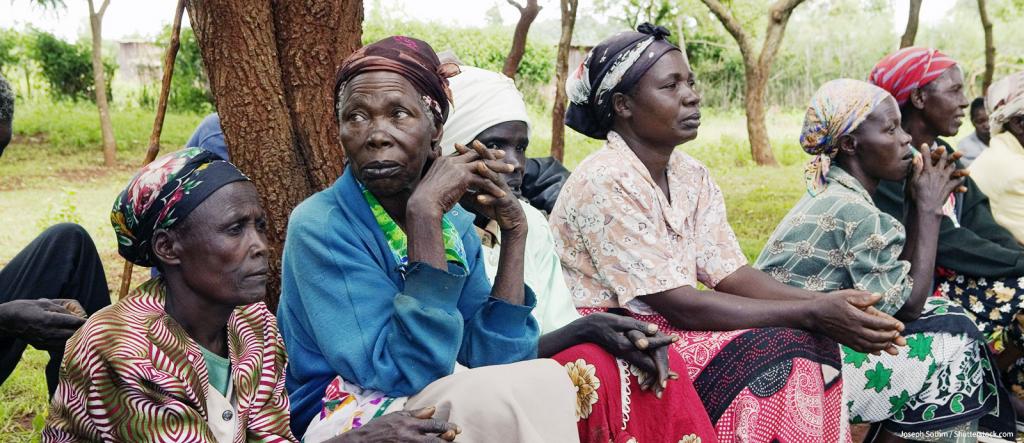
Widows in Meru, Kenya, Africa who have lost their husbands and have only themselves as a group to look after each other.
If a woman happens to escape the abuse so common in marriage, what happens to her once she is no longer married and becomes a widow? Does the violence against widows end?
Violence Against Widows
“Gulika’s life drastically changed the day her husband died. … Bearing the title ‘widow’ was a heavy weight to carry. The sharp, condemning words of the villagers stung Gulika’s already broken heart. Because of this, the pain of losing her husband increased all the more. It seemed that every time she stepped out of her home she wasn’t safe from their harsh criticism.
“The villagers believed Gulika was cursed. They were even afraid that if she passed them on the street, she would bring them bad luck. This shame and rejection, on top of the reality of her husband’s death, grew unbearable. Soon Gulika fell into deep emotional despair.”
Condemnation. Shame. Rejection.
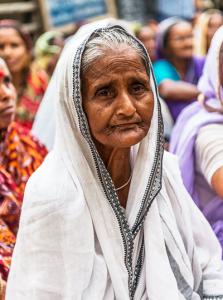
Wearing a white sari symbolizes that a widow has lost all “color” from her life once her husband has died.
Gulika, like so many other widows in South Asia, incurred the blame for her husband’s death—even though he had died crossing railroad tracks as an oncoming train headed his way. But that didn’t matter. The cause of a husband’s death, no matter how arbitrary or natural, is blamed on the wife.
People believe the husband’s death came about because the wife is a curse, a bad omen. They may strip her of her jewelry, shave off her hair, and force her to wear a white-colored sari, signifying she no longer has any “color” and must spend the rest of her days on earth in mourning. Often, she’s cast out of the home, left with no property and no way to fend for herself. She no longer has any family unless she has dependent children. In order to survive, she may need to beg or turn her body over to prostitution.
There are more than 57 million widows in Asia—and it transcends ages and social statuses. A person can become a widow as young as 7 years old (depending on if they were forced into a child marriage) or can come from a wealthy, high-class family. But once a girl or a woman bears the name “widow,” who they were before no longer matters. They’re obligated to live out the rest of their lives forgotten, shamed and without any hope.
The cause of a husband’s death, no matter how arbitrary or natural, is blamed on the wife.
In an article published by National Geographic, journalist Cynthia Gorney was able to get an insider’s view on the plight of widows. In one interview, she noted the “fury” a social worker named Laxmi Gautam had when talking about the condition of widows:
“We asked whether Gautam had ever imagined what she would change if she were given the power to protect women from these kinds of indignities. As it turned out, she had. ‘I would remove the word ‘widow’ from the dictionary,’ she said. ‘As soon as a woman’s husband is gone, she gets this name. This word. And when it attaches, her life’s troubles start.’”
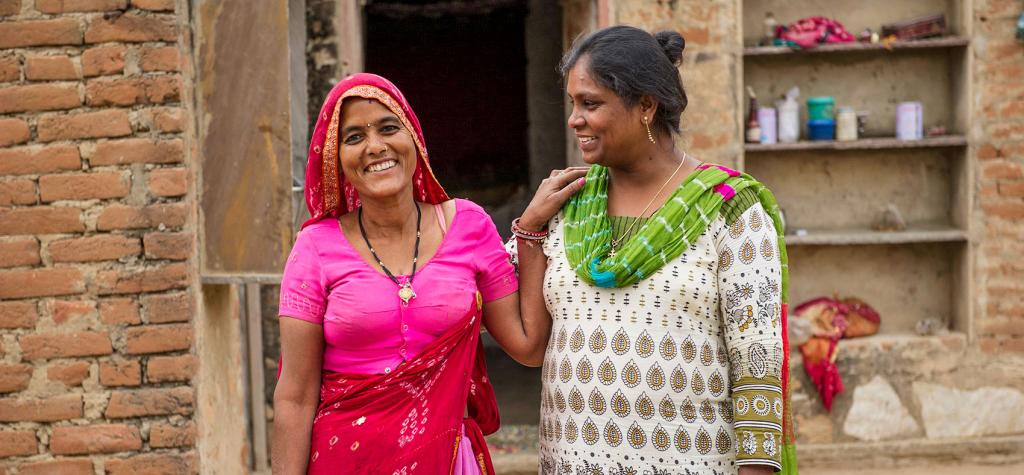
There are more than 57 million widows in Asia
When Will the Violence Against Widows End?
From one stage of life to the next, it would seem the women of Asia hardly get any reprieve from abuse and discrimination. Violence against women is “from the womb to the tomb,” as the old saying goes.
But in the midst of such gloom, Gospel for Asia—and other governmental and non-governmental organizations working on behalf of women’s rights in Asia—is seeing a new dawn rising for hundreds of thousands of women.
As women experience the love of fellow human beings who are willing to serve and minister to them, their understanding of their worth and value in society is elevated. Gospel for Asia-supported workers, including men, treat each girl and woman they meet with respect. They speak words of life into the hearts of women who’ve silently suffered violence, letting them know they matter, they are important, they are valuable, they are loved—even if the rest of society doesn’t believe so.
Remember Aamaal, the woman who tied a noose and was planning on hanging herself to escape her husband’s abuse? She didn’t jump. She didn’t kill herself. Instead, a relative offered her hope in the name of Jesus and led her to a compassionate GFA-supported pastor. Because of that, her life changed—and her husband experienced renewal too! He no longer drinks. He no longer beats his wife, and Aamaal is no longer living the life of an abused woman.
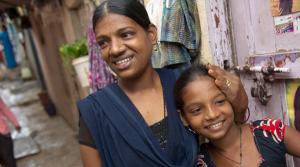
Geeta and her two young children rebuilt their lives after their abusive father left, through the support of their local church.
When Geeta’s abusive husband left her, she went from fear to despair—not relief. She faced pressure to sell her body as a prostitute, and she eventually started working as one. But one of her friends, a believer, knew there was a better way to live. She shared loving counsel with Geeta, something she had been searching for.
The hunger and poverty Geeta and her children faced remained a problem, however, until Geeta’s children were enrolled in a Gospel for Asia-supported Bridge of Hope center. The local church has also came alongside the family, helping them find a safer place to live and provided help and encouragement.
As GFA-supported workers lead their congregations to truly value women, whole portions of society are showing women respect they’ve never experienced before. Believers can be heard thanking God for their newborn baby girls. They educate their daughters to give them a future of their own. They refuse to receive dowry as a testimony to the love of Christ. And when their sisters in Christ become widows, they embrace and support them rather than reject them.
Gospel for Asia-supported Initiatives Helping to End Violence Against Widows, Women
Through various GFA-supported initiatives, girls and women have opportunities to reach heights they were once barred from reaching because of their gender.
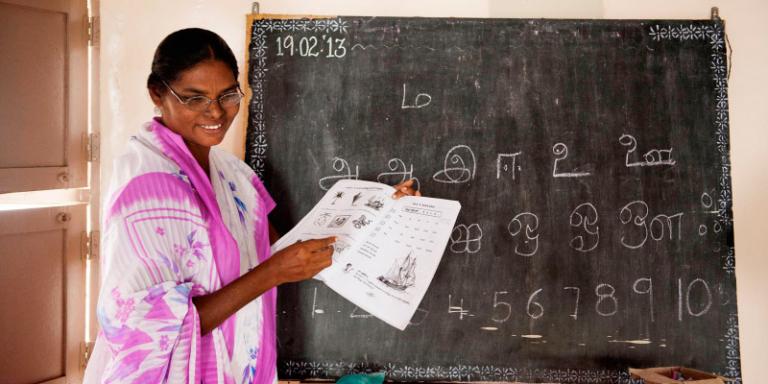
Literacy Training is key for helping women and widows get back on their feet.
Literacy Training
provides adult women with the opportunity to learn how to read and write—skills they never had the chance to learn, most likely because in the minds of many parents, a girl’s education is not worth investing in.
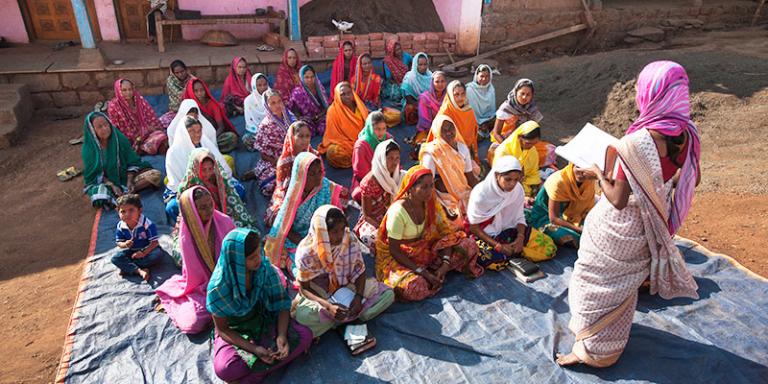
Health care seminars give women and widows practical training in personal hygiene.
Health Care Seminars
teach women how to properly take care of their pregnancies, their babies, their homes and families, which empowers them inside the home.
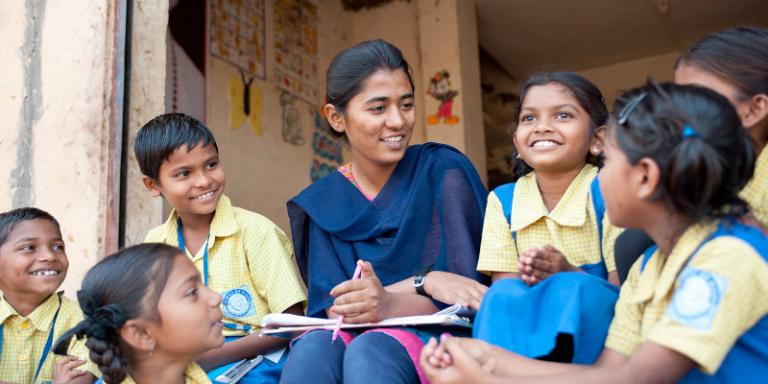
Gospel for Asia’s Bridge of Hope program helps widows with children keep them in school.
Gospel for Asia’s Bridge of Hope Program
is a child sponsorship program that helps keep young girls off the streets and provides them with an education—while teaching every student how boys and girls are created equal in God’s sight.
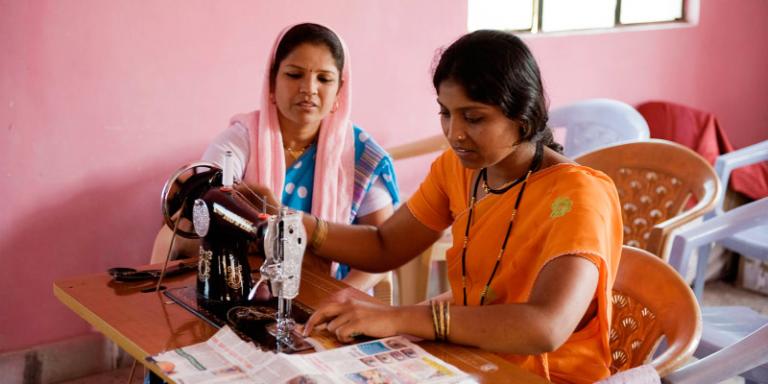
Vocational training and Income-generating gifts like sewing machines give widows practical skills to earn a living.
Income-generating Gifts
give impoverished women the ability to take care of themselves and their families if their husbands are struggling to provide, unemployed, or incapacitated due to alcohol or other addictions. Vocational training makes it possible for women to learn skills that will help them find good jobs—or even start their own business!
At the heart of many of these initiatives are GFA-supported women missionaries and Sisters of Compassion, specialized women missionaries. They stand beside and advocate for the rights of abused and neglected women. They show others how to love and care for the people around them, regardless of their gender. Through them—and the guidance and teaching of male pastors and missionaries who see each woman as precious, valuable and made in the image of Almighty God—violence against women is ending. Women are enjoying new life safe from hands that once sought to abuse them.
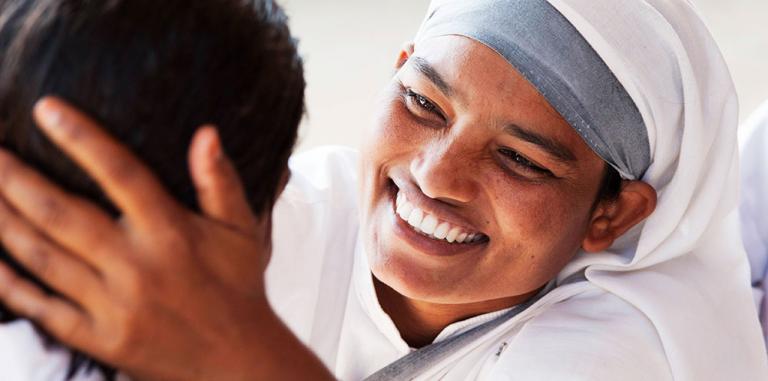
Sisters of Compassion help widows in need of support, encouragement or medical attention.
As for Geeta, she has a solid group of people who have stood with her through her hardships. We, too, can come alongside women like Geeta. Through our prayers and support of national workers, we take part in helping end the violence against women in Asia.
When we come alongside GFA-supported workers, we empower them to empower others. We have seen the fruit of these efforts over and over again, and by God’s grace, we will see more and more women set free—physically, emotionally and mentally—from the abuse and neglect they’ve known their entire lives.
For more on Patheos about violence against widows, their plight and need, go here.
This article originally appeared on gfa.org.
=====
Click here, to read more blogs on Patheos from Gospel for Asia.
Go here to know more about Gospel for Asia: Facebook | Youtube | Twitter | GFA Reports | My GFA
Domestic Violence Against Women
Preventing Violence Against Women
Violence Against Women Statistics

Next Post

July 18, 2018 Dream Job or God's Calling?
Browse Our Archives
Select a Category About Gospel for Asia Bishop Daniel Children's Education Clean Water Daniel Yohannan Disaster Relief GFA World Guest Writer Humanitarian Services Inspiration Leprosy Medical Ministry Mission Support Team Modern Slavery National Missions Poverty Alleviation Powerful Prayer School of Discipleship Special Report Spiritual Growth Uncategorized Women's Issues
Select a Month April 2026 March 2026 December 2025 September 2025 June 2025 May 2025 March 2025 December 2024 November 2024 October 2024 June 2024 May 2024 April 2024 December 2023 November 2023 October 2023 September 2023 May 2023 April 2023 March 2023 February 2023 January 2023 December 2022 November 2022 October 2022 September 2022 August 2022 July 2022 June 2022 May 2022 April 2022 March 2022 February 2022 January 2022 December 2021 November 2021 October 2021 September 2021 August 2021 July 2021 June 2021 May 2021 April 2021 March 2021 February 2021 December 2020 November 2020 October 2020 September 2020 August 2020 July 2020 June 2020 May 2020 April 2020 March 2020 February 2020 January 2020 December 2019 November 2019 October 2019 September 2019 August 2019 July 2019 June 2019 May 2019 April 2019 March 2019 February 2019 January 2019 December 2018 November 2018 October 2018 September 2018 August 2018 July 2018 June 2018 May 2018 April 2018 March 2018 February 2018 January 2018 December 2017 November 2017 October 2017 September 2017
Follow Us!
TAKE THE
Religious Wisdom Quiz
Which disciple brought his brother to Jesus, saying, 'We have found the Messiah'?
Select your answer to see how you score.
Peter James Andrew John
Related posts from What Motivates Us.
World’s Widows Endure Shame, Abandonment, Exploitation
Father's Day Without My Father
Your Hunger for God CAN Be Satisfied |...
GFA World & Ministry Leaders Celebrate KP Yohannan...
TRENDING AT PATHEOS Evangelical

The Problem with False Prophets
Miller’s Station UMC| 10/18/26| Anchor Verse: Jeremiah 23: 1, 9-23 I...

Emotion in Early Christianity by Andrew Crislip
Andrew Crislip’s Emotion in Early Christianity examines an often overlooked dimension of...

16 Spiritual Touchstones for a More Grounded Life
After decades of spiritual study, here are 16 principles I try...

Catholic Evangelization: Sharing Your Faith Every Day
Welcome back to the Graceful Awakening mini-series called, “From Faith to Mission.” ...

The Pillar of the Boatmen: the Ancient Monument...
The Pillar of the Boatmen is a Romano-Gaulish sculpture that dates from...

In one sense walking into Westminster Abbey is like walking down the...
view all Evangelical blogs
Ad-Free & Subscriber Log-In Subscription Support
- About Us
- 2026 Calendar
- Videos
- Podcasts
- Library of World Religions
- Faith In Media Tracker
- Advertise With Us
- Write for Us
- Privacy Policy
- Terms of Service
- Do Not Sell My Data
- Contact Us
- Radiant Digital
- Manage Newsletter Subscriptions
- Unsubscribe From Notifications
- Sitemap
Copyright 2008-2026, Patheos. All rights reserved.
Subscription Support Ad-Free & Subscriber Log-In
Follow Patheos