
BuddhistCatholicContemplativeEvangelicalGeneral ChristianHinduJewishLatter-day SaintMuslimNew VisionsProgressive Christian
Beliefs
- Buddhist
- Catholic
- Contemplative
- Evangelical
- General Christian
- Hindu
- Jewish
- Latter-day Saint
- More Voices
- Muslim
- New Visions
- Pagan
- Progressive Christian
Topics
- Religion News
- Food and Religion
- Sports and Religion
- Religious Art
- Religious Music and Entertainment
- Religious Events
- History and Religion
- Style and Religion
- Politics and Religion
- Women in Religion
- Recreation Outdoors and Religion
- Business Finance and Religion
- Careers Workplace and Religion
- Education and Religion
- Family Parenting and Religion
- Health Fitness and Religion
- Home and Religion
- Relationships and Religion
- Technology and Religion
- Travel and Religion
Columnists
- Buddhist Columnists
- Business Finance and Religion Columnists
- Careers Workplace and Religion Columnists
- Catholic Columnists
- Contemplative Columnists
- Education and Religion Columnists
- Evangelists Columnists
- Family Parenting and Religion Columnists
- General Christian Columnists
- Health Fitness and Religion Columnists
- Hindu Columnists
- History and Religion Columnists
- Home and Religion Columnists
- Jewish Columnists
- More Voices Columnists
- Latter Day Columnists
- Muslim Columnists
- New Visions Columnists
- Nonreligious Columnists
- Pagan Columnists
- Politics and Religion Columnists
- Progressive Columnists
- Recreation Outdoors and Religion Columnists
- Relationships and Religion Columnists
- Religion News Columnists
- Religious Art Columnists
- Religious Events Columnists
- Religious Music and Entertainment Columnists
- Sports and Religion Columnists
- Style and Religion Columnists
- Technology and Religion Columnists
- Travel and Religion Columnists
- Women in Religion Columnists
Resource Library
- 2026 Calendar
- Library of World Religions
- The 100 Most Holy Places on Earth
- Patheos Answers
- Podcasts
- Videos
- Faith Leaders Database
- Anglican Episcopalian
- Bahai
- Baptist
- Buddhism
- Christianity
- Confucianism
- Eastern Orthodoxy
- Hinduism
- Holiness and Pentecostal
- ISKCON
- Islam
- Judaism
- Lutheran
- Methodist
- The Church of Jesus Christ of Latter-day Saints
- New Age
- Paganism
- Presbytarian and Reformed
- Protestantism
- Religion Behind the Scenes
- Roman Catholic
- Scientology
- Shia Islam
- Sikhism
- Sufism
- Sunni Islam
- Taoism
- Zen
- See all religions
Research Tools
 Ad-Free & Subscriber Log-In Subscription Support
Follow Patheos 

- Trending:
- Advent
- |
- Forgiveness
- |
- Thanksgiving
- |
- Election
- |
- Seasonal Holidays
- |
- Marriage
 GetReligion
- Home
- Religion News
- Religion ghosts in the politics of abortion? Obviously …
Religion ghosts in the politics of abortion? Obviously …
Last updated on: January 21, 2014 at 12:09 pm by tmatt
Religion ghosts in the politics of abortion? Obviously … 2014-01-21T12:09:22-05:00 tmatt
Patheos Explore the world's faith through different perspectives on religion and spirituality! Patheos has the views of the prevalent religions and spiritualities of the world.
It happens at least once a year.
A GetReligionista will write a post about media bias in mainstream coverage of abortion (click here for that classic series on this topic by the late David Shaw, media-beat reporter for The Los Angeles Times) and then someone will post a comment saying that abortion is a political, not a religious, issue and that this site should stick to religion. Often, these correspondents will note that the only people who think abortion is a religious issue are crazy fundamentalists and radical Catholics, etc., etc. — an observation that does little to help make their case.
Truth is, lots of people oppose abortion for different reasons. Tomorrow’s annual March For Life will draw thousands of Catholics, evangelicals, Orthodox Jews and the usual suspects. However, those paying close attention will also see banners for pro-life atheists and agnostics, as well as the Pro-Life Alliance for Gays and Lesbians (“Human Rights Start When Life Begins”). Marchers will show up from Feminists For Life, Democrats For Life, Libertarians For Life and a host of other groups from off the beaten journalistic path.
However, it is safe to say that the majority of the marchers will be there for reasons that are based, in part, on their religious convictions. In the United States of America, and lots of other places, that is the statistical reality.
Thus, it was rather strange to see such a faith-free approach used in that New York Times story that ran under the headline, “Parties Seize On Abortion Issues in Midterm Race.” As a reader noted, in an email to this site:
Other than quoting someone from the Faith and Freedom Coalition, there is no allusion that some people see this as an issue of faith or morality.
As a person of faith who is against legalized abortion on demand, this bothered me. It seemed very deliberated on the part of the writer. Most people, however, probably know the basics of the pro-life/pro-choice debate. Does an article mentioning this debate as it pertains to an election have to mention the religious aspect? Or should readers already just know?
That’s a very good question.
Consider the top of the story, for example. Can one address the political clout of those who oppose abortion inside the modern Republican Party without mentioning the “pew gap” or the role played by married, religious women in this cause?
WASHINGTON — When the Republican National Committee gathers for its winter meeting here on Wednesday, the action will start a few hours late to accommodate anyone who wants to stop first at the March for Life, the annual anti-abortion demonstration on the National Mall. And if they need a lift to the meeting afterward, they can hop on a free shuttle, courtesy of the Republican Party.
“We thought it only fitting for our members to attend the march,” said Reince Priebus, the party chairman.
Abortion is becoming an unexpectedly animating issue in the 2014 midterm elections. Republicans, through state ballot initiatives and legislation in Congress, are using it to stoke enthusiasm among core supporters. Democrats, mindful of how potent the subject has been in recent campaigns like last year’s governor’s race in Virginia, are looking to rally female voters by portraying their conservative opponents as callous on women’s issues.
This story does cover a lot of ground, but the reporters are following a strictly political map. At several times it was easy to spot the ghosts that the Times team either didn’t see or made a conscious decision to avoid. For example:
Democrats say their success this year will depend on how close they can come, given lower turnout, to President Obama’s overwhelming margins with female voters; in 2008, he enjoyed a 14-point advantage among women, and in 2012, it was 12 points.
That is a crucial statistic and had to be discussed. Yet, inside that statistic are divisions among female voters connected to statistics about religious affiliation, religious practice and marital status. In regional elections to pick legislators, the impact of these factors will vary according to zip codes — but there are facts here that need to be discussed.
Or how about this passage:
In Oregon, Senator Jeff Merkley could face a similar situation if supporters of an initiative there succeed in getting an anti-abortion measure with a fiscally conservative twist on the ballot: the measure seeks to outlaw the use of state funds to pay for any abortion unless the mother is in grave medical danger.
“We don’t make this a pro-life thing,” said Jeff Jimerson, who is organizing the petition drive. “This is a pro-taxpayer thing. There are a lot of libertarians in Oregon, people who don’t really care what you do, just don’t make me pay for it.”
Once again, that is a crucial point that needs to be made, given the power of country-club Republicans in some regions, as well as pure libertarians. Yet the point seems to be that the goal is to frame this issue in a new way, a way that reaches out beyond the obvious pro-lifers. Well, who are the obvious people in that moral, religious and cultural niche? It seems that the goal is to discuss half of the equation, without mentioning the other (or talking to voices in those groups about their beliefs and motivations).
Here’s one more example, only this time the missing information is on the religious and cultural left.
Abortion rights groups have built targeting models that allow them to predict an individual voter’s position on women’s health issues. These models, along with similar ones built by the Obama campaign, were factors not just in Virginia last year but also in Democratic electoral victories in 2012.
OK, I’ll ask. What about these liberal voters? What are the characteristics, beliefs and affiliations that are built into those “targeting models”? I seem to remember that, when the Pew Forum professionals rolled out their “nones” data, there were some pretty obvious connections between religious beliefs and practices (and the lack thereof) and political convictions on moral and social issues. In fact, wasn’t that one of the most obvious takeaways from the study?
So was it journalistically wise or unwise to avoid the obvious religion hooks in this story?
Previous Post

January 21, 2014
Religion ghost haunts Dodgers' $215 million ace
Next Post
January 21, 2014 Schiavo redux
Browse Our Archives
Select a Category 5Q+1 Academia Anglicanism Announcements Atheists & Agnostics Baptists Books Business & Economy Catholicism Creeping Fundamentalism Education Ethics Evangelicals Film First Person gays Godbeat Got news? Humor Interviews Islam Journalism Judaism Lutherans Mainline Marriage & family Middle East Mormons Music Nones Orthodoxy Pagans Pentecostalism People Podcasts Politics Pop Culture Race Radio & TV Religion religious liberty Same-sex marriage Science Sex Social Issues Sports Uncategorized Vatican Web/Tech What is this? World World Religions Worship
Select a Month August 2014 July 2014 June 2014 May 2014 April 2014 March 2014 February 2014 January 2014 December 2013 November 2013 October 2013 September 2013 August 2013 July 2013 June 2013 May 2013 April 2013 March 2013 February 2013 January 2013 December 2012 November 2012 October 2012 September 2012 August 2012 May 2010 July 2009 February 2009 October 2008 July 2008 January 2007 August 2006 July 2006 October 2005
Follow Us!
TAKE THE
Religious Wisdom Quiz
What is the name for Christian monastic orders that focus on community life and prayer?
Select your answer to see how you score.
Benedictines Pentecostals Franciscans Waldensians
Related posts from GetReligion

Same as it ever was: It's time for...

Wait? Who is calling who an 'evangelical' or...

Can a laundromat replace the traditional church?
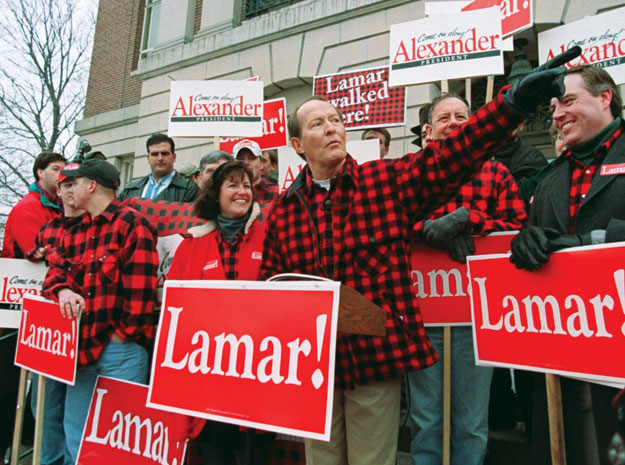
God, Tennessee, culture and that (ironic) red-flannel shirt
TRENDING AT PATHEOS Religion News

Catholic Integralists believe that religious values – specifically Christian ones – should...

Electing A Virtuous President Would Make Immunity Irrelevant
Presidential immunity can bring with it many risks. So how can we...

Why The Olympic Games Are A ‘Civil Religious’...
Sporting events form a vital space where Americans display their 'civil religious...

After more than a decade of news, research updates, and insights on...

Q: Why do Southern Baptists and like-minded Protestants...
THE RELIGION GUY’S ANSWER: Why? Simple. Because they believe that’s what the...

THE QUESTION: Is gambling evil? THE RELIGION GUY’S ANSWER: Analysts anticipate a...
view all Religion News blogs
Ad-Free & Subscriber Log-In Subscription Support
- About Us
- 2026 Calendar
- Videos
- Podcasts
- Library of World Religions
- Faith In Media Tracker
- Advertise With Us
- Write for Us
- Privacy Policy
- Terms of Service
- Do Not Sell My Data
- Contact Us
- Radiant Digital
- Manage Newsletter Subscriptions
- Unsubscribe From Notifications
- Sitemap
Copyright 2008-2026, Patheos, part of the Radiant Digital network of media brands. All rights reserved.
Subscription Support Ad-Free & Subscriber Log-In
Follow Patheos