
BuddhistCatholicContemplativeEvangelicalGeneral ChristianHinduJewishLatter-day SaintMuslimNew VisionsProgressive Christian
Beliefs
- Buddhist
- Catholic
- Contemplative
- Evangelical
- General Christian
- Hindu
- Jewish
- Latter-day Saint
- More Voices
- Muslim
- New Visions
- Pagan
- Progressive Christian
Topics
- Religion News
- Food and Religion
- Sports and Religion
- Religious Art
- Religious Music and Entertainment
- Religious Events
- History and Religion
- Style and Religion
- Politics and Religion
- Women in Religion
- Recreation Outdoors and Religion
- Business Finance and Religion
- Careers Workplace and Religion
- Education and Religion
- Family Parenting and Religion
- Health Fitness and Religion
- Home and Religion
- Relationships and Religion
- Technology and Religion
- Travel and Religion
Columnists
- Buddhist Columnists
- Business Finance and Religion Columnists
- Careers Workplace and Religion Columnists
- Catholic Columnists
- Contemplative Columnists
- Education and Religion Columnists
- Evangelists Columnists
- Family Parenting and Religion Columnists
- General Christian Columnists
- Health Fitness and Religion Columnists
- Hindu Columnists
- History and Religion Columnists
- Home and Religion Columnists
- Jewish Columnists
- More Voices Columnists
- Latter Day Columnists
- Muslim Columnists
- New Visions Columnists
- Nonreligious Columnists
- Pagan Columnists
- Politics and Religion Columnists
- Progressive Columnists
- Recreation Outdoors and Religion Columnists
- Relationships and Religion Columnists
- Religion News Columnists
- Religious Art Columnists
- Religious Events Columnists
- Religious Music and Entertainment Columnists
- Sports and Religion Columnists
- Style and Religion Columnists
- Technology and Religion Columnists
- Travel and Religion Columnists
- Women in Religion Columnists
Resource Library
- 2026 Calendar
- Library of World Religions
- The 100 Most Holy Places on Earth
- Patheos Answers
- Podcasts
- Videos
- Faith Leaders Database
- Anglican Episcopalian
- Bahai
- Baptist
- Buddhism
- Christianity
- Confucianism
- Eastern Orthodoxy
- Hinduism
- Holiness and Pentecostal
- ISKCON
- Islam
- Judaism
- Lutheran
- Methodist
- The Church of Jesus Christ of Latter-day Saints
- New Age
- Paganism
- Presbytarian and Reformed
- Protestantism
- Religion Behind the Scenes
- Roman Catholic
- Scientology
- Shia Islam
- Sikhism
- Sufism
- Sunni Islam
- Taoism
- Zen
- See all religions
Research Tools
 Ad-Free & Subscriber Log-In Subscription Support
Follow Patheos 

- Trending:
- Advent
- |
- Forgiveness
- |
- Thanksgiving
- |
- Election
- |
- Seasonal Holidays
- |
- Marriage
 GetReligion
- Home
- Religion News
- Evangelicalism is political, but not a political movement
Evangelicalism is political, but not a political movement
Last updated on: June 4, 2013 at 8:11 am by Joe Carter
Evangelicalism is political, but not a political movement 2013-06-03T19:14:45-04:00 Joe Carter
Patheos Explore the world's faith through different perspectives on religion and spirituality! Patheos has the views of the prevalent religions and spiritualities of the world.
How many political issues do American evangelicals care about? Apparently, just two: abortion and same-sex marriage. At least that is the impression you’d get if you read about evangelicals in the mainstream press.
Earlier today, CNN updated their “Fast Facts” page on former Minnesota governor Tim Pawlenty. Aside from general biographical information and a timeline of his career, the page includes only three “Other Facts,” including this one:
Evangelical Christian who opposes abortion and same-sex marriage.
Australia’s Herald Sun describes another Minnesota politician, Michele Bachmann, in similar terms:
The former tax lawyer staked out positions against big government, with calls for slashing taxes and debt, while touting her credentials as a Christian evangelical opposed to abortion and same-sex marriage.
Abortion and same-sex marriage. And that’s that.
With the media constantly connecting evangelicalism with these issues it’s no surprise that many people believe these are the only two moral, cultural and political issues that matter to evangelical Christians. As important as these issues are, though, they are just two of a multitude of concerns that comprise the public agenda of American evangelicals.
Evangelicalism is religious movement that span across a broad range, from left to right, across the political spectrum. There is no singular “evangelical perspective” on any political issue. And on doctrinal matters? Even that question will cause fierce debates.
Yet for many journalists, politics is the metanarrative that frames all others belief structures. Since I can’t convince them to stop treating religion as a subset of politics, I thought it might be useful to at least help them broaden their perspective by pointing out how evangelicals tend to faith prioritizes and influences political views. I’ve been an evangelical my entire life and a close observer and participant of evangelical trends — particularly in the media and politics — for the past fifteen years. But you don’t need to be an insider to recognize the main concerns of the evangelical community — especially evangelical leaders — tends to revolve around six key principles.
These six principles, of course, do not comprise an exhaustive list. While I incorporated many of the themes from the National Association of Evangelicals’ paper on civic engagement, the list remains rather subjective and based on my own experience. Still, while it won’t provide a definitive answer to the question of what American evangelicals care about, I believe it’ll show that the political concerns are more broad-based than is often realized. The six principles are:
Principle: The protection of religious freedom — Evangelicals in America believe the joint freedoms of religion and conscience constitute the First Liberty and are deserving of protection both in our own country and abroad.
Issues: Defense of First Amendment protections, expansion of religious freedoms abroad
Principle: The nurturing of family life and the protection of children — While the institutions of marriage and church bear the primary responsibility for fulfilling this duty, evangelicals generally believe the government should promote laws and policies that strengthen the well being of families.
Issues: Promotion of policies on marriage and divorce law, education, tuition vouchers, drug policies, abstinence promotion, fair labor practices, anti-discrimination legislation, protections against spouse and child abuse, affordable health care, reducing crime
Principle: Protecting the sanctity of human life — Because all humans are created in God’s image, evangelicals believe that all people have an inherent and inalienable dignity. They believe it is at the times when life is most vulnerable, particularly in the early stages of development and at the period near death, that life is most in need of protection. Evangelicals believe in promoting policies that recognize the dignity of all humans without regard to such relativistic criteria as mental capacities or quality of life.
Issues: Abortion, euthanasia, embryo destructive research, capital punishment, cloning, unethical human experimentation.
Principle: Seeking justice and compassion for the poor and vulnerable — Evangelicals believe in the promotion of both a fair legal system that does not favor either the rich or poor and in a fair economic system that does not tolerate perpetual poverty. This principle also includes the protection of the vulnerable members of society, including the poor, children, the elderly, the disabled, refugees, minorities, the persecuted, and the imprisoned.
Issues: Poverty reduction both in America and abroad, anti-pornography legislation, adoption, immigration reform, stemming the AIDS pandemic, ending slavery and sexual trafficking, stopping prison rape.
Principle: Seeking peace and restraining violence — Although evangelicals prefer that governments pursue nonviolent paths to restoring peace, most are not pacifists and recognize that military force can be a legitimate means of restraining evil. While there is no consensus on how this principle should be implemented, they are in general agreement that the principles of just war must guide a government’s policies.
Issues: Defending against terrorism, ending genocide, weapons proliferation, defending human rights against tyrannical regimes.
Principle: The protection of God’s creation — Evangelicals believe that stewardship of the earth is a responsibility delegated to human by God. Because the earth is a shared resource, the government has a particularly important role in implementing policies that protect the environment.
Issues: Promoting recycling, reduction of pollution, protecting animals from cruelty, conservation of resources, proper care for wildlife and their habitats.
Watch closely and you’ll see that when an evangelical leader talks about a political issue it will be derived from and framed by these six principles. There are exceptions, of course, but issues that do not fall under these principles are typically peripheral to the broader evangelical base. Of course while there is a general consensus about the six principles (which is shared with Christians of other traditions), there is a diverse range of views about how they should be implemented.
Knowing these principles can help journalists in at least two ways. The first is by preventing them from appearing to be completely out-of-touch with American evangelicals. For instance, no one who has paid attention to the movement should be surprised that evangelicals would have views on immigration reform that don’t fit neatly into the Democrat-Republican paradigm.
The second is that journalists can instantly make their articles more nuanced and balanced by acknowledging that while evangelicals may agree on the importance of an issues, they have a range of policy preferences and disagreements about implementation. On almost any issue there will be at least 15-20% of the evangelical base who disagrees with a consensus policy view. Simply finding and quoting these alternative views will improve reporting on evangelical political views.
But keep in mind: evangelicalism is religious movement, not a political one. We don’t just pop up during election years at the Iowa Caucuses. We’re here all the time, just waiting for the media to report on issues that we care about — issues that have nothing to do with politics.
Previous Post

June 3, 2013
Pod people: Concerning the IRS and the God squads
Next Post
June 4, 2013 Hey Washington Post: There's only one (gay) Islam? Really?
Browse Our Archives
Select a Category 5Q+1 Academia Anglicanism Announcements Atheists & Agnostics Baptists Books Business & Economy Catholicism Creeping Fundamentalism Education Ethics Evangelicals Film First Person gays Godbeat Got news? Humor Interviews Islam Journalism Judaism Lutherans Mainline Marriage & family Middle East Mormons Music Nones Orthodoxy Pagans Pentecostalism People Podcasts Politics Pop Culture Race Radio & TV Religion religious liberty Same-sex marriage Science Sex Social Issues Sports Uncategorized Vatican Web/Tech What is this? World World Religions Worship
Select a Month August 2014 July 2014 June 2014 May 2014 April 2014 March 2014 February 2014 January 2014 December 2013 November 2013 October 2013 September 2013 August 2013 July 2013 June 2013 May 2013 April 2013 March 2013 February 2013 January 2013 December 2012 November 2012 October 2012 September 2012 August 2012 May 2010 July 2009 February 2009 October 2008 July 2008 January 2007 August 2006 July 2006 October 2005
Follow Us!
TAKE THE
Religious Wisdom Quiz
What does "Rabboni" mean, as Mary Magdalene called Jesus after the resurrection?
Select your answer to see how you score.
Shepherd Messenger Savior Teacher
Related posts from GetReligion

Same as it ever was: It's time for...

Wait? Who is calling who an 'evangelical' or...

Can a laundromat replace the traditional church?
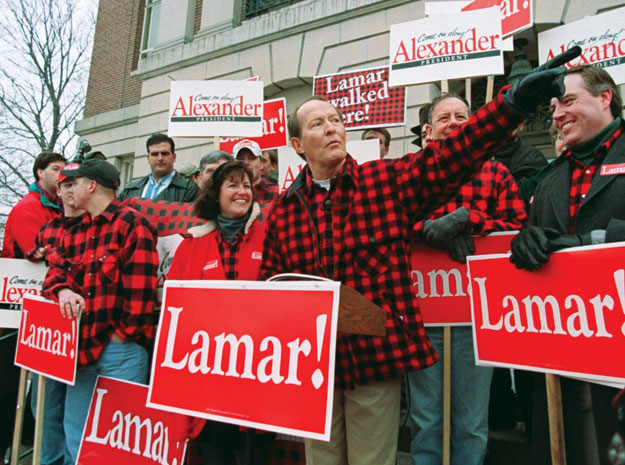
God, Tennessee, culture and that (ironic) red-flannel shirt
TRENDING AT PATHEOS Religion News

Catholic Integralists believe that religious values – specifically Christian ones – should...

Electing A Virtuous President Would Make Immunity Irrelevant
Presidential immunity can bring with it many risks. So how can we...

Why The Olympic Games Are A ‘Civil Religious’...
Sporting events form a vital space where Americans display their 'civil religious...

After more than a decade of news, research updates, and insights on...

Q: Why do Southern Baptists and like-minded Protestants...
THE RELIGION GUY’S ANSWER: Why? Simple. Because they believe that’s what the...

THE QUESTION: Is gambling evil? THE RELIGION GUY’S ANSWER: Analysts anticipate a...
view all Religion News blogs
Ad-Free & Subscriber Log-In Subscription Support
- About Us
- 2026 Calendar
- Videos
- Podcasts
- Library of World Religions
- Faith In Media Tracker
- Advertise With Us
- Write for Us
- Privacy Policy
- Terms of Service
- Do Not Sell My Data
- Contact Us
- Radiant Digital
- Manage Newsletter Subscriptions
- Unsubscribe From Notifications
- Sitemap
Copyright 2008-2026, Patheos, part of the Radiant Digital network of media brands. All rights reserved.
Subscription Support Ad-Free & Subscriber Log-In
Follow Patheos