
BuddhistCatholicContemplativeEvangelicalGeneral ChristianHinduJewishLatter-day SaintMuslimNew VisionsProgressive Christian
Beliefs
- Buddhist
- Catholic
- Contemplative
- Evangelical
- General Christian
- Hindu
- Jewish
- Latter-day Saint
- More Voices
- Muslim
- New Visions
- Pagan
- Progressive Christian
Topics
- Religion News
- Food and Religion
- Sports and Religion
- Religious Art
- Religious Music and Entertainment
- Religious Events
- History and Religion
- Style and Religion
- Politics and Religion
- Women in Religion
- Recreation Outdoors and Religion
- Business Finance and Religion
- Careers Workplace and Religion
- Education and Religion
- Family Parenting and Religion
- Health Fitness and Religion
- Home and Religion
- Relationships and Religion
- Technology and Religion
- Travel and Religion
Columnists
- Buddhist Columnists
- Business Finance and Religion Columnists
- Careers Workplace and Religion Columnists
- Catholic Columnists
- Contemplative Columnists
- Education and Religion Columnists
- Evangelists Columnists
- Family Parenting and Religion Columnists
- General Christian Columnists
- Health Fitness and Religion Columnists
- Hindu Columnists
- History and Religion Columnists
- Home and Religion Columnists
- Jewish Columnists
- More Voices Columnists
- Latter Day Columnists
- Muslim Columnists
- New Visions Columnists
- Nonreligious Columnists
- Pagan Columnists
- Politics and Religion Columnists
- Progressive Columnists
- Recreation Outdoors and Religion Columnists
- Relationships and Religion Columnists
- Religion News Columnists
- Religious Art Columnists
- Religious Events Columnists
- Religious Music and Entertainment Columnists
- Sports and Religion Columnists
- Style and Religion Columnists
- Technology and Religion Columnists
- Travel and Religion Columnists
- Women in Religion Columnists
Resource Library
- 2026 Calendar
- Library of World Religions
- The 100 Most Holy Places on Earth
- Patheos Answers
- Podcasts
- Videos
- Faith Leaders Database
- Anglican Episcopalian
- Bahai
- Baptist
- Buddhism
- Christianity
- Confucianism
- Eastern Orthodoxy
- Hinduism
- Holiness and Pentecostal
- ISKCON
- Islam
- Judaism
- Lutheran
- Methodist
- The Church of Jesus Christ of Latter-day Saints
- New Age
- Paganism
- Presbytarian and Reformed
- Protestantism
- Religion Behind the Scenes
- Roman Catholic
- Scientology
- Shia Islam
- Sikhism
- Sufism
- Sunni Islam
- Taoism
- Zen
- See all religions
Research Tools
 Ad-Free & Subscriber Log-In Subscription Support
Follow Patheos 

- Trending:
- Advent
- |
- Forgiveness
- |
- Thanksgiving
- |
- Election
- |
- Seasonal Holidays
- |
- Marriage
 GetReligion
- Home
- Religion News
- WPost further expands borders of postmodern Catholicism
WPost further expands borders of postmodern Catholicism
Last updated on: October 10, 2012 at 2:49 pm by tmatt
WPost further expands borders of postmodern Catholicism 2012-10-10T14:49:56-04:00 tmatt
Patheos Explore the world's faith through different perspectives on religion and spirituality! Patheos has the views of the prevalent religions and spiritualities of the world.
For several decades now, people linked to Jewish institutions have debated whether it is possible to be a Jew and, let’s say, a Southern Baptist, or a Buddhist, at the same time. This is even the kind of question that has made it to high courts in Israel.
Not that long ago, journalists in the Pacific Northwest were faced with this question: Can one be an Episcopal priest and a Muslim at the same time? It’s hard to say whether that issue has been settled or not, since Episcopalians in different zip codes often do not agree with one another.
It’s obvious that Catholics, especially here in America, have been arguing about some similar subjects in recent years. For example, does someone need to be a Catholic in good standing — in terms of basic beliefs and sacramental practices, such as Confession — in order to take Communion during an actual Catholic Mass? Under Catholic doctrine, it’s clear that this is the kind of issue that is settled at some level of the official hierarchy, meaning Rome, bishops, confessors, etc. However, some Catholic insist that (here comes the spirit, or Spirit, of Vatican II) that individual Catholics should now decide that kind of issue for themselves.
Now, The Washington Post has printed a story that raises another issue of this kind, one that, frankly, stuns me, taking the whole Catholicism-as-democracy concept to a new level.
I am not surprised, of course, that this story is about same-sex marriage, but let’s set that aside for a moment.
The story focuses on Chip DiPaula Jr., a somewhat symbolic figure in Maryland and national politics for reasons explained at the top of the story:
A decade ago, Chip DiPaula Jr. was the architect of Robert L. Ehrlich Jr.’s unexpected victory as Maryland’s first Republican governor in a generation.
Today, he is part of something that might seem just as unlikely: a political alliance with the Democratic governor who ended Ehrlich’s tenure. DiPaula has been working alongside Gov. Martin O’Malley since this summer on the campaign to uphold Maryland’s same-sex marriage law.
It is a cause, DiPaula says, that transcends partisan politics — and for him is personal.
“The current governor and I don’t agree on a whole lot of other issues, but you know what? That’s beside the point for me,” said DiPaula, who talked openly for the first time in a media interview about being gay. “I’m involved to make our lives better.”
Like I said, I am not concerned about the fact that there are liberal Republicans who back gay marriage or even that they back it for person reasons. However, there is one key word in the very next sentence that interests me, to say the least:
DiPaula is not on the cusp of marrying anyone himself but said he greatly respects the institution, and he has officiated at the weddings of a few straight friends and family members.
DePaula has “officiated” at weddings? In what role? Later on in the story readers are told:
DiPaula, a Catholic, came out as gay to his family and friends a few years earlier, while in his mid-30s. His orientation wasn’t exactly a secret in Annapolis — Ehrlich “absolutely” knew, DiPaula said — but it was something he did not talk about publicly. …
Though he cannot legally marry in Maryland himself, DiPaula is an authorized nondenominational Christian minister and has officiated at the weddings of a few family members and friends. In 2010, he officiated at the marriage of two longtime Democratic staffers: Kristin F. Jones, chief of staff to House Speaker Michael E. Busch (D-Anne Arundel), and Joseph C. Bryce, chief lobbyist for O’Malley.
So here is the issue for the Post copy desk: DiPaula, we are told, is both a Roman Catholic and an “authorized” — I read that as “ordained” — clergy person in a Protestant denomination or sort-of-denomination. So, not only is he a Catholic and a Protestant at the same time, but he is a Catholic (in some sense of that word, almost certainly including the reception of Communion) and a Protestant minister at the same time.
Is this possible? Is this possible for the simple reason that DiPaula says so? At this point, in other words, in the eyes of Post editors, does the Catholic Church itself have any say in deciding whether a person is or is not a Catholic?
Just asking.
Previous Post

October 10, 2012
Man plots to blow up 48 Oklahoma churches
Next Post
October 11, 2012 ABC on Jesus the sky pixie
Browse Our Archives
Select a Category 5Q+1 Academia Anglicanism Announcements Atheists & Agnostics Baptists Books Business & Economy Catholicism Creeping Fundamentalism Education Ethics Evangelicals Film First Person gays Godbeat Got news? Humor Interviews Islam Journalism Judaism Lutherans Mainline Marriage & family Middle East Mormons Music Nones Orthodoxy Pagans Pentecostalism People Podcasts Politics Pop Culture Race Radio & TV Religion religious liberty Same-sex marriage Science Sex Social Issues Sports Uncategorized Vatican Web/Tech What is this? World World Religions Worship
Select a Month August 2014 July 2014 June 2014 May 2014 April 2014 March 2014 February 2014 January 2014 December 2013 November 2013 October 2013 September 2013 August 2013 July 2013 June 2013 May 2013 April 2013 March 2013 February 2013 January 2013 December 2012 November 2012 October 2012 September 2012 August 2012 May 2010 July 2009 February 2009 October 2008 July 2008 January 2007 August 2006 July 2006 October 2005
Follow Us!
TAKE THE
Religious Wisdom Quiz
In Jude, what are believers told to build themselves up in?
Select your answer to see how you score.
Their most holy faith The fear of the Lord Christian community The knowledge of God
Related posts from GetReligion

Wait? Who is calling who an 'evangelical' or...

Can a laundromat replace the traditional church?
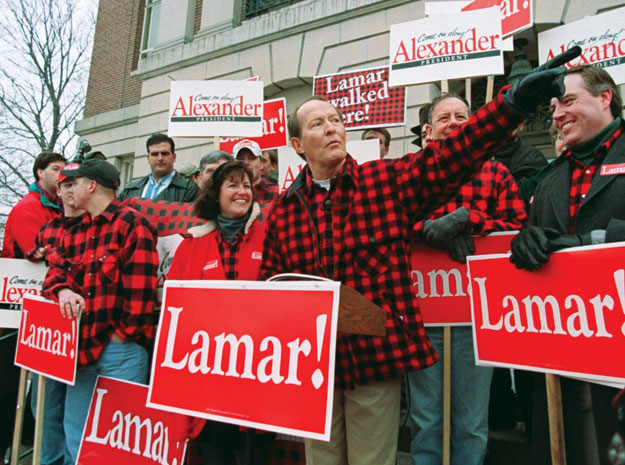
God, Tennessee, culture and that (ironic) red-flannel shirt
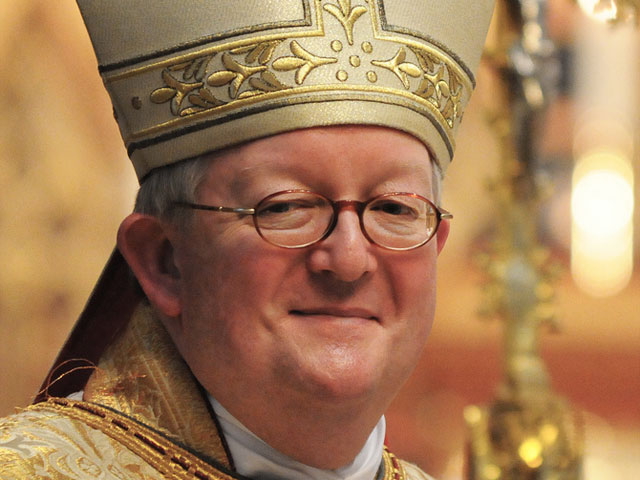
Are Catholics about to loosen Communion rules?
TRENDING AT PATHEOS Religion News

Catholic Integralists believe that religious values – specifically Christian ones – should...

Electing A Virtuous President Would Make Immunity Irrelevant
Presidential immunity can bring with it many risks. So how can we...

Why The Olympic Games Are A ‘Civil Religious’...
Sporting events form a vital space where Americans display their 'civil religious...

After more than a decade of news, research updates, and insights on...

Q: Why do Southern Baptists and like-minded Protestants...
THE RELIGION GUY’S ANSWER: Why? Simple. Because they believe that’s what the...

THE QUESTION: Is gambling evil? THE RELIGION GUY’S ANSWER: Analysts anticipate a...
view all Religion News blogs
Ad-Free & Subscriber Log-In Subscription Support
- About Us
- 2026 Calendar
- Videos
- Podcasts
- Library of World Religions
- Faith In Media Tracker
- Advertise With Us
- Write for Us
- Privacy Policy
- Terms of Service
- Do Not Sell My Data
- Contact Us
- Radiant Digital
- Manage Newsletter Subscriptions
- Unsubscribe From Notifications
- Sitemap
Copyright 2008-2026, Patheos, part of the Radiant Digital network of media brands. All rights reserved.
Subscription Support Ad-Free & Subscriber Log-In
Follow Patheos