
BuddhistCatholicContemplativeEvangelicalGeneral ChristianHinduJewishLatter-day SaintMuslimNew VisionsProgressive Christian
Beliefs
- Buddhist
- Catholic
- Contemplative
- Evangelical
- General Christian
- Hindu
- Jewish
- Latter-day Saint
- More Voices
- Muslim
- New Visions
- Pagan
- Progressive Christian
Topics
- Religion News
- Food and Religion
- Sports and Religion
- Religious Art
- Religious Music and Entertainment
- Religious Events
- History and Religion
- Style and Religion
- Politics and Religion
- Women in Religion
- Recreation Outdoors and Religion
- Business Finance and Religion
- Careers Workplace and Religion
- Education and Religion
- Family Parenting and Religion
- Health Fitness and Religion
- Home and Religion
- Relationships and Religion
- Technology and Religion
- Travel and Religion
Columnists
- Buddhist Columnists
- Business Finance and Religion Columnists
- Careers Workplace and Religion Columnists
- Catholic Columnists
- Contemplative Columnists
- Education and Religion Columnists
- Evangelists Columnists
- Family Parenting and Religion Columnists
- General Christian Columnists
- Health Fitness and Religion Columnists
- Hindu Columnists
- History and Religion Columnists
- Home and Religion Columnists
- Jewish Columnists
- More Voices Columnists
- Latter Day Columnists
- Muslim Columnists
- New Visions Columnists
- Nonreligious Columnists
- Pagan Columnists
- Politics and Religion Columnists
- Progressive Columnists
- Recreation Outdoors and Religion Columnists
- Relationships and Religion Columnists
- Religion News Columnists
- Religious Art Columnists
- Religious Events Columnists
- Religious Music and Entertainment Columnists
- Sports and Religion Columnists
- Style and Religion Columnists
- Technology and Religion Columnists
- Travel and Religion Columnists
- Women in Religion Columnists
Resource Library
- 2026 Calendar
- Library of World Religions
- The 100 Most Holy Places on Earth
- Patheos Answers
- Podcasts
- Videos
- Faith Leaders Database
- Anglican Episcopalian
- Bahai
- Baptist
- Buddhism
- Christianity
- Confucianism
- Eastern Orthodoxy
- Hinduism
- Holiness and Pentecostal
- ISKCON
- Islam
- Judaism
- Lutheran
- Methodist
- The Church of Jesus Christ of Latter-day Saints
- New Age
- Paganism
- Presbytarian and Reformed
- Protestantism
- Religion Behind the Scenes
- Roman Catholic
- Scientology
- Shia Islam
- Sikhism
- Sufism
- Sunni Islam
- Taoism
- Zen
- See all religions
Research Tools
 Ad-Free & Subscriber Log-In Subscription Support
Ad-Free & Subscriber Log-In Subscription Support
Follow Patheos 

- Trending:
- Forgiveness
- |
- Marriage
- |
- Consciousness
- |
- Death Penalty
- |
- Election
- |
- Halloween

- Home
- Evangelical
- Politics and Religion
- OpenAI’s Proposed “Industrial Policy”
OpenAI’s Proposed “Industrial Policy”
Last updated on: April 16, 2026 at 6:00 am by Gene Veith
OpenAI’s Proposed “Industrial Policy” 2026-04-12T14:56:55-04:00 Gene Veith
Patheos Explore the world's faith through different perspectives on religion and spirituality! Patheos has the views of the prevalent religions and spiritualities of the world.
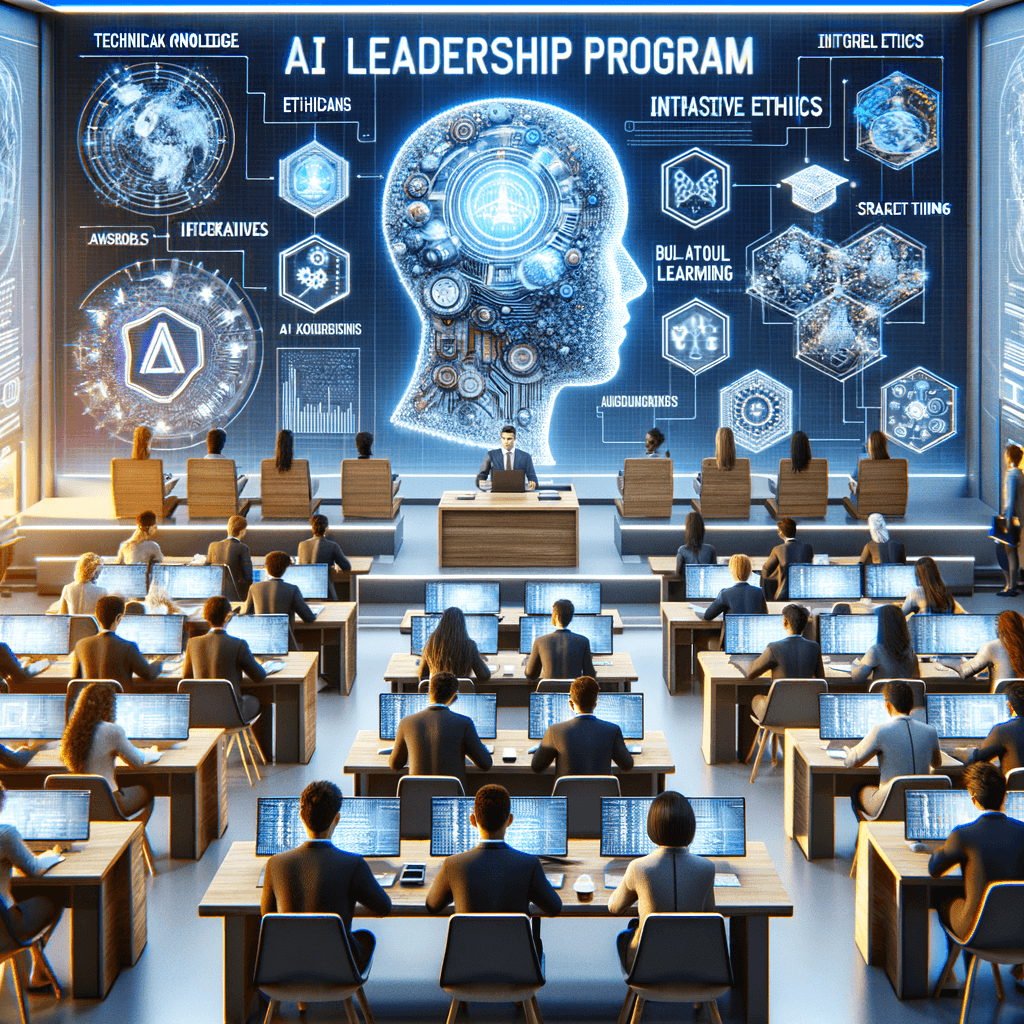
AI is poised to change our economy, our society, our government, and our way of life. What those changes will be, whether they will be good or bad, and whether the public wants them are open questions. But we are forging ahead with AI anyway.
At the very least, such an impending upheaval requires reflection and planning. Sam Altman, CEO of OpenAI whose release of ChatGPT ignited the AI revolution, has issued a position paper designed to forward–and direct–that discussion entitled Industrial Policy for the Intelligence Age: Ideas to Keep People First. Here is part of the opening:
In just a few years, AI has progressed from systems capable of fast, narrow tasks to models that can perform general tasks people used to need hours to do. Now, we’re beginning a transition toward superintelligence: AI systems capable of outperforming the smartest humans even when they are assisted by AI. No one knows exactly how this transition will unfold. At OpenAI, we believe we should navigate it through a democratic process that gives people real power to shape the AI future they want, and prepare for a range of possible outcomes while building the capacity to adapt. That’s what this document is for—to start a conversation about governing advanced AI in ways that keep people first.
The document is filled with noble sentiments, expressing a commitment to “democracy” and the good of the “people,” as well as policy proposals that will protect and advance the AI industry.
Mike Allen and Jim VandeHei discuss the paper for Axios in an article entitled Behind the Curtain: Sam’s superintelligence New Deal. Here is their summary of the highlights:
(1) A Public Wealth Fund. OpenAI proposes giving every American citizen a direct stake in AI-driven economic growth through a nationally managed fund, seeded in part by AI companies themselves, that “could invest in diversified, long-term assets that capture growth in both AI companies and the broader set of firms adopting and deploying AI.” This is the most radical idea in the document.
(2) Robot taxes. The document floats “taxes related to automated labor,” and shifting the tax base from payroll toward capital gains and corporate income — since AI could hollow out the wage-and-payroll revenue that funds Social Security, Medicaid and SNAP.
(3) A four-day workweek. OpenAI suggests incentivizing companies and unions to run pilots of 32-hour workweeks at full pay, converting AI-driven efficiency to time back for workers — an “efficiency dividend.”
(4) “Right to AI.” The plan frames AI access as being as foundational as literacy, electricity and internet — and says access should be affordable for workers, small businesses, schools, libraries and underserved communities.
(5) Containment playbooks for rogue AI. In the most chilling passage, OpenAI acknowledges scenarios where dangerous AI systems “cannot be easily recalled” because they’re autonomous and capable of replicating themselves. Their answer: coordination that includes government.
(6) Auto-triggering safety net. The blueprint envisions tripwires tied to economic data. When AI displacement metrics hit preset thresholds, temporary increases in public support — unemployment benefits, wage insurance, cash assistance — automatically kick in. When conditions stabilize, the measures phase out.
Sound good? But the heart of the matter is that Sam Altman and OpenAI are proposing, in the words of the title of their paper, an “Industrial Policy.” The assumption is that free market capitalism is not sufficient, or that it somehow is inadequate to this new industry.
Industrial policy is proactive government-led encouragement and development of specific strategic industries for the growth of all or part of the economy, especially in absence of sufficient private sector investments and participation. . . .
Industrial policies are interventionist measures typical of mixed economy countries.
A mixed economy is defined as “an economic system that includes both elements associated with capitalism, such as private businesses, and with socialism, such as nationalized government services.”
As that Wikipedia entry explains, this hybrid of private businesses and a government-controlled economy is characteristic of Fascist economics as well as that of today’s Chinese communism. Also Democratic Socialism, European-style “social democracy” welfare states, and Keynsian liberal economics.
The OpenAI document has some kind words for capitalism, as one would expect, since so-far the free-market has made tech entrepreneurs billionaires. But it goes on to say that “market forces alone aren’t sufficient” for this new industry:
In normal times, the case for letting markets work on their own is strong. Historically, competition, entrepreneurship, and open economic participation have lifted living standards and expanded opportunity. Capitalism, imperfect as it is, remains an effective system for translating human ingenuity into shared prosperity.
But industrial policy can play an important role when market forces alone aren’t sufficient—when new technologies create opportunities and risks that existing institutions aren’t equipped to manage. It can help translate scientific breakthroughs into scaled industries and broad-based economic growth.
“Existing institutions” aren’t equipped to handle this new technology, so the existing institutions need to change, which means the government must change them.
Here is what OpenAI wants the government, as well as nongovernmental institutions, to do:
A new industrial policy agenda should use government’s existing toolbox for aligning public and private activities: research funding, workforce development, market-shaping tools, and targeted regulation. But governments should not act alone. Nongovernmental institutions should pilot new approaches, measure what works, and iterate quickly, then governments should reinforce successes by aligning incentives and scaling what works through procurement, regulation, and investment. This public-private collaboration should stave off regulatory capture and centralized control, instead preserving the freedom to innovate while ensuring that the onset of superintelligence isn’t dominated by the most powerful forces in society.
The government is to align public and private activities. Provide research funding. Develop the workplace. Shape the market. Have “targeted” regulation, but not “regulatory capture” of the AI industry, ensuring its “freedom.”
The document piously says that the proposed industrial policy must make sure that “superintelligence isn’t dominated by the most powerful forces in society.” Well, that would be the tech lords who are developing “superintelligence” and the government that they are enlisting into their service.
If the tech lords really wanted “a democratic process that gives people real power to shape the AI future they want,” they should embrace a free market approach to the new technology. Free markets are governed by supply and demand. If the people do not “demand” a product, the supply will either wither away or take a different form that conforms to what people demand. If a new technology does not attract enough investment, due to investors not seeing a sufficient profit relative to the development costs, that technology will not flourish or will be taken in a different direction. Under the free market, consumers and investors could say “no” to AI, or “yes” to a much more modest version that helps them rather than hurts them.
Industrial policy uses the government to push through the product no matter what. That requires a powerful, controlling central government that tells people what to do, rather than respecting their free choices.
Republicans used to be the champions of the free market, with Democrats wanting a government-controlled economy. According to the Wikipedia article on Industrial Policy, “In the US, an industrial policy was explicitly presented for the first time by the Jimmy Carter administration in August 1980, but it was subsequently dismantled with the election of Ronald Reagan the following year.”
Today, though, both the Trump administration and its Democratic critics, for all their hostility, agree that the government should control the economy. Democrats tend to want that control to limit what companies–not just AI companies–will be allowed to do. Today’s Republicans tend to be in favor of industrial policy that takes the form of a “partnership” between corporations and the government.
“The bottom line” to the “AI New Deal” proposal, according to the Axios article, is this: “The man betting everything on superintelligence is telling the world that this thing is coming so fast, and so hard, that capitalism as we know it won’t be enough. Whether you believe the altruism or see the strategy, the admission alone is historic — and worth deep reflection.”
Illustration via EMediaAI, CC by 4.0
govenment controlled economics
Open AI's "Industrial Policy for the Intelligence Age"
Previous Post

April 15, 2026
A World Without Work?
Next Post

April 17, 2026 DISCUSS: Trump as the Messiah
Recent Comments
"Turns out, she wasn’t the right tool for the job."
"You may have just given me my next sermon opening line."
"So Katie Zacharia lasted only a demiScaramucci as press secretary......"
"Apropos to the post on Gen Z a couple days ago: "If you want the ..."
Browse Our Archives
Select a Category America Apologetics Art baseball Bible Blog Christ Church crime Culture Economics Education Ethics Family Food Football Government History Holidays Holy Week Humor International Islam Language Law Life Issues Literature Media Medicine Movies Music Nature News Personal Philosophy Politics psychology Reformation Religions Sacraments Science sex Social Science Sports technology television terrorism Theology Uncategorized Vocation war
Select a Month October 2026 September 2026 August 2026 July 2026 June 2026 May 2026 April 2026 March 2026 February 2026 January 2026 December 2025 November 2025 October 2025 September 2025 August 2025 July 2025 June 2025 May 2025 April 2025 March 2025 February 2025 January 2025 December 2024 November 2024 October 2024 September 2024 August 2024 July 2024 June 2024 May 2024 April 2024 March 2024 February 2024 January 2024 December 2023 November 2023 October 2023 September 2023 August 2023 July 2023 June 2023 May 2023 April 2023 March 2023 February 2023 January 2023 December 2022 November 2022 October 2022 September 2022 August 2022 July 2022 June 2022 May 2022 April 2022 March 2022 February 2022 January 2022 December 2021 November 2021 October 2021 September 2021 August 2021 July 2021 June 2021 May 2021 April 2021 March 2021 February 2021 January 2021 December 2020 November 2020 October 2020 September 2020 August 2020 July 2020 June 2020 May 2020 April 2020 March 2020 February 2020 January 2020 December 2019 November 2019 October 2019 September 2019 August 2019 July 2019 June 2019 May 2019 April 2019 March 2019 February 2019 January 2019 December 2018 November 2018 October 2018 September 2018 August 2018 July 2018 June 2018 May 2018 April 2018 March 2018 February 2018 January 2018 December 2017 November 2017 October 2017 September 2017 August 2017 July 2017 June 2017 May 2017 April 2017 March 2017 February 2017 January 2017 December 2016 November 2016 October 2016 September 2016 August 2016 July 2016 June 2016 May 2016 April 2016 March 2016 February 2016 January 2016 December 2015 November 2015 October 2015 September 2015 August 2015 July 2015 June 2015 May 2015 April 2015 March 2015 February 2015 January 2015 December 2014 November 2014 October 2014 September 2014 August 2014 July 2014 June 2014 May 2014 April 2014 March 2014 February 2014 January 2014 December 2013 November 2013 October 2013 September 2013 August 2013 July 2013 June 2013 May 2013 April 2013 March 2013 February 2013 January 2013 December 2012 November 2012 October 2012 September 2012 August 2012 July 2012 June 2012 May 2012 April 2012 March 2012 February 2012 January 2012 December 2011 November 2011 October 2011 September 2011 August 2011 July 2011 June 2011 May 2011 April 2011 March 2011 February 2011 January 2011 December 2010 November 2010 October 2010 September 2010 August 2010 July 2010 June 2010 May 2010 April 2010 March 2010 February 2010 January 2010 December 2009 November 2009 October 2009 September 2009 August 2009 July 2009 June 2009 May 2009 April 2009 March 2009 February 2009 January 2009 December 2008 November 2008 October 2008 September 2008 August 2008 July 2008 June 2008 May 2008 April 2008 March 2008 February 2008 January 2008 December 2007 November 2007 October 2007
Follow Us!
TAKE THE
Religious Wisdom Quiz
Where did God tell Moses to remove his shoes because it was holy ground?
Select your answer to see how you score.
Egyptian palace At the burning bush Red Sea Mount Sinai
Books by This Author Books by Gene Veith
Related posts from Cranach



Our New Book on Technology & Vocation

On Trump's Political Ads That You Paid For
TRENDING AT PATHEOS Evangelical

A new article, written by Jeff Lindsay and Gale L. Pooley,...

Swimfan: Forgotten Aughts Pleasures
This is a recovery effort. In 2002, My Big Fat Greek Wedding...

Top Three Anti-Catholic Lies About Catholicism
This is my initial transcript for the video, "THE 3 WORST...

Pope Leo Celebrates Mass for Nurses & Docs...
I don't have any idea how he did it, but Pope Leo...

The Sermon on the Mount, Part I: Matthew...
The Sermon on the Mount, Part I (Matthew 4:12-5:12) St. Matthew moves...

What's up from Crossway: Reviewing some of their latest A few weeks...
view all Evangelical blogs
What Are Your Thoughts?leave a comment
Ad-Free & Subscriber Log-In Subscription Support
- About Us
- 2026 Calendar
- Videos
- Podcasts
- Library of World Religions
- Faith In Media Tracker
- Advertise With Us
- Write for Us
- Privacy Policy
- Terms of Service
- Do Not Sell My Data
- Contact Us
- Radiant Digital
- Manage Newsletter Subscriptions
- Unsubscribe From Notifications
- Sitemap
Copyright 2008-2026, Patheos. All rights reserved.
Subscription Support Ad-Free & Subscriber Log-In
Follow Patheos