
BuddhistCatholicContemplativeEvangelicalGeneral ChristianHinduJewishLatter-day SaintMuslimNew VisionsProgressive Christian
Beliefs
- Buddhist
- Catholic
- Contemplative
- Evangelical
- General Christian
- Hindu
- Jewish
- Latter-day Saint
- More Voices
- Muslim
- New Visions
- Pagan
- Progressive Christian
Topics
- Religion News
- Food and Religion
- Sports and Religion
- Religious Art
- Religious Music and Entertainment
- Religious Events
- History and Religion
- Style and Religion
- Politics and Religion
- Women in Religion
- Recreation Outdoors and Religion
- Business Finance and Religion
- Careers Workplace and Religion
- Education and Religion
- Family Parenting and Religion
- Health Fitness and Religion
- Home and Religion
- Relationships and Religion
- Technology and Religion
- Travel and Religion
Columnists
- Buddhist Columnists
- Business Finance and Religion Columnists
- Careers Workplace and Religion Columnists
- Catholic Columnists
- Contemplative Columnists
- Education and Religion Columnists
- Evangelists Columnists
- Family Parenting and Religion Columnists
- General Christian Columnists
- Health Fitness and Religion Columnists
- Hindu Columnists
- History and Religion Columnists
- Home and Religion Columnists
- Jewish Columnists
- More Voices Columnists
- Latter Day Columnists
- Muslim Columnists
- New Visions Columnists
- Nonreligious Columnists
- Pagan Columnists
- Politics and Religion Columnists
- Progressive Columnists
- Recreation Outdoors and Religion Columnists
- Relationships and Religion Columnists
- Religion News Columnists
- Religious Art Columnists
- Religious Events Columnists
- Religious Music and Entertainment Columnists
- Sports and Religion Columnists
- Style and Religion Columnists
- Technology and Religion Columnists
- Travel and Religion Columnists
- Women in Religion Columnists
Resource Library
- 2026 Calendar
- Library of World Religions
- The 100 Most Holy Places on Earth
- Patheos Answers
- Podcasts
- Videos
- Faith Leaders Database
- Anglican Episcopalian
- Bahai
- Baptist
- Buddhism
- Christianity
- Confucianism
- Eastern Orthodoxy
- Hinduism
- Holiness and Pentecostal
- ISKCON
- Islam
- Judaism
- Lutheran
- Methodist
- The Church of Jesus Christ of Latter-day Saints
- New Age
- Paganism
- Presbytarian and Reformed
- Protestantism
- Religion Behind the Scenes
- Roman Catholic
- Scientology
- Shia Islam
- Sikhism
- Sufism
- Sunni Islam
- Taoism
- Zen
- See all religions
Research Tools
 Ad-Free & Subscriber Log-In Subscription Support
Ad-Free & Subscriber Log-In Subscription Support
Follow Patheos 

- Trending:
- Forgiveness
- |
- Marriage
- |
- Consciousness
- |
- Death Penalty
- |
- Election
- |
- Halloween

- Home
- Evangelical
- Politics and Religion
- How the Fed–and the Feds–Messed Up Our Economy
How the Fed–and the Feds–Messed Up Our Economy
Last updated on: September 29, 2022 at 6:00 am by Gene Veith
How the Fed–and the Feds–Messed Up Our Economy 2022-09-24T16:06:24-04:00 Gene Veith
Patheos Explore the world's faith through different perspectives on religion and spirituality! Patheos has the views of the prevalent religions and spiritualities of the world.
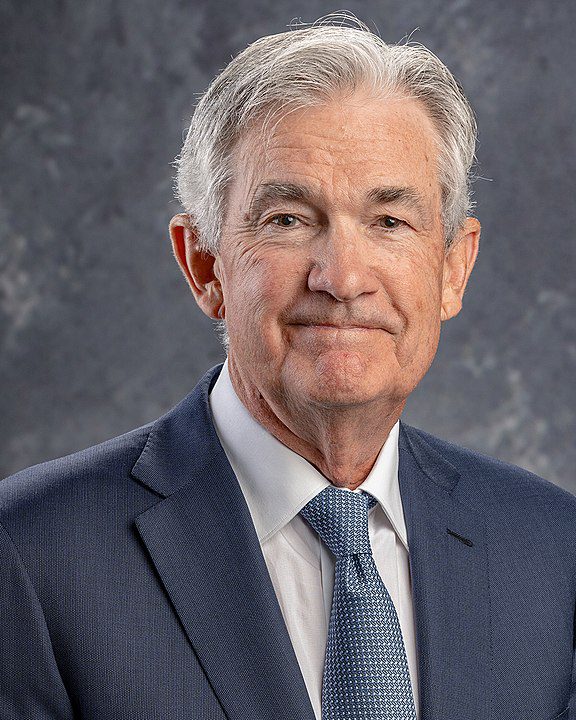
Federal Reserve chairman Jerome Powell has said that he is going to get tough on inflation, raising interest rates like his Reagan-era predecessor Paul Volcker did in the 1980s, even though that might mean “pain” in unemployment and recession. What he didn’t say is that he and his institution played a big part in making the mess that he is now trying to clean up.
Business reporter Christopher Leonard explains what happened in an article for Politico, which is emphatically not a conservative site. Read it all, but I’ll give you an excerpt, including the most lucid explanation of “quantitative easing” that I have come across.
Leonard notes that in Volcker’s day, when we last had to battle soaring inflation, the government’s debt was $907 billion, which came to 30% of the entire economy, which was considered bad enough. Now the debt is $28 trillion, which comes to 125% of the entire economy. That is to say, our government owes 25% more than the nation’s entire economic output.
It was the Fed’s own experiments that helped create all this national debt in the first place. The Fed did so through an experimental program called quantitative easing, or QE. The importance of QE can’t be overstated. Under this program, the Fed created about 9 trillion new dollars between 2008 and today. (To put that in perspective, the Fed created only about $1 trillion in its first 95 years of existence. So it has printed 900 years’ worth of money in a little over 10 years, when measured against its historic rate.) All that money was injected straight into the Wall Street banking system, pumping up the very markets, like stocks and bonds, that are now threatened by the Fed’s tightening.
Here’s how it worked: The Fed would call up a banker at a place like J.P. Morgan and ask to buy $8 billion in Treasury Bonds from the government. Only about 24 banks — including J.P. Morgan — can sell Treasury Bonds directly to the Fed because those banks had a special designation as a “primary dealer.” When the Fed buys $8 billion in Treasury Bonds from a primary dealer, it does so by creating 8 billion new dollars out of thin air. The dollars instantly appear inside a special account the banks have inside the Fed, called reserve accounts. The Fed repeated this transaction over and over again until it had created the trillions of new dollars inside Wall Street’s reserve accounts.
And here are the consequences (in addition, I would add, to inflation as more and more money chased fewer and fewer goods thanks to the pandemic and supply line crisis):
This buying spree had the secondary impact of pumping up the market for U.S. debt because it made it cheaper for the U.S. government to borrow money. It was simple supply and demand. Every time the United States went to market to sell bonds and raise money, the Fed was there as a buyer. In the year or so after the Covid pandemic began, there were periods when the Fed was buying the vast majority of U.S. debt being sold. This meant that the government didn’t have to offer to pay high interest rates to entice people to buy its debt; the Fed was always there to buy. This kept 10-year-Treasury interest rates historically low since 2009. During 2020, when the Fed was buying trillions in Treasurys, the rate was almost zero. It’s hard to overstate what a huge effect this had on the ability of the U.S. government to borrow money. By May of this year, the Fed owned 25 percent of all outstanding U.S. Treasury bonds. It owned 38 percent of all long-term Treasury bonds that mature in 10 or 30 years.
The abundance of cheap debt has helped Washington borrow record amounts of money to pull off a seemingly impossible fiscal trick: increasing spending each year while also cutting taxes. This means that the government has borrowed about as much money as it actually raised in taxes this year, making annual deficits a normal part of the budget rather than something done in times of emergency.
Now that the Fed is raising interest rates, government borrowing gets more and more expensive. “All of this means the fastest growing part of the U.S. budget could be the line item to pay interest costs,” Leonard concludes. He quotes the president of the Committee for a Responsible Federal Budget: “’Whether you’re a big government person who wants to spend a lot more, or a small government person who wants spending to come down, neither of those gets first claim to the dollar. The first claim on dollars is always interest payments,’ MacGuineas said. ‘It’s absolutely going to crowd out other priorities.’”
Already our interest payments come to $590 billion, which is about what we pay for national defense. And it’s going to get much, much worse. How, for example, will we be able to pay more for national defense in order to replace all of the military equipment we abandoned in Afghanistan and have given to Ukraine? Let alone invest in the upgrades and new technology necessary to hold our own with China? Add in other priorities that you think the government should be spending on.
Can’t we keep borrowing our way out of the problem? Leonard says that without the Fed buying the treasuries, the government is having a harder time selling them. He cites recent auctions that had a record low number of participants bidding for them, with foreigners not wanting to buy American debt as they used to. Can’t we just keep raising the rates we pay until they do? Well, that would raise interest rates even more for the entire economy. The point is, the entire global financial system is now at risk, thanks to the Fed’s “experiment,” and there may not be anyone to bail us out.
Taxes will have to be raised dramatically. And/or government spending will have to be cut dramatically. Perhaps that second alternative would be a happy ending, leading to the smaller government that conservatives have been calling for.
Yes, Jerome Powell was appointed by President Trump, who benefited from his ability to cut taxes while presiding over a flush economy, and President Biden was happy to reappoint him to help finance his gargantuan spending sprees. But Powell wasn’t the first to practice Quantitative Easing, which began under George W. Bush, continued through the Obama Administration, and became an accepted tool in the course of dealing with the financial crises of the 2008 housing market collapse and the COVID shutdown.
But the day of reckoning approacheth.
Do you know of any politicians who have a plan to set our financial house back in order?
Photo by Federalreserve – Official portrait of Jerome H. Powell, Chair: Powell_Jerome_Aug_16_22-674_8x10, Public Domain, https://commons.wikimedia.org/w/index.php?curid=122785274
Business, Finance and Religion
Previous Post

September 28, 2022
A Global Study of Religion & Media
Next Post

September 30, 2022 DISCUSS: The GOP's New Contract with America
Recent Comments
"While she worked for Trump she was a tool's tool!"
"I know wired earbuds are making a comeback (I never stopped using them as I ..."
"VCRs, tape decks, and cassette players are all having a revival among a segment of ..."
"As a (retired) lawyer I see potential liability from sharing things like power or sharp ..."
Browse Our Archives
Select a Category America Apologetics Art baseball Bible Blog Christ Church crime Culture Economics Education Ethics Family Food Football Government History Holidays Holy Week Humor International Islam Language Law Life Issues Literature Media Medicine Movies Music Nature News Personal Philosophy Politics psychology Reformation Religions Sacraments Science sex Social Science Sports technology television terrorism Theology Uncategorized Vocation war
Select a Month October 2026 September 2026 August 2026 July 2026 June 2026 May 2026 April 2026 March 2026 February 2026 January 2026 December 2025 November 2025 October 2025 September 2025 August 2025 July 2025 June 2025 May 2025 April 2025 March 2025 February 2025 January 2025 December 2024 November 2024 October 2024 September 2024 August 2024 July 2024 June 2024 May 2024 April 2024 March 2024 February 2024 January 2024 December 2023 November 2023 October 2023 September 2023 August 2023 July 2023 June 2023 May 2023 April 2023 March 2023 February 2023 January 2023 December 2022 November 2022 October 2022 September 2022 August 2022 July 2022 June 2022 May 2022 April 2022 March 2022 February 2022 January 2022 December 2021 November 2021 October 2021 September 2021 August 2021 July 2021 June 2021 May 2021 April 2021 March 2021 February 2021 January 2021 December 2020 November 2020 October 2020 September 2020 August 2020 July 2020 June 2020 May 2020 April 2020 March 2020 February 2020 January 2020 December 2019 November 2019 October 2019 September 2019 August 2019 July 2019 June 2019 May 2019 April 2019 March 2019 February 2019 January 2019 December 2018 November 2018 October 2018 September 2018 August 2018 July 2018 June 2018 May 2018 April 2018 March 2018 February 2018 January 2018 December 2017 November 2017 October 2017 September 2017 August 2017 July 2017 June 2017 May 2017 April 2017 March 2017 February 2017 January 2017 December 2016 November 2016 October 2016 September 2016 August 2016 July 2016 June 2016 May 2016 April 2016 March 2016 February 2016 January 2016 December 2015 November 2015 October 2015 September 2015 August 2015 July 2015 June 2015 May 2015 April 2015 March 2015 February 2015 January 2015 December 2014 November 2014 October 2014 September 2014 August 2014 July 2014 June 2014 May 2014 April 2014 March 2014 February 2014 January 2014 December 2013 November 2013 October 2013 September 2013 August 2013 July 2013 June 2013 May 2013 April 2013 March 2013 February 2013 January 2013 December 2012 November 2012 October 2012 September 2012 August 2012 July 2012 June 2012 May 2012 April 2012 March 2012 February 2012 January 2012 December 2011 November 2011 October 2011 September 2011 August 2011 July 2011 June 2011 May 2011 April 2011 March 2011 February 2011 January 2011 December 2010 November 2010 October 2010 September 2010 August 2010 July 2010 June 2010 May 2010 April 2010 March 2010 February 2010 January 2010 December 2009 November 2009 October 2009 September 2009 August 2009 July 2009 June 2009 May 2009 April 2009 March 2009 February 2009 January 2009 December 2008 November 2008 October 2008 September 2008 August 2008 July 2008 June 2008 May 2008 April 2008 March 2008 February 2008 January 2008 December 2007 November 2007 October 2007
Follow Us!
TAKE THE
Religious Wisdom Quiz
Which Christian principle is in "Do unto others as you would have them do unto you"?
Select your answer to see how you score.
The Golden Rule Keep to yourself Always judge Never forgive
Books by This Author Books by Gene Veith
Related posts from Cranach


On Trump's Political Ads That You Paid For

How the Integralists Are Like the Socialists
TRENDING AT PATHEOS Evangelical

Looking at the Largest Orthodox Cathedral on Earth
There is often a considerable amount of anger and, shall we...

The Problem with False Prophets
Miller’s Station UMC| 10/18/26| Anchor Verse: Jeremiah 23: 1, 9-23 I...

Emotion in Early Christianity by Andrew Crislip
Andrew Crislip’s Emotion in Early Christianity examines an often overlooked dimension of...

16 Spiritual Touchstones for a More Grounded Life
After decades of spiritual study, here are 16 principles I try...

Catholic Evangelization: Sharing Your Faith Every Day
Welcome back to the Graceful Awakening mini-series called, “From Faith to Mission.” ...

The Pillar of the Boatmen: the Ancient Monument...
The Pillar of the Boatmen is a Romano-Gaulish sculpture that dates from...
view all Evangelical blogs
What Are Your Thoughts?leave a comment
Ad-Free & Subscriber Log-In Subscription Support
- About Us
- 2026 Calendar
- Videos
- Podcasts
- Library of World Religions
- Faith In Media Tracker
- Advertise With Us
- Write for Us
- Privacy Policy
- Terms of Service
- Do Not Sell My Data
- Contact Us
- Radiant Digital
- Manage Newsletter Subscriptions
- Unsubscribe From Notifications
- Sitemap
Copyright 2008-2026, Patheos. All rights reserved.
Subscription Support Ad-Free & Subscriber Log-In
Follow Patheos