
BuddhistCatholicContemplativeEvangelicalGeneral ChristianHinduJewishLatter-day SaintMuslimNew VisionsProgressive Christian
Beliefs
- Buddhist
- Catholic
- Contemplative
- Evangelical
- General Christian
- Hindu
- Jewish
- Latter-day Saint
- More Voices
- Muslim
- New Visions
- Pagan
- Progressive Christian
Topics
- Religion News
- Food and Religion
- Sports and Religion
- Religious Art
- Religious Music and Entertainment
- Religious Events
- History and Religion
- Style and Religion
- Politics and Religion
- Women in Religion
- Recreation Outdoors and Religion
- Business Finance and Religion
- Careers Workplace and Religion
- Education and Religion
- Family Parenting and Religion
- Health Fitness and Religion
- Home and Religion
- Relationships and Religion
- Technology and Religion
- Travel and Religion
Columnists
- Buddhist Columnists
- Business Finance and Religion Columnists
- Careers Workplace and Religion Columnists
- Catholic Columnists
- Contemplative Columnists
- Education and Religion Columnists
- Evangelists Columnists
- Family Parenting and Religion Columnists
- General Christian Columnists
- Health Fitness and Religion Columnists
- Hindu Columnists
- History and Religion Columnists
- Home and Religion Columnists
- Jewish Columnists
- More Voices Columnists
- Latter Day Columnists
- Muslim Columnists
- New Visions Columnists
- Nonreligious Columnists
- Pagan Columnists
- Politics and Religion Columnists
- Progressive Columnists
- Recreation Outdoors and Religion Columnists
- Relationships and Religion Columnists
- Religion News Columnists
- Religious Art Columnists
- Religious Events Columnists
- Religious Music and Entertainment Columnists
- Sports and Religion Columnists
- Style and Religion Columnists
- Technology and Religion Columnists
- Travel and Religion Columnists
- Women in Religion Columnists
Resource Library
- 2026 Calendar
- Library of World Religions
- The 100 Most Holy Places on Earth
- Patheos Answers
- Podcasts
- Videos
- Faith Leaders Database
- Anglican Episcopalian
- Bahai
- Baptist
- Buddhism
- Christianity
- Confucianism
- Eastern Orthodoxy
- Hinduism
- Holiness and Pentecostal
- ISKCON
- Islam
- Judaism
- Lutheran
- Methodist
- The Church of Jesus Christ of Latter-day Saints
- New Age
- Paganism
- Presbytarian and Reformed
- Protestantism
- Religion Behind the Scenes
- Roman Catholic
- Scientology
- Shia Islam
- Sikhism
- Sufism
- Sunni Islam
- Taoism
- Zen
- See all religions
Research Tools
 Ad-Free & Subscriber Log-In Subscription Support
Ad-Free & Subscriber Log-In Subscription Support
Follow Patheos 

- Trending:
- Forgiveness
- |
- Marriage
- |
- Consciousness
- |
- Death Penalty
- |
- Election
- |
- Halloween

- Home
- Evangelical
- Politics and Religion
- The Natural Virtues, the Theological Virtues, & the Commandments
The Natural Virtues, the Theological Virtues, & the Commandments
Last updated on: September 13, 2017 at 6:00 am by Gene Veith
The Natural Virtues, the Theological Virtues, & the Commandments 2017-09-12T20:41:22-04:00 Gene Veith
Patheos Explore the world's faith through different perspectives on religion and spirituality! Patheos has the views of the prevalent religions and spiritualities of the world.
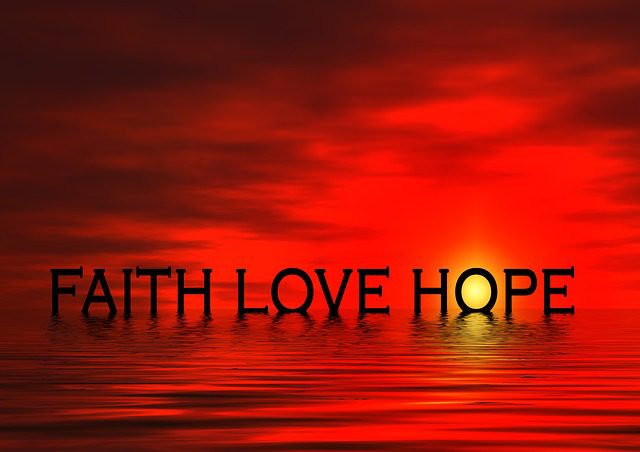
In thinking about “virtue ethics” and the Christian life, it is important not to confuse “virtues” with “moral truths.” A “virtue,” which literally means “strength,” is a character trait. A “moral truth” is an absolute tied to God’s Law. These two can be related, but they aren’t always. And when we consider the cultivation of virtue, we need to keep in mind the distinction between “natural virtues,” which can be taught, and the “theological virtues,” which are a gift of God.
Classical thought–as found in the Greeks and Romans and adapted by the early Christians–identified four virtues. These became known as the “cardinal virtues” (from the word for “hinge,” since other virtues hinge on these), or the “natural virtues,” since they can be mastered by nature, even by non-believers. They are, to use Wikipedia’s useful list and explanation, as follows:
- Prudence (φρόνησις, phronēsis; Latin: prudentia): also described as wisdom, the ability to judge between actions with regard to appropriate actions at a given time
- Courage (ἀνδρεία, andreia; Latin: fortitudo): also termed fortitude, forbearance, strength, endurance, and the ability to confront fear, uncertainty, and intimidation
- Temperance (σωφροσύνη, sōphrosynē; Latin: temperantia): also known as restraint, the practice of self-control, abstention, discretion, and moderation tempering the appetition; especially sexually, hence the meaning chastity
- Justice (δικαιοσύνη, dikaiosynē; Latin: iustitia): also considered as fairness, the most extensive and most important virtue;[1] the Greek word also having the meaning righteousness
Each of these qualities is commended in Scripture–especially Justice–but none of them rise to the level of being included in the 10 Commandments. They say nothing about not killing, not committing adultery, and honoring parents. This is because they are not commandments or even laws. Rather, they are character traits.
Now a person who has learned temperance–that is, self-control–is in a better position to keep in check emotions that might lead to committing adultery or killing someone. But not necessarily.
Alexander the Great, who was tutored by the great father of virtue ethics Aristotle, arguably was an exemplar of the four Natural Virtues. He was a wise ruler, a courageous military commander, in control of his emotions, and fair to his troops. And yet, in the course of his brutal project to conquer the world, he arguably violated all of the Ten Commandments.
The four natural virtues have to do with becoming the kind of person who is admired and successful in the world. At best, in their moral dimension, they have to do with external, civic righteousness, the First Use of the Law (restraining evil externally so as to make human society possible).
That someone could be “virtuous” in this sense, while still being a lost sinner, by no means makes cultivation of these virtues unimportant. The Christian schools of the Reformation, as designed by Melanchthon, sought to teach these virtues. They were no substitute for Law and Gospel in the spiritual lives of their students. But a Christian equipped also with these virtues would be an effective influence in the world.
Christian educators knew that to these “natural virtues,” which even pagans could attain, the “theological virtues” must be added (1 Corinthians 13):
- Faith
- Hope
- Love
These are supernatural virtues. You don’t find faith, hope, and love in Alexander the Great. Or in Aristotle, who considered “pity” to be a weakness. You don’t find them in the heroes of classical literature. You can call these “character traits,” in the sense that they are orientations of the inner person. But they cannot be acquired by the will or by habit or by training, in the classical sense. They are gifts of God. The “character” is changed from its fleshly nature to a new spiritual nature, transformed by God’s grace through the Gospel of Christ.
Faith, Hope, and Love are cultivated by evangelism, catechesis, prayer, worship, and the Christian life. These “character traits” do manifest themselves in moral action, in following the 10 Commandments. Faith bears fruit in love and service to the neighbor. Hope causes us to live in this world in the light of our Heavenly destiny, giving us a perspective on what is important and what is unimportant in this life. Love of God and love of neighbor fulfill the Law and the Prophets.
The classical Christian schools of the Reformation sought to teach the 4 Natural Virtues (by studying the ancient moralists, reading inspiring literature, and practicing the habits of prudence, fortitude, and temperance necessitated by a rigorous education) and the 3 Theological Virtues (by immersion in God’s Word).
This gave a total of 7 Virtues (to counter the 7 Deadly Sins). Both kinds of virtues were cultivated in order to equip young people both for success in vocation in the world (in the family, workplace, church, and society) and for eternal life in the world to come.
Illustration by geralt, Pixabay, CC0, Creative Commons
Previous Post

September 13, 2017
Most Hurricane Relief Is Faith-based
Next Post

September 14, 2017 The Medicare for All Act
Recent Comments
"I know wired earbuds are making a comeback (I never stopped using them as I ..."
"VCRs, tape decks, and cassette players are all having a revival among a segment of ..."
"As a (retired) lawyer I see potential liability from sharing things like power or sharp ..."
"I am not sure the items you mentioned, though disused, discontinued, discarded, could be considered ..."
Browse Our Archives
Select a Category America Apologetics Art baseball Bible Blog Christ Church crime Culture Economics Education Ethics Family Food Football Government History Holidays Holy Week Humor International Islam Language Law Life Issues Literature Media Medicine Movies Music Nature News Personal Philosophy Politics psychology Reformation Religions Sacraments Science sex Social Science Sports technology television terrorism Theology Uncategorized Vocation war
Select a Month October 2026 September 2026 August 2026 July 2026 June 2026 May 2026 April 2026 March 2026 February 2026 January 2026 December 2025 November 2025 October 2025 September 2025 August 2025 July 2025 June 2025 May 2025 April 2025 March 2025 February 2025 January 2025 December 2024 November 2024 October 2024 September 2024 August 2024 July 2024 June 2024 May 2024 April 2024 March 2024 February 2024 January 2024 December 2023 November 2023 October 2023 September 2023 August 2023 July 2023 June 2023 May 2023 April 2023 March 2023 February 2023 January 2023 December 2022 November 2022 October 2022 September 2022 August 2022 July 2022 June 2022 May 2022 April 2022 March 2022 February 2022 January 2022 December 2021 November 2021 October 2021 September 2021 August 2021 July 2021 June 2021 May 2021 April 2021 March 2021 February 2021 January 2021 December 2020 November 2020 October 2020 September 2020 August 2020 July 2020 June 2020 May 2020 April 2020 March 2020 February 2020 January 2020 December 2019 November 2019 October 2019 September 2019 August 2019 July 2019 June 2019 May 2019 April 2019 March 2019 February 2019 January 2019 December 2018 November 2018 October 2018 September 2018 August 2018 July 2018 June 2018 May 2018 April 2018 March 2018 February 2018 January 2018 December 2017 November 2017 October 2017 September 2017 August 2017 July 2017 June 2017 May 2017 April 2017 March 2017 February 2017 January 2017 December 2016 November 2016 October 2016 September 2016 August 2016 July 2016 June 2016 May 2016 April 2016 March 2016 February 2016 January 2016 December 2015 November 2015 October 2015 September 2015 August 2015 July 2015 June 2015 May 2015 April 2015 March 2015 February 2015 January 2015 December 2014 November 2014 October 2014 September 2014 August 2014 July 2014 June 2014 May 2014 April 2014 March 2014 February 2014 January 2014 December 2013 November 2013 October 2013 September 2013 August 2013 July 2013 June 2013 May 2013 April 2013 March 2013 February 2013 January 2013 December 2012 November 2012 October 2012 September 2012 August 2012 July 2012 June 2012 May 2012 April 2012 March 2012 February 2012 January 2012 December 2011 November 2011 October 2011 September 2011 August 2011 July 2011 June 2011 May 2011 April 2011 March 2011 February 2011 January 2011 December 2010 November 2010 October 2010 September 2010 August 2010 July 2010 June 2010 May 2010 April 2010 March 2010 February 2010 January 2010 December 2009 November 2009 October 2009 September 2009 August 2009 July 2009 June 2009 May 2009 April 2009 March 2009 February 2009 January 2009 December 2008 November 2008 October 2008 September 2008 August 2008 July 2008 June 2008 May 2008 April 2008 March 2008 February 2008 January 2008 December 2007 November 2007 October 2007
Follow Us!
TAKE THE
Religious Wisdom Quiz
What does the Bible say about pride?
Select your answer to see how you score.
It's ignored It's always good Pride is the best It goes before a fall
Books by This Author Books by Gene Veith
Related posts from Cranach



Our New Book on Technology & Vocation

Gen Z Wants Evildoers to Be Punished, Not...
TRENDING AT PATHEOS Evangelical

Methodist Central Hall and Westminster Abbey
Situated on the same square is Methodist Central Hall and Westminster Abbey. ...

57th Dove Awards Honor Dolly Parton, Crown New...
On gospel music’s biggest night, the 57th annual GMA Dove Awards honored...

The First Eucharistic Controversy: Christ’s Real Presence
For Catholics, the Eucharist is the source and summit of the Christian...

What a Stop Sign Can Teach Us About...
How to Make a Decision When You Can't Hear God Main point:...

Archdiocese Hosts Military Marriage Retreat in Germany
RASTATT, Germany — The transient military lifestyle, with its frequent deployments and...

Nearly every morning, I make the drive to Detroit with my high-school-age...
view all Evangelical blogs
What Are Your Thoughts?leave a comment
Ad-Free & Subscriber Log-In Subscription Support
- About Us
- 2026 Calendar
- Videos
- Podcasts
- Library of World Religions
- Faith In Media Tracker
- Advertise With Us
- Write for Us
- Privacy Policy
- Terms of Service
- Do Not Sell My Data
- Contact Us
- Radiant Digital
- Manage Newsletter Subscriptions
- Unsubscribe From Notifications
- Sitemap
Copyright 2008-2026, Patheos. All rights reserved.
Subscription Support Ad-Free & Subscriber Log-In
Follow Patheos