
BuddhistCatholicContemplativeEvangelicalGeneral ChristianHinduJewishLatter-day SaintMuslimNew VisionsProgressive Christian
Beliefs
- Buddhist
- Catholic
- Contemplative
- Evangelical
- General Christian
- Hindu
- Jewish
- Latter-day Saint
- More Voices
- Muslim
- New Visions
- Pagan
- Progressive Christian
Topics
- Religion News
- Food and Religion
- Sports and Religion
- Religious Art
- Religious Music and Entertainment
- Religious Events
- History and Religion
- Style and Religion
- Politics and Religion
- Women in Religion
- Recreation Outdoors and Religion
- Business Finance and Religion
- Careers Workplace and Religion
- Education and Religion
- Family Parenting and Religion
- Health Fitness and Religion
- Home and Religion
- Relationships and Religion
- Technology and Religion
- Travel and Religion
Columnists
- Buddhist Columnists
- Business Finance and Religion Columnists
- Careers Workplace and Religion Columnists
- Catholic Columnists
- Contemplative Columnists
- Education and Religion Columnists
- Evangelists Columnists
- Family Parenting and Religion Columnists
- General Christian Columnists
- Health Fitness and Religion Columnists
- Hindu Columnists
- History and Religion Columnists
- Home and Religion Columnists
- Jewish Columnists
- More Voices Columnists
- Latter Day Columnists
- Muslim Columnists
- New Visions Columnists
- Nonreligious Columnists
- Pagan Columnists
- Politics and Religion Columnists
- Progressive Columnists
- Recreation Outdoors and Religion Columnists
- Relationships and Religion Columnists
- Religion News Columnists
- Religious Art Columnists
- Religious Events Columnists
- Religious Music and Entertainment Columnists
- Sports and Religion Columnists
- Style and Religion Columnists
- Technology and Religion Columnists
- Travel and Religion Columnists
- Women in Religion Columnists
Resource Library
- 2026 Calendar
- Library of World Religions
- The 100 Most Holy Places on Earth
- Patheos Answers
- Podcasts
- Videos
- Faith Leaders Database
- Anglican Episcopalian
- Bahai
- Baptist
- Buddhism
- Christianity
- Confucianism
- Eastern Orthodoxy
- Hinduism
- Holiness and Pentecostal
- ISKCON
- Islam
- Judaism
- Lutheran
- Methodist
- The Church of Jesus Christ of Latter-day Saints
- New Age
- Paganism
- Presbytarian and Reformed
- Protestantism
- Religion Behind the Scenes
- Roman Catholic
- Scientology
- Shia Islam
- Sikhism
- Sufism
- Sunni Islam
- Taoism
- Zen
- See all religions
Research Tools
 Ad-Free & Subscriber Log-In Subscription Support
Ad-Free & Subscriber Log-In Subscription Support
Follow Patheos 

- Trending:
- Forgiveness
- |
- Marriage
- |
- Consciousness
- |
- Death Penalty
- |
- Election
- |
- Halloween

- Home
- Progressive Christian
- We Had Hoped
We Had Hoped
Last updated on: April 16, 2017 at 7:30 am by Vance Morgan
We Had Hoped 2017-04-14T17:25:49-04:00 Vance Morgan
Patheos Explore the world's faith through different perspectives on religion and spirituality! Patheos has the views of the prevalent religions and spiritualities of the world.
 “Now abide faith, hope, and love; but the greatest of these is love.” These concluding words from chapter thirteen of Paul’s First Letter to the Corinthians are heard at many, perhaps most, weddings. Everyone wants to believe that love is the greatest, especially on their wedding day. Faith seems to be part of my DNA—challenging it, trying to get rid of it, redefining it, being confused by it, and generally struggling with the “f-word” (as I call it in the classroom) has shaped me for as long as I can remember. I’m not so sure about hope. A few years ago I asked Jeanne what she thought the opposite of faith is. She first answered “despair,” then immediately took it back saying “I guess despair’s the opposite of hope.” After a quick check on Google, I found that she was right (again).
  The immediate etymological root of “despair” is the Old French despoir: hopelessness. So what is hope?
Although Easter is certainly about love and faith, I think it is mostly about hope. There is no shortage of material to consider on Easter—the empty tomb, Peter and John racing to take a look, the authorities scrambling to explain what happened, the poignant exchange between Mary Magdalene and Jesus. Perhaps my favorite Easter-related story is Luke’s account of the disciples on the road to Emmaus.![On-the-road-to-Emmaus[1]](https://wp-media.patheos.com/blogs/sites/766/2013/03/on-the-road-to-emmaus1.jpg) It’s such a human story—the bitter sadness and devastation of Cleopas and his unnamed companion (call him George) is palpable. The usual spin on the story is, of course, that Jesus is risen and walking with them, and Cleopas and George are either too dense or blinded by tears to know it’s him. Jesus gives them a free theology lesson, and as soon as they recognize him after he breaks the bread at lunch he vanishes. What a guy—the amazing, vanishing Jesus! It says something (I’m not sure what) about me that I always thought the ending of the story was funny when I was young. Young Baptist boys have to get their laughs where they can find them. But three words are particularly resonant:
It’s such a human story—the bitter sadness and devastation of Cleopas and his unnamed companion (call him George) is palpable. The usual spin on the story is, of course, that Jesus is risen and walking with them, and Cleopas and George are either too dense or blinded by tears to know it’s him. Jesus gives them a free theology lesson, and as soon as they recognize him after he breaks the bread at lunch he vanishes. What a guy—the amazing, vanishing Jesus! It says something (I’m not sure what) about me that I always thought the ending of the story was funny when I was young. Young Baptist boys have to get their laughs where they can find them. But three words are particularly resonant: ![despair[1]](https://wp-media.patheos.com/blogs/sites/766/2013/03/despair1.jpg) “We had hoped that it was He who was going to redeem Israel.” We had hoped. And our hope was in vain.
“We had hoped that it was He who was going to redeem Israel.” We had hoped. And our hope was in vain.
Hope is a tough nut to crack—of the big three at the end of the passage in I Corinthians, love and faith strike me as easier to get a handle on. Every human life is marked by “we had hoped” moments that we never quite get over. I hoped that I would be concert pianist. Jeanne hoped she would marry someone who knows how to dance. But the dashed hopes of Cleopas and George are far more crushing. It’s easy to criticize Cleopas and George for failing to recognize that what they had hoped for was walking with them for seven miles, but that’s actually not true. True, Jesus does turn out to “redeem Israel,” and everybody else for that matter, but that’s not the redemption Cleopas, George and others were hoping for, a political redemption![The_Road_To_Emmaus[1]](https://wp-media.patheos.com/blogs/sites/766/2013/03/the_road_to_emmaus1.jpg) and establishment of an earthly kingdom by the Messiah. And it’s very telling that the Jesus-guided tour through the Old Testament touching on prophetic texts indicating that the Messiah would suffer and die doesn’t do anything for Cleopas and George. It’s not until the three of them have a meal, a human experience rather than a classroom experience, that they see it’s been Jesus all the time.
and establishment of an earthly kingdom by the Messiah. And it’s very telling that the Jesus-guided tour through the Old Testament touching on prophetic texts indicating that the Messiah would suffer and die doesn’t do anything for Cleopas and George. It’s not until the three of them have a meal, a human experience rather than a classroom experience, that they see it’s been Jesus all the time.
That is where the story usually ends, but it gets even more interesting. Cleopas and George run back to Jerusalem and report to the disciples what happened; in the middle of their story, the amazing, vanishing Jesus reappears! ![risen[1]](https://wp-media.patheos.com/blogs/sites/766/2013/03/risen1.jpg) And another human, all too human moment—Cleopas, George, the eleven disciples, and everyone else are scared shitless. They think he’s a ghost. It’s not until Jesus lets them check out his body with its scars and eats a piece of fish in front of them that they realize it’s really him. The whole story is fraught with humor, fallibility, and humanity. Entertaining, yes; but what is God up to?
And another human, all too human moment—Cleopas, George, the eleven disciples, and everyone else are scared shitless. They think he’s a ghost. It’s not until Jesus lets them check out his body with its scars and eats a piece of fish in front of them that they realize it’s really him. The whole story is fraught with humor, fallibility, and humanity. Entertaining, yes; but what is God up to?
![Amazing-Grace-Norris-Kathleen-9781573227216[1]](https://wp-media.patheos.com/blogs/sites/766/2013/03/amazing-grace-norris-kathleen-97815732272161.jpg) In her wonderful book Amazing Grace, Kathleen Norris asks “Does it ever surprise you that God chooses to be revealed in so fallible a fashion?” Well as a matter of fact, Kathleen, yes it does. All the time. Even when our greatest hopes are satisfied, it’s always in some sideways, back door, behind the scenes, fuzzy and oblique sort of way. And that can be frustrating. As I participated in the various Holy Week services this past week, it continually struck me that Jesus’ resurrection, the most spectacular and crucial event in human history, is surrounded by so many instances of mistaken identity, fumbling around, uncertainty, and missteps that it is truly comical.
In her wonderful book Amazing Grace, Kathleen Norris asks “Does it ever surprise you that God chooses to be revealed in so fallible a fashion?” Well as a matter of fact, Kathleen, yes it does. All the time. Even when our greatest hopes are satisfied, it’s always in some sideways, back door, behind the scenes, fuzzy and oblique sort of way. And that can be frustrating. As I participated in the various Holy Week services this past week, it continually struck me that Jesus’ resurrection, the most spectacular and crucial event in human history, is surrounded by so many instances of mistaken identity, fumbling around, uncertainty, and missteps that it is truly comical.
But it makes perfect sense, and brings the central pillars of the Christian faith—the Incarnation, the Crucifixion and the Resurrection—together. The whole idea of incarnation, of God becoming human through and through, is outrageous and ludicrous at its core. What self-respecting creator of the universe would do it this way? Only one that loves what was created so much that becoming part of it, miraculously, is not only not a step down but is actually the only way to accomplish what has to be accomplished. We know that we are flawed, incomplete, jumbled and messed up creatures, so why should we be surprised that our hopes get addressed in that way?  The divinely infused cycle of death and resurrection is around us everywhere, in nature coming alive after a long winter, in church services populated by octogenarians and toddlers, in the annual arrival of new late teens ready to be taught on campus, just to name a few examples from my own daily life. It is not at all surprising that the resurrected Jesus, the hope of the world, was revealed in the midst of the daily and mundane rather than in power and glory. Kathleen once again: “In a religion based on a human incarnation of the divine, when ideology battles experience, it is fallible, ordinary experience that must win.”
Previous Post

April 15, 2017
Mortals Die, and are Laid Low
Next Post
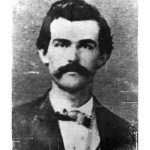
April 20, 2017 Dodge City Ethics
Browse Our Archives
Select a Category abortion Advent AI Angels Artificial intelligence atheism attention baptism Baptists beauty belief Benedictines Bible bicycling Big Bird books Bovina Camaldoli hermitage Canada Catholicism cats certainty change Christianity Christmas Collegeville Covid-19 creativity Development of Western Civilization dogs doubt Easter Enneagram Epiphany Episcopal ethics Eucharist evil extroverts Facebook faith family fear flowers forgiveness freedom friends God goodness grace happiness heaven hell history Holy Spirit Holy Week hope human nature humility humor idolatry incarnation introverts irreverence Islam Jeanne Jesus Joe Biden joy Judaism justice Kamala Harris knowledge Lent listen literature liturgy love Marsue Memorial Day miracles movies music mystery mythology NPR Old Testament optimism paradox peace Penguins philosophy piano podcast politics power prayer Protestantism Providence College Religion Rhode Island sabbatical sacrament science seeing silence Simone Weil Socrates soul sports St. John's College stories suffering tattoo teaching technology television theology thinking time tolerance transcendence travel trees trust truth Uncategorized Vermont wisdom wonder writing
Select a Month May 2026 April 2026 March 2026 February 2026 January 2026 December 2025 November 2025 October 2025 September 2025 August 2025 July 2025 June 2025 May 2025 April 2025 March 2025 February 2025 January 2025 December 2024 November 2024 October 2024 September 2024 August 2024 July 2024 June 2024 May 2024 April 2024 March 2024 February 2024 January 2024 December 2023 November 2023 October 2023 September 2023 August 2023 July 2023 June 2023 May 2023 April 2023 March 2023 February 2023 January 2023 December 2022 November 2022 October 2022 September 2022 August 2022 July 2022 June 2022 May 2022 April 2022 March 2022 February 2022 January 2022 December 2021 November 2021 October 2021 September 2021 August 2021 July 2021 June 2021 May 2021 April 2021 March 2021 February 2021 January 2021 December 2020 November 2020 October 2020 September 2020 August 2020 July 2020 June 2020 May 2020 April 2020 March 2020 February 2020 January 2020 December 2019 November 2019 October 2019 September 2019 August 2019 July 2019 June 2019 May 2019 April 2019 March 2019 February 2019 January 2019 December 2018 November 2018 October 2018 September 2018 August 2018 July 2018 June 2018 May 2018 April 2018 March 2018 February 2018 January 2018 December 2017 November 2017 October 2017 September 2017 August 2017 July 2017 June 2017 May 2017 April 2017 March 2017 February 2017 January 2017 December 2016 November 2016 October 2016 September 2016 August 2016 July 2016 June 2016 May 2016 April 2016 March 2016 February 2016 January 2016 December 2015 November 2015 October 2015 September 2015 August 2015 July 2015 June 2015 May 2015 April 2015 March 2015 February 2015 January 2015 December 2014 November 2014 October 2014 September 2014 August 2014 July 2014 June 2014 May 2014 April 2014 March 2014 February 2014 January 2014 December 2013 November 2013 October 2013 September 2013 August 2013 July 2013 June 2013 May 2013 April 2013 March 2013 February 2013 January 2013 December 2012 November 2012 October 2012 September 2012
Follow Us!
TAKE THE
Religious Wisdom Quiz
Which Christian group worships mainly on Saturday, not Sunday?
Select your answer to see how you score.
Seventh-day Adventist Orthodox Catholic Methodist
Books by This Author Books by Vance G. Morgan
Related posts from Freelance Christianity

The Lonely Pawn: On Faith, Doubt, and Meaning


AI and Love: When a Chatbot Becomes a...

TRENDING AT PATHEOS Progressive Christian

What Being a Modern-Day Apostle Means to Me
In my last column, I discussed the ins and outs of modern-day...

Did Ancient China Once Worship the God of...
Across human history, a common thread weaves through the origins of the...

Love Your Neighbor – Including Earth-Kin: Lev. 19,...
God’s command to love your neighbor means acting in an ethical and...

Lead a Church Study of “Jesus and Lao...
Guest writer Jack Thomas (The Irreverent Reverend) reflects on leading his church...

Pastoral Wisdom for Responding to Sermon Pushback
Getting sermon pushback on your social justice sermon? Learn practical, Proverbs-based strategies...

Principles for Understanding the Apostolic Ministry Today
Whenever people discover that my formal ministry title is "apostle," as in...
view all Progressive Christian blogs
Ad-Free & Subscriber Log-In Subscription Support
- About Us
- 2026 Calendar
- Videos
- Podcasts
- Library of World Religions
- Faith In Media Tracker
- Advertise With Us
- Write for Us
- Privacy Policy
- Terms of Service
- Do Not Sell My Data
- Contact Us
- Radiant Digital
- Manage Newsletter Subscriptions
- Unsubscribe From Notifications
- Sitemap
Copyright 2008-2026, Patheos. All rights reserved.
Subscription Support Ad-Free & Subscriber Log-In
Follow Patheos