
BuddhistCatholicContemplativeEvangelicalGeneral ChristianHinduJewishLatter-day SaintMuslimNew VisionsProgressive Christian
Beliefs
- Buddhist
- Catholic
- Contemplative
- Evangelical
- General Christian
- Hindu
- Jewish
- Latter-day Saint
- More Voices
- Muslim
- New Visions
- Pagan
- Progressive Christian
Topics
- Religion News
- Food and Religion
- Sports and Religion
- Religious Art
- Religious Music and Entertainment
- Religious Events
- History and Religion
- Style and Religion
- Politics and Religion
- Women in Religion
- Recreation Outdoors and Religion
- Business Finance and Religion
- Careers Workplace and Religion
- Education and Religion
- Family Parenting and Religion
- Health Fitness and Religion
- Home and Religion
- Relationships and Religion
- Technology and Religion
- Travel and Religion
Columnists
- Buddhist Columnists
- Business Finance and Religion Columnists
- Careers Workplace and Religion Columnists
- Catholic Columnists
- Contemplative Columnists
- Education and Religion Columnists
- Evangelists Columnists
- Family Parenting and Religion Columnists
- General Christian Columnists
- Health Fitness and Religion Columnists
- Hindu Columnists
- History and Religion Columnists
- Home and Religion Columnists
- Jewish Columnists
- More Voices Columnists
- Latter Day Columnists
- Muslim Columnists
- New Visions Columnists
- Nonreligious Columnists
- Pagan Columnists
- Politics and Religion Columnists
- Progressive Columnists
- Recreation Outdoors and Religion Columnists
- Relationships and Religion Columnists
- Religion News Columnists
- Religious Art Columnists
- Religious Events Columnists
- Religious Music and Entertainment Columnists
- Sports and Religion Columnists
- Style and Religion Columnists
- Technology and Religion Columnists
- Travel and Religion Columnists
- Women in Religion Columnists
Resource Library
- 2026 Calendar
- Library of World Religions
- The 100 Most Holy Places on Earth
- Patheos Answers
- Podcasts
- Videos
- Faith Leaders Database
- Anglican Episcopalian
- Bahai
- Baptist
- Buddhism
- Christianity
- Confucianism
- Eastern Orthodoxy
- Hinduism
- Holiness and Pentecostal
- ISKCON
- Islam
- Judaism
- Lutheran
- Methodist
- The Church of Jesus Christ of Latter-day Saints
- New Age
- Paganism
- Presbytarian and Reformed
- Protestantism
- Religion Behind the Scenes
- Roman Catholic
- Scientology
- Shia Islam
- Sikhism
- Sufism
- Sunni Islam
- Taoism
- Zen
- See all religions
Research Tools
 Ad-Free & Subscriber Log-In Subscription Support
Ad-Free & Subscriber Log-In Subscription Support
Follow Patheos 

- Trending:
- Forgiveness
- |
- Marriage
- |
- Consciousness
- |
- Death Penalty
- |
- Election
- |
- Halloween
 The Earth is the Lord's
- Home
- Evangelical
- Nature’s Dictionary
Nature’s Dictionary
Last updated on: August 17, 2012 at 3:56 pm by Alexei Laushkin
Nature’s Dictionary 2012-08-17T15:56:44-05:00 Alexei Laushkin
Patheos Explore the world's faith through different perspectives on religion and spirituality! Patheos has the views of the prevalent religions and spiritualities of the world.
by Chuck Summers
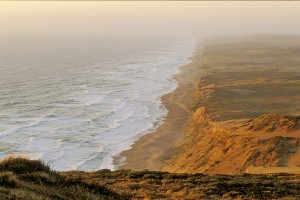
One of the primary reasons Rob and I started this blog site over three years ago was to help people see God in and through His Creation. Both the Old and New Testament teach us that God makes Himself known through the world He has made. Our lives are enriched spiritually by contact with nature. Creation is, in fact, one of God’s primary ways of speaking to us.
This past week, while reading Psalm 36, I was reminded that Creation also helps us speak to God. Pay close attention to the references to nature used in the Psalmist’s prayer: “Your love, O Lord, reaches to the heavens, your faithfulness to the skies. Your righteousness is like the mighty mountains, your justice like the great deep. O Lord, you preserve both man and beast. How priceless is your unfailing love! Both high and low among men find refuge in the shadow of your wings. They feast on the abundance of your house; you give them drink from your river of delights. For with you is the fountain of life; in your light we see light.” (vs. 5-9)

Here we see how nature not only reveals God to us but also gives us a means by which to speak of God’s greatness and our experience of Him. Whether we are speaking directly to God in prayer or talking about God to others nature equips us with metaphors and images that enable us to describe more adequately our feelings. The sky helps us describe the great scope of God’s love. The mighty mountains give us a way to portray God’s righteousness. The ocean depths illustrate the extent of God’s justice. The wings of a bird provide us with a way to depict God’s protection. God’s storehouse of treasures can be conveyed as a river of delights. The gift of life itself can be viewed as a fountain.

There are certainly many other places in the Scriptures where nature helps give the biblical writers the words they need to pray to, or speak about, God. At times you get the impression they would have been lost for words had it not been for what they saw in Creation. Even Jesus asked us to “consider the lilies” and to “look at the birds” (Matthew 6) when attempting to teach us not to worry and to trust God to take care of our needs. The apostle Paul, likewise, used imagery of nature throughout his letters to speak of the things of God. He used things like trees, seeds, and fruit to convey his message.
We are invited to follow in the steps of Jesus, Paul, and the other biblical writers. We, too, can use our observations of nature to help us pray and to speak about God. Creation can become like a dictionary for us, providing just the right word we need to express our praise or to convey our thoughts about God. If you’re not used to doing this I encourage you to give it a try. You will soon discover that there is no shortage of possibilities. Why, there are as many possibilities as there are stars in the sky or grains of sand on the shore or fish in the sea or ____________ (you fill in the blank).
-Chuck
(I took the top image of the Pacific Ocean at Point Reyes National Seashore in California; the middle image of the Russell Fork River at Breaks Interstate Park in Kentucky; and the bottom image of Mount McKinley and Wonder Lake at Denali National Park in Alaska.)
Dr. Chuck Summers is a pastor and photographer. His work has appeared in numerous national magazines and calendars. He has published three books: Kentucky: Unbridled Spirit and Beauty; A Year in the Cumberland Gap National Historical Park; and A Year in the Big South Fork National River & Recreation Area. You can view more of Chuck’s work at www.agpix.com/csummers. You can see more of his writings at SeeingCreation.com
Previous Post

August 16, 2012
The State of Coral Reefs
Next Post
August 24, 2012 CO2 Reductions Highlight Need for Made in America Clean Energy
Browse Our Archives
Select a Category Book Review Compassion for a World in Need Mercury and the Unborn Reflections on God's Creation The Christian Life The Public Square Uncategorized Worldview
Select a Month May 2014 April 2014 March 2014 January 2014 December 2013 September 2013 July 2013 June 2013 May 2013 April 2013 March 2013 February 2013 January 2013 December 2012 November 2012 October 2012 September 2012 August 2012 May 2012 April 2012 March 2012
TAKE THE
Religious Wisdom Quiz
With only 300 men, torches, and clay jars, I defeated an army as numerous as locusts. Who am I?
Select your answer to see how you score.
Samson Gideon Jephthah Barak
Related posts from The Earth is the Lord's

Caring for God's Creation is Part of a...

This Lent, Consider God's Creation

This Republican Agrees with President Obama on Climate...
Genesis 9: The Forgotten Covenant
TRENDING AT PATHEOS Evangelical

The REST of Your Life: A Creative Wrestles...
This week I had a conversation with a good friend from church....

How the author of the world's best hymn...
I've been working with John Newton for a while now. This makes...

Long before this Lectio Divina, Psalm 130 - the song - started...

What About the Trees? Another Living Parable
After I finished writing the last article about falling leaves as a...

Why Classical Education Is a Conversation, Not a...
Come and Read: Joy in Classical Education When I was a little...

Cornell University has received a great deal of negative publicity and intense...
view all Evangelical blogs
Ad-Free & Subscriber Log-In Subscription Support
- About Us
- 2026 Calendar
- Videos
- Podcasts
- Library of World Religions
- Faith In Media Tracker
- Advertise With Us
- Write for Us
- Privacy Policy
- Terms of Service
- Do Not Sell My Data
- Contact Us
- Radiant Digital
- Manage Newsletter Subscriptions
- Unsubscribe From Notifications
- Sitemap
Copyright 2008-2026, Patheos. All rights reserved.
Subscription Support Ad-Free & Subscriber Log-In
Follow Patheos