
BuddhistCatholicContemplativeEvangelicalGeneral ChristianHinduJewishLatter-day SaintMuslimNew VisionsProgressive Christian
Beliefs
- Buddhist
- Catholic
- Contemplative
- Evangelical
- General Christian
- Hindu
- Jewish
- Latter-day Saint
- More Voices
- Muslim
- New Visions
- Pagan
- Progressive Christian
Topics
- Religion News
- Food and Religion
- Sports and Religion
- Religious Art
- Religious Music and Entertainment
- Religious Events
- History and Religion
- Style and Religion
- Politics and Religion
- Women in Religion
- Recreation Outdoors and Religion
- Business Finance and Religion
- Careers Workplace and Religion
- Education and Religion
- Family Parenting and Religion
- Health Fitness and Religion
- Home and Religion
- Relationships and Religion
- Technology and Religion
- Travel and Religion
Columnists
- Buddhist Columnists
- Business Finance and Religion Columnists
- Careers Workplace and Religion Columnists
- Catholic Columnists
- Contemplative Columnists
- Education and Religion Columnists
- Evangelists Columnists
- Family Parenting and Religion Columnists
- General Christian Columnists
- Health Fitness and Religion Columnists
- Hindu Columnists
- History and Religion Columnists
- Home and Religion Columnists
- Jewish Columnists
- More Voices Columnists
- Latter Day Columnists
- Muslim Columnists
- New Visions Columnists
- Nonreligious Columnists
- Pagan Columnists
- Politics and Religion Columnists
- Progressive Columnists
- Recreation Outdoors and Religion Columnists
- Relationships and Religion Columnists
- Religion News Columnists
- Religious Art Columnists
- Religious Events Columnists
- Religious Music and Entertainment Columnists
- Sports and Religion Columnists
- Style and Religion Columnists
- Technology and Religion Columnists
- Travel and Religion Columnists
- Women in Religion Columnists
Resource Library
- 2026 Calendar
- Library of World Religions
- The 100 Most Holy Places on Earth
- Patheos Answers
- Podcasts
- Videos
- Faith Leaders Database
- Anglican Episcopalian
- Bahai
- Baptist
- Buddhism
- Christianity
- Confucianism
- Eastern Orthodoxy
- Hinduism
- Holiness and Pentecostal
- ISKCON
- Islam
- Judaism
- Lutheran
- Methodist
- The Church of Jesus Christ of Latter-day Saints
- New Age
- Paganism
- Presbytarian and Reformed
- Protestantism
- Religion Behind the Scenes
- Roman Catholic
- Scientology
- Shia Islam
- Sikhism
- Sufism
- Sunni Islam
- Taoism
- Zen
- See all religions
Research Tools
 Ad-Free & Subscriber Log-In Subscription Support
Ad-Free & Subscriber Log-In Subscription Support
Follow Patheos 

- Trending:
- Forgiveness
- |
- Marriage
- |
- Consciousness
- |
- Death Penalty
- |
- Election
- |
- Halloween

- Home
- Evangelical
- Relationships and Religion
- Putting Off the Old Self: A Lenten Reflection
Putting Off the Old Self: A Lenten Reflection
Last updated on: March 24, 2023 at 11:14 am by Talley Cross
Putting Off the Old Self: A Lenten Reflection 2023-03-24T11:14:24-04:00 Talley Cross
Patheos Explore the world's faith through different perspectives on religion and spirituality! Patheos has the views of the prevalent religions and spiritualities of the world.
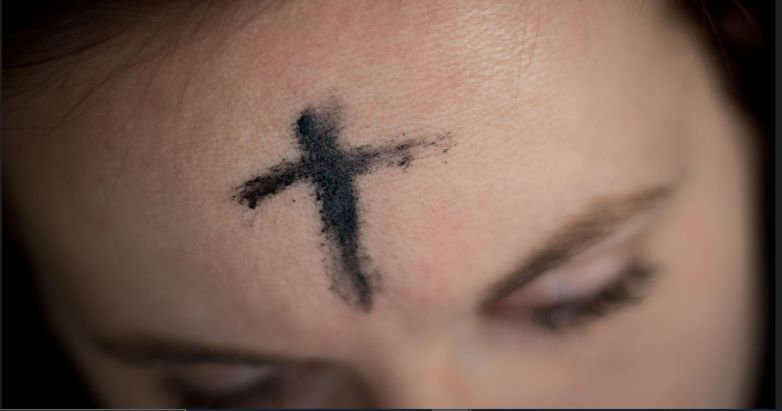
Photo by Ahna Ziegler on Unsplash
For many Christians, Lent involves putting off the old self, or giving something up to draw closer to God, as we prepare to remember Jesus’ death and celebrate his resurrection.
This yearly custom recalls Colossians 3:9: “Do not lie to one another, seeing that you have put off the old self with its practices and have put on the new self, which is being renewed in knowledge after the image of its creator.”
The Lenten fast is a ritual that helps us put off our old, sinful selves and put on Jesus, the perfect human being.
Yet putting off the old self happens in a larger context. When I cast off my sinful self, I am not merely casting off my sinful self, but the sinful heritage bestowed upon me by Adam and Eve, the first human sinners. I cast off the old humanity – Adam and Eve – for the new humanity: Jesus.
The bigger picture here is conveyed more effectively in the original Greek text of the passage. The word “self” is a translation of the Greek anthropos, which means humanity (we see the meaning of the Greek root anthropo- in such English words as anthropology, the study of humans).
A few Sundays ago, a priest at my church gave an excellent sermon on putting off the old self, but rather than honing in on anthropos to highlight sinful humanity, he focused solely on Adam. He argued that anthropos here means man – and not “man” in the sense of humankind, but “man” in the sense of a male: Adam. Thus, he said, we put off the old man, Adam, and put on the new man, Christ.
I challenge his interpretation on the following points:
- Rendering anthropos as “a man” (and further inferring Adam from that) is a highly questionable translation, since the word for “a man” in Greek is aner, not anthropos. Bottom line: if Paul had wanted his audience to understand that he was talking about “a man” here, there is a much more obvious word he could have used to convey that.
- The idea that anthropos means Adam doesn’t make sense because the origin of human sin wasn’t exclusively male. Eve was also involved. She sinned too. In fact, God holds Adam and Eve separately accountable for their sin in Genesis 3:16-17, questioning each of them in turn.
I’m troubled, as I wonder why a priest would erase Eve from this story with such conviction, especially when the term anthropos is inclusive of male and female. While Paul elsewhere speaks of Jesus typologically as the new Adam (e.g., 1 Cor. 15:45), it seems a stretch too far to essentially “masculinize” sin itself by reducing it to Adam alone – based on an alteration of Paul’s own words!
Likewise, I seriously doubt that Paul’s use of the Adam/Jesus typology, in select passages, gives us writ to apply a male-centered interpretive framework to the whole of his writings. In fact, as I’ve noted previously, Paul takes pains to stress the interdependence and mutuality of men and women. Col. 3:9 – especially in the original Greek – coheres with this emphasis.
If we really want to give up the old anthropos for the new anthropos, it would probably be prudent to recognize that anthropos is more than just “Adam.” As it is written in Genesis 1:27: “So God created humankind in his own image, in the image of God he created them; male and female he created them.”
Our Lenten disciplines help us in putting off the old self so we can draw closer to God. At the same time, they may also show us that old (bad) habits die hard.
This maxim is as true for individuals as it is for the church.
General Christian
Women in Religion

About Talley Cross
Talley is a compliance manager at a global payments company. She received her Master’s degree in Middle Eastern Studies from the American University in Cairo, where she was a University Fellow, and worked with the Anglican Diocese of Egypt on Muslim/Christian interfaith dialog projects. Talley has a Bachelor’s degree in Religious Studies from Sewanee / The University of the South. You can read more about the author here.
Previous Post

February 24, 2023
White Supremacy and Complementarianism: The Disturbing Link
Next Post

April 10, 2023 Is Premarital Sex Always Sinful?
Recent Comments
"Hi, I see that something you sent over awhile back was automatically put in the ..."
"Hi Talley. It's been 18 days since I replied to this. Is there a reason ..."
"You don't need to read others' comments on my posts on this topic to know ..."
"Thank you for your response however you saying that I won't find wide support for ..."
Browse Our Archives
Select a Category ACNA angels Anglican Communion bliblical womanhood Christian dating complementarianism ESV female submission feminism Gender love marriage patriarchy prayer Resurrection sexual abuse sexual ethics Sexuality singleness the Fall Uncategorized
Select a Month October 2026 August 2026 June 2026 April 2026 February 2026 December 2025 November 2025 August 2025 July 2025 May 2025 March 2025 February 2025 October 2024 July 2024 June 2024 April 2024 March 2024 February 2024 December 2023 October 2023 September 2023 July 2023 June 2023 May 2023 April 2023 March 2023 February 2023 January 2023 December 2022 November 2022 October 2022 September 2022 August 2022
TAKE THE
Religious Wisdom Quiz
What does Paul teach about boasting?
Select your answer to see how you score.
Boast in the Lord Boast in riches Boast in yourself Never boast
Related posts from Flesh of My Flesh
Is Complementarianism Misogyny?

The Myth That Fathers Shape Kids' Faith More...

Push for Transparency on Gender Roles in Your...
TRENDING AT PATHEOS Evangelical

Letters on Living the Faith by C.S. Lewis
Most of us met C.S. Lewis as a public intellectual. Mere Christianity....

When Halloween Unmasks Married Hearts
Written by Dr. David K. Ewen from Eternal Truth Bible College Behind...

Aristotle. He’s been called the father of logic, the father of the...

Methodist Central Hall and Westminster Abbey
Situated on the same square is Methodist Central Hall and Westminster Abbey. ...

57th Dove Awards Honor Dolly Parton, Crown New...
On gospel music’s biggest night, the 57th annual GMA Dove Awards honored...

The First Eucharistic Controversy: Christ’s Real Presence
For Catholics, the Eucharist is the source and summit of the Christian...
view all Evangelical blogs
What Are Your Thoughts?leave a comment
Ad-Free & Subscriber Log-In Subscription Support
- About Us
- 2026 Calendar
- Videos
- Podcasts
- Library of World Religions
- Faith In Media Tracker
- Advertise With Us
- Write for Us
- Privacy Policy
- Terms of Service
- Do Not Sell My Data
- Contact Us
- Radiant Digital
- Manage Newsletter Subscriptions
- Unsubscribe From Notifications
- Sitemap
Copyright 2008-2026, Patheos. All rights reserved.
Subscription Support Ad-Free & Subscriber Log-In
Follow Patheos