
BuddhistCatholicContemplativeEvangelicalGeneral ChristianHinduJewishLatter-day SaintMuslimNew VisionsProgressive Christian
Beliefs
- Buddhist
- Catholic
- Contemplative
- Evangelical
- General Christian
- Hindu
- Jewish
- Latter-day Saint
- More Voices
- Muslim
- New Visions
- Pagan
- Progressive Christian
Topics
- Religion News
- Food and Religion
- Sports and Religion
- Religious Art
- Religious Music and Entertainment
- Religious Events
- History and Religion
- Style and Religion
- Politics and Religion
- Women in Religion
- Recreation Outdoors and Religion
- Business Finance and Religion
- Careers Workplace and Religion
- Education and Religion
- Family Parenting and Religion
- Health Fitness and Religion
- Home and Religion
- Relationships and Religion
- Technology and Religion
- Travel and Religion
Columnists
- Buddhist Columnists
- Business Finance and Religion Columnists
- Careers Workplace and Religion Columnists
- Catholic Columnists
- Contemplative Columnists
- Education and Religion Columnists
- Evangelists Columnists
- Family Parenting and Religion Columnists
- General Christian Columnists
- Health Fitness and Religion Columnists
- Hindu Columnists
- History and Religion Columnists
- Home and Religion Columnists
- Jewish Columnists
- More Voices Columnists
- Latter Day Columnists
- Muslim Columnists
- New Visions Columnists
- Nonreligious Columnists
- Pagan Columnists
- Politics and Religion Columnists
- Progressive Columnists
- Recreation Outdoors and Religion Columnists
- Relationships and Religion Columnists
- Religion News Columnists
- Religious Art Columnists
- Religious Events Columnists
- Religious Music and Entertainment Columnists
- Sports and Religion Columnists
- Style and Religion Columnists
- Technology and Religion Columnists
- Travel and Religion Columnists
- Women in Religion Columnists
Resource Library
- 2026 Calendar
- Library of World Religions
- The 100 Most Holy Places on Earth
- Patheos Answers
- Podcasts
- Videos
- Faith Leaders Database
- Anglican Episcopalian
- Bahai
- Baptist
- Buddhism
- Christianity
- Confucianism
- Eastern Orthodoxy
- Hinduism
- Holiness and Pentecostal
- ISKCON
- Islam
- Judaism
- Lutheran
- Methodist
- The Church of Jesus Christ of Latter-day Saints
- New Age
- Paganism
- Presbytarian and Reformed
- Protestantism
- Religion Behind the Scenes
- Roman Catholic
- Scientology
- Shia Islam
- Sikhism
- Sufism
- Sunni Islam
- Taoism
- Zen
- See all religions
Research Tools
 Ad-Free & Subscriber Log-In Subscription Support
Ad-Free & Subscriber Log-In Subscription Support
Follow Patheos 

- Trending:
- Forgiveness
- |
- Marriage
- |
- Consciousness
- |
- Death Penalty
- |
- Election
- |
- Halloween

-
Articles
- Home
- Religious Music & Entertainment
- Credits where credit is due in Bible films
Credits where credit is due in Bible films
Last updated on: March 1, 2014 at 1:05 pm by Peter T. Chattaway
Credits where credit is due in Bible films 2014-03-01T13:05:16-08:00 Peter T. Chattaway
Patheos Explore the world's faith through different perspectives on religion and spirituality! Patheos has the views of the prevalent religions and spiritualities of the world.
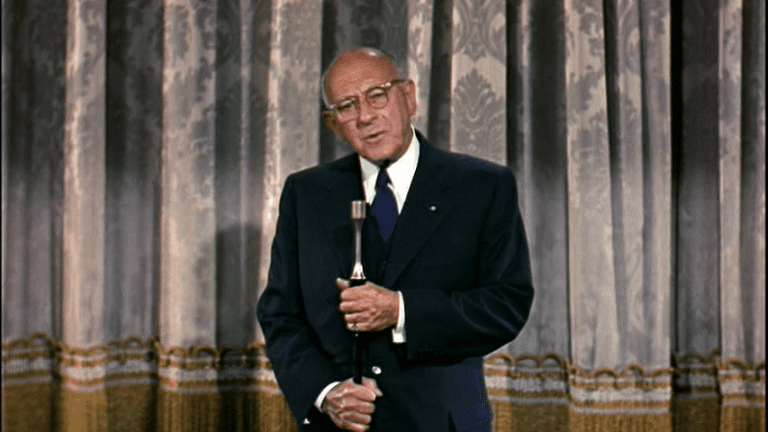 I recently watched Cecil B. DeMille’s Samson and Delilah (1949) for the first time in years, and I hope to write something about it soon. But one detail caught my eye, and got me curious to see if it was part of a trend that might have popped up in other Bible movies, too.
Specifically, I was struck by the writing credits that appear during the opening titles. The film gives credit to four different screenwriters, which is fairly typical — no doubt there were other writers who worked on the film without credit, too — but the film also goes on to specify not just that it is based on the Bible, or on a particular book of the Bible, but that it is based on particular chapters within that book.
Here are the credits as they appear onscreen:
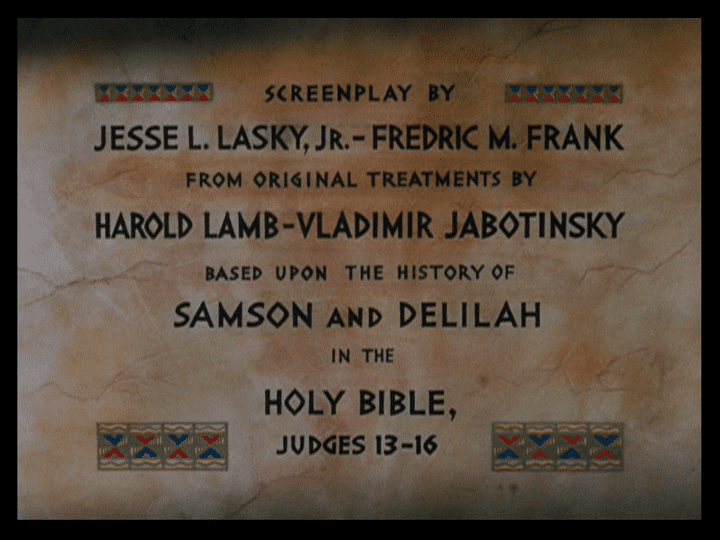
This got me curious as to whether any other Bible epics had named the specific chapters on which they were based — and after skimming the credits sequences of over a dozen films this morning, I have to say the answer appears, so far, to be no.
But before I get into that, I just have to say it is particularly ironic that Samson and Delilah, of all films, would credit such a narrow portion of the Bible, because the film clearly nods to other parts of the Bible as well, most notably by giving Samson a young sidekick named Saul — who, yes, is identical to the Saul who goes on to become the first king of the Israelites. So that would come from I Samuel, not Judges.
Anyway. When I looked at the credits sequences for all the films that I currently have at my disposal, I focused mainly on mainstream features and did not look at any made-for-TV movies or independent church productions — and I found only one film, King David (1985), that even specified the books it was based on in its credits:
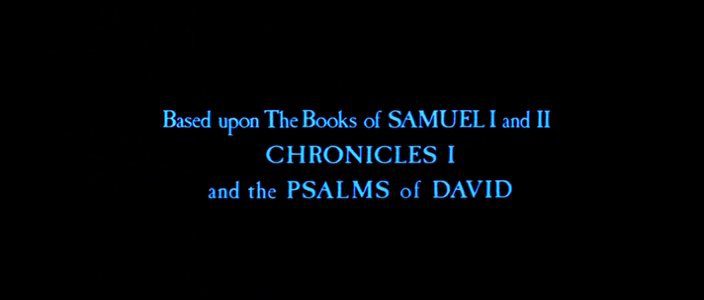
These credits look kind of odd, to me, as they place the numbers of the books after the titles, rather than before. For pretty much my whole life, I have seen “First Chronicles” simplified as “I Chronicles”, not as “Chronicles I” — and the reason is fairly obvious: you don’t want to confuse the number of the book with the chapter numbers that might follow it. So, were the filmmakers drawing on some other tradition that I am unfamiliar with? Or were they approaching the books of the Bible the same way they approach movie sequels, where the number always follows the title?
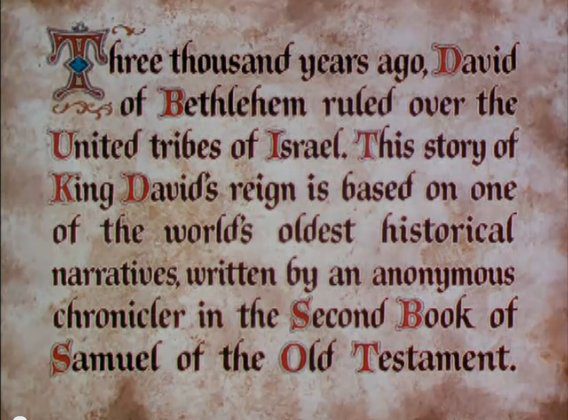
Honourable mention should also go to David and Bathsheba (1951), which does not mention the biblical source material in its credits, per se, but does begin with a couple of title cards that set the story up — one of which mentions “the Second Book of Samuel” and even says the book was written by “an anonymous chronicler”:
And while it’s not a “Bible epic” per se, I think honourable mention should also go to Godspell (1973), a musical set in the modern era that describes itself on the opening title card as “a musical based on the Gospel according to St. Matthew”:
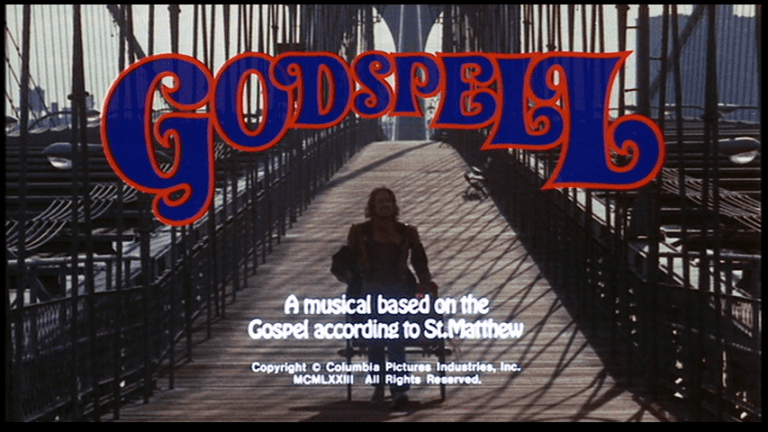
Note that the attribution here is presented not as part of the credits, per se, but almost as part of the title of the film. And, just as Samson and Delilah made use of more scriptures than the credits let on, so too here: the film says it’s based on Matthew, and it basically is, but it also makes use of parables that are unique to Luke, as well.
Beyond that, From the Manger to the Cross (1912) makes a general reference to the gospels, but doesn’t mention any of them by name:
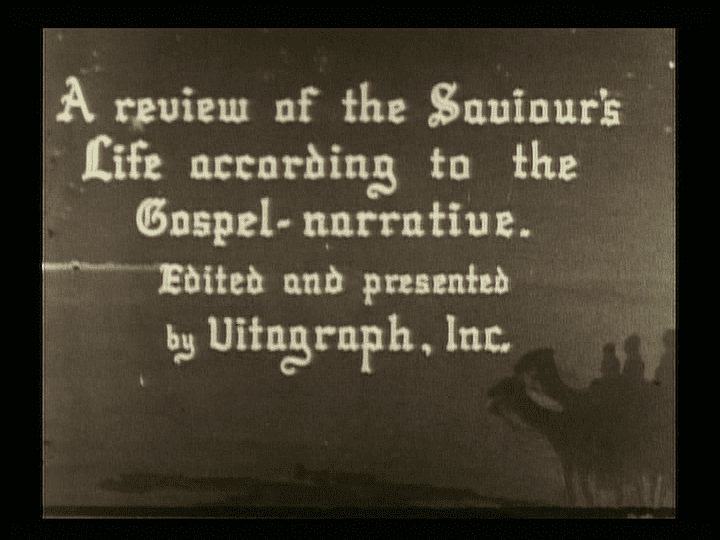
And that’s about it. Most films simply credit the screenwriters or, in some cases, the novels that the films were based upon — though at least two films make a very general reference to the Bible in addition to the novels that they credit.
For example, The Greatest Story Ever Told (1965) — which concerns the life of Jesus — states that it is based on both the Old and New Testaments, in addition to other sources, including the novel for which the film was named:

Similarly, DeMille’s remake of The Ten Commandments (1956) devotes an entire title card to the novels it is based on, before crediting the screenwriters:
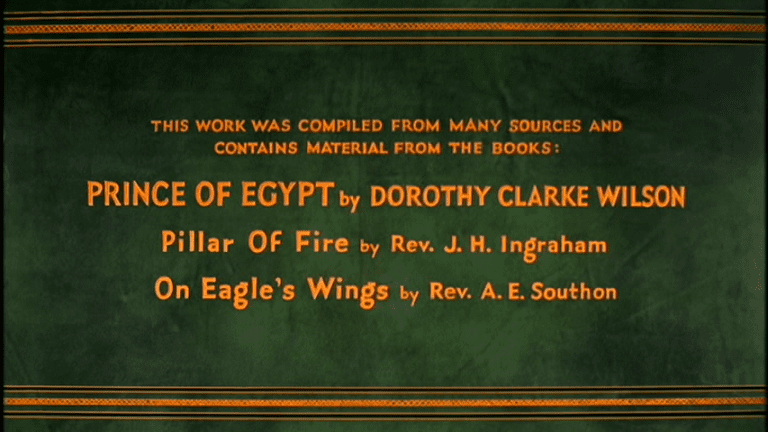
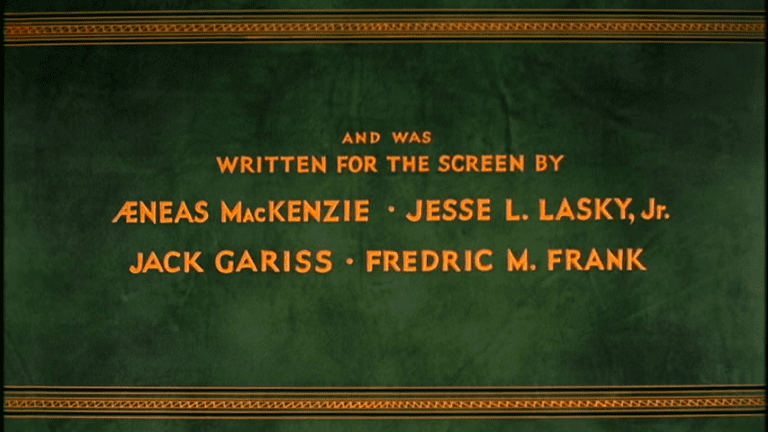
But then the film does something interesting. The very end of the title sequence, which is where the director’s name normally goes, actually follows DeMille’s name with a reference to the ancient texts he consulted, climaxing with “The Holy Scriptures”:

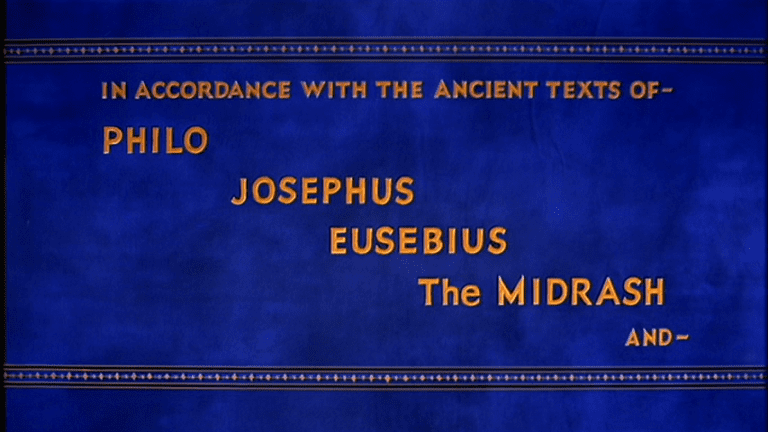
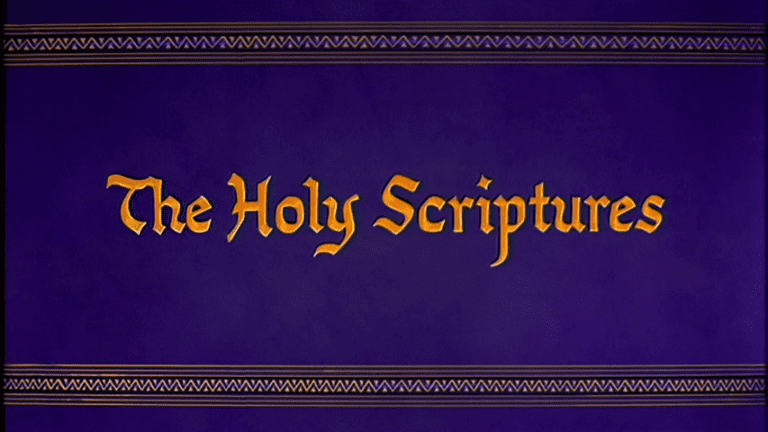
So DeMille actually gives the Bible the place of honour that would normally have gone to himself. Or, rather, DeMille shares his place of honour with the Bible; just as his name is linked to the scriptures by a sentence that stretches out over the last three title cards, so too his voice begins to narrate the film (“And God said, ‘Let there be light…'”) while the words “The Holy Scriptures” are still onscreen. And so the authoritative voice of one is filtered through the authoritative voice of the other.
Of course, a number of famous “Bible epics” have not been based on the Bible itself but on novels that were, themselves, adaptations of the Bible or fictitious stories that had only a slight connection to the Bible — so the credits for movies like The Robe (1953), based on a novel by Lloyd Douglas, or Ben-Hur (1959), based on a novel by Lew Wallace, didn’t need to credit anything beyond the novels themselves.
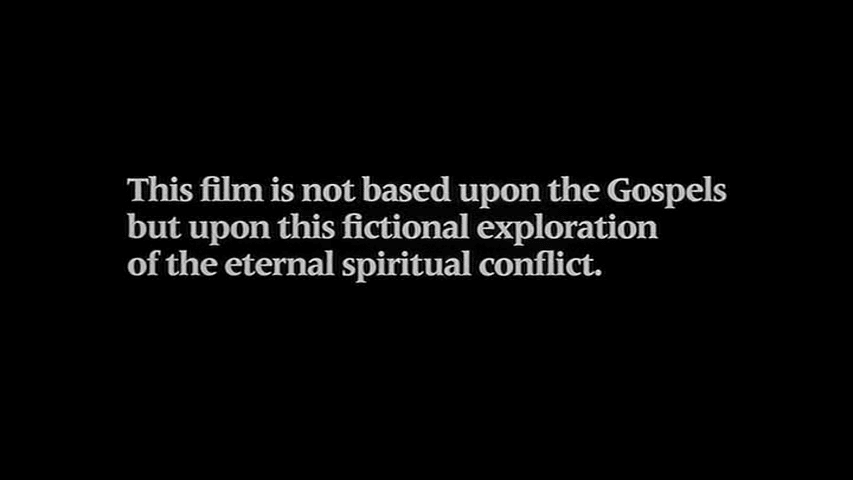
One film, however, famously tried to distance itself from the biblical source material in its opening credits, said film being The Last Temptation of Christ (1988), which was based on a controversial novel by Nikos Kazantzakis:
Finally, one last note on these opening-credits sequences — albeit a note that has nothing to do with how they credit their sources.
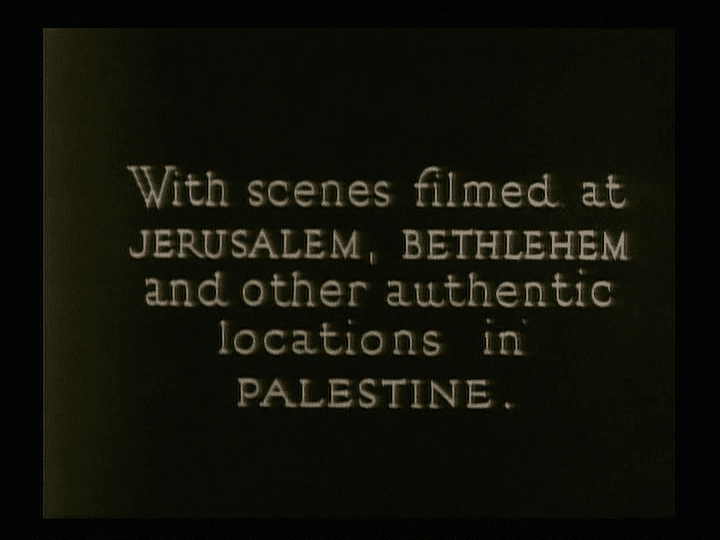
You might have noticed that the credits for The Ten Commandments specify that the film was shot partly in Egypt, and that it will take the viewer on “a pilgrimage over the very ground that Moses trod more than 3,000 years ago”. While a number of Jesus movies have been shot in Israel and have played this up in their publicity campaigns, I can think of only one other Bible film that has emphasized its function as a virtual pilgrimage in the credits, said film being From the Manger to the Cross:
And that about covers it, for now. If I have missed anything, please let me know!
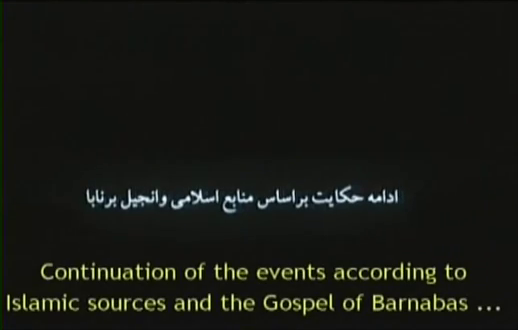
June 22 update: Jesus, the Spirit of God (2007), an Iranian film that tells the Muslim version of the story of Jesus, shows both the Christian and Muslim versions of the crucifixion and introduces each section with a title card, one of which specifies that the Muslim section takes some of its details from the Gospel of Barnabas, a document that seems to have been written in the 14th or 15th century:

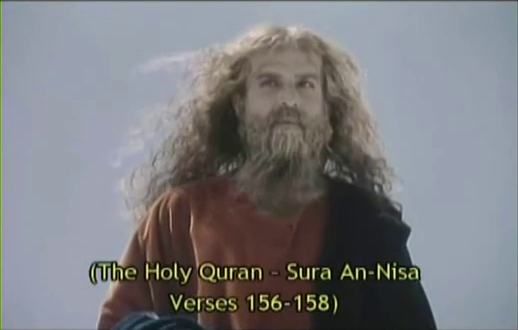
The film also concludes with a quote from the Koran, but I’m not sure whether the specific verses cited here are mentioned in the narration — and are thus part of the film proper — or were simply added to the English subtitles:
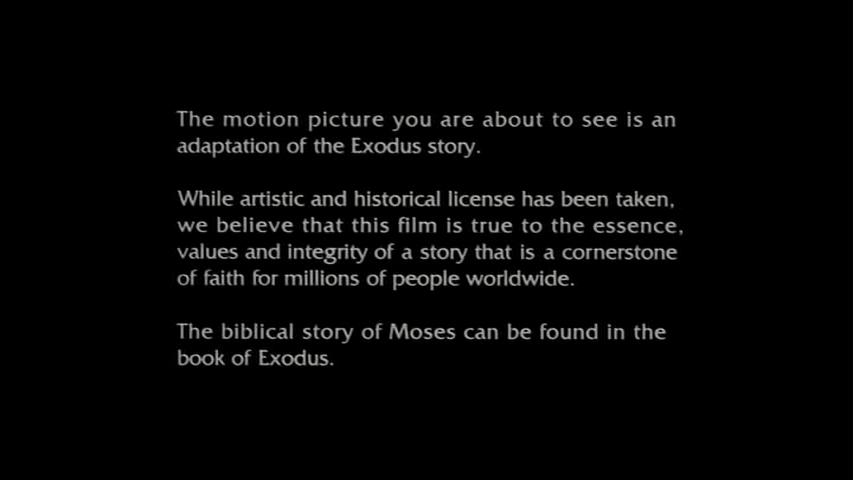
October 27 update: Watching The Prince of Egypt (1998) with my kids the other day, I was reminded that this film, too, begins with a title card that names a particular book in the Bible — in this case, Exodus — as its primary source:
And then, at the very end of the film — after the credits have finished rolling — the film quotes specific passages from the Jewish, Christian and Muslim scriptures to demonstrate that Moses is a prophet revered by three different religions. The biblical passages cited in this title card are Deuteronomy 34:10 and Acts 7:35:

Previous Post

May 20, 2013
Star Trek into Darkness -- first impressions (spoilers!)
Next Post
May 24, 2013 Godfrey Reggio's newest film to premiere in September
Browse Our Archives
Select a Category Anglican Planet Articles BC Christian News BC Report Bible Movies Bible Review Blog Books & Culture Campus Times CBC Radio Christianity Today ChristianWeek Essays Faith Today Festival Cinemas Guide Film Journals Georgia Straight Interviews MB Herald National Catholic Register Salvationist Today's Christian Two Chairs Ubyssey Uncategorized Vancouver Courier Vancouver Sun
Select a Month August 2025 April 2025 January 2025 December 2024 November 2024 May 2024 February 2024 December 2023 May 2023 March 2023 November 2022 July 2022 June 2022 May 2022 April 2022 February 2022 January 2022 December 2021 November 2021 October 2021 September 2021 August 2021 July 2021 June 2021 April 2021 March 2021 February 2021 January 2021 December 2020 November 2020 October 2020 August 2020 July 2020 June 2020 May 2020 March 2020 February 2020 January 2020 December 2019 November 2019 September 2019 July 2019 May 2019 April 2019 March 2019 February 2019 January 2019 December 2018 November 2018 October 2018 September 2018 July 2018 June 2018 May 2018 April 2018 March 2018 February 2018 January 2018 December 2017 November 2017 October 2017 September 2017 August 2017 July 2017 June 2017 May 2017 April 2017 March 2017 February 2017 January 2017 December 2016 November 2016 October 2016 September 2016 August 2016 July 2016 June 2016 May 2016 April 2016 March 2016 February 2016 January 2016 December 2015 November 2015 October 2015 September 2015 August 2015 July 2015 June 2015 May 2015 April 2015 March 2015 February 2015 January 2015 December 2014 November 2014 October 2014 September 2014 August 2014 July 2014 June 2014 May 2014 April 2014 March 2014 February 2014 January 2014 December 2013 November 2013 October 2013 September 2013 August 2013 July 2013 June 2013 May 2013 April 2013 March 2013 February 2013 January 2013 December 2012 November 2012 October 2012 September 2012 August 2012 July 2012 June 2012 April 2012 January 2012 January 2011 December 2010 November 2010 October 2010 September 2010 August 2010 July 2010 June 2010 May 2010 April 2010 March 2010 February 2010 January 2010 December 2009 November 2009 October 2009 September 2009 August 2009 July 2009 June 2009 May 2009 April 2009 March 2009 February 2009 January 2009 December 2008 November 2008 October 2008 September 2008 August 2008 July 2008 June 2008 May 2008 April 2008 March 2008 February 2008 January 2008 December 2007 November 2007 October 2007 September 2007 August 2007 July 2007 June 2007 May 2007 April 2007 March 2007 February 2007 January 2007 December 2006 November 2006 October 2006 September 2006 August 2006 July 2006 June 2006 May 2006 April 2006 March 2006 February 2006 January 2006 December 2005 November 2005 October 2005 September 2005 August 2005 July 2005 June 2005 May 2005 April 2005 March 2005 January 2005 December 2004 November 2004 October 2004 September 2004 August 2004 July 2004 June 2004 May 2004 April 2004 March 2004 February 2004 January 2004 November 2003 October 2003 August 2003 July 2003 June 2003 May 2003 January 2003 December 2002 November 2002 August 2002 July 2002 June 2002 May 2002 March 2002 January 2002 December 2001 November 2001 September 2001 August 2001 July 2001 June 2001 April 2001 March 2001 February 2001 December 2000 November 2000 October 2000 September 2000 August 2000 July 2000 June 2000 May 2000 April 2000 March 2000 January 2000 October 1999 August 1999 May 1999 April 1999 February 1999 January 1999 December 1998 November 1998 October 1998 August 1998 July 1998 June 1998 April 1998 March 1998 January 1998 November 1997 September 1997 July 1997 June 1997 April 1997 March 1997 February 1997 January 1997 December 1996 October 1996 September 1996 June 1996 March 1996 February 1996 January 1996 April 1995 November 1994 September 1994 September 1991
Follow Us!
TAKE THE
Religious Wisdom Quiz
What book of the Bible comes after Genesis?
Select your answer to see how you score.
Numbers Deuteronomy Exodus Leviticus
Related posts from FilmChat

Joseph of Egypt – the Chosen spin-off announces...

Exclusive: A clip from Angel Studios' The King...

Exclusive: Watch a clip from Angel Studios' Brave...

Exclusive: Watch a clip from Angel Studios' Homestead
TRENDING AT PATHEOS Religious Music & Entertainment

"Les Diabolique" and Transgression
Alongside something like Arrival, Vertigo, or Charade, Les Diaboliques is a...

"The Plague Dogs" and Mortality
So, flashback to the late 70s, early 80s. Walt Disney Studios is...

With the recent and highly successful release of Christopher Nolan’s epic film,...

"L'avventura" and Human Weakness
Today's piece is going to be a little different for a few...

I first want to apologize for not posting or writing anything. I'm...

I've engaged in the multi-year project of reading through the Church Fathers,...
view all Religious Music & Entertainment blogs
Ad-Free & Subscriber Log-In Subscription Support
- About Us
- 2026 Calendar
- Videos
- Podcasts
- Library of World Religions
- Faith In Media Tracker
- Advertise With Us
- Write for Us
- Privacy Policy
- Terms of Service
- Do Not Sell My Data
- Contact Us
- Radiant Digital
- Manage Newsletter Subscriptions
- Unsubscribe From Notifications
- Sitemap
Copyright 2008-2026, Patheos. All rights reserved.
Subscription Support Ad-Free & Subscriber Log-In
Follow Patheos