
BuddhistCatholicContemplativeEvangelicalGeneral ChristianHinduJewishLatter-day SaintMuslimNew VisionsProgressive Christian
Beliefs
- Buddhist
- Catholic
- Contemplative
- Evangelical
- General Christian
- Hindu
- Jewish
- Latter-day Saint
- More Voices
- Muslim
- New Visions
- Pagan
- Progressive Christian
Topics
- Religion News
- Food and Religion
- Sports and Religion
- Religious Art
- Religious Music and Entertainment
- Religious Events
- History and Religion
- Style and Religion
- Politics and Religion
- Women in Religion
- Recreation Outdoors and Religion
- Business Finance and Religion
- Careers Workplace and Religion
- Education and Religion
- Family Parenting and Religion
- Health Fitness and Religion
- Home and Religion
- Relationships and Religion
- Technology and Religion
- Travel and Religion
Columnists
- Buddhist Columnists
- Business Finance and Religion Columnists
- Careers Workplace and Religion Columnists
- Catholic Columnists
- Contemplative Columnists
- Education and Religion Columnists
- Evangelists Columnists
- Family Parenting and Religion Columnists
- General Christian Columnists
- Health Fitness and Religion Columnists
- Hindu Columnists
- History and Religion Columnists
- Home and Religion Columnists
- Jewish Columnists
- More Voices Columnists
- Latter Day Columnists
- Muslim Columnists
- New Visions Columnists
- Nonreligious Columnists
- Pagan Columnists
- Politics and Religion Columnists
- Progressive Columnists
- Recreation Outdoors and Religion Columnists
- Relationships and Religion Columnists
- Religion News Columnists
- Religious Art Columnists
- Religious Events Columnists
- Religious Music and Entertainment Columnists
- Sports and Religion Columnists
- Style and Religion Columnists
- Technology and Religion Columnists
- Travel and Religion Columnists
- Women in Religion Columnists
Resource Library
- 2026 Calendar
- Library of World Religions
- The 100 Most Holy Places on Earth
- Patheos Answers
- Podcasts
- Videos
- Faith Leaders Database
- Anglican Episcopalian
- Bahai
- Baptist
- Buddhism
- Christianity
- Confucianism
- Eastern Orthodoxy
- Hinduism
- Holiness and Pentecostal
- ISKCON
- Islam
- Judaism
- Lutheran
- Methodist
- The Church of Jesus Christ of Latter-day Saints
- New Age
- Paganism
- Presbytarian and Reformed
- Protestantism
- Religion Behind the Scenes
- Roman Catholic
- Scientology
- Shia Islam
- Sikhism
- Sufism
- Sunni Islam
- Taoism
- Zen
- See all religions
Research Tools
 Ad-Free & Subscriber Log-In Subscription Support
Ad-Free & Subscriber Log-In Subscription Support
Follow Patheos 

- Trending:
- Forgiveness
- |
- Marriage
- |
- Consciousness
- |
- Death Penalty
- |
- Election
- |
- Halloween
 Femina Ferox
- Home
- Catholic
- Santa Claus Teaches Us to Marvel at God’s Incarnation
Santa Claus Teaches Us to Marvel at God’s Incarnation
Last updated on: December 7, 2020 at 9:21 pm by Emily Claire Schmitt
Santa Claus Teaches Us to Marvel at God’s Incarnation 2020-12-07T21:21:19-04:00 Emily Claire Schmitt
Patheos Explore the world's faith through different perspectives on religion and spirituality! Patheos has the views of the prevalent religions and spiritualities of the world.
My family loves Santa Claus. They love the magic, the wonder, and the excitement on the faces of young children on Christmas morning. They love the presents – mountains of presents – and the songs and the bells. I, the Grinch, do not love Santa. I was a precocious kid and figured out that Santa was not real at a pretty young age. I resented having to pretend to believe in something I didn’t. I imagine the feeling is similar to how an atheist feels in Church. But there is a saying in my family that “you have to believe to receive.” As a thirty-one year old Grinch Lady, this irks me to no end.

Photo by Jonathan Borba on Unsplash
As an adult, I’ve tolerated Santa for the most part, but I’ve become increasingly concerned about his place in the Christmas tradition. Systematically lying to my future children doesn’t feel like a great idea. Nor does teaching them that being good will bring material prizes. Most importantly, how do I distinguish between God (whom I believe in) and Santa (who is a fairy tale)? There’s no guarantee that my children will grow up to have my faith, but I should at least be honest with them while teaching it. Fortunately for my family, wiser and gentler Christians have considered this problem before, and have come up with solutions.
Santa Claus and The Miracle of the Incarnation
Recently, I polled a group of Catholic friends about what they told their children about Santa Claus. Very few of them do the “traditional” Santa story – be good and you’ll get presents. Some tell their children that Santa is fictional, that he’s the spirit of Christmas, or that he’s Saint Nicholas. But one friend gave a piece of advice that stopped me in my tracks.
“I tell my children that the gifts are from Jesus,” she said. “Santa Claus brings us these gifts as a symbol of Christ’s incarnation.” I did a double-take.
“You really use those words?” I asked, incredulous. “You mention the incarnation?”
She does. And why shouldn’t she? It’s the truth, after all. Christmas gifts, like all of life’s gifts, come from God. They are not earned through being good, but rather given freely through a divine love which we could never, ever, earn ourselves. And the wonder children experience finding these gifts under the tree is the same wonder the shepherds felt upon finding the infant Jesus in the manger. It’s pure, uncomplicated, unrivaled awe and joy. It’s a joy that takes you outside yourself. And it’s all because God loves us.
Believing Beyond Santa Claus
In a lovely essay for America Magazine, Katie PreJean McGrady defended belief in Santa, writing:
The spirit of Christmas is about one thing above all else: the mystery of the incarnation. This is when we celebrate the Word becoming flesh, and that is a miraculous, mystical thing. It is hard to wrap our heads around.
It is hard. It’s easier to understand a jolly man in a red suit flying around with reindeer than it is to understand God’s infinite, aching, love for humanity. Perhaps this is why many adults never really move past the Santa thing. But Santa Claus is only a symbol, and an incomplete one at best. Santa’s gifts are to the incarnation as a three-leaf clover is to the Trinity. A teeny, tiny inkling of a beginning of a concept.
It’s good for Christians to believe in Santa – up to a point. But the goal is not to sustain belief in Santa for as long as possible. Quite the opposite, in fact. I want my children to question. I want them to ask what it’s all about, so that I can help guide them to a deeper, fuller truth about Christmas. Because the wonder of Christmas morning isn’t about presents. It’s about The Presence. The active and constant presence of God in our lives at every moment. Christmas is about receiving this presence into our homes and into our hearts. It’s about faith.
Now that I think about it, you do have to believe to receive.

About Emily Schmitt
Emily Claire Schmitt is a playwright and screenwriter focused on uncovering the mystical in the modern world. She is a Core Member of The Skeleton Rep(resents). All opinions are her own unless she has recently changed them. Follow her on Twitter at @Eclaire082. You can read more about the author here.
Previous Post

November 30, 2020
This Advent, Waiting for a Vaccine Can Be a Spiritual Practice
Next Post
December 14, 2020 Is Joe Biden a "Good Catholic?" Are you?
Browse Our Archives
Select a Category Uncategorized
Select a Month August 2021 July 2021 June 2021 May 2021 April 2021 March 2021 February 2021 January 2021 December 2020 November 2020 October 2020 September 2020 August 2020 July 2020 June 2020 May 2020 April 2020 March 2020 February 2020 August 2018 January 2018 December 2017 August 2017 February 2017 January 2017 October 2016 September 2016 July 2016 June 2016 January 2016
Follow Us!
TAKE THE
Religious Wisdom Quiz
What woman followed Naomi to Bethlehem and later married Boaz?
Select your answer to see how you score.
Ruth Sarah Hannah Esther
Related posts from Femina Ferox

Please Get the Vaccine, Even if You're Not...

A Very Small Boat: On Loving Someone With...

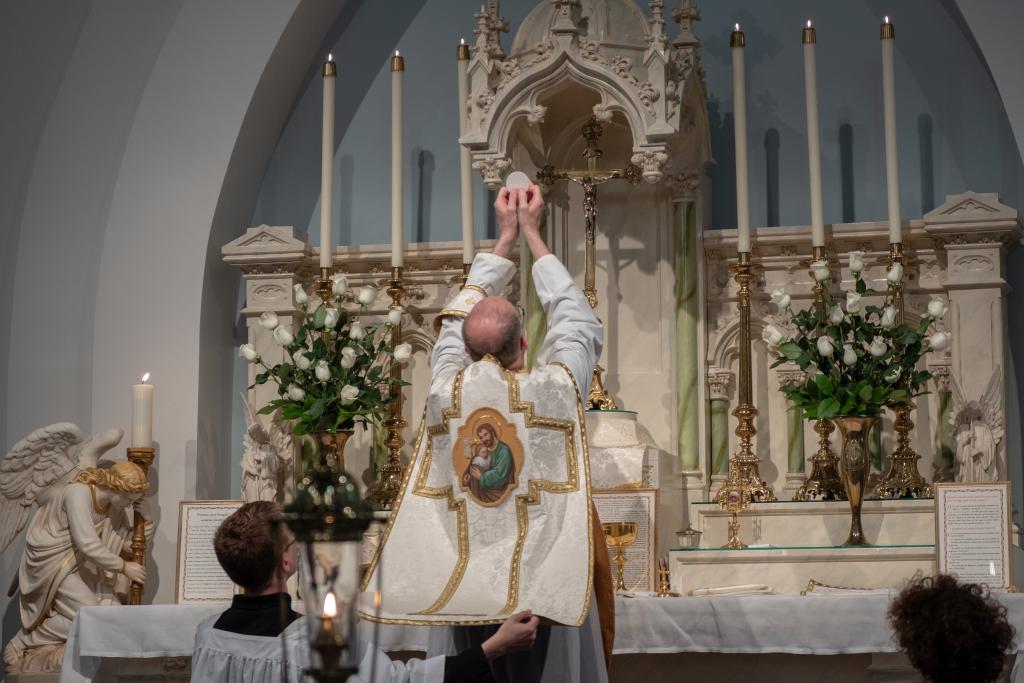
Can the Latin Mass Restrictions Heal The Divide...
TRENDING AT PATHEOS Catholic

Creation, Preservation, and Teleology in Catholic Theology
As I write this, it is very early Monday morning. Like millions...

The Parable Of The Sower And The Word...
One of Christ’s most famous parables is that of the sower who...

Rejecting Doom: Christian Hope And Human Action
Christianity is a religion of hope. We are to have hope and...

Why I Choose the Eucharist Over the Sermon
Choose the Eucharist, Not the Sermon What are we supposed to get...

5 Design Elements Found in Spiritually Rooted Homes
Putting Spirituality Into Home Decor Our homes are more than our living...

Credo: A Story of God Told with the...
About 10 years ago, I began to imagine a personal "Credo" that...
view all Catholic blogs
Ad-Free & Subscriber Log-In Subscription Support
- About Us
- 2026 Calendar
- Videos
- Podcasts
- Library of World Religions
- Faith In Media Tracker
- Advertise With Us
- Write for Us
- Privacy Policy
- Terms of Service
- Do Not Sell My Data
- Contact Us
- Radiant Digital
- Manage Newsletter Subscriptions
- Unsubscribe From Notifications
- Sitemap
Copyright 2008-2026, Patheos. All rights reserved.
Subscription Support Ad-Free & Subscriber Log-In
Follow Patheos