
BuddhistCatholicContemplativeEvangelicalGeneral ChristianHinduJewishLatter-day SaintMuslimNew VisionsProgressive Christian
Beliefs
- Buddhist
- Catholic
- Contemplative
- Evangelical
- General Christian
- Hindu
- Jewish
- Latter-day Saint
- More Voices
- Muslim
- New Visions
- Pagan
- Progressive Christian
Topics
- Religion News
- Food and Religion
- Sports and Religion
- Religious Art
- Religious Music and Entertainment
- Religious Events
- History and Religion
- Style and Religion
- Politics and Religion
- Women in Religion
- Recreation Outdoors and Religion
- Business Finance and Religion
- Careers Workplace and Religion
- Education and Religion
- Family Parenting and Religion
- Health Fitness and Religion
- Home and Religion
- Relationships and Religion
- Technology and Religion
- Travel and Religion
Columnists
- Buddhist Columnists
- Business Finance and Religion Columnists
- Careers Workplace and Religion Columnists
- Catholic Columnists
- Contemplative Columnists
- Education and Religion Columnists
- Evangelists Columnists
- Family Parenting and Religion Columnists
- General Christian Columnists
- Health Fitness and Religion Columnists
- Hindu Columnists
- History and Religion Columnists
- Home and Religion Columnists
- Jewish Columnists
- More Voices Columnists
- Latter Day Columnists
- Muslim Columnists
- New Visions Columnists
- Nonreligious Columnists
- Pagan Columnists
- Politics and Religion Columnists
- Progressive Columnists
- Recreation Outdoors and Religion Columnists
- Relationships and Religion Columnists
- Religion News Columnists
- Religious Art Columnists
- Religious Events Columnists
- Religious Music and Entertainment Columnists
- Sports and Religion Columnists
- Style and Religion Columnists
- Technology and Religion Columnists
- Travel and Religion Columnists
- Women in Religion Columnists
Resource Library
- 2026 Calendar
- Library of World Religions
- The 100 Most Holy Places on Earth
- Patheos Answers
- Podcasts
- Videos
- Faith Leaders Database
- Anglican Episcopalian
- Bahai
- Baptist
- Buddhism
- Christianity
- Confucianism
- Eastern Orthodoxy
- Hinduism
- Holiness and Pentecostal
- ISKCON
- Islam
- Judaism
- Lutheran
- Methodist
- The Church of Jesus Christ of Latter-day Saints
- New Age
- Paganism
- Presbytarian and Reformed
- Protestantism
- Religion Behind the Scenes
- Roman Catholic
- Scientology
- Shia Islam
- Sikhism
- Sufism
- Sunni Islam
- Taoism
- Zen
- See all religions
Research Tools
 Ad-Free & Subscriber Log-In Subscription Support
Ad-Free & Subscriber Log-In Subscription Support
Follow Patheos 

- Trending:
- Forgiveness
- |
- Marriage
- |
- Consciousness
- |
- Death Penalty
- |
- Election
- |
- Halloween
 Femina Ferox
- Home
- Catholic
- More Than a Fast: A Guide for Non-Christians Practicing Lent
More Than a Fast: A Guide for Non-Christians Practicing Lent
Last updated on: March 19, 2020 at 9:04 am by Emily Claire Schmitt
More Than a Fast: A Guide for Non-Christians Practicing Lent 2020-03-19T09:04:31-04:00 Emily Claire Schmitt
Patheos Explore the world's faith through different perspectives on religion and spirituality! Patheos has the views of the prevalent religions and spiritualities of the world.

Photo by Pro Church Media on Unsplash
This time last year, a good friend who is agnostic reached out to see if I had any pointers for a non-Christian who wanted to participate in Lent. I was surprised at first, but on further consideration I realized I shouldn’t be. Concepts such as Dry January and Intermittent Fasting have gained popularity in secular culture. These trends sort of look like Lent, but they’re very much not Lent. My friend, a very insightful and reflective person, perceived that this season was different and she wanted to learn why.
Perhaps I should have shouted “LENT IS ABOUT JESUS!” I resisted this urge for two reasons
-
She definitely knows this already. She’s heard me talk about Jesus a great deal.
-
If she was ready to meet Jesus, He would certainly come to her during her Lenten practice.
My job was to help her to understand what Lent is, what it is not, and how to do it well.
Here’s what I came up with.
Lent is About Repentance
The key difference between the Christian season of Lent and the myriad wellness fads is that Lent is about correcting your moral self, not your physical self. If your goal is weight loss, health improvement, or anything of that sort, you’re not doing Lent – you’re on a diet. Many Christians do fast from things like candy or alcohol during this season, but the goal is the personal growth and spiritual rewards that come from austerity. If it is impossible for you to fast from food without thinking about fitness benefits, than I would advise you to fast from something else, such as social media.
Lent is More Than a Fast
Most people do give something up, but that’s only one aspect of the season. Traditionally, Lent has three parts: fasting, prayer, and alms giving. If prayer doesn’t make sense to you, then make a commitment to daily meditation or journaling – whatever helps you to examine your life. If you have the means, pick a charity to donate to throughout the season. It’s also possible to combine Lenten practices, for example, giving up your daily Starbucks and donating the savings to the ACLU.
Lent is Personal
You don’t have to tell anyone what you’re doing for Lent. You might want to give up pornography, drug or alcohol use, gossip – anything you feel is negatively impacting your ability to be the best person you can be. There is no need to talk about it. In fact, some would say that the less you talk about it the better. You should not seek any praise for you Lenten practice.
Lent Lasts 40 Days and 40 Nights
If you’re doing Lent right, it’s going to be challenging. There is a good chance you will fall down on your Lenten promise at some point during the season. But a Lenten promise is not like a New Year’s Resolution; it’s not over when you fail. If you mess up and break your Lenten promise, you’re still expected to pick up and try again. Keep trying until Easter Sunday. That’s the commitment.
Lent Begins and Ends with Celebration
In Christianity, there is no repentance without celebration. There is no death without resurrection. There is no despair without hope. On second thought, there is no despair at all. If you’re going to practice Lent, you should also celebrate Fat Tuesday and you must celebrate Easter Sunday. There is no Lent without Easter.
I don’t know the intimate details of my friend’s experience with Lent last year. I know she didn’t convert. But I also know she’s doing it again this year. So that’s something.
Have a blessed Lenten season.

About Emily Claire Schmitt
Emily Claire Schmitt is a playwright and screenwriter focused on uncovering the mystical in the modern world. She is a Core Member of The Skeleton Rep(resents) and is currently developing a TV movie with the Hallmark Channel. You can read more about the author here.
Previous Post

February 24, 2020
How to Find Grace in Your Day Job
Next Post
March 2, 2020 Radical Holiness: A Progressive Case for the Chapel Veil
Browse Our Archives
Select a Category Uncategorized
Select a Month August 2021 July 2021 June 2021 May 2021 April 2021 March 2021 February 2021 January 2021 December 2020 November 2020 October 2020 September 2020 August 2020 July 2020 June 2020 May 2020 April 2020 March 2020 February 2020 August 2018 January 2018 December 2017 August 2017 February 2017 January 2017 October 2016 September 2016 July 2016 June 2016 January 2016
Follow Us!
TAKE THE
Religious Wisdom Quiz
What was the name of the Roman governor who sentenced Jesus to death?
Select your answer to see how you score.
Pontius Pilate Herod Antipas Tiberius Caesar Augustus
Related posts from Femina Ferox

Please Get the Vaccine, Even if You're Not...

A Very Small Boat: On Loving Someone With...

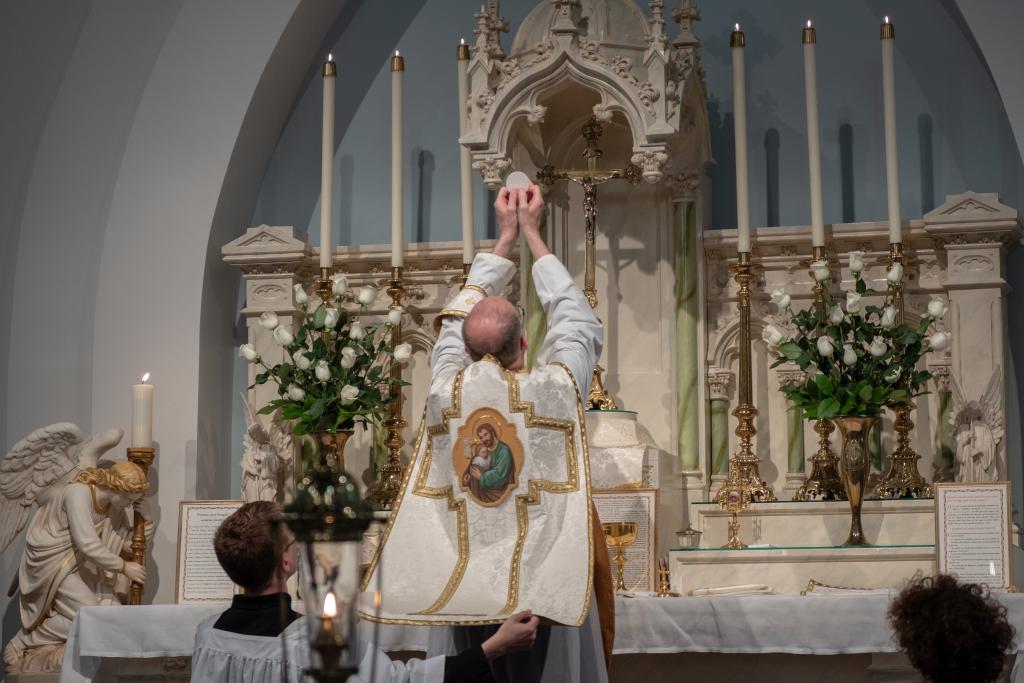
Can the Latin Mass Restrictions Heal The Divide...
TRENDING AT PATHEOS Catholic

Creation, Preservation, and Teleology in Catholic Theology
As I write this, it is very early Monday morning. Like millions...

The Parable Of The Sower And The Word...
One of Christ’s most famous parables is that of the sower who...

Rejecting Doom: Christian Hope And Human Action
Christianity is a religion of hope. We are to have hope and...

Why I Choose the Eucharist Over the Sermon
Choose the Eucharist, Not the Sermon What are we supposed to get...

5 Design Elements Found in Spiritually Rooted Homes
Putting Spirituality Into Home Decor Our homes are more than our living...

Credo: A Story of God Told with the...
About 10 years ago, I began to imagine a personal "Credo" that...
view all Catholic blogs
Ad-Free & Subscriber Log-In Subscription Support
- About Us
- 2026 Calendar
- Videos
- Podcasts
- Library of World Religions
- Faith In Media Tracker
- Advertise With Us
- Write for Us
- Privacy Policy
- Terms of Service
- Do Not Sell My Data
- Contact Us
- Radiant Digital
- Manage Newsletter Subscriptions
- Unsubscribe From Notifications
- Sitemap
Copyright 2008-2026, Patheos. All rights reserved.
Subscription Support Ad-Free & Subscriber Log-In
Follow Patheos