
BuddhistCatholicContemplativeEvangelicalGeneral ChristianHinduJewishLatter-day SaintMuslimNew VisionsProgressive Christian
Beliefs
- Buddhist
- Catholic
- Contemplative
- Evangelical
- General Christian
- Hindu
- Jewish
- Latter-day Saint
- More Voices
- Muslim
- New Visions
- Pagan
- Progressive Christian
Topics
- Religion News
- Food and Religion
- Sports and Religion
- Religious Art
- Religious Music and Entertainment
- Religious Events
- History and Religion
- Style and Religion
- Politics and Religion
- Women in Religion
- Recreation Outdoors and Religion
- Business Finance and Religion
- Careers Workplace and Religion
- Education and Religion
- Family Parenting and Religion
- Health Fitness and Religion
- Home and Religion
- Relationships and Religion
- Technology and Religion
- Travel and Religion
Columnists
- Buddhist Columnists
- Business Finance and Religion Columnists
- Careers Workplace and Religion Columnists
- Catholic Columnists
- Contemplative Columnists
- Education and Religion Columnists
- Evangelists Columnists
- Family Parenting and Religion Columnists
- General Christian Columnists
- Health Fitness and Religion Columnists
- Hindu Columnists
- History and Religion Columnists
- Home and Religion Columnists
- Jewish Columnists
- More Voices Columnists
- Latter Day Columnists
- Muslim Columnists
- New Visions Columnists
- Nonreligious Columnists
- Pagan Columnists
- Politics and Religion Columnists
- Progressive Columnists
- Recreation Outdoors and Religion Columnists
- Relationships and Religion Columnists
- Religion News Columnists
- Religious Art Columnists
- Religious Events Columnists
- Religious Music and Entertainment Columnists
- Sports and Religion Columnists
- Style and Religion Columnists
- Technology and Religion Columnists
- Travel and Religion Columnists
- Women in Religion Columnists
Resource Library
- 2026 Calendar
- Library of World Religions
- The 100 Most Holy Places on Earth
- Patheos Answers
- Podcasts
- Videos
- Faith Leaders Database
- Anglican Episcopalian
- Bahai
- Baptist
- Buddhism
- Christianity
- Confucianism
- Eastern Orthodoxy
- Hinduism
- Holiness and Pentecostal
- ISKCON
- Islam
- Judaism
- Lutheran
- Methodist
- The Church of Jesus Christ of Latter-day Saints
- New Age
- Paganism
- Presbytarian and Reformed
- Protestantism
- Religion Behind the Scenes
- Roman Catholic
- Scientology
- Shia Islam
- Sikhism
- Sufism
- Sunni Islam
- Taoism
- Zen
- See all religions
Research Tools
 Ad-Free & Subscriber Log-In Subscription Support
Ad-Free & Subscriber Log-In Subscription Support
Follow Patheos 

- Trending:
- Forgiveness
- |
- Marriage
- |
- Consciousness
- |
- Death Penalty
- |
- Election
- |
- Halloween
 Fare Forward
- Home
- Evangelical
- What Hath Our Hands Wrought?
What Hath Our Hands Wrought?
Last updated on: April 4, 2013 at 11:55 am by Sarah Clark
What Hath Our Hands Wrought? 2013-04-04T11:55:33-04:00 Sarah Clark
Patheos Explore the world's faith through different perspectives on religion and spirituality! Patheos has the views of the prevalent religions and spiritualities of the world.
In certain circles, it’s become popular to worry about the effects of “the Internet” on human life. The pace of technological development and the uncertainty about the long term effects of being constantly “plugged-in” both fuel our anxiety. The Atlantic alone has run two examples of this genre in the last week. First, Hanna Rosin recently wrote an Atlantic cover story about “The Touch-Screen Generation” and how early access to this technology might affect children’s development. She introduces the term “digital native” to talk about the new generation that is growing up knowing how to use modern technology even from infancy. The piece argues that tablets or television can be too all-consuming and might possibly hamper a child’s development.
Another recent article in the Atlantic began,
We are in the midst of a “narcissism epidemic,” concluded psychologists Jean M. Twnege and W. Keith Campbell in their 2009 book. One study they describe showed that among a group of 37,000 college students, narcissistic personality traits rose just as quickly as obesity from the 1980s to the present. Fortunately for narcissists, the continued explosion of social networking has provided them with productivity tools to continually expand their reach—the likes of Facebook, Twitter, Pinterest, Foursquare, and occasionally Google Plus.
The author, Bill Davidow, goes on to describe the ways narcissists use the constant access to others afforded by social media to promote themselves. Apparently, the person who dies with the most Facebook friends and Twitter followers wins. This article, too, indulges in an anxiety that using new technology “too much” or in a way that’s “wrong” will alter us either as a society, as individuals, or both.
There are legitimate concerns about the way technology may amplify perennial human problems, or even affect cognitive development. But the kind of technological determinism that causes people to fret over the inevitable effects of social media and digital technology misses a few important things.
As Davidow assures us at the conclusion of the article, all is not lost if we do use Facebook: “Social media are an important part of the lives of hundreds of millions of users around the world. If you are one of them, maintaining perspective is important. Do not let narcissists set your standards.” The narcissists, he says, should be jealous of your ability to be “normal.” In other words, it is possible to be a responsible partaker of social media—and those who use it excessively ought to aspire to reducing their intake to a more manageable level.
Similarly, Rosin writes that she decided to perform a small experiment with her own young child’s use of the tablet, allowing him for a period of several months to use the device as often and for as long as he wanted to. For a while, his usage was “extremely annoying and obviously untenable.” But that period didn’t last forever, and “after about 10 days, the iPad fell out of his rotation, just like every other toy does. He dropped it under the bed and never looked for it. It was completely forgotten for about six weeks. Now he picks it up every once in a while, but not all that often.” In other words, making the iPad a “normal” toy resulted in her son treating the technology in just as well-balanced a way as a toddler treats anything else.
In Evgeny Morozov’s newest book, To Save Everything, Click Here, he writes,
One may hate television for excessive advertising—but then, a publicly supported broadcasting system may have no need for advertising at all; TV programs don’t always have to be interrupted by ads. Video games might make us more violent—but, once again, they can do so many other things in so many different ways that it seems unfair to connect them only to one function.
Morozov’s point is that by focusing on how the Internet, or tablets, or television shape us, we ignore the fact that digital technologies are malleable. Their nature and effects aren’t inevitable or permanent, and the technologies are variable in themselves. We can change them, we can integrate them into our lives responsibly (Morozov’s way of doing of this is to lock up his iPhone in a safe to keep himself from using it excessively), and we can recognize the limits of what they can and cannot do.
The Internet, smartphones, and tablets are not their own separate reality. The same things that were virtues, or that uplifted us, before the personal computer were around are still virtues now. The Internet, and constant access to it, doesn’t have to make us into worse, less informed, less socialized people. Just because parents can use television or iPads as built-in “babysitters” for their children, doesn’t make ignoring kids any less excusable or make the TV or tablet an inherently bad thing for children.
If our society is changing for the worse, let’s stop blaming what our hands have wrought—and start taking responsibility for how we use it.
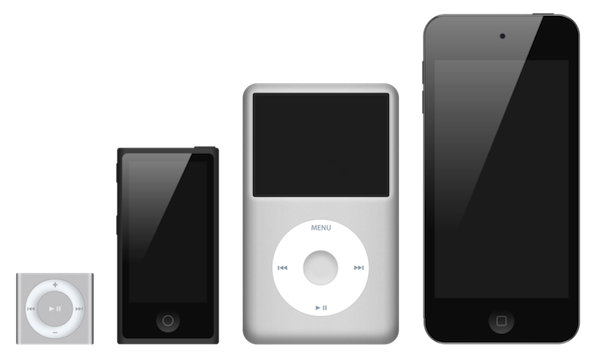
[Image of the Ipod Family Courtesy of Wikipedia]

Previous Post

April 3, 2013
Ethics, Tribal and Global
Next Post

April 5, 2013 Reclaiming Carpe Diem
Browse Our Archives
Select a Category ambition art beauty bible bios body Book Review cheap grace church community consumer church cultural liturgy culture deep practice desire dualisms economics education evangelicalism events faith family fare forward Film Review friendship games Gospel happiness hipster Christianity humility identity institutions irony issue previews Jesus just church justice Lent Letters to the Editor liberal arts liberal christianity literature liturgy love march madness mental health metaphysics misotheism moralism morality Movie Review music narrative naturalism new atheism passions philosophy place political theology Pope Francis power prayer privilege providence reading reason relationship remembering self resurrection science secular faiths secularism sexuality sin Social Media spirituality Sport suburbs suffering table of contents technology the future of faith the new apologetic the virtues theology thick doctrine transcendence Trinity truth tv Uncategorized violence Virtue vocation war work
Select a Month August 2014 July 2014 June 2014 May 2014 April 2014 March 2014 February 2014 January 2014 December 2013 November 2013 October 2013 September 2013 August 2013 July 2013 June 2013 May 2013 April 2013 March 2013 February 2013
Follow Us!
TAKE THE
Religious Wisdom Quiz
On which mountain did Moses receive the Ten Commandments?
Select your answer to see how you score.
Mount Ararat Mount Hermon Mount Carmel Mount Sinai
Related posts from Fare Forward

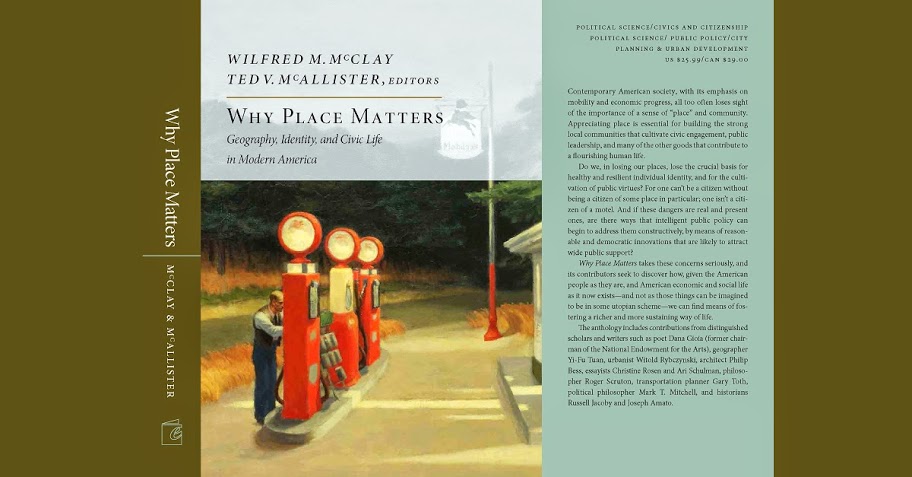
The New Privacy: How the NSA Protects Our...


TRENDING AT PATHEOS Evangelical

The REST of Your Life: A Creative Wrestles...
This week I had a conversation with a good friend from church....

How the author of the world's best hymn...
I've been working with John Newton for a while now. This makes...

Long before this Lectio Divina, Psalm 130 - the song - started...

What About the Trees? Another Living Parable
After I finished writing the last article about falling leaves as a...

Why Classical Education Is a Conversation, Not a...
Come and Read: Joy in Classical Education When I was a little...

Cornell University has received a great deal of negative publicity and intense...
view all Evangelical blogs
Ad-Free & Subscriber Log-In Subscription Support
- About Us
- 2026 Calendar
- Videos
- Podcasts
- Library of World Religions
- Faith In Media Tracker
- Advertise With Us
- Write for Us
- Privacy Policy
- Terms of Service
- Do Not Sell My Data
- Contact Us
- Radiant Digital
- Manage Newsletter Subscriptions
- Unsubscribe From Notifications
- Sitemap
Copyright 2008-2026, Patheos. All rights reserved.
Subscription Support Ad-Free & Subscriber Log-In
Follow Patheos