
BuddhistCatholicContemplativeEvangelicalGeneral ChristianHinduJewishLatter-day SaintMuslimNew VisionsProgressive Christian
Beliefs
- Buddhist
- Catholic
- Contemplative
- Evangelical
- General Christian
- Hindu
- Jewish
- Latter-day Saint
- More Voices
- Muslim
- New Visions
- Pagan
- Progressive Christian
Topics
- Religion News
- Food and Religion
- Sports and Religion
- Religious Art
- Religious Music and Entertainment
- Religious Events
- History and Religion
- Style and Religion
- Politics and Religion
- Women in Religion
- Recreation Outdoors and Religion
- Business Finance and Religion
- Careers Workplace and Religion
- Education and Religion
- Family Parenting and Religion
- Health Fitness and Religion
- Home and Religion
- Relationships and Religion
- Technology and Religion
- Travel and Religion
Columnists
- Buddhist Columnists
- Business Finance and Religion Columnists
- Careers Workplace and Religion Columnists
- Catholic Columnists
- Contemplative Columnists
- Education and Religion Columnists
- Evangelists Columnists
- Family Parenting and Religion Columnists
- General Christian Columnists
- Health Fitness and Religion Columnists
- Hindu Columnists
- History and Religion Columnists
- Home and Religion Columnists
- Jewish Columnists
- More Voices Columnists
- Latter Day Columnists
- Muslim Columnists
- New Visions Columnists
- Nonreligious Columnists
- Pagan Columnists
- Politics and Religion Columnists
- Progressive Columnists
- Recreation Outdoors and Religion Columnists
- Relationships and Religion Columnists
- Religion News Columnists
- Religious Art Columnists
- Religious Events Columnists
- Religious Music and Entertainment Columnists
- Sports and Religion Columnists
- Style and Religion Columnists
- Technology and Religion Columnists
- Travel and Religion Columnists
- Women in Religion Columnists
Resource Library
- 2026 Calendar
- Library of World Religions
- The 100 Most Holy Places on Earth
- Patheos Answers
- Podcasts
- Videos
- Faith Leaders Database
- Anglican Episcopalian
- Bahai
- Baptist
- Buddhism
- Christianity
- Confucianism
- Eastern Orthodoxy
- Hinduism
- Holiness and Pentecostal
- ISKCON
- Islam
- Judaism
- Lutheran
- Methodist
- The Church of Jesus Christ of Latter-day Saints
- New Age
- Paganism
- Presbytarian and Reformed
- Protestantism
- Religion Behind the Scenes
- Roman Catholic
- Scientology
- Shia Islam
- Sikhism
- Sufism
- Sunni Islam
- Taoism
- Zen
- See all religions
Research Tools
 Ad-Free & Subscriber Log-In Subscription Support
Ad-Free & Subscriber Log-In Subscription Support
Follow Patheos 

- Trending:
- Forgiveness
- |
- Marriage
- |
- Consciousness
- |
- Death Penalty
- |
- Election
- |
- Halloween
 Fare Forward
- Home
- Evangelical
- Family Stories and the Narrative of Christ
Family Stories and the Narrative of Christ
Last updated on: March 21, 2013 at 11:19 am by Jordan Monge
Family Stories and the Narrative of Christ 2013-03-21T11:19:33-04:00 Jordan Monge
Patheos Explore the world's faith through different perspectives on religion and spirituality! Patheos has the views of the prevalent religions and spiritualities of the world.
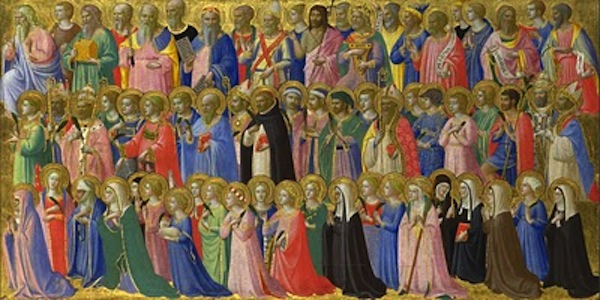
Christianity is in large part a narrative, a story, and the psychological implications of that may be greater than we ever realized. This past Sunday, Bruce Feiler wrote a wonderful reflection on the psychological importance of family stories in the New York Times. What helps children stay resilient in the face of crises, he argues, is their ability to place themselves within a larger family narratives – particularly ones that include both ups and downs. Feiler draws on the the work of Dr. Mashall Duke, who has studied the benefits of being grafted into such “oscillating family narrative”:
“’The most healthful narrative…[is] called the oscillating family narrative: ‘Dear, let me tell you, we’ve had ups and downs in our family. We built a family business. Your grandfather was a pillar of the community. Your mother was on the board of the hospital. But we also had setbacks. You had an uncle who was once arrested. We had a house burn down. Your father lost a job. But no matter what happened, we always stuck together as a family.’”
Being part of a family narrative of this kind can apparently make all the difference to our psychology. But what goes for family stories goes even more for the story of our faith. I’ve found that the story that gives me the most strength and resolve in crisis is not that of my large, clannish biological family, but that of my spiritual family – the church.
Despite the ups and downs, my family narrative is one of overarching positive development, with the struggles of immigration and unemployment resolving themselves while each new generation faces fewer pains than the prior. Yet bleating in the back of my mind is this sinking worry: while my grandparents and parents lived during a time of American prosperity and growth, it’s unclear that this trajectory will continue. The narrative of my biological family loses its comfort because it is still mired in a particular economic situation that is not guaranteed, because the rapid forces of change in our society cannot offer me hope that the past 75 years are anything more than a blip in the radar – a statistical anomaly that happened to benefit my parents.
In one sense, these family narratives are still helpful, reminding us that our experience isn’t simply the end of the story. But these provincial tales are limited segments of a bigger, bolder narrative spanning thousands of years and billions of people. The narrative of faith – as depicted in the Bible and the tradition of the church – is the ultimate family story that binds. In it, we witness the many ancestral peaks and troughs, both on an individual and corporate level. Abraham, the father of faith, both receives the promises of God and distrusts God so much that he lies to kings and takes a concubine. David, a man after God’s own heart, commits adultery and murder. Peter, a close disciple of Jesus, denies Christ three times before becoming one of the leaders of the early church. Each story reveals real men and women wrestle with their brokenness before a living God who responds with grace and mercy, who lifts them out of their struggles and pushes them to new heights.
My family line may end with me, and that story end with my demise. Yet the story of the church is much bigger than a biological family. I have the stories of the saints – of Teresa of Avila, of Simone Weil, to keep me company in my singleness. In my poverty, I may reflect on the spartan lifestyles of St. Francis or Shane Claiborne. In my questions, I recall doubting Thomas and Kierkegaard and Aquinas. In my trials, I am reminded of Jesus on the cross, Perpetua and Felicitas at their martyrdom. Being adopted into this family of faith at my baptism, I have countless more aunts and uncles, brothers and sisters to turn to for tales of strength and weakness, victory and defeat, perseverance and payoff. In the end, I can share their trust that my comfort lies not in my ability to predict my own path or imitate them, but in a God who is weaving together all these stories into his grander narrative of the church.
The psychological study that Feiler draws upon was titled, “Do you know?” referring to a child’s knowledge of the family history. It calls to mind a passage from the book of Isaiah – “Do you not know? Have you not heard? The Lord is the everlasting God, the Creator of the ends of the earth. He does not faint or grow weary; his understanding is unsearchable. He gives power to the faint, and to him who has no might he increases strength.”
This idea of a God who helps the weak and comforts the afflicted in conjunction with the long history of saints is far more comforting than the 70-odd year old Monge oral tradition. In truth, any one family’s story may only be a weak reflection of this grander story spanning thousands of years and billions of people. But in the story of faith, we find ourselves through both wins and warts with hope for a good outcome.
Previous Post

March 20, 2013
Keep Calm and Contemplate On
Next Post
March 22, 2013 Reinhold Niebuhr's One Scripture Passage
Browse Our Archives
Select a Category ambition art beauty bible bios body Book Review cheap grace church community consumer church cultural liturgy culture deep practice desire dualisms economics education evangelicalism events faith family fare forward Film Review friendship games Gospel happiness hipster Christianity humility identity institutions irony issue previews Jesus just church justice Lent Letters to the Editor liberal arts liberal christianity literature liturgy love march madness mental health metaphysics misotheism moralism morality Movie Review music narrative naturalism new atheism passions philosophy place political theology Pope Francis power prayer privilege providence reading reason relationship remembering self resurrection science secular faiths secularism sexuality sin Social Media spirituality Sport suburbs suffering table of contents technology the future of faith the new apologetic the virtues theology thick doctrine transcendence Trinity truth tv Uncategorized violence Virtue vocation war work
Select a Month August 2014 July 2014 June 2014 May 2014 April 2014 March 2014 February 2014 January 2014 December 2013 November 2013 October 2013 September 2013 August 2013 July 2013 June 2013 May 2013 April 2013 March 2013 February 2013
Follow Us!
TAKE THE
Religious Wisdom Quiz
Who said, "Before Abraham was, I am"?
Select your answer to see how you score.
Paul John Jesus Peter
Related posts from Fare Forward

Sherwood Anderson and the Platonic Touch



TRENDING AT PATHEOS Evangelical

The REST of Your Life: A Creative Wrestles...
This week I had a conversation with a good friend from church....

How the author of the world's best hymn...
I've been working with John Newton for a while now. This makes...

Long before this Lectio Divina, Psalm 130 - the song - started...

What About the Trees? Another Living Parable
After I finished writing the last article about falling leaves as a...

Why Classical Education Is a Conversation, Not a...
Come and Read: Joy in Classical Education When I was a little...

Cornell University has received a great deal of negative publicity and intense...
view all Evangelical blogs
Ad-Free & Subscriber Log-In Subscription Support
- About Us
- 2026 Calendar
- Videos
- Podcasts
- Library of World Religions
- Faith In Media Tracker
- Advertise With Us
- Write for Us
- Privacy Policy
- Terms of Service
- Do Not Sell My Data
- Contact Us
- Radiant Digital
- Manage Newsletter Subscriptions
- Unsubscribe From Notifications
- Sitemap
Copyright 2008-2026, Patheos. All rights reserved.
Subscription Support Ad-Free & Subscriber Log-In
Follow Patheos