
BuddhistCatholicContemplativeEvangelicalGeneral ChristianHinduJewishLatter-day SaintMuslimNew VisionsProgressive Christian
Beliefs
- Buddhist
- Catholic
- Contemplative
- Evangelical
- General Christian
- Hindu
- Jewish
- Latter-day Saint
- More Voices
- Muslim
- New Visions
- Pagan
- Progressive Christian
Topics
- Religion News
- Food and Religion
- Sports and Religion
- Religious Art
- Religious Music and Entertainment
- Religious Events
- History and Religion
- Style and Religion
- Politics and Religion
- Women in Religion
- Recreation Outdoors and Religion
- Business Finance and Religion
- Careers Workplace and Religion
- Education and Religion
- Family Parenting and Religion
- Health Fitness and Religion
- Home and Religion
- Relationships and Religion
- Technology and Religion
- Travel and Religion
Columnists
- Buddhist Columnists
- Business Finance and Religion Columnists
- Careers Workplace and Religion Columnists
- Catholic Columnists
- Contemplative Columnists
- Education and Religion Columnists
- Evangelists Columnists
- Family Parenting and Religion Columnists
- General Christian Columnists
- Health Fitness and Religion Columnists
- Hindu Columnists
- History and Religion Columnists
- Home and Religion Columnists
- Jewish Columnists
- More Voices Columnists
- Latter Day Columnists
- Muslim Columnists
- New Visions Columnists
- Nonreligious Columnists
- Pagan Columnists
- Politics and Religion Columnists
- Progressive Columnists
- Recreation Outdoors and Religion Columnists
- Relationships and Religion Columnists
- Religion News Columnists
- Religious Art Columnists
- Religious Events Columnists
- Religious Music and Entertainment Columnists
- Sports and Religion Columnists
- Style and Religion Columnists
- Technology and Religion Columnists
- Travel and Religion Columnists
- Women in Religion Columnists
Resource Library
- 2026 Calendar
- Library of World Religions
- The 100 Most Holy Places on Earth
- Patheos Answers
- Podcasts
- Videos
- Faith Leaders Database
- Anglican Episcopalian
- Bahai
- Baptist
- Buddhism
- Christianity
- Confucianism
- Eastern Orthodoxy
- Hinduism
- Holiness and Pentecostal
- ISKCON
- Islam
- Judaism
- Lutheran
- Methodist
- The Church of Jesus Christ of Latter-day Saints
- New Age
- Paganism
- Presbytarian and Reformed
- Protestantism
- Religion Behind the Scenes
- Roman Catholic
- Scientology
- Shia Islam
- Sikhism
- Sufism
- Sunni Islam
- Taoism
- Zen
- See all religions
Research Tools
 Ad-Free & Subscriber Log-In Subscription Support
Ad-Free & Subscriber Log-In Subscription Support
Follow Patheos 

- Trending:
- Forgiveness
- |
- Marriage
- |
- Consciousness
- |
- Death Penalty
- |
- Election
- |
- Halloween
 Faith on the Couch
- Home
- Catholic
- This is Your Brain on Terrorism…Any Questions?
This is Your Brain on Terrorism…Any Questions?
Last updated on: November 16, 2015 at 8:07 am by Rachael Popcak and Dr. Gregory Popcak
This is Your Brain on Terrorism…Any Questions? 2015-11-16T08:07:16-06:00 Rachael Popcak and Dr. Gregory Popcak
Patheos Explore the world's faith through different perspectives on religion and spirituality! Patheos has the views of the prevalent religions and spiritualities of the world.
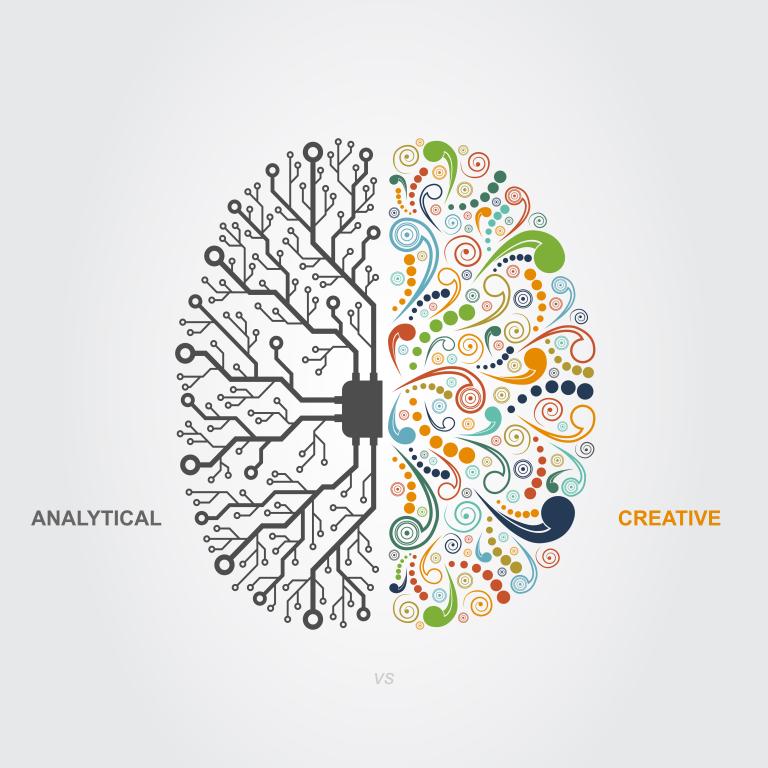
Shutterstock
Dr. Eric Haseltine is a recognized expert in both neuroscience and counter-terrorism. He has a great article in Psychology Today about how understanding the way our brains work can lead us to a healthy response to terrorism. Although he is not writing from a religious perspective, regular readers of Faith on the Couch will recognize how consistent Dr. Haseltine’s approach is with the Theology of the Body, the assertion by Pope St. John Paul the Great that by understanding the way God made our bodies and brains to function, we can discover His plan for healthy relationships and creating a Civilization of Love.
From Psychology Today…
It’s very rare that my backgrounds in Neuroscience and Counter Terrorism collide, but the Paris terrorist attacks have just made this happen.
And the atrocities have lead me to a strong opinion about what we should do about ISIS
The bottom line is that both Neuroscience and lessons from Counter Terrorism experience argue that military force, by itself is, not going to solve the problem. Neither will efforts to “de-radicalize” Islamic teenagers. Ditto for diplomacy, support to foreign governments that motivate them to fight ISIS harder, or efforts to win over “hearts and minds” of Sunni populations that support ISIS.
We’ve tried these approaches for decades, and the best you can say is that they’ve only partly succeeded.
The reason for the mixed success is that these approaches focus primarily on “them” (terrorists) and very little on “us” (victims or potential victims of terrorists).
Here’s what I mean.
One of ISIS’s objectives in the Paris attacks was to polarize non-Muslims against Muslims. This increased anger could produce two things ISIS covets: Western military responses in Muslim countries that deepen Islam’s resentment of the West, and increased bias against Muslims, which, in turn, increases alienation of Islamic youth in Western countries.
Resentful populations in Muslim countries are more likely to support ISIS and so are disaffected Islamic youths in the West.
So… how we react to the events in Paris will play a big role in how often such incidents are repeated.
And , unfortunately, the latest Neuroscience suggests that our response will be dangerously imbalanced.
Bear with me while I explain.
Dr. Gregory Berns at Emory University has shown that the part of our brains that respond to “utility” (cost vs. benefit) are entirely different from the parts involved in “sacred values” (absolute right vs. wrong). And it’s because these two parts are unconnected that I’m worried.
For instance, when faced with decisions like “how much money would it take to get you stop drinking Coke,” fMRI scans showed that test subject’s right Inferior Parietal neocortex activated. But when asked whether money could make them kill an innocent person, other areas, such as the Tempororparietal Junction and amygdala lit up.
In other words, no amount of cost/benefit analysis will change the strong responses in our brain to fundamental beliefs, like” terrorists are evil and should be killed.”
So, in responding to terrorism, our “sacred value” brains will tend to ignore cost vs benefit– such as how much American military action will raise our taxes. Or how many more American soldiers and civilians will die with escalated military operations. Or– most important–will added military action really work?
Worse, the attacks are likely to make our sacred beliefs about Muslim terrorists—and by association all Muslims—even more sacred. This is bound to affect some of our conscious and unconscious attitudes towards Muslims.
And Muslims in the West are bound to feel it.
And some of them will become more radicalized. If that happen, ISIS wins.
Not just once, with military attacks on Muslim countries that increase ISIS support
Not just twice with increased alienation of Muslims in the West.
But three times with attitudes we pass on to our children. READ THE REST.
Previous Post

November 10, 2015
Holding Children Hostage to Doubt
Next Post

November 17, 2015 Raising Faithful Kids: A Cautionary Tale
Browse Our Archives
Select a Category Anxiety atheism Attachment Church Conflict Resolution Counseling Depression faith Family forgiveness Gender Happiness Health Humor Marriage Mental Health Mental Illness Mindfulness morality More2Life Radio Parenting Personal Wellness Personality Disorder Popcak Psychology News reconciliation Relationship religion self-help Sexuality Spirituality stress theology of the body Uncategorized
Select a Month June 2020 May 2020 April 2020 March 2020 February 2020 January 2020 December 2019 November 2019 October 2019 September 2019 August 2019 July 2019 June 2019 May 2019 April 2019 March 2019 February 2019 January 2019 November 2018 October 2018 September 2018 August 2018 July 2018 June 2018 May 2018 April 2018 March 2018 February 2018 January 2018 November 2017 October 2017 September 2017 August 2017 June 2017 May 2017 April 2017 March 2017 February 2017 January 2017 December 2016 November 2016 October 2016 September 2016 August 2016 July 2016 June 2016 May 2016 April 2016 March 2016 February 2016 January 2016 December 2015 November 2015 October 2015 September 2015 August 2015 July 2015 June 2015 May 2015 April 2015 March 2015 February 2015 January 2015 December 2014 November 2014 October 2014 September 2014 August 2014 July 2014 June 2014 May 2014 April 2014 March 2014 February 2014 January 2014 December 2013 November 2013 October 2013 September 2013 August 2013 July 2013 June 2013 May 2013 April 2013 March 2013 February 2013
Follow Us!
TAKE THE
Religious Wisdom Quiz
How did the apostles choose Matthias to replace Judas?
Select your answer to see how you score.
By Vote Peter appointed him By the Holy Spirit They cast lots
Related posts from Faith on the Couch
“It’s Like We’re On The Same Wavelength!” -...
New Study Shows Talk Therapy Can Change Brain...

6 Ways Parenthood Boosts Your Brain

Theology of the Body & Sleep Training--Part Deux...
TRENDING AT PATHEOS Catholic

Rejecting Doom: Christian Hope And Human Action
Christianity is a religion of hope. We are to have hope and...

It’s What Comes From Within Which Matters
One of the most difficult things for us to understand is why...

Why I Choose the Eucharist Over the Sermon
Choose the Eucharist, Not the Sermon What are we supposed to get...

5 Design Elements Found in Spiritually Rooted Homes
Putting Spirituality Into Home Decor Our homes are more than our living...

Credo: A Story of God Told with the...
About 10 years ago, I began to imagine a personal "Credo" that...

The Anatomy of Divine Revelation in Catholic Thought
The claim that God has made Himself known to human beings is...
view all Catholic blogs
Ad-Free & Subscriber Log-In Subscription Support
- About Us
- 2026 Calendar
- Videos
- Podcasts
- Library of World Religions
- Faith In Media Tracker
- Advertise With Us
- Write for Us
- Privacy Policy
- Terms of Service
- Do Not Sell My Data
- Contact Us
- Radiant Digital
- Manage Newsletter Subscriptions
- Unsubscribe From Notifications
- Sitemap
Copyright 2008-2026, Patheos. All rights reserved.
Subscription Support Ad-Free & Subscriber Log-In
Follow Patheos